


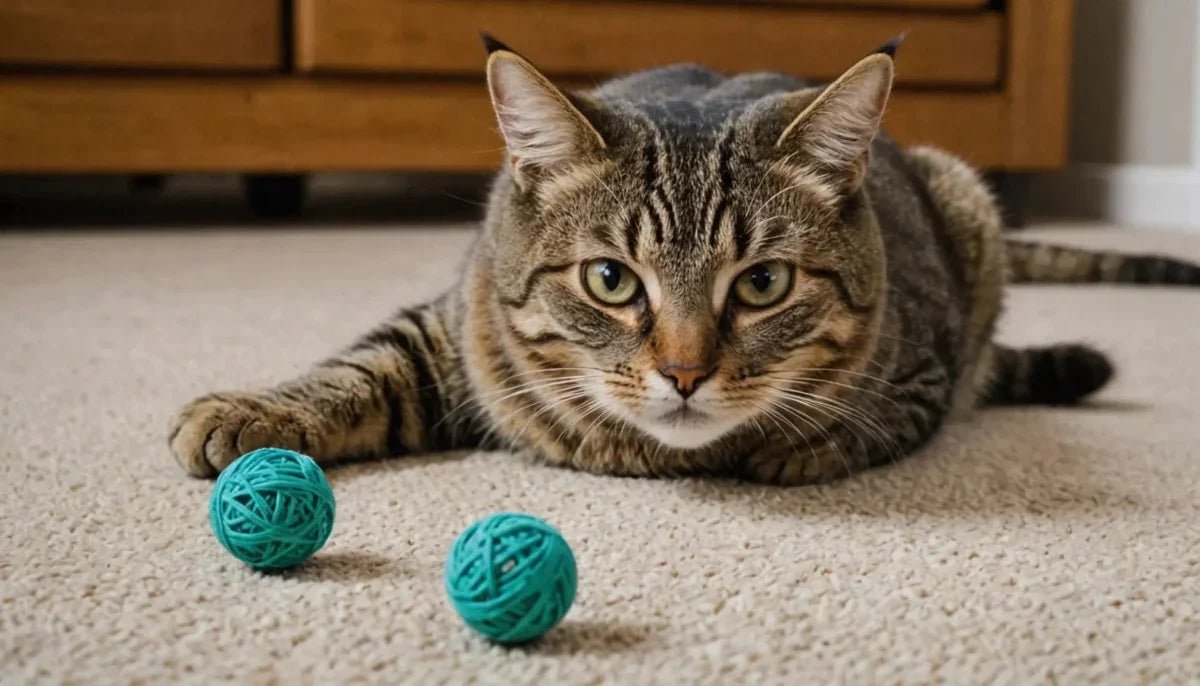
Fun and Safe Cat Toys for Cats with Sugar Sensitivities
Welcome to a world where fun and safety intersect for our furry friends with sugar sensitivities!

In this guide, we will explore a variety of cat toys specially designed to entertain and engage cats while keeping their health in mind. Cats with sugar sensitivities require extra care and consideration when it comes to their toys, and we are here to help you navigate the world of feline entertainment.
From interactive toys to puzzle feeders, we have compiled a selection of options that are not only enjoyable but also safe for your beloved feline companion. Join us as we delve into the realm of fun and safe cat toys that will keep your cat happily playing for hours on end without compromising their well-being. Let's ensure that playtime is not only exciting but also tailored to meet the unique needs of cats with sugar sensitivities!.
Understanding Sugar Sensitivities in Cats
Causes of Sugar Sensitivities in Cats
Sugar sensitivities in cats can be caused by various factors such as genetics, obesity, and dietary habits. Some cats may be more predisposed to developing sugar sensitivities due to their breed or family history. Obesity can also play a significant role in the development of sugar sensitivities in cats, as excess weight can lead to insulin resistance. Additionally, feeding cats diets high in carbohydrates and sugars can also contribute to the development of sugar sensitivities.
Symptoms to Look Out for
It is essential for cat owners to be aware of the symptoms that may indicate sugar sensitivities in their feline companions. Some common symptoms include increased thirst and urination, weight loss, lethargy, and changes in appetite. Cats with sugar sensitivities may also experience recurrent infections, such as urinary tract infections. If you notice any of these symptoms in your cat, it is crucial to consult with a veterinarian for proper diagnosis and treatment.
Prevention and Management of Sugar Sensitivities in Cats
Preventing sugar sensitivities in cats involves maintaining a healthy lifestyle for your feline friend. This includes providing a balanced diet that is low in carbohydrates and sugars, as well as ensuring regular exercise to prevent obesity. Regular veterinary check-ups can also help in early detection of any potential health issues, including sugar sensitivities. If your cat has been diagnosed with sugar sensitivities, your veterinarian may recommend a specialized diet and medications to manage the condition. It is important to follow your vet's recommendations closely to ensure your cat's well-being.
Supporting a Cat with Sugar Sensitivities
Living with a cat that has sugar sensitivities requires attention and care. Monitoring your cat's food intake, water consumption, and overall behavior can help you track any changes in their condition. Providing a stress-free environment and plenty of opportunities for exercise can also contribute to managing sugar sensitivities in cats. Remember to administer any prescribed medications as directed by your veterinarian and schedule regular follow-up appointments to monitor your cat's progress.
Conclusion
Understanding sugar sensitivities in cats is crucial for providing the best possible care for your feline companion. By recognizing the causes, symptoms, and management strategies for sugar sensitivities, cat owners can help their pets live healthier and happier lives. If you suspect that your cat may have sugar sensitivities, don't hesitate to seek professional advice from a veterinarian to ensure timely diagnosis and treatment.
Choosing Safe Cat Toys
Materials to Avoid in Cat Toys for Sugar-Sensitive Cats
When choosing toys for sugar-sensitive cats, it's crucial to consider their unique needs and sensitivities. To ensure the safety and well-being of your feline friend, steer clear of the following materials:.
-
Plastic : Some plastics contain harmful chemicals that can be detrimental to your cat's health, particularly if ingested. Always opt for toys made from safe, non-toxic plastics to prevent any potential toxicity risks.
-
Synthetic Fabrics : Fabrics such as polyester or nylon can pose a choking or digestive hazard if your cat chews or ingests them. Instead, prioritize toys crafted from natural materials like cotton or wool, which are safer options for sugar-sensitive cats.
-
Small Parts : Toys with detachable or small parts can present a choking hazard, especially for cats with sensitive stomachs. Choose toys that are sturdy and well-constructed to minimize the risk of accidental ingestion.
Recommended Toy Types for Sugar-Sensitive Cats
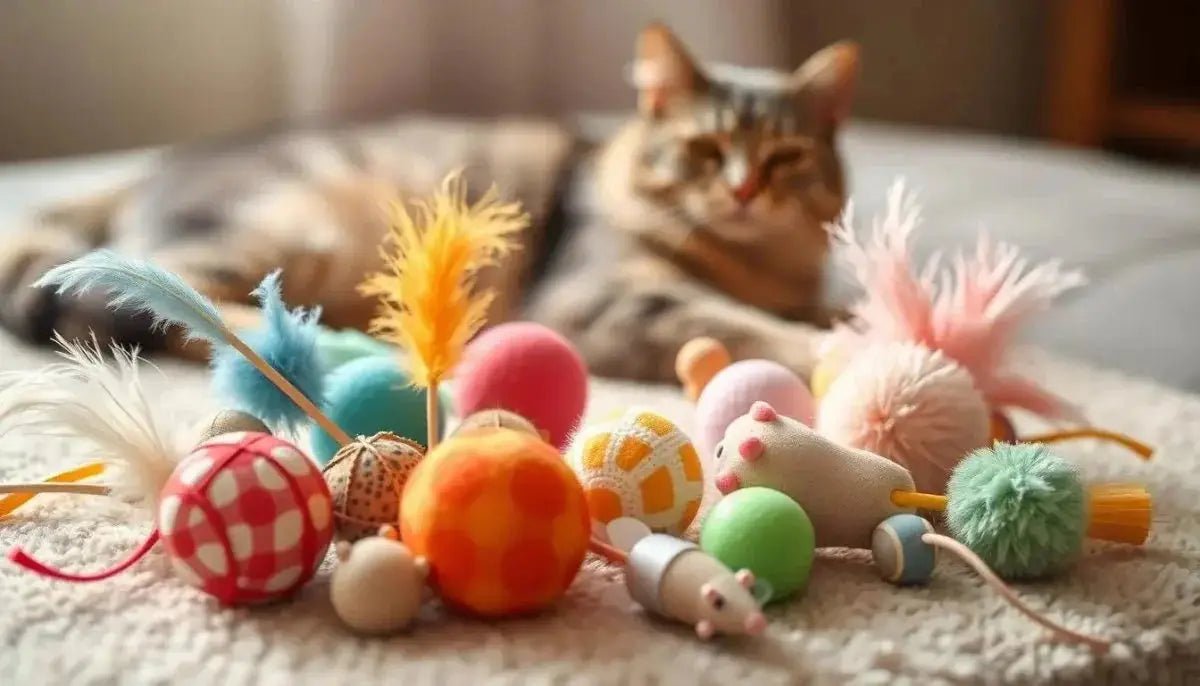
In addition to avoiding harmful materials, selecting the right toy types is equally essential for the overall well-being of your sugar-sensitive cat. Consider the following recommended toy types:.
-
Interactive Puzzle Toys : Engaging your cat in interactive play sessions not only stimulates their mind but also helps them stay active and maintain a healthy weight. Puzzle toys that dispense treats or engage your cat's hunting instincts are excellent choices.
-
Soft Fabric Toys : Opt for soft plush toys made from safe and hypoallergenic materials. These toys offer comfort and companionship to your cat without triggering any adverse reactions.
-
Feather Teasers : Cats with sugar sensitivities often enjoy chasing and pouncing on feather teasers. These toys mimic natural prey movements, providing both physical and mental stimulation for your feline companion.
-
Natural Fiber Balls : Simple toys like natural fiber balls or knitted toys are safe options for sugar-sensitive cats. These toys are lightweight, easy to bat around, and free from any harmful chemicals.
By being mindful of the materials used in cat toys and selecting appropriate toy types, you can create a safe and enriching play environment for your sugar-sensitive feline. Remember, always supervise your cat during playtime and regularly inspect toys for any signs of wear or damage to ensure their continued safety and enjoyment.
DIY Cat Toy Ideas
Simple Homemade Toys Without Sugar Components
Cats are known for their playful nature, and providing them with engaging toys is a great way to keep them active and entertained. Here are some simple DIY cat toy ideas that you can easily make at home without using any sugar components:.
-
Sock Catnip Toy : Take an old sock and fill it with catnip. Tie the open end securely and let your cat enjoy the enticing scent of catnip.
-
Cardboard Scratcher : Cut out a piece of cardboard in a fun shape and sprinkle some catnip on it. Your cat will love scratching and playing with this simple toy.
-
Feather Wand : Attach some feathers to a string or stick to create an interactive wand that will stimulate your cat's hunting instincts.
How to Make Interactive Toys at Home
Interactive toys are excellent for engaging your cat's mind and body. Here's how you can make some interactive toys at home:.
-
Treat Dispenser Puzzle : Create a simple treat dispenser using a cardboard box with holes. Your cat will have to figure out how to get the treats out, keeping them mentally stimulated.
-
DIY Laser Pointer : Use a flashlight and a small mirror to create a DIY laser pointer. Cats love chasing the elusive red dot, providing them with plenty of exercise.
-
Ping Pong Ball Track : Create a track using cardboard tubes and ramps for ping pong balls to roll through. Your cat will have a blast batting the balls around.
Benefits of DIY Cat Toys
Making DIY cat toys not only provides entertainment for your feline friend but also offers various benefits:.
-
Mental Stimulation : Interactive toys challenge your cat's cognitive abilities and prevent boredom.
-
Physical Exercise : Toys like feather wands and ping pong ball tracks encourage physical activity, helping your cat stay fit.
-
Bonding Time : Crafting toys for your cat can strengthen the bond between you and your pet, fostering a deeper connection.
-
Cost-Effective : Homemade toys are often more budget-friendly than store-bought alternatives, saving you money in the long run.
Safety Tips for DIY Toys
While DIY cat toys are fun to make, it's essential to prioritize your cat's safety. Here are some safety tips to keep in mind:.
-
Avoid Small Parts : Ensure that the toys don't have any small parts that could be swallowed or pose a choking hazard.
-
Supervise Playtime : Monitor your cat when they are playing with DIY toys to prevent accidents or ingestion of non-toxic materials.
-
Regular Inspections : Check the condition of homemade toys regularly to detect any signs of wear and tear that could be harmful to your cat.
-
Use Non-Toxic Materials : Opt for safe and non-toxic materials when creating DIY toys to protect your cat from potential health risks.
By incorporating these DIY cat toy ideas into your pet's playtime routine, you can enhance their overall well-being while fostering creativity and innovation in your own life. Spend quality time with your feline companion while engaging in the joy of crafting personalized toys!.
Conclusion
When it comes to keeping our feline friends entertained and engaged, it's important to prioritize their safety and well-being, especially for cats with sugar sensitivities. By choosing fun and safe cat toys that are free from harmful chemicals and potential allergens, we can ensure that our cats can play and have a good time without any risks to their health. Remember, a happy and healthy cat is a playful cat!.


Leave a comment
This site is protected by hCaptcha and the hCaptcha Privacy Policy and Terms of Service apply.