


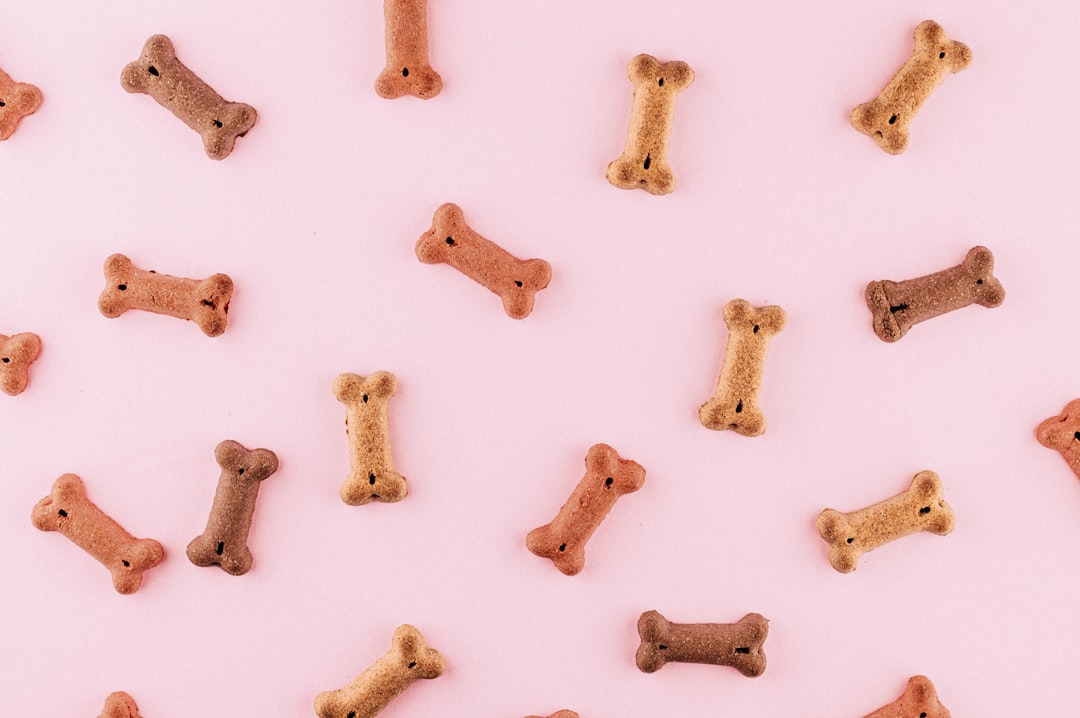
Exclusively Homemade Dog Treats: 5 Tasty Recipes
Top 5 Homemade Dog Treat Recipes
We’ve all been there: you try to enjoy dinner, and your dog gives you "the eyes"—that starving look suggesting they haven't eaten in years. Handing over a scrap to stop the staring is just a bribe, but a proper dog treat should be a communication tool. Think of standard kibble as your dog’s regular "paycheck," while a High-Value Reward—something extra delicious earned for excellent behavior—is their "holiday bonus." Pairing dogs and treats effectively tells them exactly which actions earn that special bonus.
Unfortunately, flipping over store-bought biscuits often reveals a paragraph of unpronounceable preservatives. According to veterinary consensus, swapping highly processed snacks for whole foods easily improves your pet's daily diet. Whipping up healthy canine reward options at home solves this hidden ingredient mystery, transforming training from mindless snacking into nutritious reinforcement.
Learning how to make dog treats is surprisingly simple using basic pantry staples. Baking these recipes at home immediately unlocks three massive benefits:
- Ingredient transparency: You know exactly what goes into every bite.
- Allergy management: You can effortlessly swap out common food triggers.
- Cost-savings: Turning inexpensive oats and peanut butter into rewards saves money compared to boutique brands.

The 10% Rule: How to Budget Your Dog’s Daily 'Fun Money' Without Breaking the Caloric Bank
Wondering how many snacks should a dog have daily? Vets recommend the 10% Rule. Think of your dog’s food as a daily budget. If they require 800 calories to maintain a healthy weight, 720 must come from balanced meals. That leaves just 80 calories as "fun money" for treats. Overspending consistently causes "caloric bankruptcy"—unwanted weight gain that stresses their joints. Following these caloric intake guidelines for pet snacking lets you reward them safely.
Balancing this allowance requires flexibility on heavy training days. When practicing new tricks, simply reduce their dinner portion to keep their calories level. You can also swap heavy biscuits for low-calorie snacks for overweight pets, like fresh green beans. While plain veggies are great, your kitchen is a potential minefield. Before raiding the fridge for rewards, you must recognize which common human foods are toxic.
Kitchen Killers: How to Spot (and Avoid) Toxic Ingredients Like Xylitol and Onions
Sharing a spoonful of peanut butter feels like the ultimate bonding moment, but ensuring dog treat safety requires a quick label check. Many pantry staples hide a deadly secret: xylitol (or birch sugar). While harmless to humans, it causes a life-threatening insulin drop in dogs. Always scan "sugar-free" jars before sharing.
Beyond artificial sweeteners, memorizing the top toxic ingredients to avoid in pet snacks saves frantic vet trips. Keep a strict "never" list:
- Xylitol: Lurks in diet peanut butters and sugar-free gums.
- Chocolate: Darker varieties are highly dangerous.
- Grapes and Raisins: Toxic to canine kidneys.
- Onions and Garlic: Damages red blood cells.
- Macadamia Nuts: Triggers severe weakness.
Fortunately, your kitchen is packed with safe human foods for animal consumption, like plain carrots or cucumber slices. Knowing what is safe to share allows you to confidently create irresistible homemade rewards.
The Ultimate Training Motivator: 3-Ingredient Soft Peanut Butter and Banana 'Paychecks'
Does your dog suddenly "forget" their name when a squirrel darts by? That is exactly when you need a "holiday bonus" rather than a standard paycheck. This is the magic of a High-Value Treat. Trainers prefer soft dog treats as high-value rewards for difficult training sessions because dogs swallow them instantly, keeping their focus locked completely on you instead of stopping to chew.
Whipping up these irresistible motivators takes just 15 minutes: simply mash one ripe banana with a quarter-cup of xylitol-free peanut butter and a cup of oats, then bake at 350°F. To use these rich puppy treats safely, practice a technique called micro-portioning. By breaking the finished treats into tiny, pea-sized crumbs, you easily stay within your dog's 10% daily calorie budget while offering dozens of rewarding "Yes!" moments.
While these rich bites are perfect for intense learning, you will not want to use them for every single routine command. Everyday household snacking calls for a lighter, harder texture that takes a moment to enjoy.

Better Than Biscuits: Crunchy Apple and Oat Bites for Dental Health and Low-Calorie Crunch
Balancing a daily treat budget means mixing textures, which is why the rules of soft versus crunchy dog biscuits matter. While soft bites are reserved for quick focus, a hard biscuit forces your dog to slow down and actively chew. This satisfying crunch provides mechanical dental cleaning—a process where the rough biscuit's friction gently scrapes plaque away, acting much like a natural toothbrush. When comparing natural dental chews versus dental sticks from the supermarket, these homemade bites are a fantastic, preservative-free alternative.
Creating these snacks simply requires mixing grated apples with oats and baking until deeply crispy. Because apples are naturally packed with fiber, they aid in healthy digestion and serve as brilliant low-calorie snacks for overweight pets. Substituting high-calorie store treats with these fresh, fruit-based alternatives protects your dog's waistline while rewarding them safely.
Soothing Sensitive Tummies: Hypoallergenic Pumpkin Puree Snacks for Itchy Dogs
We’ve all seen a pup scratch constantly after eating standard commercial biscuits. Wheat, beef, or dairy often trigger these reactions, making safe treating a frustrating guessing game. Instead of gambling on store-bought bags, whipping up hypoallergenic snacks for dogs with food allergies is remarkably simple. The perfect base? Plain pumpkin puree.
This humble orange gourd is a digestive lifesaver because it contains soluble fiber. Think of soluble fiber as a gentle sponge in your dog's gut. It absorbs excess water to firm up loose stool while keeping digestion moving smoothly. Using pure pumpkin creates healthy canine reward options that soothe upset stomachs without adding irritating ingredients.
Making these snacks just requires dropping small spoonfuls of pumpkin onto a tray and freezing them. Choosing high-quality purees maximizes the nutritional benefits of organic pet treats, delivering pure vitamins without hidden chemicals.
Frozen Berry Popsicles: The 'Cool Down' Treat for High-Energy Puppies and Hot Summer Days
Summer heat and puppy energy can be exhausting. Instead of searching for "dog treats near me," making no-bake cooling dog snacks is the perfect solution. Freezing blended berries with water creates a popsicle that doubles as soothing teething relief for sore gums. Licking ice provides mental enrichment—a calming brain workout keeping them happily busy for 20 minutes. These easily rank among the best training rewards for high-energy puppies needing a focused task to settle down.
You can customize these frosty rewards using basic household trays:
- Fruit-only: Mashed berries and water for pure hydration.
- Yogurt-based: Swirled with plain yogurt for a creamy finish.
- Broth-based: Low-sodium chicken broth for a savory twist.
- Hidden toy pops: Freeze a chew inside to bust extreme boredom!

High-Protein Chicken Jerky: How to Make Healthier Meat Chews Without Chemical Preservatives
Flipping over a bag of commercial dog chew treats often reveals chemical preservatives like BHA and BHT. Instead of serving these artificial additives, you can easily create "clean label treats" using just one recognizable ingredient. Thinly sliced, plain chicken breast makes a perfectly healthy reward for half the store price.
The secret to safely preparing this raw meat is low-temperature dehydration. Unlike a standard homemade dog biscuit baking guide that relies on high heat, this method uses your oven's lowest setting to slowly draw out moisture. This gentle 160°F process kills bacteria while locking in nutrients, creating a shelf-stable reward comparable to expensive freeze-dried meat treats for protein.
Armed with these single-ingredient rewards in your fridge, you will likely notice your dog paying extremely close attention to your every move. Because fresh chicken jerky is incredibly tempting, manage it wisely so it doesn't create bad habits.
Stop the Begging: How to Time These Treats for Positive Reinforcement Success
When holding high-value treats like fresh chicken jerky, even the best-behaved dog can temporarily turn into a whining beggar. Instead of accidentally rewarding this chaos, use these snacks for positive reinforcement training techniques. The secret is a "marker"—a word like "Yes!" acting as a camera flash to capture the exact moment your dog succeeds. Timing these training rewards perfectly stops the demanding behavior and builds focus. Try this simple sequence:
- Request: Ask for a basic behavior, like "sit."
- Action: The split-second their bottom hits the floor, say "Yes!"
- Reward: Deliver the tasty jerky within two seconds.
Once your dog masters this rhythm, introduce intermittent reinforcement. Think of it like a slot machine: if dogs get paid every single time, they might only listen when they see food in your hand. By occasionally swapping the treat for an excited belly rub or happy praise, you keep them eager to please.
Your Canine Chef Action Plan: Mastering the Transition to Healthy Homemade Snacking
You now possess the confidence to easily spot safe ingredients and choose healthy canine reward options over impulse store buys. Setting a weekly treat prep routine does more than save time—it actively strengthens the bond with your dog through wholesome, intentional choices. To keep these rewards perfectly fresh, just implement a simple storage system: your culinary creations will last about one week in the fridge or up to three months in the freezer.
The everyday language of dogs and treats doesn't have to be confusing. You are officially ready to put this homemade dog biscuit baking guide into action. Try this today: pick just one simple recipe and prep it for the upcoming weekend. When you hand over that first fresh reward and see your dog's joyful focus, you will realize the best snacks are simply a delicious way to say "good job."

Written by Talis Us


Leave a comment
This site is protected by hCaptcha and the hCaptcha Privacy Policy and Terms of Service apply.