


Easter Pet Safety: Spring Holiday Tips for All Animals
Understanding Easter Hazards for Companion Animals
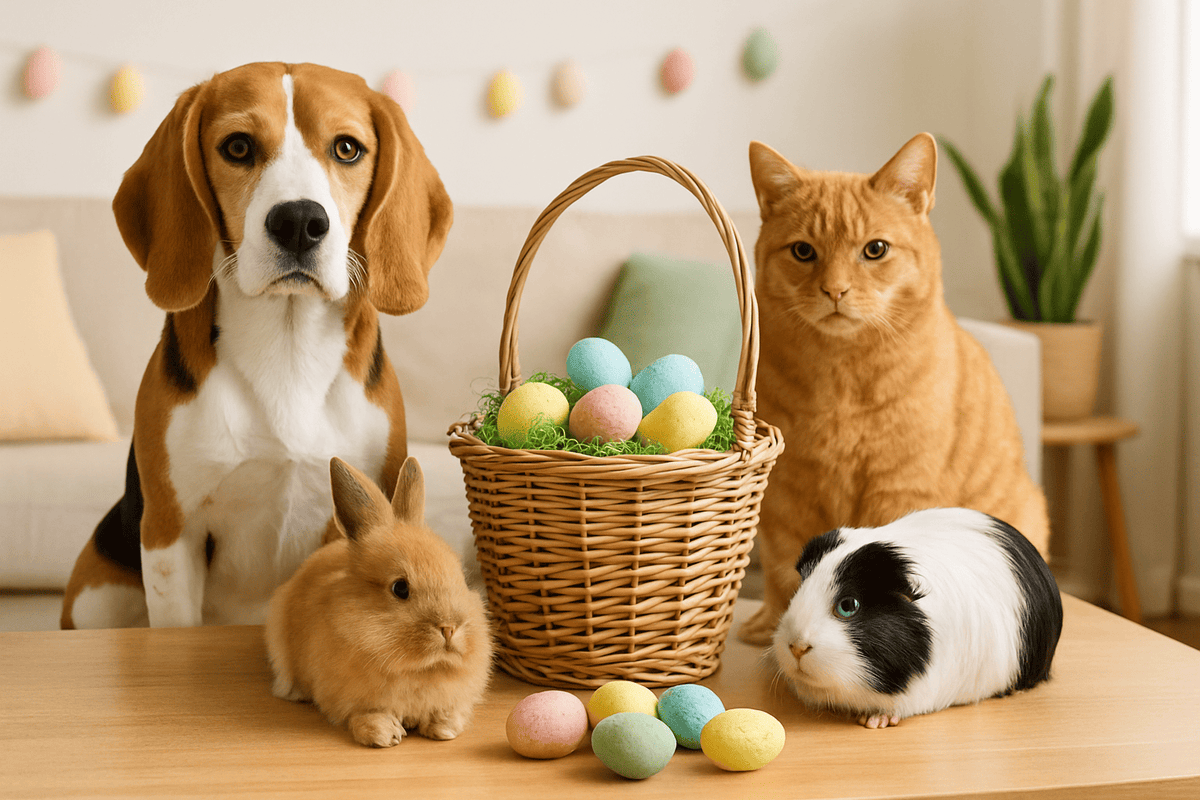
Easter celebrations bring unique perils that conscientious pet guardians must vigilantly address. The festive atmosphere often masks potentially lethal threats lurking in seemingly innocuous holiday traditions. From chocolate confections to decorative flora, Easter's quintessential elements can transform a joyous occasion into a veterinary emergency.
Theobromine and caffeine present in chocolate create cardiovascular and neurological complications in pets. Dark chocolate contains exponentially higher concentrations than milk varieties, making even minuscule quantities perilous for smaller animals. Birds and reptiles exhibit particularly acute sensitivities to these methylxanthines, requiring extraordinary vigilance during candy-abundant festivities.
Toxic Easter Plants and Flowers
Lilies represent perhaps the most insidious botanical threat during Easter celebrations. These aesthetically pleasing flowers contain nephrotoxic compounds that precipitate acute kidney failure in felines. Even pollen exposure through grooming can trigger fatal renal complications.
Daffodils, tulips, and hyacinths contain lycorine and other alkaloids concentrated within their bulbous structures. Excavation-prone canines may unearth these subterranean hazards, resulting in gastrointestinal distress and potential cardiac arrhythmias. Small mammals like rabbits and guinea pigs face similar risks when accessing ornamental plantings.
Artificial Grass and Plastic Decorations
Synthetic Easter grass poses significant intestinal obstruction risks across multiple species. The indigestible polymer strands create linear foreign body obstructions requiring surgical intervention. Cats demonstrate particular fascination with these colorful filaments, often ingesting substantial quantities before owners recognize the danger.
Plastic eggs and decorative elements present choking hazards and gastrointestinal blockages. Avian species may attempt to incorporate brightly colored fragments into nesting behaviors, creating internal injuries from sharp plastic edges.
Safe Easter Celebration Alternatives
Creating pet-friendly Easter traditions requires thoughtful modification of conventional practices while preserving celebratory spirit. Substituting hazardous elements with species-appropriate alternatives ensures inclusive festivities that accommodate all family members.
Consider incorporating specially curated Easter collections designed specifically for multi-pet households. These thoughtfully assembled products eliminate guesswork while providing safe, engaging alternatives to traditional decorations. Professional curation ensures compatibility across diverse species, from reptilian companions to avian friends.
Pet-Safe Decoration Ideas
Natural fiber alternatives like shredded paper or hay provide safe nesting material exploration opportunities. Coconut fiber offers similar textural appeal without synthetic polymer risks. These organic materials decompose safely if accidentally ingested while providing enrichment activities.
Wooden egg alternatives satisfy investigative behaviors without fragmentation dangers. Untreated hardwood options withstand chewing while avoiding toxic paint or coating exposure. Sand down any rough edges to prevent splinter formation.
"Prevention remains infinitely preferable to emergency intervention. Proactive hazard elimination protects pets while preserving celebration joy for entire families."
Species-Specific Easter Treats
Formulate homemade treats using species-appropriate ingredients rather than sharing human confections. Freeze-dried fruits provide natural sweetness for omnivorous pets without artificial additives or excessive sugar content.
Birds appreciate millet sprays shaped into festive configurations. Reptiles benefit from calcium-dusted insects presented in decorative feeding dishes. Small mammals enjoy timothy hay compressed into egg shapes with pet-safe vegetable dyes for visual appeal.
Emergency Preparedness and Response
Despite meticulous precautions, accidental exposures may occur during Easter celebrations. Rapid response protocols can mitigate severe complications when immediate veterinary intervention proves necessary.
Maintain updated emergency contact information for local veterinary hospitals and poison control hotlines. The ASPCA Animal Poison Control Center operates continuously, providing expert guidance for toxicological emergencies across all companion animal species.
Recognition of Toxicity Symptoms
Gastrointestinal disturbances often herald toxic exposures across multiple species. Vomiting, diarrhea, and appetite suppression indicate potential poisoning requiring immediate evaluation. Neurological symptoms including tremors, seizures, or coordination difficulties demand urgent medical attention.
| Species | Early Warning Signs | Severe Symptoms |
|---|---|---|
| Dogs | Restlessness, excessive drooling | Tremors, elevated heart rate |
| Cats | Hiding, reduced grooming | Difficulty urinating, lethargy |
| Birds | Fluffed feathers, quiet behavior | Difficulty perching, labored breathing |
| Reptiles | Reduced activity, appetite loss | Muscle spasms, inability to thermoregulate |
First Aid Measures
Remove suspected toxins from your pet's environment immediately. Secure remaining hazardous materials to prevent additional exposures during emergency response activities. Document the suspected substance, quantity consumed, and time of exposure for veterinary consultation.
Never induce vomiting without professional guidance, particularly in cats, birds, or reptiles. Certain substances cause additional esophageal damage during regurgitation, potentially exacerbating initial injuries.
Long-Term Easter Safety Planning
Successful Easter pet safety extends beyond immediate hazard management to encompass comprehensive household preparation and family education. Collaborative planning ensures consistent safety protocols among all household members and visitors.
Visitor Education and Preparation
Brief guests about household pet safety protocols before Easter gatherings commence. Many visitors remain unaware of species-specific toxicities, potentially offering inappropriate treats or leaving hazardous items within reach of curious animals.
- Designate specific areas for candy and chocolate storage
- Establish clear guidelines about feeding pets table scraps
- Create secure spaces for sensitive animals during large gatherings
- Provide alternative entertainment options for children interacting with pets
Post-Holiday Cleanup Protocols
Thorough post-celebration inspection prevents delayed toxicity incidents from overlooked hazards. Small candy fragments or decorative elements may escape initial cleanup efforts, creating subsequent exposure risks.
Vacuum thoroughly to eliminate chocolate crumbs, artificial grass fragments, and small decorative pieces. Pay particular attention to areas beneath furniture where items may have rolled during festivities. Inspect plants for damaged leaves or flowers that pets might find appealing.
Easter celebrations can accommodate beloved animal companions through mindful planning and species-appropriate modifications. Prioritizing pet safety enhances rather than diminishes holiday enjoyment, creating inclusive traditions that protect vulnerable family members while preserving celebratory spirit. Proactive hazard management, combined with emergency preparedness, ensures memorable Easter experiences free from preventable tragedies.

Written by Talis Us


Leave a comment
This site is protected by hCaptcha and the hCaptcha Privacy Policy and Terms of Service apply.