



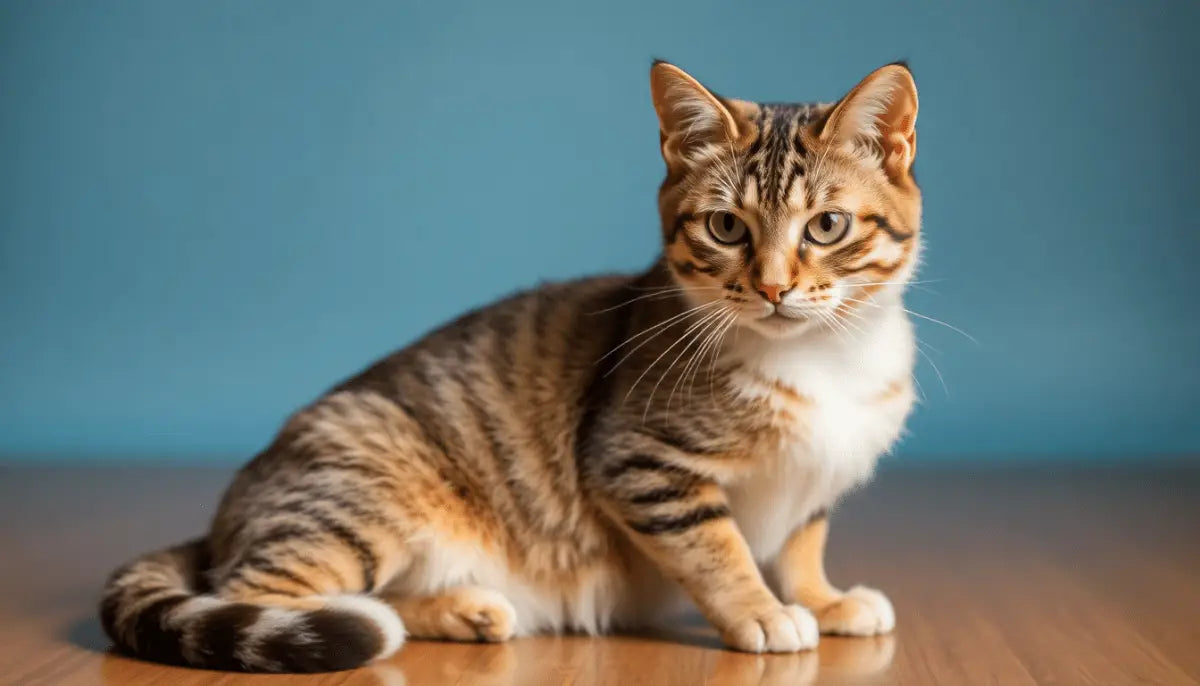
Cat Urinary Health: Complete Nutrition & Prevention Guide
Cat parents know the sinking feeling that comes with finding blood in their pet's litter box or watching their usually confident feline strain to urinate. Urinary issues affect millions of cats each year, causing pain for pets and heartbreak for their families. The good news? Many urinary problems can be prevented through proper nutrition and care.
This comprehensive guide explores how diet directly impacts your cat's urinary health, from understanding common conditions like crystals and stones to implementing practical feeding strategies. You'll discover which nutrients support healthy urination, how to encourage proper hydration, and specific warning signs that warrant veterinary attention.
Whether you're dealing with a current urinary issue or want to prevent problems before they start, the information ahead will help you make informed decisions about your cat's nutritional needs and overall wellness.
Understanding Common Feline Urinary Issues
Feline urinary problems encompass several distinct conditions that can affect cats of any age or breed. Recognizing these issues early makes treatment more effective and prevents complications.
Urinary Crystals and Stones
Crystals form when minerals in your cat's urine become concentrated and crystallize. The two most common types are struvite (magnesium ammonium phosphate) and calcium oxalate crystals. While small crystals may pass unnoticed, larger formations can develop into stones that block the urinary tract.
Struvite crystals typically form in alkaline urine and were historically more common when cats ate high-magnesium diets. Modern commercial cat foods have largely addressed this issue through improved mineral balance. Calcium oxalate crystals, on the other hand, form in acidic urine and have become more prevalent in recent decades.
Feline Lower Urinary Tract Disease (FLUTD)
FLUTD is an umbrella term covering various conditions affecting the bladder and urethra. Symptoms include frequent urination, straining, blood in urine, and urinating outside the litter box. Many FLUTD cases have no identifiable cause, making prevention through proper nutrition even more critical.
Stress often contributes to FLUTD development. Cats experiencing environmental changes, multi-cat household tensions, or routine disruptions may develop urinary symptoms. This connection highlights the importance of both physical and emotional wellness in urinary health management.
Urethral Obstruction
Male cats face higher risk of complete urethral blockage due to their narrower urethras. When crystals, stones, or inflammatory material blocks urine flow entirely, it creates a life-threatening emergency requiring immediate veterinary intervention. Cats with partial or complete obstructions may cry when attempting to urinate, assume unusual postures, or show signs of abdominal pain.
The Critical Role of Diet in Urinary Health Prevention
Nutrition serves as the foundation for urinary tract health in cats. The foods your cat eats directly influence urine pH, mineral concentration, and overall urinary tract function.
pH Balance and Mineral Management
Healthy cat urine maintains a slightly acidic pH between 6.0 and 6.5. This acidic environment helps prevent struvite crystal formation while avoiding excessive acidity that promotes calcium oxalate crystals. Quality commercial cat foods are formulated to support optimal pH balance through careful ingredient selection and mineral ratios.
Magnesium, phosphorus, and calcium levels must be carefully balanced. While magnesium restrictions helped reduce struvite crystals in the past, overly restrictive diets can create other problems. Modern veterinary diets achieve balance by controlling overall mineral content rather than drastically limiting individual minerals.
Protein Quality and Urinary Function
Cats are obligate carnivores requiring high-quality protein for optimal health. Animal-based proteins provide essential amino acids that support kidney function and help maintain proper urine concentration. Plant-based proteins, while less expensive, don't offer the same biological value for feline metabolism.
High-quality protein sources like chicken, fish, and turkey provide the building blocks for healthy muscle tissue, including the bladder muscles responsible for proper urination. Adequate protein intake also supports immune function, helping cats resist urinary tract infections.
Why Moisture Content Matters More Than You Think
Water content in your cat's diet plays a crucial role in urinary health. Understanding the difference between wet and dry food impacts can help you make better feeding decisions.
Wet Food vs. Dry Food Considerations
Wet cat food typically contains 70-80% moisture, closely mimicking the water content of natural prey. This high moisture content helps dilute urine, reducing mineral concentration and crystal formation risk. Cats eating primarily wet food produce more dilute urine, which flushes the urinary tract more effectively.
Dry food contains only 10-12% moisture, requiring cats to drink significantly more water to achieve proper hydration. Many cats don't drink enough to compensate for this difference, leading to concentrated urine that favors crystal formation.
The Evolution of Feline Hydration
Cats evolved from desert-dwelling ancestors and have a naturally low thirst drive compared to other animals. Wild cats obtained most of their water from prey, which contains approximately 70% moisture. Domestic cats retain this evolutionary trait, making dietary moisture particularly important for health.
When cats don't consume adequate water through food or drinking, their kidneys concentrate urine to conserve body water. This concentrated urine contains higher mineral levels, creating ideal conditions for crystal and stone formation.
Essential Nutrients for Optimal Urinary Health
Several key nutrients directly impact urinary tract function and health. Understanding these nutrients helps you evaluate cat food options and make informed decisions.
Omega-3 Fatty Acids
These essential fats provide anti-inflammatory benefits throughout the body, including the urinary tract. Omega-3s from fish sources like salmon and sardines may help reduce inflammation associated with FLUTD and support overall urinary tract health.
Antioxidants and Vitamins
Vitamin E, vitamin C, and other antioxidants help protect urinary tract tissues from oxidative damage. While cats produce their own vitamin C, additional antioxidants from food sources can provide extra protection during times of stress or illness.
Controlled Sodium Levels
Moderate sodium intake supports proper kidney function without causing excessive water retention or blood pressure issues. Quality cat foods balance sodium levels to support kidney health while maintaining palatability.
Recognizing Warning Signs of Urinary Problems
Early detection of urinary issues dramatically improves treatment outcomes. Cat owners should monitor their pets for subtle changes that may indicate developing problems.
Litter Box Behavior Changes
Increased frequency of litter box visits often signals urinary issues. Cats may make multiple trips but produce only small amounts of urine, or they may spend extended time in the box without producing any urine. Some cats begin urinating outside the litter box, particularly on cool, smooth surfaces like bathroom tiles.
Physical Symptoms to Monitor
Blood in urine ranges from barely visible pink tinge to obvious red coloration. Cats may vocalize when urinating, indicating pain or discomfort. Excessive grooming of the genital area can signal irritation or discomfort.
Behavioral changes like hiding, decreased appetite, or lethargy may accompany urinary problems. Male cats showing signs of straining without producing urine require immediate emergency veterinary care, as complete obstruction can be fatal within 24-48 hours.
Changes in Urination Patterns
Normal cats typically urinate 2-4 times daily. Significant increases or decreases in frequency warrant attention. Strong ammonia odors from the litter box may indicate concentrated urine or potential infection.
Water Intake Strategies for Better Urinary Health
Encouraging adequate water consumption supports urinary tract health regardless of your cat's primary diet. Multiple strategies can help increase daily water intake.
Fresh Water Accessibility
Provide multiple water sources throughout your home, ensuring fresh water is always available. Some cats prefer running water, making pet fountains an excellent investment. The sound and movement of flowing water often encourages drinking.
Clean water bowls daily and refill with fresh water. Some cats are sensitive to water bowl materials, preferring glass or ceramic over plastic. Wide, shallow bowls prevent whisker fatigue and encourage drinking.
Environmental Considerations
Water bowl placement affects consumption patterns. Avoid placing water near food bowls, as many cats prefer separate eating and drinking areas. Keep water bowls away from litter boxes and high-traffic areas where cats might feel vulnerable while drinking.
Room temperature water appeals to most cats more than cold water. During winter months, ensure water doesn't become too cold, which may discourage drinking.
Flavor Enhancement Techniques
Adding small amounts of low-sodium chicken broth or tuna juice can make water more appealing. Ice cubes made from broth provide enrichment while encouraging hydration. Some cats enjoy the novelty of flavored ice cubes as treats.
Creating a Comprehensive Urinary Health Plan
Successful urinary health management combines proper nutrition, environmental management, and regular veterinary care. A holistic approach addresses all factors that influence urinary tract function.
Regular Veterinary Monitoring
Schedule annual wellness examinations that include urinalysis. This simple test can detect early signs of urinary problems before symptoms develop. Senior cats or those with previous urinary issues may benefit from more frequent monitoring.
Discuss your cat's diet with your veterinarian, especially if you're considering changes. Some cats with recurring urinary issues benefit from prescription diets designed specifically for urinary health support.
Stress Reduction Strategies
Environmental enrichment reduces stress that can contribute to FLUTD. Provide adequate vertical space, hiding spots, and individual resources for each cat in multi-cat households. Maintain consistent routines and gradually introduce any necessary changes.
Consider pheromone diffusers or calming supplements during stressful periods like moving or introducing new pets. These tools can help prevent stress-related urinary problems.
Frequently Asked Questions About Cat Urinary Health
How much water should my cat drink daily?
Cats should consume approximately 3.5-4.5 ounces of water per 5 pounds of body weight daily. This includes water from both food and drinking. Cats eating wet food typically drink less because they're getting moisture from their meals.
Can treats affect urinary health?
Yes, treats should be factored into your cat's overall nutritional balance. Choose treats that complement your cat's regular diet and avoid those high in minerals that could contribute to crystal formation. Limit treats to no more than 10% of daily caloric intake.
Are there specific ingredients I should avoid?
Avoid foods with excessive magnesium, phosphorus, or ash content. Plant-based proteins and high-carbohydrate fillers provide less nutritional value for cats. Artificial colors and preservatives aren't necessarily harmful but offer no health benefits.
When should I switch to a urinary health diet?
Consult your veterinarian before switching to specialized urinary diets. These foods are formulated for specific conditions and may not be appropriate for all cats. Healthy cats typically don't need therapeutic diets and do well on high-quality commercial foods.
How quickly can dietary changes impact urinary health?
Some benefits like improved hydration can occur within days, while others like pH balance changes may take several weeks. Crystal dissolution through diet can take months in some cases. Consistency is key for achieving lasting results.
Building Long-Term Urinary Wellness
Protecting your cat's urinary health requires ongoing commitment to proper nutrition, hydration, and environmental management. The investment in high-quality food and preventive care pays dividends in your cat's comfort and your peace of mind.
Start by evaluating your cat's current diet and water intake patterns. Consider incorporating more wet food if your cat primarily eats dry food, and ensure fresh water is always available. Monitor litter box habits and watch for any changes that might indicate developing problems.
Remember that every cat is unique, and what works for one may not work for another. Work closely with your veterinarian to develop a personalized plan that considers your cat's age, health status, and individual preferences. With proper care and attention, most cats can enjoy healthy urinary function throughout their lives.

Written by Talis Us




Leave a comment
This site is protected by hCaptcha and the hCaptcha Privacy Policy and Terms of Service apply.