


Bioactive Enclosure Benefits: Enhance Reptile Habitats
Exploring the Benefits of Bioactive Enclosures
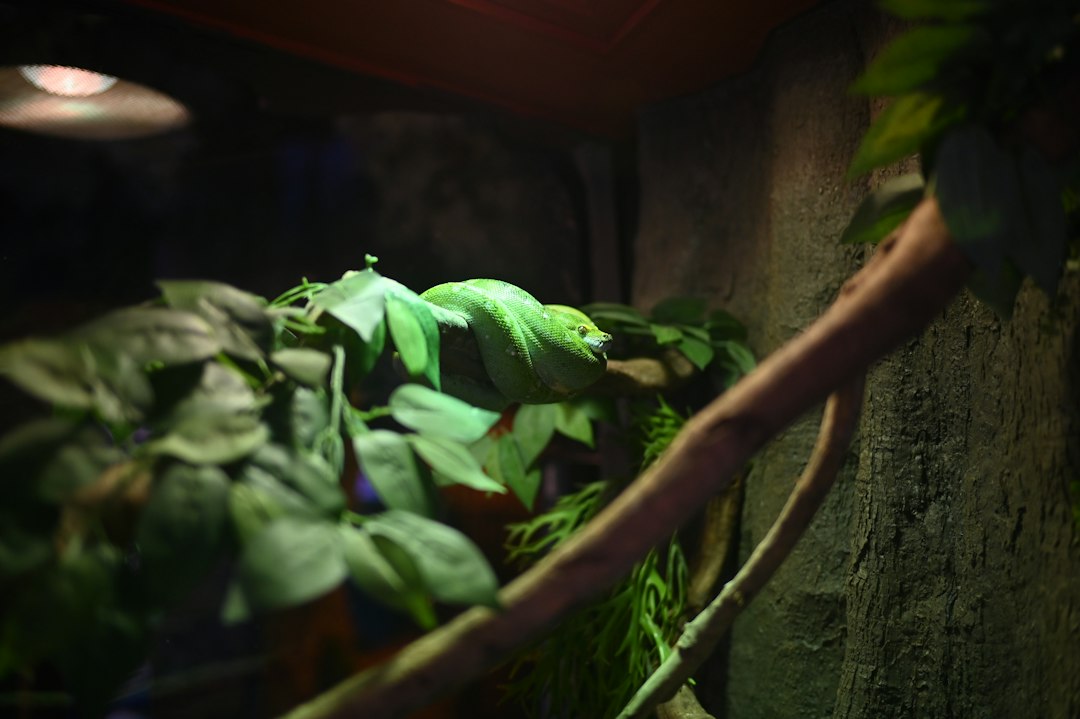
A bioactive enclosure is a managed habitat where plants, small invertebrates, and microorganisms help break down organic waste. For reptile and amphibian keepers, it offers a way to combine naturalistic surroundings with biological processes that support the substrate. The benefits are real, but so is the responsibility: this is a living system to maintain, not a replacement for cleaning or species-specific care. (wisconsinherps.org)
What is a bioactive enclosure, and how does it work?
A bioactive enclosure uses decomposers living in the substrate to process fallen leaves, decaying plant material, and some animal waste. Microorganisms and small invertebrates break organic material down, while plants use available nutrients for growth. Together, these organisms create a managed miniature ecosystem rather than a container of decorative soil. (wisconsinherps.org)
The familiar “cleanup crew” usually includes springtails and isopods. Springtails consume fungi and decomposing material; isopods process leaf litter, softened wood, and other organic matter. Their needs matter too: an enclosure that is too dry, too wet, or short of suitable food may not sustain them. (hvreptilerescue.org)
A planted enclosure is not automatically bioactive. Its biological community must be able to function under the conditions required by the main inhabitant. Nor does decomposition make waste harmless immediately: keepers still need to remove visible mess and monitor hygiene rather than assuming anything on the floor will disappear safely. (hvreptilerescue.org)
The benefits extend beyond a natural appearance
More opportunities for natural behavior
Appropriate soil, leaf litter, branches, and shelter let reptiles interact with their surroundings. Depending on the species, that might mean digging, moving through cover, climbing, or choosing between exposed and sheltered resting places. The value lies in those choices—not simply in making the enclosure look like a forest. (kb.rspca.org.au)
Live plants are one way to provide cover, but they are not the only way. Secure hides and suitable artificial furnishings can also support welfare. Bioactivity works best as an addition to sound enclosure design, not as evidence that a habitat is automatically better than every conventional alternative. (gov.uk)
More ways to manage moisture
Substrate, leaf litter, and planted areas can create different moisture conditions within one habitat. That gives keepers options beyond repeatedly wetting the entire enclosure. However, retaining moisture is useful only when it matches the animal’s requirements; ventilation, drainage, and measured humidity remain essential. (hvreptilerescue.org)
A different kind of maintenance
A functioning bioactive vivarium can reduce some repetitive substrate-cleaning work because decomposers process organic debris. In exchange, you take on plant care, moisture management, and replenishment of materials such as leaf litter. Think of the change as moving from routine replacement toward ongoing habitat management—not eliminating work. (reptifiles.com)
How do you build a bioactive vivarium that suits your animal?
Start with the animal’s established husbandry requirements, then choose plants, substrate, and decomposers that can live within those conditions. Enclosure dimensions, ventilation, heating, lighting, and access for cleaning come before landscaping. There is no universal tropical recipe that works equally well for a tree-dwelling gecko, a burrowing snake, and an arid-adapted lizard. (hvreptilerescue.org)
Establish the essential equipment first
Before buying plants, map out the warm and cool areas, hiding places, climbing opportunities, and water access. Check that the finished landscape will not block ventilation or prevent you from reaching the animal. Heat sources need appropriate controls, and actual temperatures must be checked independently rather than inferred from a thermostat setting. (data.parliament.uk)
Use this planning checklist:
- Animal requirements: Identify the species’ space, temperature, humidity, lighting, and behavioral needs.
- Environmental controls: Choose appropriate heating controls and instruments for checking conditions.
- Maintenance access: Keep water bowls, hides, and inspection areas reachable after planting.
- Usable space: Allow for the depth occupied by substrate when planning the finished habitat. (data.parliament.uk)
Choose substrate and drainage for the conditions
The substrate must support roots and decomposers while maintaining suitable moisture and air spaces. Ingredients may include soil-based materials, bark, coconut-derived components, sand, or sphagnum, but their proportions should follow the intended habitat. A bag labeled “bioactive” is a starting point, not a substitute for checking its intended use. (wisconsinherps.org)
For wetter planted builds, a drainage reservoir beneath a separator can collect excess water away from the growing medium. Plan a way to remove that water: a reservoir eventually fills, and standing water must not rise into the substrate. Some drier or burrowing-species setups may function without a separate drainage layer. (hvreptilerescue.org)

Add secure furnishings and suitable plants
Use hardscape to provide shelter and movement routes, not just visual impact. Branches must suit the animal’s weight, and furnishings should remain stable when the animal explores or digs. Preserve access to essential hides rather than relying on foliage alone to provide security. (data.parliament.uk)
Select plants for their compatibility with the animal, available light, moisture, and likely wear. Check their identity and suitability, inspect for pests, and investigate pesticide or fertilizer exposure before introduction. A plant being sold as a houseplant does not establish that it belongs in a reptile or amphibian habitat. (wisconsinherps.org)
Give the cleanup crew time to establish
Choose captive-bred decomposers suited to the enclosure’s conditions rather than adding unidentified outdoor organisms. Provide appropriate leaf litter and sheltered areas, and learn the requirements of the particular springtails or isopods you buy. The cleanup crew is livestock with its own husbandry needs, not a disposable cleaning product. (neherpetoculture.com)
Allow an establishment period before introducing the main animal. Use it to observe plant growth, check moisture, and confirm that environmental controls work through day and night. NEHERP recommends introducing springtails several weeks ahead of inhabitants so their population has time to establish; readiness should still be assessed rather than assumed from the calendar alone. (neherpetoculture.com)
Adapting a bioactive ball python enclosure
A bioactive ball python enclosure must remain a suitable snake habitat first. Provide room to stretch and explore, secure hides at both warm and cool ends, and sturdy climbing opportunities where appropriate. Plants cannot compensate for an undersized enclosure, inadequate cover, or an unsuitable temperature gradient. (rvc-web-app01.live01.azure.rvc.ac.uk)
Plan the layout around the snake’s movement rather than around a photograph. Keep essential hides accessible and select planting positions that leave useful travel routes. Treat delicate foliage as optional decoration; the permanent structure should still work if a plant needs removal or replacement. (rvc-web-app01.live01.azure.rvc.ac.uk)
Moisture management deserves particular attention. Measure humidity with a hygrometer, maintain ventilation, and avoid confusing humid air with a permanently waterlogged floor. A planted substrate may help retain moisture, but it does not remove the need to monitor the conditions the snake actually experiences. (rspca.org.uk)
Keep feeding and cleaning practical as well. Present food so it does not pick up loose substrate, remove visible feces and urates promptly, and maintain clean drinking water. Do not judge the setup’s success by whether the cleanup crew can make a large deposit disappear; judge it by the snake’s husbandry and the habitat’s condition. (rvc-web-app01.live01.azure.rvc.ac.uk)
What maintenance does a bioactive enclosure still need?
A bioactive enclosure still needs daily animal checks, clean water, prompt removal of visible waste, and regular inspection of environmental conditions. It also needs gardening and substrate care: prune plants, replenish decomposing materials, manage excess water, and check that the biological community remains functional. There is no universal timetable that makes observation unnecessary. (rvc-web-app01.live01.azure.rvc.ac.uk)
Build your routine around clear tasks:
- During daily care: Observe the animal, check temperature and humidity readings, refresh water, and remove visible waste or uneaten food.
- During habitat checks: Inspect plants and accessible substrate, check any drainage reservoir, and look beneath a designated piece of cork for decomposers.
- As materials change: Replace depleted leaf litter, prune overgrowth, and investigate declining plants or cleanup-crew populations rather than repeatedly replacing them without finding the cause. (rvc-web-app01.live01.azure.rvc.ac.uk)
Avoid promises that the enclosure will never need rebuilding. Persistently saturated, poorly functioning substrate is not something to preserve merely because it contains living organisms. Likewise, if disease or parasites are suspected, seek veterinary guidance; keeping the ecosystem intact must not take priority over treating the animal or following appropriate sanitation advice. (reptifiles.com)
Troubleshooting without making the problem worse
Mold and waterlogged substrate
A little mold can appear while a new enclosure establishes, and springtails may consume it. That does not mean every outbreak should be ignored. Check the extent of growth, remove uneaten food, and review watering, drainage, and ventilation before deciding that adding more cleanup crew will solve the problem. (neherpetoculture.com)
Persistent saturation calls for correcting the water balance, not disguising it with fresh leaf litter. Empty an overfilled reservoir and assess whether the substrate still drains and aerates properly. Make changes while preserving the humidity requirements of the main inhabitant rather than drying the whole habitat indiscriminately. (reptifiles.com)
Unexpected insects
Not every small organism is a parasite, and identifying it should come before treatment. Fungus gnats, for example, can occur in newly planted vivariums, while other introductions may require a different response. Photograph unfamiliar organisms and seek informed identification rather than applying a general household pest treatment inside an occupied habitat. (neherpetoculture.com)
Prevention starts with incoming materials. Inspect plants, use appropriate preparation procedures, and choose captive-bred cleanup crews. If an organism appears attached to the animal or coincides with a health concern, consult a reptile veterinarian instead of assuming it belongs to the beneficial community. (neherpetoculture.com)
Plants that fail to thrive
Review light, root moisture, plant suitability, and placement before replacing a struggling plant with the same species. The enclosure must meet the animal’s needs, so adjusting heat or humidity solely to rescue decorative planting is the wrong priority. Choose a better-matched plant or revise its position instead. (wisconsinherps.org)
Budget for a habitat, not promised savings
Plan purchases in order of importance: a suitable enclosure and environmental controls first, then substrate, functional furnishings, plants, and decomposers. Keep decorative backgrounds and elaborate landscaping optional. This makes it easier to protect essential husbandry spending if the project costs more than expected. (data.parliament.uk)
When comparing costs, include your time and replacement materials rather than looking only at substrate changes. Bioactivity may reduce some recurring work, but plants, leaf litter, and cleanup-crew care still require resources. Treat long-term savings as a possibility, not a guaranteed return on the initial build. (reptifiles.com)
Build for function, then enjoy the view
The strongest reason to choose bioactivity is the opportunity to create a varied, engaging habitat with functioning biological processes. Start with the animal, match every living component to its conditions, and stay involved as the enclosure develops. A successful miniature ecosystem does not replace good keeping—it gives you another way to practice it. (kb.rspca.org.au)

Written by Talis Us


Leave a comment
This site is protected by hCaptcha and the hCaptcha Privacy Policy and Terms of Service apply.