


Beyond the Buzz: Mastering the Nuanced UVA UVB Benefits for Optimal Reptile Health
Beyond the Buzz: Mastering the Nuanced UVA UVB Benefits for Optimal Reptile Health
Understanding reptile husbandry often feels like navigating a labyrinth of specialized equipment and precise environmental controls. Among the most critical—and frequently misunderstood—components is proper lighting. While many reptile owners know that UV light is essential, discerning the exact interplay between UVA and UVB benefits, and how to position the necessary fixtures, is key to preventing serious metabolic disorders. As a family-owned retailer deeply committed to the well-being of all pets, including exotic companions, we aim to demystify these spectrums so you can provide the best environment for your scaled friends.
Deconstructing the Light Spectrum: UVA vs. UVB Benefits
Reptiles, unlike household mammals, rely heavily on specific light wavelengths for critical physiological processes. The light required isn’t just for visibility; it’s a complex cocktail of invisible energy that dictates bone density, vitamin synthesis, and even natural behaviors.
In the context of Pet Supplies, Pet Care, Exotic Pet Supplies, Online Pet Retailer, Reptile Supplies refers to the specialized equipment, substrates, food, and accessories required to replicate a specific natural habitat for reptiles and amphibians. UVB is Ultraviolet B radiation, a crucial component that allows reptiles to synthesize Vitamin D3 in their skin, which is essential for calcium absorption and preventing Metabolic Bone Disease (MBD). UVA is Ultraviolet A radiation, which, while not directly responsible for Vitamin D3 synthesis, plays a vital role in natural behaviors, appetite stimulation, immune function, and color perception.
Many novice keepers focus solely on the UVB output, neglecting the behavioral benefits provided by UVA. Optimal health requires both working in synergy.
- UVB Necessity: Directly linked to calcium metabolism and skeletal integrity. Insufficient UVB is a primary cause of severe, often irreversible, illness in captive reptiles.
- UVA Necessity: Supports natural basking behavior, improves mood, enhances visual acuity (they see colors we cannot), and can positively influence breeding cycles.
Establishing the Optimal Reptile Bulb Distance: A Critical Calculation
One of the most common pain points we hear from dedicated reptile guardians is struggling to balance heat and UV exposure effectively, often leading to either burns or insufficient treatment. The intensity of both UVA and UVB rapidly diminishes over distance and is blocked by glass or standard plastic. This is where precise product selection and placement become paramount.
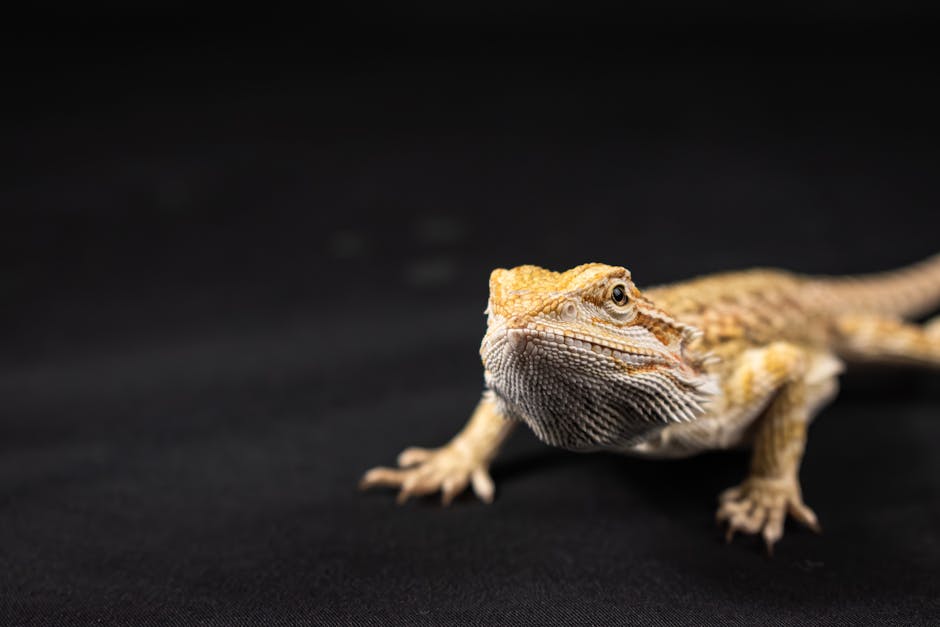
To address the pain point of ensuring proper nutrition and health for pets with specific needs, selecting the correct fixture and understanding the required intensity gradient is crucial. If you are looking for reliable guidance on these technical aspects, exploring our expertly curated Reptile collection ensures you get hardware rated for the specific needs of your species, whether it’s a desert-dwelling Bearded Dragon or a forest-dwelling Crested Gecko.
The effective distance—often referred to as the UV Index (UVI) zone—is dependent on the bulb type (mercury vapor, fluorescent tube, or compact fluorescent) and the required UVI for the species.
Crucial Placement Rule: Never place the UV source behind glass, Plexiglas, or standard window screening, as these materials filter out nearly all effective UVB rays. Always use metal mesh screens or allow direct line-of-sight.
A Step-by-Step Guide to Implementing a Dual-Spectrum Lighting Setup
For keepers struggling with the complexity of ensuring appropriate UV delivery—a common challenge when sourcing specialized habitats and accessories—following a standardized protocol minimizes risk. This checklist helps integrate the correct lighting solution tailored to your pet’s biotope requirements.
- Determine Species-Specific UVI Needs: Research the exact UVI requirements for your specific reptile species (e.g., Leopard Geckos require minimal to no direct UVB, while Chameleons require high output).
- Select Appropriate Fixture Type: Choose between T5 HO (best for distance/high output), T8 (better for moderate output/closer range), or Mercury Vapor Bulbs (MVBs, which often provide both heat and UV).
- Measure Basking Area Dimensions: Map out the primary basking zone within the enclosure. This area is where the reptile spends the majority of its time absorbing energy.
- Calculate Placement Distance: Based on the bulb type and the required UVI (from Step 1), use manufacturer specifications or established husbandry guides to set the fixture height above the mesh screen directly over the basking spot.
- Install UVA/Visual Light Source: If your primary UV source does not offer significant UVA (like some linear fluorescents), install a separate, appropriate UVA or full-spectrum basking lamp to cover the same area, ensuring the basking spot has both necessary components.
- Establish a Photoperiod: Set timers to mimic natural cycles—typically 12–14 hours of light during the summer months and 10–12 hours during winter, regardless of the season you are currently experiencing.
- Schedule Annual Bulb Replacement: UVB output degrades significantly over time, even if the bulb still produces visible light. Replace fluorescent tubes every 6–12 months based on manufacturer recommendations.
Case in Focus: The Impact of Suboptimal UV on Metabolism
Consider the case of “Sparky,” a juvenile Green Iguana whose owner sourced their equipment from a non-specialized vendor. Sparky was housed under a heat lamp and a standard, low-output fluorescent tube. While the owner believed this provided light, the UVB output was negligible, and the UVA was minimal.
Within six months, Sparky developed lethargy, reduced appetite, and noticeable softening around the jawline. This is classic presentation for Metabolic Bone Disease (MBD), a direct consequence of the reptile’s inability to process dietary calcium due to Vitamin D3 deficiency caused by insufficient UVB exposure. Immediate intervention required a switch to a high-output T5 HO UVB system, calibrated precisely 10 inches above the basking platform, coupled with high-quality calcium supplementation. This real-world example underscores why selecting reputable, high-output lighting systems, available through dedicated retailers like Talis Us, is not optional—it’s foundational reptile medical care. We stock resources, including essential care Books, that detail these specific environmental needs.
Navigating Common UV Misconceptions for Diverse Pets
When caring for exotic pets, owners often look for simple answers, but UV requirements are highly individualized. Misinformation regarding UV provision is a key source of stress for pet owners dedicated to providing premium pet products and care.
Frequently Asked Questions on Reptile Lighting Systems
Q: How often should I test the actual UVB output of my new reptile bulb? A: While regular replacement based on time (6–12 months) is standard practice, advanced keepers use a Solar Power Meter, or UVI meter, during initial setup and quarterly thereafter to confirm the lamp is producing the specified UVI at the basking distance.
Q: If my tortoise is mainly an herbivore, do I still need intense UVB? A: Yes. While diet covers nutrition, UVB is required for the fundamental process of utilizing that calcium. Tortoises, especially desert varieties, require high UVI exposure identical to Bearded Dragons for healthy shell development.
Q: Can a standard overhead bird light provide any benefit for my snake? A: No. Bird lights are optimized for avian metabolism and do not produce the necessary spectrums, particularly UVB, for reptiles. Snakes often require very low or zero direct UVB, relying instead on correct temperature gradients and appropriate feeding schedules.
Q: What is the difference between a T5 and T8 fluorescent tube for UVB? A: T5 High Output (HO) tubes run brighter, produce greater UVB penetration over greater distances (ideal for tall enclosures), and generally last longer before requiring replacement compared to the standard T8 tubes.
Q: My gecko is dark and hides all day after I installed the new light. Is it too strong? A: This is a common reaction to intense new UV exposure. If the basking distance is correct, the gecko is likely adjusting or finding a cooler spot nearby. Ensure you provide adequate shaded areas and monitor basking behavior closely for the first week to confirm comfort.
Mastering the subtleties of UVA and UVB delivery is fundamental to moving beyond simply keeping a reptile alive toward ensuring true, vibrant well-being. We understand that finding high-quality, reliable equipment for exotic pets can sometimes be challenging, which is why Talis Us is dedicated to curating only the best accessories and nutrition for your unique companions. Explore our specialized selection today and give your reptile the light environment they deserve.

Written by Talis Us



Leave a comment
This site is protected by hCaptcha and the hCaptcha Privacy Policy and Terms of Service apply.