


Best wet cat foods with high protein content and natural ingredients
Best wet cat foods with high protein content and natural ingredients
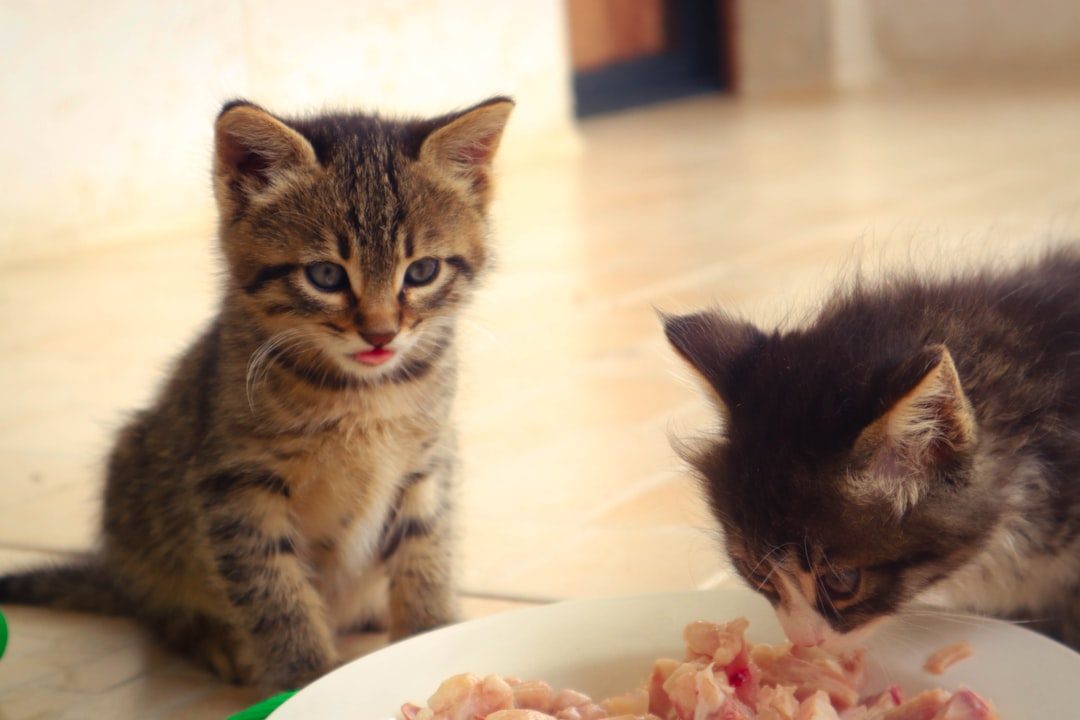
If you have ever watched your cat stalk a toy mouse or swat at a laser pointer, you have witnessed the instincts of a natural-born hunter. Domestic cats, despite their cozy indoor lifestyles, share an almost identical digestive system with their wild ancestors. They thrive on meat. Because of this, navigating the crowded pet food aisle to find the very best nutrition for your furry friend can feel overwhelming.
The secret to a long, healthy, and vibrant life for your feline companion lies in closely mimicking their ancestral diet. This is why selecting the Best wet cat foods with high protein content and natural ingredients is one of the most important decisions you can make as a pet parent.
In this comprehensive guide, we will break down the science of feline nutrition, teach you how to decode confusing pet food labels, and help you find the absolute best wet cat food to keep your kitty purring for years to come.

The Science of Feline Nutrition
Before we can identify the top dietary choices for your pet, we first need to understand their unique biology.
Why Do Cats Need High Protein Wet Food?
Have you ever wondered: why do cats need high protein wet food in the first place? The answer lies in their evolutionary history. Cats are categorized as obligate carnivores. Understanding feline obligate carnivore nutritional requirements means recognizing that cats strictly require animal-based protein to survive and thrive. Unlike dogs or humans, who can extract nutrients from plant-based sources, a cat’s liver enzymes are constantly hard-wired to process high amounts of protein for energy.
When a cat does not get enough high-quality protein, their body will literally begin breaking down its own muscle tissue to fuel itself. Animal proteins provide the essential amino acids for feline muscle maintenance, immune system health, and healthy organ function. Two of the most critical amino acids—taurine and arginine—are found naturally in animal meat. A deficiency in taurine can lead to severe heart issues and blindness, while a lack of arginine can cause a toxic buildup of ammonia in their bloodstream.
Decoding Protein Quality: Not All Meat is Created Equal
When shopping for high protein cat food, the total percentage of protein is only half the story. The quality and digestibility of that protein matter just as much.
Biological Value of Animal Proteins
The biological value of animal proteins for cats refers to how efficiently your cat's body can digest, absorb, and utilize the protein source. Eggs, chicken, beef, and fish have incredibly high biological values for cats. Plant proteins, like corn gluten meal or pea protein, have low biological values and lack the complete amino acid profiles cats require.
Identifying Premium Real Meat Ingredients
Identifying premium real meat ingredients in cat food is the first step to upgrading your cat’s diet. Look at the ingredient list. The first ingredient should always be a named, whole meat source—such as "Chicken," "Turkey," "Salmon," or "Beef." Avoid foods that list vague descriptors like "meat" or "poultry" without specifying the animal.

Are Meat By-Products Safe for Cats?
A common question among pet owners is: are meat by-products safe for cats? The term "by-product" often gets a bad reputation, but it simply refers to the parts of the animal not typically consumed by humans. Organ meats like liver, kidneys, and spleen are incredibly nutrient-dense and highly beneficial for cats!
However, the key is transparency. Named by-products (like "chicken by-products" or "beef liver") from reputable brands are generally safe and nutritious. Unnamed by-products (like generic "meat by-products") should be avoided, as their source and quality are highly questionable. Natural ingredients and whole meats are always the gold standard.
Hydration and Diet Types: Wet vs. Raw
Cats have a notoriously low thirst drive. In the wild, they consume almost all of their required water directly from their prey (which is roughly 70% to 80% water).
The Importance of Moisture Content
Because indoor cats rarely drink enough water from a bowl, the moisture content in high protein feline diets is crucial. Feeding a high-moisture wet food helps flush toxins from the kidneys, prevents urinary tract infections, and protects against painful kidney disease later in life.
Canned Cat Food vs Raw Diet Protein Levels
Many owners interested in natural diets find themselves comparing canned cat food vs raw diet protein levels.
- Raw Diets: Commercially prepared raw diets are excellent sources of natural, unprocessed protein and high moisture. They closely mimic a wild diet. However, they require careful handling to avoid bacterial contamination.
- Canned Wet Food: High-quality canned foods offer similar moisture levels (around 75-82%) and can boast equally impressive protein levels without the hygienic risks of handling raw meat. Premium canned food is highly convenient, shelf-stable, and rigorously formulated to meet complete nutritional standards.
Ultimately, both are vastly superior to dry kibble, but a premium canned or pouched wet food offers the perfect balance of exceptional nutrition, safety, and convenience.
Tailoring Protein to Your Cat's Lifestyle
Every cat is unique, and their dietary needs will shift depending on their age, activity level, and health status.

How Much Protein Does an Indoor Cat Need?
If your feline friend spends their days lounging in sunbeams, you might wonder, how much protein does an indoor cat need? Even though indoor cats are less active than barn cats, their requirement for high-quality protein remains strictly high. An adult indoor cat should consume a diet where protein makes up at least 40% to 50% of their total caloric intake (measured on a dry matter basis). High protein keeps them satiated, preserves lean muscle, and provides sustained energy without causing sugar crashes.
Weight Management and Obesity
For chunky felines, utilizing a high protein wet food for weight management is highly effective. Carbohydrates (often found in kibble) are stored as fat if not burned off immediately. High-protein, high-moisture wet food allows your cat to eat a satisfying volume of food that is lower in calories and carbs, effectively promoting healthy weight loss while maintaining lean muscle mass.
Dietary Management for Diabetic Cats
Feline diabetes is increasingly common, primarily due to high-carbohydrate dry diets. If your cat suffers from this condition, transitioning to a low carb wet cat food for diabetic cats is often the primary veterinary recommendation. High protein, naturally low-carbohydrate wet foods help stabilize blood sugar levels, and in some cases, can even push a diabetic cat into remission.
Reading the Labels Like a Pro
To find the best wet cat food high protein options, you must look past the flashy marketing on the front of the can and dive into the data on the back.
Understanding Guaranteed Analysis on Cat Food Labels
Pet food labels feature a section called the Guaranteed Analysis, which lists the minimum percentages of protein and fat, and the maximum percentages of fiber and moisture. However, because wet food contains up to 80% water, the protein percentage listed (usually around 9% to 12%) looks deceptively low compared to dry food.
To accurately compare wet food to dry food, you must calculate the protein on a "Dry Matter Basis" (DMB). Here is a quick formula:
- Subtract the moisture percentage from 100 to find the total dry matter. (e.g., 100 - 80% moisture = 20% dry matter).
- Divide the listed protein percentage by the dry matter percentage. (e.g., 10% protein / 20% dry matter = 0.50).
- Multiply by 100. (0.50 x 100 = 50% protein on a dry matter basis).
Using this calculation helps you truly identify the best wet cat food on the market based on actual nutritional density.
The Benefits of Grain-Free Wet Cat Food
When looking at natural ingredients, you will frequently see the "grain-free" label. The benefits of grain-free wet cat food are significant for obligate carnivores. Cats have no biological need for wheat, corn, soy, or rice. These ingredients are often used as cheap fillers to bulk up the food and cut manufacturing costs. Grain-free wet foods generally rely on a higher concentration of real meat to provide calories, making them naturally higher in protein and lower in carbohydrates—the exact macronutrient profile your cat requires.

Top Recommendations: Finding the Perfect Can
When searching for the ideal diet, you want a product that checks all the boxes: high animal protein, natural ingredients, high moisture, and low carbohydrates.
While the "perfect" food depends on your individual cat's tastes and any specific health conditions, here are the characteristics you should look for when choosing among top-rated human-grade cat food brands and premium commercial lines:
- Human-Grade Ingredients: Brands like Smalls, The Honest Kitchen, and Nom Nom utilize ingredients fit for human consumption. These top-rated human-grade cat food brands ensure that the meats are of the highest quality, gently cooked to preserve nutrients, and free from feed-grade sweepings.
- Shredded Muscle Meat: Brands that feature visibly shredded chicken breast, flaked salmon, or whole prawns (such as Tiki Cat or Weruva) make it incredibly easy to verify that you are feeding real meat.
- Pâtés with Organ Meat: Pâté styles are excellent because they are usually naturally lower in carbs than chunks-in-gravy styles (which often use starches to thicken the gravy). Look for pâtés that feature a muscle meat as the first ingredient, followed closely by a nutrient-dense organ meat like liver.
By focusing on these parameters, you ensure you are providing a top-tier high protein cat food packed with the natural ingredients your cat's body craves.
Making the Switch: A Step-by-Step Guide
Cats are notorious creatures of habit. If your cat has been eating dry kibble or a lower-quality wet food their entire life, suddenly swapping their bowl for a new premium food can lead to a hunger strike or an upset stomach.
Transitioning your cat to a natural high protein diet requires patience and a systematic approach. Follow this 7-day transition guide for the best results:
- Days 1-2: Mix 25% of the new high-protein wet food with 75% of their old food.
- Days 3-4: Serve a 50/50 mix of the old and new food.
- Days 5-6: Offer 75% of the new high-protein wet food and 25% of the old food.
- Day 7: Serve 100% of the new premium wet food.
Actionable Tips for Picky Eaters
If your cat turns their nose up during the transition, try these expert tips:
- Warm it up: Gently warm the wet food (do not use a microwave, or if you do, stir thoroughly to avoid hot spots) to body temperature. This enhances the aroma of the natural meats.
- Add a topper: Sprinkle a tiny amount of nutritional yeast, crushed freeze-dried chicken treats, or a splash of low-sodium bone broth over the new food to entice them.
- Establish meal times: Avoid free-feeding. Leave the food down for 30 minutes. If they don't eat it, pick it up and offer it again at the next scheduled meal time. A slightly hungry cat is more willing to try new things.

Conclusion
Feeding your cat a biologically appropriate diet is the most profound way you can impact their health, longevity, and everyday happiness. By respecting their nature as obligate carnivores and prioritizing the Best wet cat foods with high protein content and natural ingredients, you are protecting their kidneys with vital moisture, supporting their muscles with premium amino acids, and guarding against obesity and diabetes by cutting out unnecessary carbohydrates.
Take the time to read the labels, calculate the dry matter protein, and look for whole, named meat ingredients. Transitioning to a high-quality wet food might cost a little more upfront, but it is an investment that pays massive dividends in the form of fewer vet bills, a softer coat, boundless energy, and many more happy years spent cuddling with your favorite feline.

Written by Talis Us


Leave a comment
This site is protected by hCaptcha and the hCaptcha Privacy Policy and Terms of Service apply.