


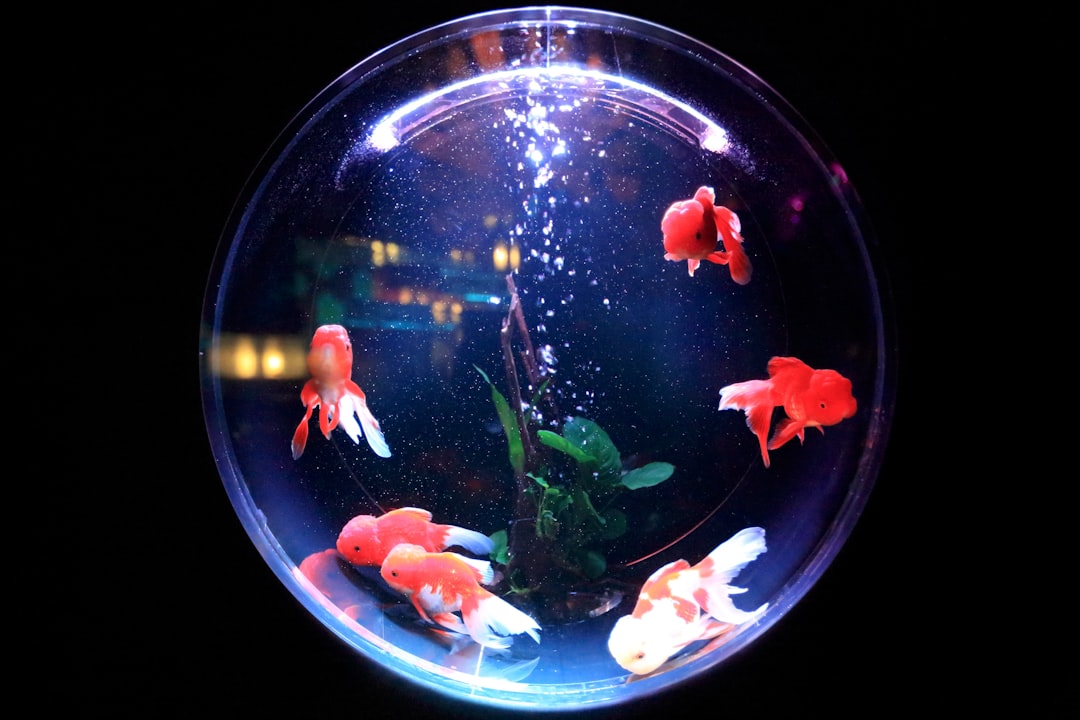
Best algae scraper for glass tanks
best algae scraper for glass tanks
Every aquarium enthusiast knows the feeling: you set up a beautiful aquascape, your water parameters are perfect, and your fish are thriving. Then, seemingly overnight, a hazy green or brown film begins to coat your pristine glass panels. Algae is an unavoidable part of owning an aquarium, but letting it ruin your view doesn’t have to be. To maintain a crystal-clear view of your underwater world, finding the best algae scraper for glass tanks is absolutely essential.
Whether you are dealing with a light dusting of brown diatoms, stubborn green spots, or crusty marine coralline algae, the right tools can cut your cleaning time in half. In this comprehensive guide, we will dive deep into the world of fish tank maintenance, reviewing the top tools on the market, comparing materials, and giving you actionable advice to keep your tank sparkling without damaging your glass.

Why Proper Algae Removal is Crucial for Fish Tank Maintenance
Algae growth is a natural biological process driven by light and nutrients (like nitrates and phosphates) in your aquarium water. While a small amount of algae is normal and can even be a snack for certain fish and invertebrates, uncontrolled growth blocks light from reaching your live plants and obscures your view of your aquatic pets.
Routine glass cleaning is a cornerstone of proper fish tank maintenance. Allowing algae to build up over weeks or months makes it exponentially harder to remove later. By incorporating glass scraping into your weekly water change routine, you ensure that your aquatic ecosystem remains healthy, beautiful, and easy to monitor.
However, using the wrong tools can lead to disaster. Many beginners reach for household sponges or generic scrapers that can leave permanent, unsightly scratches on expensive glass tanks. This is why investing in dedicated aquarium cleaning supplies is paramount.
Understanding Your Tools: Magnetic vs Handheld Aquarium Scrapers
When shopping for the best algae scraper for glass tanks, you will primarily choose between two distinct designs: magnetic cleaners and handheld scrapers. Understanding the difference will help you build the perfect cleaning arsenal.
Magnetic Aquarium Cleaners
Magnetic cleaners consist of two halves: a rough scrubbing pad that goes inside the tank, and a soft, felt-covered handle that sits on the outside of the glass. Powerful neodymium magnets hold the two pieces together through the glass. As you move the outside handle, the inside scrubber follows, wiping away algae without you ever having to get your hands wet.
Pros:
- Keeps your hands and arms dry.
- Ideal for quick, daily wipe-downs of soft algae.
- Many modern designs feature a floating magnetic aquarium cleaner mechanism, meaning if the inner half detaches, it floats to the top rather than sinking into the substrate (where it could pick up glass-scratching sand).
Cons:
- Can struggle with very hard, calcified algae.
- If you get too close to a sand substrate, a stray grain of sand can get trapped in the pad and scratch the glass.
Handheld Aquarium Scrapers
Handheld scrapers look similar to razors on a stick. They consist of a handle (ranging from a few inches to several feet long) with a flat blade or pad at the end. You manually reach into the tank and scrape the glass in up-and-down motions.
Pros:
- Provides maximum leverage and pressure for stubborn algae.
- Allows for precise cleaning near the substrate without trapping sand.
- A long handle algae scraper for deep tanks allows you to reach the very bottom of large setups without submerging your entire arm.
Cons:
- Requires getting your hands or arms wet.
- Can be tricky to maneuver around elaborate hardscapes or dense plant growth.

Blade Materials: Stainless Steel vs Plastic Scraper Blades
If you opt for a handheld scraper—or a hybrid magnetic cleaner that includes a scraper attachment—you will need to choose the blade material. The debate of stainless steel vs plastic scraper blades is common among aquarists, and the right choice depends entirely on your tank material and the type of algae you are fighting.
Stainless Steel Blades
A stainless steel scraper for glass fish tanks is the ultimate weapon against tough algae. These blades are incredibly sharp and rigid, allowing them to slice under hard algae deposits with ease. Because glass is harder than steel, a flat, properly angled stainless steel blade will not scratch a glass aquarium.
Note: Never use stainless steel blades on acrylic tanks, as acrylic is much softer and will scratch instantly.
Plastic Blades
Plastic blades are slightly softer and more flexible. They are the go-to choice for acrylic aquariums but are also widely used on glass tanks for moderate algae issues. While they won't cut through calcified algae as effortlessly as steel, they are incredibly safe to use and carry almost zero risk of scratching glass, even if you apply pressure at an awkward angle.
Top Recommendations: Magnetic Aquarium Cleaner Reviews
To help you find the best algae scraper for glass tanks, we have evaluated some of the top-performing products on the market.
1. The Flipper Max: The Ultimate Hybrid
When looking at the Flipper Max aquarium cleaner vs alternatives, the Flipper almost always comes out on top for glass tanks. This ingenious magnetic cleaner features a dual-sided design. One side features a standard scrubbing pad, but by quickly rotating the outer handle, the inner magnet "flips" around to reveal a stainless steel scraper blade.
- Best for: Aquarists who want the dry-hands convenience of a magnet with the scraping power of a metal blade.
- Key Feature: The ultra-low profile allows for cleaning hard to reach aquarium glass surfaces behind filter intakes and hardscape.
2. Mag-Float Glass Floating Magnetic Cleaner
The Mag-Float is an industry classic. It is a highly reliable floating magnetic aquarium cleaner that makes daily maintenance a breeze. If the inner magnet disconnects, it bobs straight to the surface.
- Best for: Daily or weekly wipe-downs of soft brown and green dust algae.
- Key Feature: High buoyancy prevents substrate-related glass scratches.
3. Continuum Aquatics AquaBlade (Long Handled)
For those with massive aquariums, the Continuum AquaBlade is an exceptional long handle algae scraper for deep tanks. Available in various lengths, it features interchangeable blades (both plastic and stainless steel) housed in a sturdy fiberglass handle.
- Best for: Deep tanks where reaching the bottom is a chore.
- Key Feature: Unmatched leverage and a wide blade for fast cleaning of large surface areas.

Tackling the Tough Stuff: Specialized Algae Scenarios
Even with a great weekly maintenance routine, certain types of algae can test your patience. Here is how to handle the most frustrating aquatic invaders.
How to Clean Green Spot Algae from Glass
Green Spot Algae (GSA) manifests as tiny, hard, circular green dots on the glass. Unlike soft green dust algae, GSA bonds tightly to the glass surface. A standard magnetic pad will usually just glide right over it.
To learn how to clean green spot algae from glass effectively, you must utilize a rigid blade. A stainless steel scraper for glass fish tanks is your best bet here. Hold the blade at a 45-degree angle to the glass and apply firm, even pressure, pushing downward. The blade will shear the hard algae spots right off the glass. If you prefer not to use metal, an old plastic credit card or a specialized rigid plastic scraper can work, though it will require much more elbow grease.
Coralline Algae Removal Tools
For saltwater reef aquarists, pink and purple coralline algae is often a sign of a healthy tank—until it starts growing on the front viewing panel. Coralline is heavily calcified and feels like cement.
Standard scrubbing pads for glass aquariums are entirely useless against coralline. You need specialized coralline algae removal tools. The Flipper Max equipped with its stainless steel blade is excellent for this. Alternatively, a handheld razor scraper with a fresh, rust-free stainless steel blade will shave coralline off the glass cleanly in long strips.
Removing Stubborn Algae from Aquarium Corners
Corners are the Achilles' heel of many scrapers. The silicone seals holding your tank together are delicate, and running a sharp steel blade into the corner can slice the silicone, leading to catastrophic leaks.
When removing stubborn algae from aquarium corners, abandon the steel blade. Instead, use a toothbrush or a dedicated corner sponge on a stick. Many aquarists invest in a multi-tool aquarium maintenance kit that comes with interchangeable heads, including right-angled sponges designed specifically to clean corners gently without threatening the structural integrity of the silicone seals.
Cleaning Hard to Reach Aquarium Glass Surfaces
Tanks with intricate hardscapes (like large pieces of driftwood or elaborate rock caves) often have glass areas that are partially blocked. For cleaning hard to reach aquarium glass surfaces, a low-profile scraper is required. Small razor scrapers on thin, flexible handles can slide behind rocks. Alternatively, a small piece of filter floss held in a pair of long aquascaping tweezers can act as a makeshift scrubber for incredibly tight gaps.

Will Aquarium Scrapers Scratch Glass?
One of the most common anxieties among hobbyists is: will aquarium scrapers scratch glass?
The short answer is: Scrapers don't scratch glass; user error and trapped sand do. Glass is a remarkably hard material. A flat plastic or stainless steel blade will not scratch it. However, if a grain of quartz sand or gravel gets caught between your scraper (especially magnetic scrubbing pads) and the glass, dragging it across the viewing panel will leave a deep, permanent gouge.
How to Prevent Scratches:
- Mind the Substrate Line: Never take a magnetic cleaner all the way down into the sand. Stop an inch above the substrate. Use a handheld plastic blade to clean the very bottom edge.
- Inspect Your Pads: Before using scrubbing pads for glass aquariums, run your fingers over them to ensure no hard particles are trapped in the fibers.
- Use Flat Blades Correctly: Always ensure the entire edge of a metal blade is flush against the glass. Digging the sharp corner of a blade into the glass can cause micro-scratches.
- Replace Dull Blades: A dull blade forces you to press harder, increasing the risk of slipping or angling the tool incorrectly. Replace metal blades as soon as they show signs of dulling or rust.
Step by Step Guide to Cleaning Aquarium Glass
To maximize the effectiveness of your aquarium cleaning supplies and keep your tank looking pristine, follow this step by step guide to cleaning aquarium glass:
Step 1: Gather Your Supplies Assemble your tools before you begin. You will need your primary magnetic cleaner, a handheld scraper with a stainless steel blade (for tough spots), a towel for drips, and a multi-tool aquarium maintenance kit if you need to reach corners.
Step 2: Start with the Magnet Begin with your magnetic cleaner. Start at the top of the tank and work your way down in overlapping horizontal strokes, similar to mowing a lawn. This will easily remove the soft diatoms and green dust algae. Remember to stop about an inch above the substrate.
Step 3: Target the Stubborn Spots Once the soft algae is gone, you will easily see any remaining green spot algae or calcified deposits. Take your handheld stainless steel scraper, hold it at a 45-degree angle, and gently push down over the stubborn spots until the glass is smooth.
Step 4: Clean the Substrate Line Using a plastic handheld scraper (to avoid scratching if you hit a grain of sand), carefully push the scraper down into the substrate line, moving parallel to the gravel to clean the bottom inch of the glass.
Step 5: Detail the Corners Use a soft corner sponge or a clean toothbrush to gently wipe away algae buildup near the silicone seams. Never use a sharp blade near the corners!
Step 6: Final Wipe Down (Exterior) Algae isn't the only thing that ruins the view; water spots and fingerprints do, too. Spray aquarium-safe glass cleaner (or a 50/50 mix of white vinegar and water) onto a microfiber cloth, and wipe the outside of the glass until it shines. Never spray chemicals directly onto or near the aquarium water.

Maintaining Your Algae Scrapers
Even the best algae scraper for glass tanks needs a little TLC to ensure longevity.
- Rinse After Use: Always rinse your handheld scrapers and magnetic pads in fresh tap water after use. This is especially vital for saltwater tanks, as salt will quickly corrode metal parts and degrade plastic.
- Dry Metal Blades: If you use a stainless steel blade, dry it thoroughly with a towel before storing it. Even "stainless" steel can develop surface rust if left wet in a high-humidity environment.
- Store Magnets Carefully: Store magnetic cleaners with a piece of cardboard or plastic between the two halves. Letting the strong neodymium magnets snap together directly can damage the scrubbing pads or pinch your fingers.
Conclusion
A vibrant, healthy aquarium is a living piece of art, but it can only be fully appreciated through spotless, crystal-clear glass. While algae is an inevitable part of the hobby, it doesn't have to be a source of stress. By choosing the best algae scraper for glass tanks—whether that is a high-tech floating magnetic cleaner, a heavy-duty stainless steel razor, or a versatile multi-tool kit—you can take the hassle out of your fish tank maintenance.
Remember to pair the right tool with the right type of algae, stay mindful of your substrate to prevent scratches, and incorporate glass cleaning into your regular maintenance routine. Armed with the right knowledge and aquarium cleaning supplies, you can spend less time scrubbing and more time enjoying the beautiful underwater world you have created.

Written by Talis Us




Leave a comment
This site is protected by hCaptcha and the hCaptcha Privacy Policy and Terms of Service apply.