


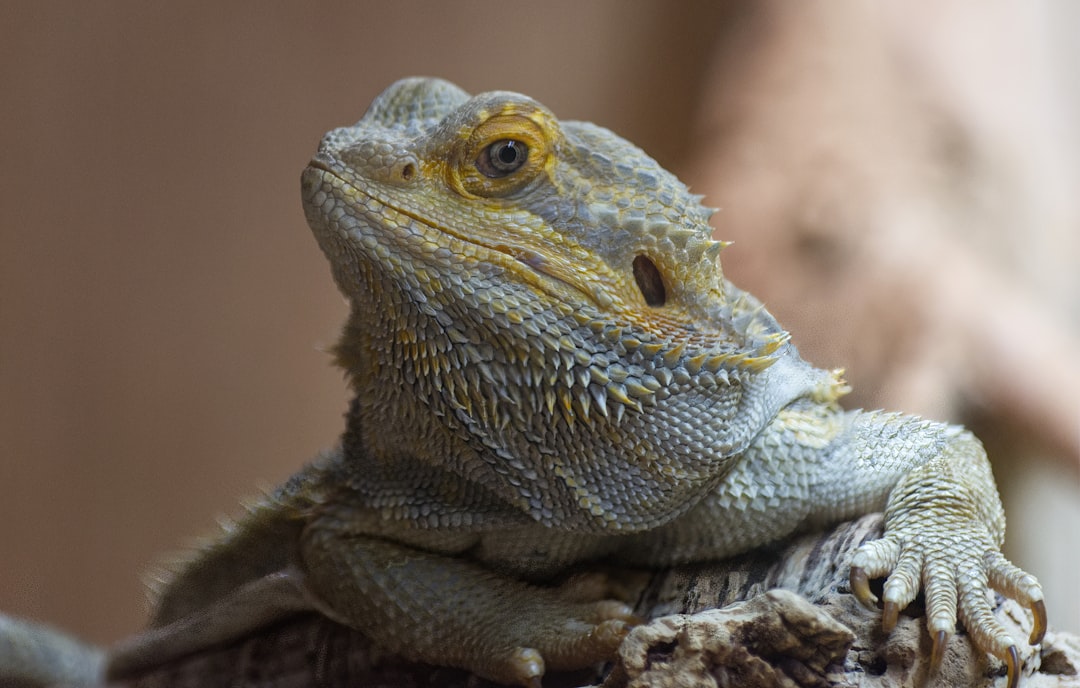
Bearded Dragon Vivarium Setup: Ultimate Care Guide
Essential Guide to Bearded Dragon Vivarium Setup
Bringing home your first reptile is an exciting milestone, but standing in a pet store aisle full of heat lamps and glass tanks can feel completely overwhelming. You might be wondering about the difference between a basic terrarium and a true vivarium. While a terrarium is simply a decorative glass box for plants or small pets, a vivarium functions as a complete biological life-support system. It physically recreates the harsh, sunny Australian outback right in your living room.
According to experienced reptile veterinarians, grabbing a standard 20-gallon "starter kit" off the shelf is usually a costly mistake. Those generic boxes rarely provide enough space or the correct lighting to keep a growing lizard healthy. Mastering your bearded dragon vivarium set up is directly linked to your pet's longevity, because the right lighting and heat prevent severe bone and digestive illnesses. Instead of wasting money on a tiny enclosure you will replace in six months, investing in an adult-sized tank from day one saves stress and cash.
Think of this space using the "Home Environment" mental model rather than viewing it as a single cage. Just like your house has different rooms for different activities, a successful bearded dragon habitat requires specific zones. Your lizard needs a hot "sunroom" for basking and digesting food, alongside a cooler "bedroom" area where they can retreat when they get too warm.
Navigating proper bearded dragon care does not have to involve complex engineering or specialized degrees. By understanding how these different climate zones work together, you can easily build a safe, engaging home that helps your new companion thrive.

Choosing Your Dragon’s First Home: Why 120 Gallons is the Magic Number
Since you already know your hatchling will stretch into a 24-inch lizard, planning their permanent space is your first big step. When asking exactly how many gallons for an adult bearded dragon you need, veterinarians agree 120 gallons is the magic number. Meeting basic bearded dragon enclosure size requirements (a footprint of 4 feet long by 2 feet wide) gives them the essential floor space to fully turn around without bending their spine.
Purchasing a small starter kit seems easy, but skipping the baby tank saves you over $200. By investing in their adult home from day one, you only buy a habitat once. These larger homes also typically feature front-opening doors rather than top screens. Reaching in from the front makes feeding simple and feels far less threatening to your pet—like a friend walking through the door, rather than a predator swooping down from the sky.
The material you choose for this habitat depends heavily on your own living room's average temperature. When weighing a glass terrarium vs wooden vivarium or modern PVC option, consider your home's climate:
- Glass Terrariums: Easy to find but lose heat fast, making them best for naturally warm houses.
- Wooden and PVC Vivariums: Excellent at trapping heat, which keeps temperatures stable and lowers your electricity bills in colder climates.
Picking a spacious, well-insulated shell makes controlling the internal climate completely effortless. With the right foundation chosen, establishing a dual-zone temperature gradient becomes the next essential life-support step.

The 'Sunroom' Strategy: Setting Up a Dual-Zone Temperature Gradient
Because bearded dragons are cold-blooded, they cannot sweat or shiver to control their internal body heat. Instead, they rely on a daily behavior called thermoregulation, moving back and forth between warm and cool areas to stay comfortable. Think of their new tank like a house with a blazing hot sunroom on one end and a breezy, shaded bedroom on the other.
Creating this environment requires a dual-zone temperature gradient setup. By placing all your heating lamps on one extreme side of the enclosure, you naturally create a "hot zone" that gradually fades into a "cool zone" on the opposite end. This freedom to choose is vital for survival, as your dragon must absorb high heat to kickstart their digestion after eating, but they also need a cooler retreat to prevent dangerous overheating.
Hitting the right numbers ensures your pet stays active, properly digests their food, and feels secure. Aim for these specific ambient and surface targets using a reliable digital thermometer:
- Basking Surface: 100°F to 105°F (the ideal bearded dragon basking spot temperature for adults).
- Hot Side Air: 90°F to 95°F.
- Cool Side Air: 75°F to 80°F.
Wild dragons absorb radiant heat pouring down from the sun above them, rather than absorbing convection heat from the ground up. Because reptiles cannot sense heat well through their stomachs, avoid "hot rocks" or under-tank heat mats, which are notorious for causing severe belly burns. Always use overhead heating fixtures; depending on how cold your living room gets, you might research a ceramic heat emitter vs mercury vapor bulb to maintain proper warmth safely from above.
Mastering this physical temperature balance gives your pet the energy they need to thrive in their new home. However, heat alone is only half of the artificial sun you are building; the other half is a specialized light that acts as an essential, life-saving supplement.
Installing the 'Invisible Vitamin': The Critical Rules of UVB Lighting
While your heat lamp provides vital digestive energy, it completely lacks the "invisible vitamin" your bearded dragon needs to survive: UVB light. Wild dragons absorb these specific rays from the sun to process calcium from their diet. Without a dedicated artificial UVB source in their tank, their bones will rapidly soften into a painful, preventable condition known as Metabolic Bone Disease (MBD).
Pet store aisles are packed with confusing lighting options, but you only need a linear tube, avoiding the weak coil bulbs entirely. The modern gold standard is a T5 HO (High Output) bulb, which pushes beneficial rays much further down into the tank than older, weaker T8 models. Position this tube directly alongside your overhead heat lamp to build a natural photo-gradient, ensuring the warm side remains brightly illuminated while the cool zone stays comfortably shaded.
To figure out exactly how to install UVB lighting for reptiles safely, follow this simple three-step setup checklist:
- Pick Desert Strength: Select a bulb specifically rated at 10% or 12% UVB to properly replicate the harsh Australian sun.
- Account for the Mesh: Standard screen lids block up to 30% of these essential rays. If you are resting a T5 fixture on top of the screen lid, ensure the highest basking branch is 12 to 15 inches below it; otherwise, mount the fixture securely inside the glass.
- Automate the Cycle: Plug your lights into a basic outlet timer set for 12 hours on and 12 hours off to mimic a natural day.
Proper illumination sits at the absolute core of successful bearded dragon care. Building strong bones and an active metabolism keeps their digestive tract moving smoothly, serving as your first line of defense in preventing impaction. With the artificial climate perfected, protecting your dragon's digestive tract from the ground up requires choosing a safe substrate.
Picking a Floor That Won’t Kill Your Dragon: Safe Substrates vs. Dangerous 'Sand'
Because bearded dragons often drag their food across the ground before swallowing, your flooring choice is a matter of life and death. When a lizard accidentally eats loose bedding like crushed walnut shells or wood chips, their digestive tract can become completely blocked. This dangerous, life-threatening traffic jam is called impaction. Herpetologists cite preventing this condition as the absolute most important reason to avoid loose ground cover for new setups.
Walking down the reptile aisle, you will undoubtedly see bags of "calcium sand" claiming to be fully digestible. Unfortunately, this material actually clumps together like cement when wet, creating the exact stomach blockages you want to avoid. Instead of these risky sands, smart keepers use solid surfaces like non-adhesive shelf liner. This cheap, grippy material prevents your lizard from slipping and turns daily cleanup into a quick five-minute wipe-down rather than a dusty chore.
Matching the floor to your dragon's life stage provides an extra layer of safety. Because babies are notoriously clumsy eaters, simple paper towels are widely considered the best substrate for juvenile bearded dragons. They are incredibly sanitary, easy to swap out, and eliminate any chance of accidental swallowing. Once your pet reaches adulthood and refines its hunting skills, rough slate tile offers a beautiful, permanent upgrade that naturally files down their sharp claws.
While experienced owners sometimes upgrade healthy adult enclosures by creating a bioactive desert habitat using specialized dirt mixtures, solid flooring remains the absolute safest starting point. With a clean, risk-free foundation securely laid, proper interior design provides hiding spots, climbing branches, and essential safety.
Interior Design for Lizards: Hiding Spots, Climbing Branches, and Safety
Turning a glass box into a home requires furniture that supports your pet's mental health. Without a retreat, bearded dragons experience chronic stress, feeling constantly exposed to invisible predators. Providing a sturdy hide-box gives your lizard a secure "bedroom" where they can decompress. Position this sanctuary on the cooler side of the tank so they can feel completely safe without accidentally overheating while they nap.
To maximize the spacious 4x2x2 foot volume, you should build upward using sturdy branches. This encourages natural exercise and lets your dragon control their body temperature by climbing closer to the heat lamp. However, when selecting safe decor for bearded dragon tanks, you must avoid toxic woods like pine or cedar, which emit harmful respiratory resins. Stick to reptile-safe grapewood or cork bark, ensuring the branches are wide enough to support their belly without trapping tiny toes in tight crevices.
Keep your habitat both enriching and easily manageable by following this Essential Furniture Checklist:
- The Hide: A dark, enclosed cave on the cool side.
- The Basking Rock: A flat, heat-absorbing platform placed directly under the warmth.
- The Branch: A thick, smooth log for climbing.
When the time comes for cleaning and disinfecting reptile enclosures, these three basic items are easily removed, scrubbed with hot soapy water, and dried to eliminate harmful bacteria.
With hiding spots and climbing branches securely positioned, your pet's habitat is physically safe and ready for move-in day. Verifying these beautifully arranged zones function at the right temperatures requires precision monitoring and maintenance.
Reading Your Dragon's Mind: Precision Monitoring and Maintenance
Guessing your tank's temperature by feeling the glass is a recipe for disaster. To achieve 99% accuracy, you must master proper digital hygrometer and thermometer placement. Those cheap, stick-on dials only measure the cool ambient air against the glass, not the actual surface where your lizard sits. Instead, you need a digital thermometer with a wired sensor, placing that probe directly onto the basking rock to see exactly what your pet feels.
Moisture control is just as critical as heat for your new pet's health. Hygrometry is simply the practice of measuring humidity in the air, and keeping this number low is exactly how you prevent respiratory infections. The ideal humidity levels for desert lizards should safely hover between 30% and 40%. If your digital sensor reads higher than 50%, you can easily fix this by increasing room ventilation or using a smaller water bowl.
Once your climate is perfectly dialed in, protecting your pet requires a simple 10-minute daily routine. Consistent cleaning and disinfecting reptile enclosures stops harmful bacterial buildup before it ever starts. Keep your habitat fresh by following this manageable schedule:
- Daily: Scoop out waste, remove uneaten insects, and provide fresh water.
- Weekly: Wipe down soiled rocks and glass with a reptile-safe cleaner.
- Monthly: Remove all furniture for a deep scrub and completely replace the bedding.
Watching these gauges and maintaining this quick hygiene habit guarantees your dragon's home remains a safe, comfortable oasis. With the life-support systems and furniture functioning perfectly, a final success plan guarantees a smooth transition.

The 30-Day Success Plan: Your Final Setup Checklist and Beyond
You’ve transformed an empty tank into a thriving micro-climate. With your bearded dragon vivarium set up complete, you have secured the proper lighting, structural needs, and temperatures required for long-term health.
Evaluate your new companion's comfort using this 'First 24-Hours' Sanity Checklist:
- Thermostat check: Is the basking spot reading roughly 100°F?
- Lighting check: Are the UVB and heat lamps overlapping perfectly?
- Active Dragon metric: Is your pet alert, eating, and voluntarily moving between the hot and cool zones?
Excellent bearded dragon care starts with this reliable foundation. You now understand thermoregulation well enough to keep your new pet safe and happy for years to come. Your vivarium isn't just a glass box anymore; it's a personalized, carefully monitored slice of the Australian outback. Enjoy watching your dragon thrive in the optimal environment you've built.

Written by Talis Us


Leave a comment
This site is protected by hCaptcha and the hCaptcha Privacy Policy and Terms of Service apply.