


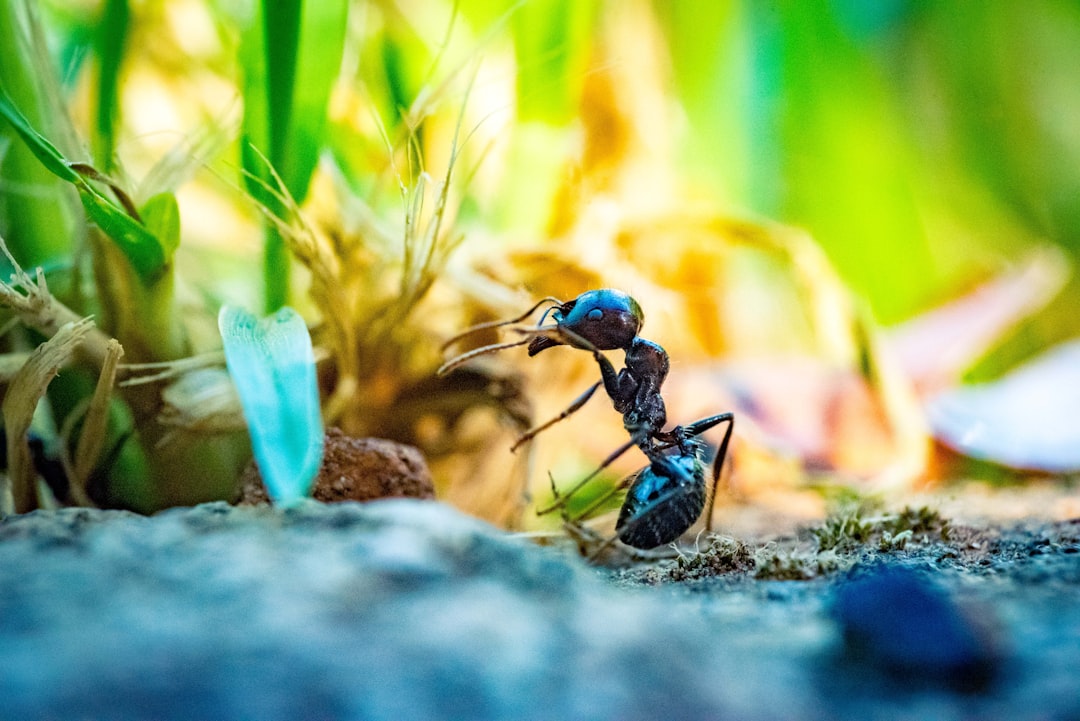
ANTCUBE Starter Set M – Perfect Ant Colony Kit
Welcome to the fascinating hobby of ant keeping! Whether you are a nature enthusiast looking for a new pet or a curious observer eager to watch complex social structures unfold in your living room, stepping into the world of myrmecology is a rewarding journey. One of the most critical decisions you will make as a beginner is selecting the right habitat. If you want a setup that balances aesthetics, functionality, and professional-grade quality, the ANTCUBE Starter Set M – 20×20cm – Combi - Talis Us is an exceptional choice.
This premium ant colony starter kit integrates the nesting area and the foraging arena into one sleek, glass unit. Let’s dive deep into everything you need to know about setting up, maintaining, and thriving with this fantastic formicarium.

Why Choose the ANTCUBE Combi Starter Set M?
When entering the hobby, choosing the right formicarium size for ants is vital. If a nest is too large, the ants may use the extra space as a garbage dump, leading to mold. If it is too small, the colony’s growth is stunted. The "Medium" (M) sizing of this ANTCUBE setup is an ideal sweet spot for moderately sized ant species.
Material Matters: Glass vs. Acrylic
When evaluating glass vs acrylic ant farm durability, glass is the clear winner for long-term investments. Acrylic enclosures can scratch easily during cleaning and often warp over time. In contrast, the benefits of glass formicarium kits include perfect optical clarity for photography, superior scratch resistance, and an elegant, professional look. The ANTCUBE Combi is built with high-quality glass, ensuring your habitat remains pristine for years.
Ideal Inhabitants
What are the best ant species for medium starter kits? Medium-sized ants like Lasius niger or Formica species thrive perfectly here. It also functions beautifully as a carpenter ant formicarium for smaller Camponotus founding colonies, though they may eventually require a larger setup as their numbers swell. Additionally, if you are interested in seed-gatherers, this enclosure is well-suited for keeping harvester ants for ant farm setups, provided you keep their seeds dry to prevent sprouting.
Essential Preparation and Setup
Before your six-legged pets arrive, you need to prepare their home. Here is a quick beginner ant keeping equipment checklist to ensure you have everything ready:
- The ANTCUBE Combi enclosure
- Substrate (usually a sand/loam mixture)
- Escape prevention barrier (PTFE/fluon, talcum powder, or baby oil)
- Tweezers and a soft-bristled brush
- Pipette or syringe for hydration
- Feeding dishes and liquid feeders
- Thermometer/hygrometer
Setting Up Your Formicarium
If you are wondering how to set up a combi formicarium, the process is straightforward but requires care.
Following the basic assembly instructions for combi ant habitats, start by adding your substrate to the nesting section. For the foraging arena, you can get creative. Learning how to make an ant terrarium visually appealing involves naturalistic ant farm landscape design. Add a thin layer of sand to the arena floor, and decorate with sterilized pebbles, small pieces of driftwood, or dried leaves. This not only looks beautiful but provides environmental enrichment for your foraging workers.

Sourcing Your Ants
With the beautiful ant terrarium prepared, it is time to populate it.
Finding a Colony
Many beginners ask, "how do you find an ants nest in the wild?" Look under stones, inside rotting logs, or along the edges of pavement. However, digging up an established wild nest is strongly discouraged, as it often results in the death of the queen and destroys the local ecosystem.
Instead, if you want to know how to catch ants for ant farm ethically, the best method is to catch a newly mated queen during a "nuptial flight" (usually on warm, humid days after a rainstorm in spring or summer). Place her in a test tube setup until she raises her first workers, then move them into your ANTCUBE. Alternatively, purchasing a captive-bred queen with workers from a reputable dealer like Talis Us is the easiest route.
The Queen Myth
A common question among absolute beginners is how to start an ant colony without a queen. The blunt truth is: you cannot start a permanent colony without one. While you can collect wild workers and place them in your farm to watch them dig and forage, they will slowly die off from old age within a few months. Without a reproductive queen to lay eggs, the colony has no future. For a true, long-lasting pet, a queen is strictly mandatory.
Replicating Nature: Digging and Building
Once introduced to the ANTCUBE, the ants will begin excavating the sand-loam mix in the nesting area. Watching this process is arguably the best part of the hobby.
Have you ever wondered how do ants build an ant hill? In nature, worker ants systematically remove soil grain by grain, using their mandibles to carry the dirt to the surface. They mix the soil with their saliva to create sturdy, architectural arches and tunnels that maintain a stable microclimate underground. You will witness this exact behavior through the glass of your formicarium as they architect their new home.

Climate Control: Humidity, Lighting, and Airflow
Ants are highly sensitive to their environment. Keeping them alive requires replicating the subterranean conditions they are used to.
Hydration and Humidity
Maintaining humidity in all-in-one ant farms is a delicate balancing act. The nesting area must be kept moist so the developing brood (eggs, larvae, and pupae) does not dry out, while the foraging arena should remain dry to prevent food from spoiling.
Proper ant farm substrate hydration techniques involve using a pipette to slowly drip water into the nesting soil. The sand-loam mix in the ANTCUBE will naturally wick the moisture through the nest. Always leave a dry gradient within the nest—this allows the ants to move their brood to the perfect microclimate depending on their current needs.
Airflow and Mold Prevention
A stagnant environment is a death sentence for an ant colony. Effective ant farm ventilation for mold prevention is critical. The ANTCUBE Combi usually features a ventilated lid with fine mesh. Ensure this mesh remains unobstructed. If you notice condensation constantly building up on the glass, you are over-hydrating, and the lack of airflow could soon lead to a mold outbreak.
Placement and Lighting
A proper formicarium placement and lighting guide dictates that your ant farm should be kept away from direct sunlight. Direct sun will act like a magnifying glass, rapidly overheating the glass enclosure and cooking the colony. Place the ANTCUBE in a quiet, temperature-stable room. While the foraging arena can be exposed to normal room lighting, it is highly recommended to cover the nesting section with red translucent foil or a dark piece of cardboard. Ants cannot see red light well, so this makes them feel safely hidden underground while allowing you to observe them.
Maintenance and Long-Term Care
Ants are relatively low-maintenance pets, but they do require routine care to stay healthy and contained.
Escape Prevention
No one wants their pets wandering the kitchen counters. Preventing ant escapes from glass formicariums requires applying a barrier to the upper inner rim of the foraging arena. PTFE (fluon) is a popular liquid that dries into a slippery white film that ants cannot climb. Talcum powder mixed with rubbing alcohol (which evaporates, leaving a powder barrier) is another excellent alternative. Because the ANTCUBE is glass, these barriers apply very smoothly and are highly effective.
Keeping It Clean
Cleaning an integrated ant nest and arena requires a gentle touch. Ants will designate a specific corner of the arena as their "trash pile" (midden). Use your tweezers to regularly remove discarded insect parts, uneaten food, and dead workers. If you used a naturalistic design, spot-cleaning is easy. A clean arena prevents mites and bacterial infections from threatening your colony.
Expanding the Empire
If you provide optimal heat, food, and peace, your colony will grow exponentially. One of the greatest features of modular setups is future-proofing. When your colony outgrows the Combi unit, you don't need to throw it away. Expanding ant colony habitat with modules is incredibly simple with the ANTCUBE system. Using standard tubing, you can connect the external ports of your current setup to additional nesting blocks or larger outworlds, creating a sprawling, multi-chambered empire across your desk.
Final Thoughts
The ANTCUBE Starter Set M – 20×20cm – Combi - Talis Us is far more than just a toy; it is a serious, high-quality piece of biological equipment that brings the hidden world of nature right into your home. By understanding the basics of hydration, escape prevention, and species selection, you can provide a thriving environment for your tiny architects.
Whether you are marveling at how they construct their intricate tunnel systems or watching them coordinate a complex foraging mission, ant keeping offers an unparalleled window into the incredible lives of one of the planet's most successful species. Gather your equipment, secure your queen, and get ready to be mesmerized by your very own thriving ant colony!

Written by Talis Us


Leave a comment
This site is protected by hCaptcha and the hCaptcha Privacy Policy and Terms of Service apply.