


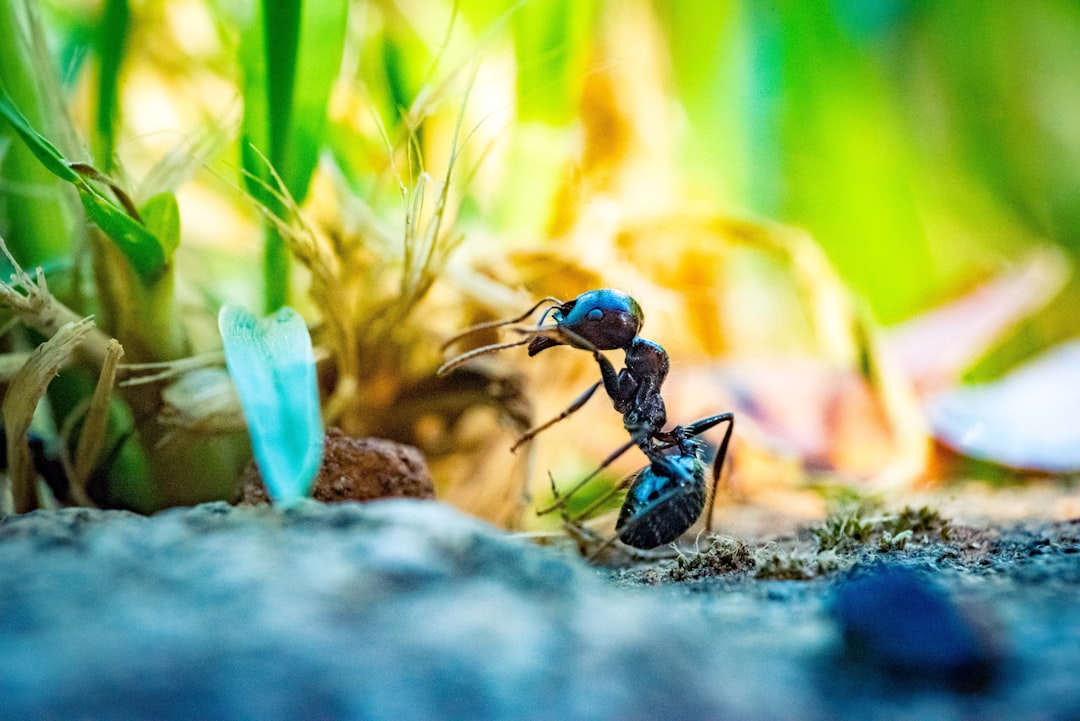
Ant Keeping for Beginners: Your Complete Start Guide
Ant Keeping for Beginners: Your Complete Start Guide
Ant keeping is a patient, observant hobby that lets you watch one of nature’s most organized societies develop from a single queen into a living colony. A good beginner experience depends less on expensive equipment and more on choosing the right species, building a stable ant farm setup, and resisting the urge to disturb the colony too often. This guide explains the practical foundations: how to start with a queen, what habitat to use, what to feed, which ant keeping supplies matter, and how to avoid the common mistakes that cause young colonies to fail.
What does a beginner need to understand before starting?
A beginner needs to understand that an ant colony is not a decorative display first; it is a developing animal community with specific needs for humidity, security, food, space, and time. The most successful approach is to begin small, usually with a queen in a test tube setup, then expand only when the colony has enough workers to use and defend a larger nest. Ant keeping for beginners is therefore an exercise in restraint: the less you rush, overfeed, overhandle, or overbuild, the better your ants usually do.
Ants are fascinating because they make invisible systems visible. You may see workers divide tasks, groom larvae, explore foraging areas, recruit nestmates to food, and reshape the nest according to changing colony needs. That complexity is exactly why beginners should not treat every species or setup as interchangeable. A harvester ant colony, a small black garden ant colony, and a humidity-loving species may all be “ants,” but their diets, growth rates, escape risks, and environmental preferences can differ substantially.
For parents and teachers, ants can be excellent educational pets, but they still require ethical care. A classroom colony should be housed securely, fed consistently, and protected from heat, vibration, and curious fingers. The goal is not merely to watch ants survive for a few weeks; it is to provide a stable environment where their natural behaviour can unfold over months and years.

The basic colony-starting process
Most successful colonies begin with a mated queen. In many regions, queens can be found after mating flights, when winged reproductive ants leave mature nests, mate, and newly fertilized queens search for a place to found a colony. Local laws and ecological responsibility matter here: collect only where permitted, never release non-native ants, and avoid disturbing established wild nests unnecessarily.
A queen should usually begin in a simple test tube setup rather than a full formicarium. This small founding chamber gives her darkness, humidity, and security while reducing the energy she must spend protecting brood. A classic setup uses clean water at one end of the tube, a tight cotton plug to hold the water back, an open chamber for the queen, and another cotton plug at the entrance. It looks almost too simple, but for many founding queens, simple is precisely the point.
A practical beginner sequence looks like this:
- Identify a suitable queen. Confirm that she is likely a queen, not a large worker or unmated winged ant. A queen usually has a larger thorax, may have wing scars, and often appears after a flight event.
- Place her in a test tube setup. Provide water behind cotton, a clean chamber, and darkness. Keep the tube somewhere quiet and stable.
- Limit disturbance. Check briefly and infrequently. Constant light, tapping, and movement can stress the queen and may lead her to eat eggs or stop laying.
- Understand her founding strategy. Fully claustral queens rely on stored energy and generally do not need feeding before their first workers. Semi-claustral queens must forage and need small, careful feedings.
- Wait for nanitics. The first workers, often called nanitics, are usually smaller and more delicate than later generations. They are the colony’s first workforce.
- Begin light feeding. Once workers arrive, offer tiny amounts of sugar and protein, then remove leftovers before they spoil.
- Move only when necessary. Transfer to a formicarium when the colony has enough workers to benefit from more space, not simply because the keeper is eager to see a larger display.
This early stage can feel slow, especially for a new pet owner accustomed to more interactive animals. With ants, patience is active care. You are maintaining the right conditions while allowing the colony’s own biology to do the work.
Which ant species are best for beginners?
The best beginner species are hardy, legal to keep in your area, tolerant of ordinary room conditions, and well documented by other keepers. For many UK and European beginners, Lasius niger is commonly recommended because it is resilient, active, widely understood, and forgiving compared with more specialized species. Other popular beginner options include Lasius flavus, which is interesting but often more subterranean and less visible, and Messor barbarus, a harvester ant known for seed collection and engaging foraging behaviour.
Species choice affects nearly every part of care. A visible, active species can be more rewarding for children or classrooms because there is more daily behaviour to observe. A shy or soil-focused species may be equally fascinating, but it can frustrate beginners who expect constant surface activity. Larger ants can be easier to watch, while very small species may be more escape-prone and harder to handle safely.
Consider these decision points before choosing:
- Climate compatibility. A species adapted to your general climate is often easier to manage than one needing specialized heat or humidity.
- Colony growth rate. Fast growth can be exciting, but it also means earlier nest expansion, more food, and stronger escape prevention.
- Visibility. Some ants forage openly, while others spend much of their time hidden. Match the species to your observation goals.
- Diet. Seed-harvesting ants need appropriate seeds plus protein and water. Generalist ants may accept sugar water, honey, fruit, and feeder insects.
- Escape risk. Tiny, agile species require more meticulous barriers, lids, and feeding routines.
- Hibernation or diapause needs. Many temperate ants benefit from a cool seasonal rest period. Beginners should know this before choosing a species.
If you are buying ants rather than collecting a queen, choose a reputable supplier that provides species identity, care guidance, and legal sourcing information. Avoid impulse purchases of exotic ants whose care sheet is vague or whose environmental needs exceed what you can realistically provide. The best first colony is not the rarest colony; it is the one you can keep stable.
Essential ant keeping supplies
A strong starter kit does not have to be extravagant. In fact, many young colonies do worse in oversized nests because unused chambers become damp, dirty, or difficult to defend. Your ant keeping supplies should support three functions: housing the colony securely, feeding without contamination, and monitoring the environment without excessive interference.
A beginner’s supply list should include:
- Test tubes and cotton wool. These are essential for founding queens and also useful as water sources in outworlds.
- Clean water. Use it for hydration reservoirs, humidity control, and sugar-water preparation.
- A suitable formicarium. This is the main nest the colony will eventually occupy. Choose a size appropriate to the colony, not its future potential.
- An outworld or foraging area. This gives workers a place to collect food and dispose of waste away from the brood chamber.
- Feeding dishes or foil pieces. Small surfaces help prevent sticky foods from soaking into nest materials.
- Escape prevention. A secure lid, fine mesh ventilation, and an appropriate barrier reduce the risk of ants leaving the enclosure.
- Tweezers and soft tools. Use them for food placement and cleanup, not for grabbing ants unless absolutely necessary.
- Temperature and humidity monitoring. Simple gauges can help you detect extremes before the colony suffers.
- Protein foods. Feeder insects such as fruit flies, small crickets, or other suitable invertebrates can support brood growth.
- Sugar sources. Sugar water, diluted honey, nectar substitutes, or small pieces of suitable fruit can fuel workers.
- A dark cover. Red film, cardboard sleeves, or other covers help the nest feel secure while still allowing observation when needed.
Starter kits can be useful, especially for families, schools, or hobbyists who want compatible components without researching every fitting and tube size. The best kits include a nest, foraging area, hydration method, feeding accessories, and clear instructions. Be cautious with novelty gel farms. They may look appealing, but they are generally poor long-term homes because they do not provide the flexible nutrition, nesting structure, and maintenance control a healthy colony needs.

Choosing the right formicarium material
The formicarium is where your colony will spend most of its life, so material choice matters. Beginners often start with what looks clearest or most dramatic, but the best nest is the one that balances observation with stable conditions. Ants need humidity gradients, secure chambers, ventilation, and a layout that allows them to organize brood and food safely.
Acrylic and plastic nests are popular because they are clean-looking and excellent for observation. You can see brood piles, worker movement, and queen activity without excavating or disturbing the colony. Their weakness is that humidity can be less forgiving, condensation may become an issue, and some designs offer limited texture for species that prefer a more natural substrate.
Plaster, gypsum, ytong, and similar absorbent materials can hold moisture more effectively. They are often useful for species that need reliable humidity around brood. However, they can stain, support mold if overwatered or contaminated with food, and may be harder to sanitize once a problem develops.
Cork and wooden nests can suit certain species, particularly those associated with dry wood or bark-like nesting environments. They can look natural and provide texture, but they are not universal solutions. Moisture-loving ants may struggle in a nest that dries too quickly, and soft materials can degrade if the colony is wet, messy, or unusually destructive.
Natural soil setups can be beautiful and behaviourally rich, but they are usually harder for beginners to monitor. Ants may dig out of view, moisture can be uneven, and cleanup is more complex. For a first colony, a controlled test tube and a modest, purpose-built formicarium usually offer a better balance of welfare and visibility.
Building a stable ant farm setup
An effective ant farm setup gives ants what they need while making routine care manageable for you. Think in zones: a dark, humid nest for the queen and brood; a brighter foraging area for food and waste; and a secure boundary that prevents escapes. If those zones are clear, the colony can regulate itself more naturally.
Humidity deserves careful attention. Too dry, and brood may fail to develop properly or workers may cluster desperately around water sources. Too wet, and mold, mites, or drowning risks increase. The goal is usually a gradient, not uniform dampness, so ants can move brood to the conditions they prefer.
Temperature is equally important, but “warmer” is not automatically “better.” Many species grow faster with gentle warmth, yet overheating can kill a colony quickly. If using a heat mat or cable, warm only part of the nest or outworld and use a thermostat where possible. Never cook the entire setup from below like a reptile enclosure; ants need cooler retreat zones.
Ventilation helps control condensation and stale air, but openings must be escape-proof. Fine mesh, tight lids, and well-fitted tubing are not decorative extras. Even calm colonies can become adventurous when hungry, crowded, or exposed to changing conditions.
Before adding ants, run through this setup checklist:
- The nest is appropriately small for the colony’s current size.
- A water source is available and cannot flood the chamber.
- The outworld is easy to access for feeding and cleaning.
- All lids, ports, and tubing connections are secure.
- Any heating equipment is controlled and affects only part of the habitat.
- Feeding areas are separate from brood areas.
- The colony can be observed without opening the nest frequently.
- The setup is away from direct sun, heavy vibration, aerosols, and curious pets.
A stable setup is not the most elaborate one on a social media feed. It is the one that lets the ants behave normally while giving you enough access to maintain hygiene and safety.
Feeding ants without causing problems
Ant nutrition is usually built around two broad categories: carbohydrates for worker energy and protein for brood development. Sugars keep workers active, while proteins help larvae grow into the next generation. Colonies with many larvae generally need more protein than founding colonies with only a few workers.
Good carbohydrate options include sugar water, diluted honey, nectar substitutes, and small pieces of suitable fruit. Offer tiny portions, especially to small colonies. Sticky puddles can trap workers, ferment, or encourage mold, so use feeding dishes and remove leftovers promptly.
Protein can come from appropriately sized feeder insects such as fruit flies, small crickets, mealworm pieces, or other safe invertebrates. Pre-killed insects are often easier and safer for small colonies, because live prey can injure workers or stress a young nest. Avoid wild-caught insects from areas that may have pesticide exposure.
Feeding frequency depends on colony size, temperature, species, and brood volume. A small founding colony may need only tiny offerings every few days once workers appear. A larger, warm, actively growing colony may consume food more quickly. Watch behaviour: if food is ignored repeatedly, reduce portions; if workers swarm protein and brood is abundant, they may need more.
Cleanliness is part of feeding, not a separate chore. Remove old insects, fruit, and sticky residues before they spoil. Mold in the outworld is unpleasant; mold in a founding tube can become a serious threat.
When should ants be moved to a larger nest?
Ants should be moved to a larger nest only when the current home is genuinely limiting them, not merely because a larger display looks more impressive. Signs that a move may be appropriate include crowding in the test tube, frequent worker activity at the entrance, difficulty feeding without escapes, declining water reserves, or a colony size large enough to occupy and maintain part of a formicarium. Moving too early can make ants feel exposed, scatter brood, and create unused damp spaces where waste accumulates.
The safest transfer method is usually patient encouragement rather than force. Connect the test tube to a small outworld or directly to the new nest, make the new nest appropriately dark and humid, and expose the old tube to gentle light. Ants often move when the new conditions are clearly preferable. This can take hours, days, or even longer, and that is normal.
Avoid shaking ants out unless there is an urgent welfare issue, such as flooding, severe mold, or a collapsing container. Forced moves can injure the queen, separate workers from brood, and create panic that makes escape more likely. If a queen refuses to leave a test tube that still has water and clean space, she may be telling you the current home remains acceptable.
For troublesome transfers, try these adjustments:
- Darken the new nest more completely.
- Ensure the new nest has suitable humidity, not just more space.
- Let the old tube dry slightly if its water reserve is nearly exhausted, while still preventing dehydration.
- Place food in the outworld rather than inside the old tube.
- Reduce vibration and handling so workers feel safe exploring.
- Check that tubing is not too steep, slippery, hot, or exposed.
Moving ants is one of the moments when beginner enthusiasm can accidentally become pressure. Your role is to offer a better option and let the colony organize the relocation whenever conditions allow.

Routine maintenance for long-term health
Ant farms reward regular, modest maintenance. You do not need to fuss over the colony daily, but you do need to notice patterns before they become problems. A keeper who checks hydration, removes old food, and monitors growth will usually have fewer emergencies than one who reacts only after mold, escapes, or dehydration appear.
Create a simple routine. Look at the water source, observe whether food is being consumed, remove waste, and confirm that barriers and lids remain secure. If the colony has a midden, or waste pile, try not to disturb the nest itself; clean the outworld around their habits. Ants often organize refuse in predictable places if the setup gives them enough room.
Moisture management is a recurring responsibility. Test tube reservoirs eventually run dry, absorbent nests need periodic hydration, and seasonal indoor heating can change humidity dramatically. Add water cautiously and incrementally. Flooding is often more dangerous than temporary mild dryness because ants cannot always escape saturated chambers.
As the colony grows, space must expand gradually. A nest that was perfect for 30 workers may become cramped at 300, while a nest designed for thousands may be disastrous for 20. Modular systems can be helpful because they allow staged expansion rather than a sudden leap into excessive space.
For temperate species, seasonal rest may be part of responsible care. Many ants from cooler climates naturally slow down during colder months. If your chosen species requires diapause, learn the approximate temperature range and duration from species-specific sources before the season arrives. Do not improvise by placing ants somewhere freezing, unstable, or exposed to household hazards.
Common beginner mistakes to avoid
Most early problems come from doing too much, too soon. Ants are small, but their care is not casual. A thoughtful keeper avoids both neglect and overmanagement.
The most common mistakes include:
- Starting with a difficult species. Rare, aggressive, tiny, or highly climate-specific ants can overwhelm a beginner.
- Using an oversized nest. Too much space makes waste control and humidity management harder for small colonies.
- Feeding inside the nest. Food scraps near brood can mold quickly and are harder to remove.
- Overfeeding sugar. Large sticky droplets can drown workers and spoil.
- Skipping protein. Colonies with larvae need protein to grow, not sugar alone.
- Disturbing the queen repeatedly. Frequent inspections can delay founding or damage brood care.
- Ignoring escape prevention. Ants exploit tiny gaps, especially when colonies mature.
- Assuming gel farms are adequate long-term homes. They may be marketed as simple, but they are not ideal for sustained colony welfare.
- Heating the entire nest. Ants need temperature choices, not one uniform hot zone.
- Releasing captive ants. This can harm local ecosystems, especially if the ants are non-native or exposed to captive pathogens.
If something goes wrong, slow down before making several changes at once. Altering food, heat, humidity, light, and nest design simultaneously makes it difficult to identify the true cause. Adjust one variable thoughtfully, observe the response, and keep notes. Serious ant keepers often learn as much from patient records as from equipment upgrades.
Ant keeping for families and classrooms
Ants can be exceptional educational animals because they invite observation rather than constant handling. Children can learn about cooperation, metamorphosis, environmental design, food webs, and responsible stewardship. The adult’s job is to translate curiosity into care: no shaking the nest, no opening the lid for a closer look, and no feeding experiments without supervision.
For family or school settings, choose visibility and simplicity. A hardy species in a secure, modest formicarium is better than a dramatic setup that is difficult to maintain. Place the colony where students or children can observe without exposing it to direct sunlight, loud vibration, or temperature swings.
It also helps to assign structured observation tasks. Children can record what foods ants prefer, where they place waste, how workers respond to new protein, or how brood piles change over time. These observations make the colony more than a novelty; they turn it into a living lesson in animal care.
Final takeaways
A rewarding ant colony begins with a suitable queen, a secure test tube setup, patient founding care, and a gradual move into a formicarium when the colony is ready. Choose a beginner-friendly species, keep the habitat appropriately small, provide sugars and proteins in controlled portions, and treat cleanliness, humidity, and escape prevention as core welfare tasks.
The best ant keepers are curious, observant, and calm. With the right ant farm setup and sensible ant keeping supplies, you can watch a miniature society develop at its own pace, one egg, worker, tunnel, and foraging trail at a time.

Written by Talis Us


Leave a comment
This site is protected by hCaptcha and the hCaptcha Privacy Policy and Terms of Service apply.