


Akee and Pet Nutrition: What Every Owner Should Know
Keeping Your Pet Safe Starts With Knowing What's on the Menu
As a devoted pet owner, every meal and treat you offer carries real weight. You want your companion to thrive, feel energized, and live a long, healthy life. But sometimes, foods that seem harmless or even nutritious for humans can pose unexpected risks to pets. Akee, a vibrant tropical fruit celebrated in Jamaican cuisine, is one of those foods that has started sparking curiosity in the pet nutrition conversation. If you've been wondering whether akee belongs anywhere near your dog's bowl, your cat's treat jar, your bird's perch, or your reptile's feeding dish, this guide is here to give you clear, caring answers.
What Is Akee and Why Are Pet Owners Talking About It?
Akee (Blighia sapida) is a tropical fruit native to West Africa and deeply woven into Caribbean food culture, particularly in Jamaica, where it forms part of the national dish. The fruit has a soft, creamy yellow flesh when fully ripe, and it's often compared to scrambled eggs in texture and taste. Its growing presence in international markets and health food discussions has made it a subject of curiosity for pet owners exploring natural or whole-food nutrition options.
The interest makes sense. Pet owners today are more engaged than ever in reading ingredient labels, researching food sources, and looking for wholesome additions to their companions' diets. When a fruit like akee shows up in conversations about nutrition, it's natural to wonder whether it has a place in your pet's feeding routine.
The Nutritional Profile of Akee and What Makes It Unique
From a human nutrition standpoint, akee offers some appealing qualities. The ripe aril (the edible portion) contains healthy fats, protein, and essential fatty acids. It also provides vitamins like B-complex vitamins and minerals including zinc and calcium. These nutrients sound promising, and that's partly why akee has attracted attention beyond its culinary roots.
However, what makes akee genuinely unique is also what makes it complicated: the fruit contains a naturally occurring toxin called hypoglycin A, found in high concentrations in the unripe portions, seeds, and outer skin. Even in ripe akee, trace amounts can remain. For humans, improper preparation of akee is linked to a condition called Jamaican Vomiting Sickness, a serious and potentially fatal illness. For pets, the risks are even more pronounced.
Is Akee Safe for Your Pet? Understanding the Risks
The straightforward answer is no. Akee is not considered safe for pets. While research specifically on akee toxicity in companion animals is still limited compared to human studies, the presence of hypoglycin A makes it a food that veterinary professionals strongly advise keeping away from animals. Hypoglycin A interferes with the body's ability to metabolize fatty acids and maintain stable blood sugar levels, which can lead to severe hypoglycemia (dangerously low blood sugar) and metabolic disruption.
Even if you were to source only the ripe aril and prepare it carefully, the risk is simply not worth taking for your pet. There are no established safe serving sizes for dogs, cats, birds, or reptiles, and no veterinary guidelines supporting akee as a beneficial addition to any pet's diet.
How Akee Toxicity Can Affect Dogs, Cats, Birds, and Reptiles Differently
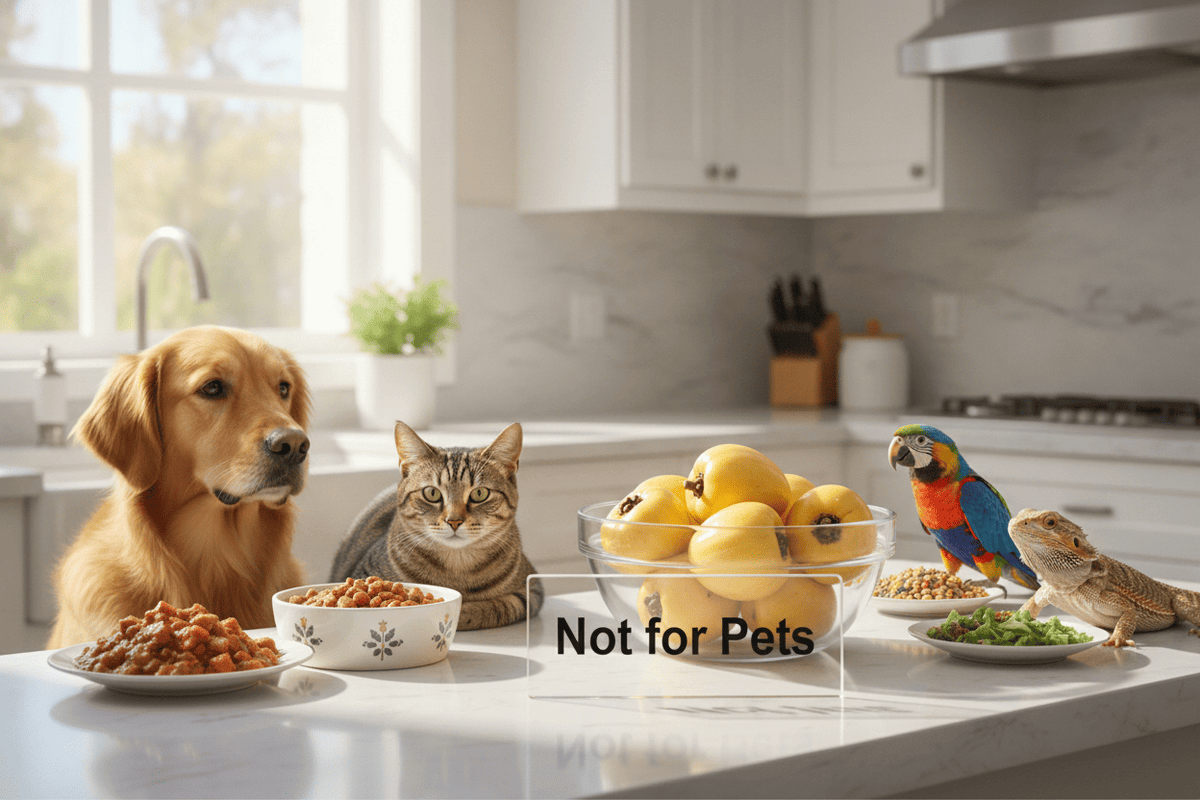
Different pets process foods differently, and akee poses distinct concerns depending on the species.
Dogs are often the most curious eaters and may consume akee if it's within reach. Hypoglycin A toxicity in dogs can cause vomiting, lethargy, weakness, tremors, and in severe cases, seizures or liver damage. Dogs with smaller body weights are especially vulnerable because even a small amount can cause a significant physiological response.
Cats are obligate carnivores with a digestive system that is particularly sensitive to plant-based compounds. Their liver lacks certain enzymes that help process specific toxins, making them more susceptible to toxic reactions from foods that other animals might tolerate in small quantities. Akee, with its active toxin, presents a real risk of acute illness in cats.
Birds, especially parrots and other companion species, have highly efficient metabolisms and can deteriorate quickly when exposed to toxic foods. Many fruits that are safe for humans are dangerous for birds, and akee falls firmly into the category of foods to avoid. Symptoms of toxicity in birds can include weakness, loss of balance, respiratory distress, and sudden collapse.
Reptiles have unique digestive and metabolic needs that vary widely by species. Whether you keep a bearded dragon, a gecko, or a tortoise, their nutritional requirements are highly specific. Introducing any unverified or potentially toxic food like akee could disrupt their delicate internal balance, particularly affecting liver function and energy regulation.
Across all species, the safest approach is clear: keep akee away from your pets entirely.
Safer Nutrition Alternatives to Support Your Pet's Wellbeing
Understanding what to avoid is only half the picture. The other half is knowing what genuinely supports your pet's health, and the good news is that there are excellent options available that take the guesswork out of feeding.
Choosing Quality Wet Dog Food, Wet Cat Food, and Species-Specific Treats Instead
For dogs and cats, high-quality wet food is one of the most nourishing choices you can make. Wet dog food and wet cat food are formulated to meet species-specific nutritional needs, with carefully balanced proteins, fats, vitamins, and minerals. Unlike experimenting with unverified human foods, choosing a vet-approved wet food means you're offering your companion a meal that has been tested and designed with their biology in mind.
Wet food also supports hydration, which is especially important for cats who naturally have a low thirst drive. For dogs, moisture-rich meals can support digestion, kidney health, and overall vitality. Look for formulas with named protein sources (like chicken, salmon, or turkey) listed as the first ingredient, and minimal artificial additives.
Dog treats and cat treats serve an important role too, not just as rewards but as opportunities to reinforce the bond between you and your companion. Choose treats made with whole, recognizable ingredients and avoid those with excessive fillers, artificial colors, or preservatives. Many quality treat options are even designed to support dental health, joint function, or coat condition, turning snack time into a wellness moment.
For bird owners, species-appropriate pellets, fresh safe vegetables, and formulated bird treats provide the balanced nutrition your feathered companion needs without the risk that comes from offering unfamiliar or potentially harmful fruits. For reptiles, sourcing proper reptile food designed for your specific species, whether that's a leafy green blend for herbivores or protein-rich options for carnivorous reptiles, ensures their unique dietary requirements are met safely.
The key principle across all companion animals is consistency and reliability. Trusted, species-formulated nutrition will always outperform curiosity-driven food experiments, no matter how nutritious a food might seem for humans.
Your Pet's Safety Is Always Worth the Extra Care
Akee is a fascinating fruit with a rich cultural history and some noteworthy nutritional qualities for people. But when it comes to your pet, the presence of hypoglycin A and the lack of any established safety data for companion animals means it simply has no place in their diet. Whether you have a playful dog, an independent cat, a curious bird, or a calm reptile, their health depends on the choices you make every day.
The best thing you can do is stick to what's proven: quality wet dog food and wet cat food, thoughtfully chosen dog treats and cat treats, appropriate bird nutrition, and reliable reptile food. These aren't just safe choices; they're caring ones that reflect how much you value the life you share with your companion.
You're already asking the right questions, and that curiosity is one of the most powerful tools you have as a pet owner. Keep exploring, keep learning, and trust the nutrition solutions that are built with your pet's wellbeing at the center. Browse our range of trusted pet nutrition products and give your companion the quality care they deserve every single day.

Written by Talis Us




Leave a comment
This site is protected by hCaptcha and the hCaptcha Privacy Policy and Terms of Service apply.