


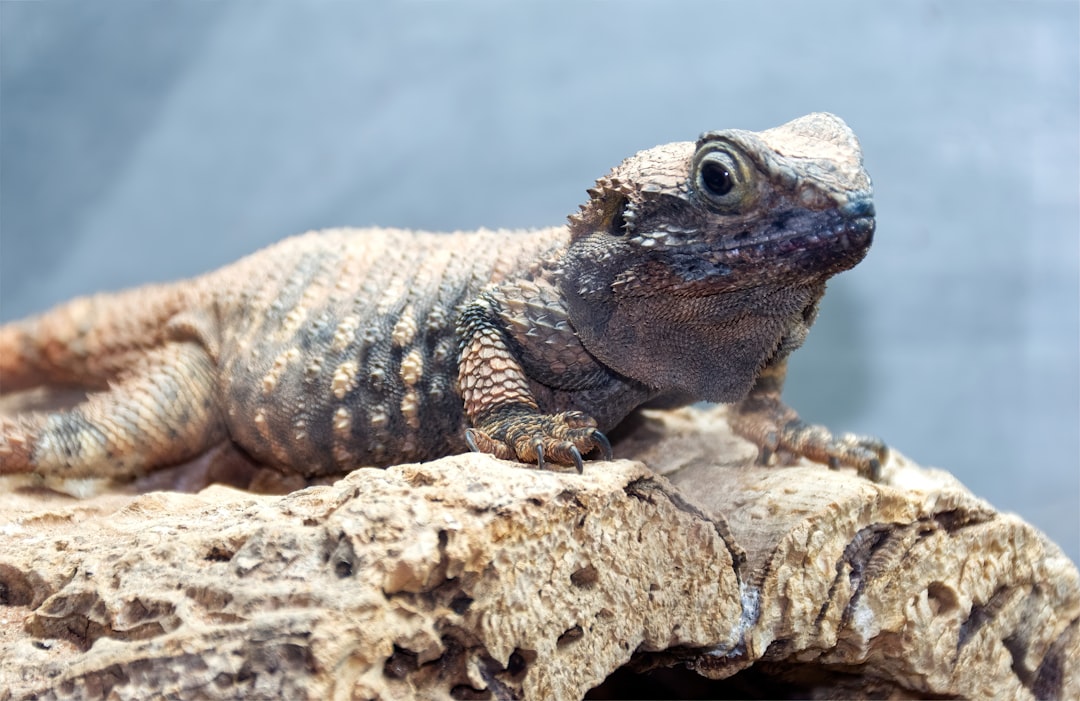
40 Gallon Breeder Tank vs Standard Terrarium for Bearded Dragons
40 gallon breeder tank bearded dragon is often pitched as a budget-friendly enclosure, but whether it's the best choice depends on the animal's age and your goals. This comparison explains which option suits juveniles, adults, single animals, and multi-use setups, and summarizes the trade-offs in space, height, visibility, and cost.
Which option is better and for whom
For juveniles, a 40 gallon breeder tank bearded dragon is frequently a practical and economical starter enclosure: it provides adequate floor area for growth monitoring and makes heating easier because of the smaller volume. Juveniles benefit from concentrated basking zones and closer lamp placement, so breeders work well until roughly 12–18 months depending on growth rate.
For adults, a standard terrarium with larger floor space is generally better. Adult bearded dragons need extensive horizontal territory for roaming and thermoregulation; a 40 gallon breeder often lacks sufficient floor area for a fully mature dragon to exhibit natural foraging and movement behaviors. For single, space-limited keepers a breeder can still work if you plan to upgrade.
For multi-use setups or housing more than one dragon, standard terrariums win due to larger floor area and better layout flexibility. The trade-offs are clear: breeders are cheaper, easier to heat, and usually lighter, while standard terrariums offer superior long-term welfare through more floor space, greater height for decor, and improved visual separation for climbing hides.
Key differences broken down by attribute
Floor area vs height: Floor area drives activity levels and exercise. A 40 gallon breeder often provides decent floor area for juveniles but falls short for adults who need room to move away from the basking spot. Height matters for vertical enrichment and light placement, but beardies are primarily ground-dwellers — insufficient floor area cannot be compensated by extra height.
Ventilation and access: Many breeders are front- or top-access aquariums with limited built-in ventilation. Good airflow helps control humidity and prevents stagnant hot zones. Standard terrariums frequently include screened panels and front doors for easy access to replace hides or adjust lamps. Poor ventilation can stress a dragon and impede thermoregulation.
Material, insulation, and heating compatibility: Glass breeder tanks retain heat differently from screened terrariums. Glass traps radiant heat, which can make a concentrated basking spot easy to achieve, but can also create uneven gradients. Screened terrariums aid UVB distribution and allow overhead fixtures without overheating the enclosure. Each design affects how you position ceramic heats, basking bulbs, and UVB tubes.
Choosing the right size and layout for your bearded dragon
When interpreting dimensions, prioritize floor area in square feet over nominal volume. Juveniles typically need at least a compact floor plan with frequent out-of-enclosure exploration; adults usually require a minimum of 4' x 2' floor area or larger to express normal behavior. Height of 18–24 inches is sufficient for most beardies, allowing proper lamp placement without risking burns.
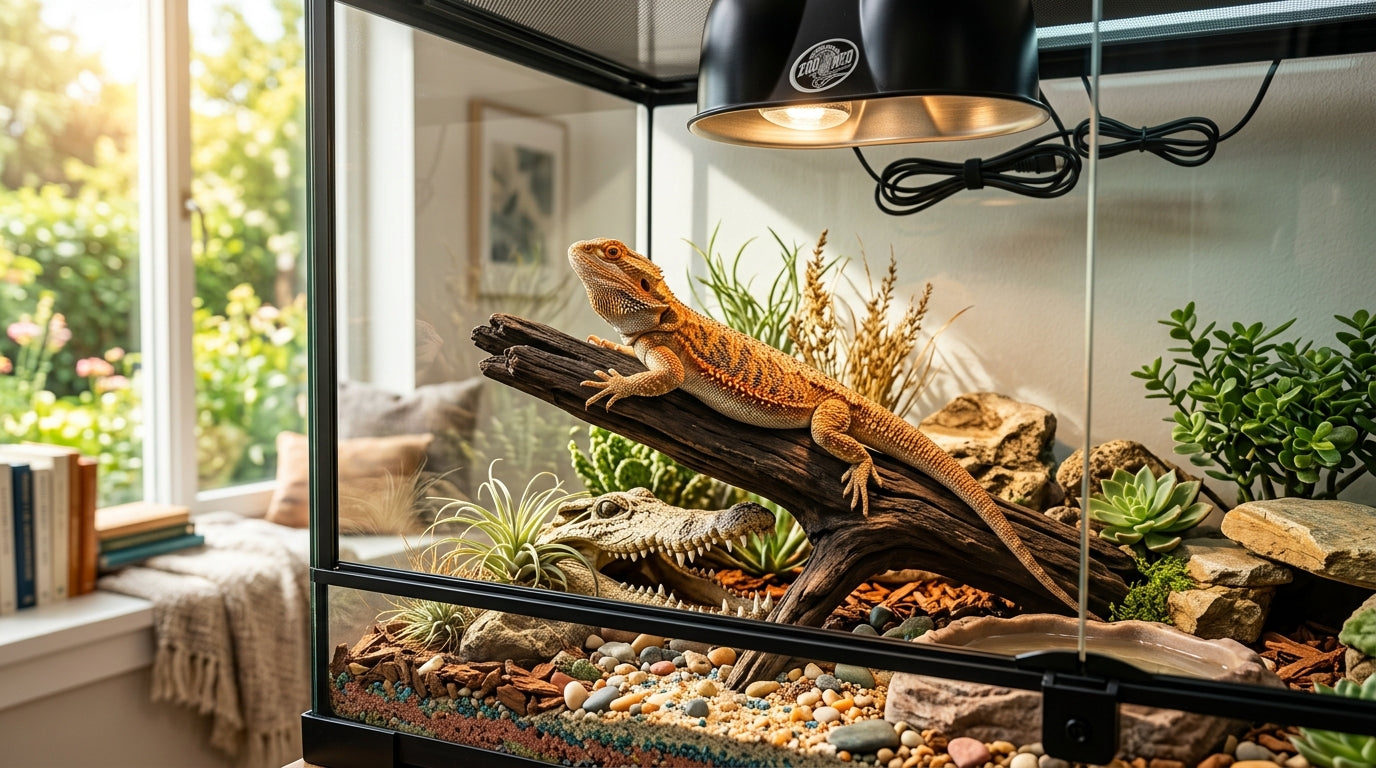
Layout should create clear thermal zones: a basking area with direct radiant heat, a warm side for activity, and a cooler retreat. Use a mix of hides, flat rocks for basking, and low branches for light climbing while keeping substrate and heavy vertical clutter minimal. A 40 gallon breeder can host a functional layout for a juvenile: bask spot, hide, and shallow substrate areas.
For inspiration and larger enclosure sourcing, retailers now offer full-size reptile enclosures with integrated features. Consider models that accommodate overhead fixtures and provide screened ventilation; for example, some hobby-grade enclosures streamline wiring and lamp positioning to improve both safety and UVB coverage. One suitable larger option is the Zoo Med Repti Habitat Pro 120 4x2x2 Reptile Enclosure, which is designed for ample floor space and proper lighting placement.
Common mistakes and what to avoid
Owners often underestimate adult size: a frequent error is choosing a 40 gallon breeder believing the dragon will stay small. Corrective action: plan for growth and budget an upgrade to a larger terrarium well before your dragon reaches full size. This prevents stress and restricted movement later on.
Relying on height instead of floor space is another common mistake. Many assume taller = better; however, beardies need horizontal room more than vertical. Corrective action: prioritize enclosures that increase floor footprint rather than height when possible, and use low-level decor to preserve walking space.
Poor ventilation and incorrect lighting/heating setups cause health issues. Avoid fully sealed glass lids without screen panels and never rely on ambient home lighting for UVB. Corrective actions include installing screened ventilation, using a proper UVB tube rated for reptiles, and designing a temperature gradient with a dedicated basking lamp and thermostat-controlled heat source.
- Unsafe substrates: avoid loose substrates that can be ingested; use reptile carpet, tile, or non-adhesive shelf liner instead.
- Overcrowding accessories: too many hides or tall décor reduces usable floor space — choose multifunctional items.
- Ignoring future growth: treat the breeder as temporary for most hatchlings and juveniles.
Is a 40 gallon breeder tank big enough for an adult bearded dragon?
No. An adult bearded dragon typically needs larger floor area than a 40 gallon breeder provides to move, forage, and thermoregulate naturally. A breeder tank can be adequate temporarily for juveniles but most adults do better in enclosures with at least a 4' x 2' footprint.
Can I convert a 40 gallon breeder tank for proper heating and lighting?
Yes. You can convert a 40 gallon breeder to support proper heating and lighting by adding screened ventilation, an overhead fixture for UVB, and a reliable basking lamp with a thermometer to create a gradient. Ensure any modifications secure fixtures safely and do not overheat the enclosure.
Which enclosure is easier to clean: breeder tank or standard terrarium?
Both can be easy to clean, but breeder tanks with removable lids and simple glass interiors are often easier for deep cleaning. Standard terrariums with built-in shelving or substrate trays can simplify spot-cleaning. Choose based on how frequently you plan to clean and whether you need full removal of décor.
How long will a 40 gallon breeder tank be suitable as my bearded dragon grows?
Typically a 40 gallon breeder is suitable for hatchlings and small juveniles up to about 12–18 months, depending on growth and size. Monitor behavior and movement: if your dragon seems cramped or avoids activity, it's time to upgrade to a larger terrarium.
Overall, choose based on the animal's current age, long-term plans, and available space: juveniles can thrive in a 40 gallon breeder for a time, while adults benefit from larger terrariums that prioritize floor area and proper fixture placement.
Zoo Med Repti Habitat Pro 120 4x2x2 Reptile Enclosure is a relevant pick when you want a long-term home that delivers substantial floor space and easy lamp mounting for adult bearded dragons.

Zoo Med Repti Habitat Pro 120 4x2x2 Reptile Enclosure
Shop Talis Us for the Zoo Med ReptiHabitat™ PRO 120 reptile enclosure 4x2x2. Perfect for reptiles, offering ample space and ventilation for a thriving habitat!
Key takeaway: match enclosure choice to the dragon's life stage and your plans for upgrades. If you want more guidance on layouts or compatible fixtures, review models and plan the thermal gradient before finalizing the enclosure.


Leave a comment
This site is protected by hCaptcha and the hCaptcha Privacy Policy and Terms of Service apply.