


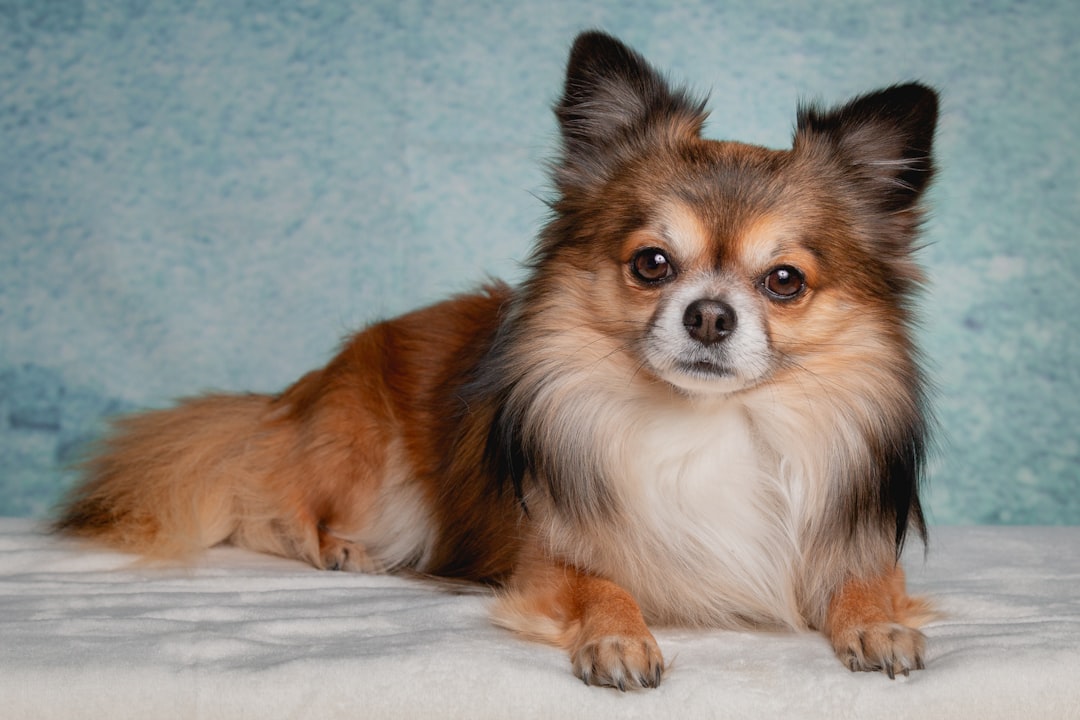
Why a No Pull Dog Harness is a Game-Changer for Small and Medium Dogs
Do you dread walk time with your beloved furry friend, finding yourself pulled along rather than enjoying a peaceful stroll? For countless owners of small dogs and medium dogs, the dream of a calm walk often feels out of reach due to persistent pulling. However, there’s a simple yet revolutionary solution waiting to transform your daily routine: the no pull dog harness. This comprehensive guide is dedicated to revealing why a high-quality no pull dog harness isn't just another accessory, but a genuine game-changer, promising more enjoyable, safer, and less stressful outings for both you and your canine companion.
We understand the unique challenges faced when walking smaller and moderately sized breeds – the potential for neck strain, trachea damage, and the sheer frustration of being dragged by a dog half your size. Traditional collars and even some standard harnesses can exacerbate these issues, making walks a battle of wills rather than a bonding experience. Here, we will meticulously explore the profound dog harness benefits offered by a no pull design, specifically tailored to ensure optimal comfort and effective, humane control for small and medium dogs. You'll discover how these innovative harnesses work to gently redirect your dog’s momentum, minimize pulling, and alleviate pressure points, fostering better leash manners without discomfort. Prepare to learn about enhanced safety features, improved training opportunities, and the incredible shift from dreading walks to eagerly anticipating them. By the end of this guide, you’ll understand exactly why adopting a no pull dog harness will revolutionize your walks, turning every outing into a truly enriching experience for your entire family.
Key Benefits and Features
A no pull dog harness isn't just another accessory; it's a transformative tool designed to improve the walking experience for both you and your canine companion, especially for small dogs and medium dogs. The innovative design of these harnesses redirects your dog's pulling power, discouraging them from lunging forward and encouraging a more pleasant stroll. Here are the key dog harness benefits that make a no-pull harness a true game-changer:
* Eliminates Pulling and Reduces Choking Risks: The primary function and perhaps the most significant benefit of a no-pull harness is its ability to effectively stop your dog from pulling on the leash. Unlike traditional collars or even back-clip harnesses that can exacerbate pulling and put dangerous pressure on your dog's delicate neck and trachea, a no-pull design typically features a front clip. When your dog tries to pull, the leash redirects them gently to the side, turning their body and making it uncomfortable to continue pulling forward. This is incredibly vital for small dogs and certain medium dogs breeds prone to tracheal collapse or neck injuries.
* Enhanced Comfort and Safety: Without pressure on the neck, your dog can breathe freely, reducing coughing, gagging, and potential long-term damage to their respiratory system. For small dogs with their fragile frames, this comfort is paramount. The design distributes pressure evenly across the chest and shoulders, preventing discomfort and allowing for a full range of motion. This leads to a safer walk, particularly important in busy environments where sudden pulls could otherwise cause injury to your pet or even yourself.
* Improved Training Aid for Loose Leash Walking: A no-pull harness is an invaluable tool for teaching your dog loose leash walking without resorting to painful or coercive methods. By gently redirecting your dog, it helps them learn that pulling doesn't get them closer to their destination. This positive reinforcement approach makes walks more enjoyable and less frustrating, fostering a stronger bond between you and your small dogs or medium dogs. It's an effective way to instill good leash manners consistently.
* Greater Control and Confidence for Owners: Whether you have a spirited terrier or a curious beagle, having better control over your dog can make all the difference during walks. A no-pull harness provides owners with enhanced control, especially in unpredictable situations like encountering other dogs or wildlife. This added control can boost your confidence, encouraging you to take your medium dogs on more adventures and ensuring that your small dogs remain safe and by your side, reducing anxiety for both of you.
* A More Enjoyable Walking Experience for Everyone: Ultimately, the greatest benefit of a no pull dog harness is the transformation of your daily walks from a tug-of-war into a serene bonding experience. Without the constant pulling, walks become less stressful and more pleasurable for both handler and dog. This translates into more frequent and longer walks, contributing positively to your dog's physical exercise, mental stimulation, and overall well-being, solidifying its status as a must-have for small dogs and medium dogs alike.
Step-by-Step Guide
A `no pull dog harness` can revolutionize walks for your `small dogs` or `medium dogs`, transforming struggles into enjoyable outings. Follow these actionable steps to smoothly transition your furry friend and unlock the full `dog harness benefits`.
Step 1: Understand How No-Pull Harnesses Work
Understand the mechanism behind a true `no pull dog harness`. It features a front-clip attachment point on the dog's chest. When your dog pulls, the leash gently redirects them to the side, preventing them from lunging forward effectively. This clever design discourages pulling without causing discomfort, making it an ideal solution for teaching `small dogs` and `medium dogs` better leash manners.
Step 2: Select the Right Harness for Your Dog
Accuracy in sizing is crucial. Measure your dog's chest girth (behind the front legs) and, if specified, their neck circumference. Look for a harness specifically designed for `small dogs` or `medium dogs` that offers a comfortable, secure fit without restricting movement. Prioritize durable, lightweight materials with soft padding to prevent chafing. The front D-ring for leash attachment is non-negotiable for its no-pull efficacy.
Step 3: Introduce the Harness Positively
Positive association is key. Let your dog sniff and explore the `no pull dog harness` at their own pace, offering treats and praise. Start by simply draping it over their back for brief moments, immediately rewarding calm behavior. For `small dogs`, new gear can be daunting, so gentle, reward-based introductions are essential to build confidence.
Step 4: Ensure Correct Fitting
Once your dog is comfortable wearing it, adjust all straps for a snug yet comfortable fit. You should be able to slide two fingers underneath any strap. The chest strap should lie horizontally across your dog's chest, not up on their throat, and the girth strap should sit a few inches behind the front legs. A properly fitted `no pull dog harness` is vital for comfort and maximizing `dog harness benefits`, preventing escapes and maximizing redirection.
Step 5: Practice Walking and Redirection
Attach your leash to the front D-ring. During your walk, if your dog starts to pull, simply stop walking. Wait for them to ease the tension on the leash or look back at you. As soon as the leash slackens, praise them and resume walking. This teaches your `medium dogs` or `small dogs` that pulling yields no progress, while a loose leash means forward momentum. The harness's design aids this process, providing gentle redirection.
Step 6: Reinforce Good Behavior
Consistency with positive reinforcement is paramount. Always praise and reward your dog with treats and encouragement for calm, loose-leash walking. Avoid harsh corrections. Let the `no pull dog harness` do its job of redirecting. With patience and consistent rewards, your `small dogs` or `medium dogs` will learn that polite walking is more rewarding, fully realizing the `dog harness benefits`.
Step 7: Maintain and Inspect Regularly
Periodically check your `no pull dog harness` for any signs of wear, such as fraying straps, loose stitching, or damaged buckles. Keep it clean according to the manufacturer's instructions. Regular inspection ensures the harness remains safe, comfortable, and effective, providing many years of enjoyable, pull-free walks for you and your cherished companion.
Best Practices and Pro Tips
Once you’ve embraced the game-changing advantages of a `no pull dog harness`, understanding how to use it effectively will maximize its benefits for your `small dogs` and `medium dogs`. It’s more than just putting it on; these best practices and pro tips will ensure safety, comfort, and successful leash training, transforming your walks into a joyful experience.
1. Master the Fit: The Golden Rule
The effectiveness of any `no pull dog harness` hinges on a proper fit. Measure your dog carefully according to the manufacturer's instructions, usually around the chest, neck, and girth. You should be able to comfortably slide two fingers under all straps. A harness that’s too loose allows for escapes, chafing, or shifting, reducing its no-pull efficacy. One that’s too tight can cause rubbing, restrict movement, and lead to discomfort or injury. For `small dogs`, pay extra attention to ensuring straps aren't bulky or rub against delicate underarms. A correctly fitted harness is the absolute key to unlocking all the `dog harness benefits`.
2. Introduce it Gradually and Positively
Don’t just clip it on and head out the door. For dogs new to wearing harnesses, especially those with sensitive temperaments, introduce it slowly. Let them sniff it, offer treats when it’s near, and then gently put it on for very short periods indoors. Praise and reward calm behavior generously. This positive association prevents the harness from becoming a negative or fearful experience, which is crucial for building trust, particularly with anxious `medium dogs`.
3. Always Use the Front Clip for No-Pull Effect
This is crucial! The defining feature of a `no pull dog harness` is its front chest D-ring attachment point. When your dog pulls, the leash attached to the front clip gently redirects their momentum to the side, turning them back towards you. Using a back clip on a no-pull harness essentially turns it into a standard harness, often encouraging pulling by allowing them to lean into the pressure without redirection. Avoid this common mistake entirely if your goal is to reduce pulling.
4. Combine with Positive Reinforcement Training
While a `no pull dog harness` is an excellent tool, it's not a magic bullet. It works best in conjunction with consistent positive reinforcement training. Reward loose-leash walking, eye contact, and attention with high-value treats and praise. The harness aids in teaching by providing immediate feedback, but the training solidifies the desired behavior. Think of it as an accelerator for your training efforts, not a replacement for teaching good manners on a leash.
5. Regularly Inspect and Adjust
Check your dog’s harness regularly for any signs of wear and tear, especially on stitching, buckles, and D-rings. Also, routinely check the fit, particularly for growing puppies or dogs whose weight fluctuates. Straps can loosen over time or with frequent use. An ill-fitting harness can compromise safety, comfort, and its no-pull effectiveness.
Common Mistakes to Avoid:
* Ignoring Discomfort Signals: Licking, excessive scratching, resistance, or trying to rub the harness off are all signs it might be ill-fitting or uncomfortable.
* Leaving it on Unsupervised: While durable, harnesses are not chew toys. Leaving them on unattended can lead to chewing damage or, worse, your dog getting caught on something.
* Expecting Instant Miracles: While many dogs show immediate improvement, breaking a long-standing pulling habit takes time and consistency. Be patient and persistent.
By following these tips, you'll maximize the safety, comfort, and training efficacy of your `no pull dog harness`, ensuring a more enjoyable and stress-free walk for both you and your beloved companion.
Conclusion
We've explored how truly transformative a no pull dog harness can be, especially for the unique needs of small dogs and medium dogs. Far from being just another accessory, it's a vital tool that fundamentally redefines the walking experience for both pet and owner. The numerous dog harness benefits are clear: enhanced comfort and safety for your canine companion by distributing pressure away from delicate necks and tracheas, reducing the risk of injury while making walks more enjoyable.
For you, the pet parent, the shift is equally profound. Gone are the days of wrestling with a constantly pulling dog, experiencing arm strain, or dreading your daily strolls. Instead, you gain gentle, effective control, fostering a more harmonious connection and turning walks into cherished bonding moments rather than frustrating battles. This isn't just about managing undesirable behavior; it's about unlocking a happier, healthier walking routine for everyone involved.
If you’re still using a traditional collar or a harness that exacerbates pulling, it’s time to make the switch. Don't wait to discover the profound difference a quality no-pull harness can make. Invest in your dog's comfort and your peace of mind today. Experience the joy of stress-free walks, build a stronger bond, and let every outing be an adventure you both look forward to. Take this crucial step towards transforming your dog’s life—and yours—for the better.



Leave a comment
This site is protected by hCaptcha and the hCaptcha Privacy Policy and Terms of Service apply.