


Why Obligate Carnivores Need Meat-First Ingredients: A Guide to Reading Cat Food Labels
If you've ever stood in front of the pet food aisle wondering what all those ingredient lists actually mean, you're not alone. But here's the thing – understanding what goes into your cat's bowl is super important, especially when you realize that cats are obligate carnivores. This means they need meat to survive, not just to thrive. Let's break down why this matters and how to spot the good stuff when you're shopping for your feline friend.
What Does Obligate Carnivore Actually Mean?
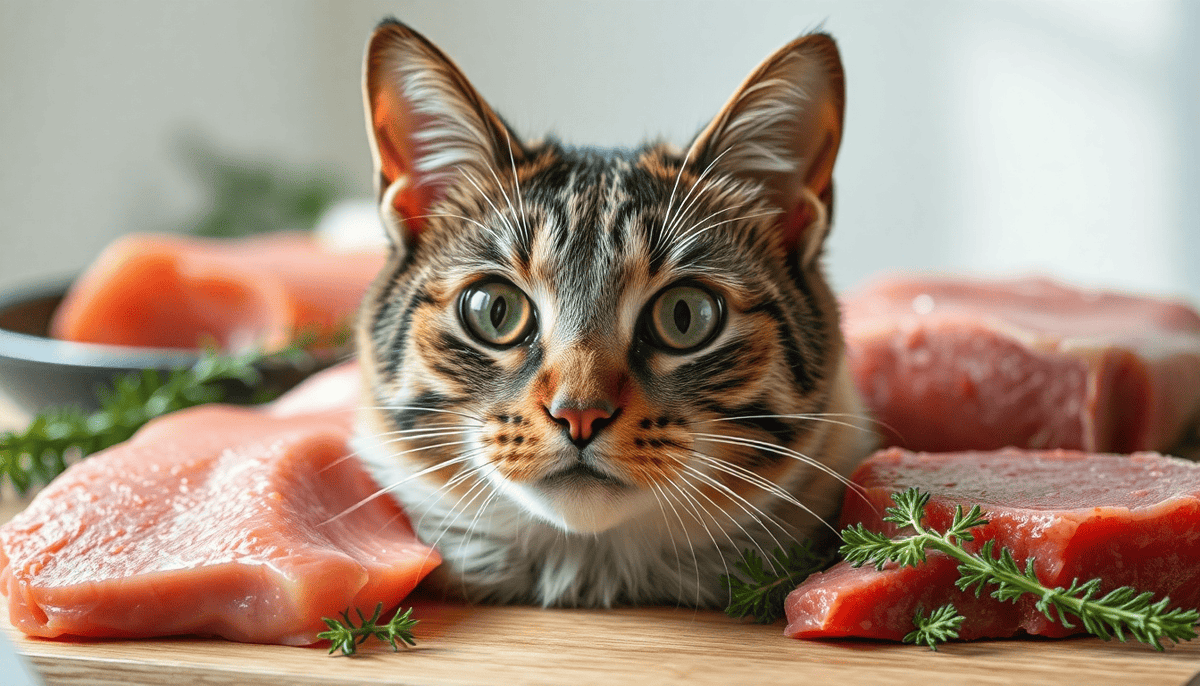
Your cat isn't just a picky eater who happens to prefer meat. Cats are biologically wired to be carnivores. Unlike dogs, who can survive on a more varied diet, cats have specific nutritional needs that only meat can properly fulfill. They need amino acids like taurine, which is essential for heart and eye health. Without adequate meat-based proteins, your cat could develop serious health issues down the line.
Reading the Label Like a Pro
When you're checking out cat food at Talis US or anywhere else, the ingredient list is your best friend. The first few ingredients matter most because they're listed by weight. If you see meat, fish, or poultry listed first, you're on the right track. Look for specific names like "chicken," "salmon," or "beef" rather than vague terms like "meat meal" or "animal by-products."
The Red Flags to Watch For
Avoid foods that list grains, corn, or soy as primary ingredients. These fillers don't provide the nutrients your cat needs and can actually cause digestive issues. Similarly, be cautious of foods with lots of artificial colors, flavors, or preservatives. Your cat deserves better than that.
Making the Switch
If your cat's currently eating lower-quality food, don't panic. You can gradually transition to a meat-first formula by mixing the new food with the old over about a week. This helps prevent stomach upset while your cat adjusts to better nutrition.
The Bottom Line
Your cat's health starts with what's in their bowl. By choosing foods with meat-first ingredients, you're investing in a longer, healthier life for your furry companion. Take a few extra minutes to read those labels – your cat will thank you for it.

De Talis Us


Dejar un comentario
Este sitio está protegido por hCaptcha y se aplican la Política de privacidad de hCaptcha y los Términos del servicio.