


What size fish tank do I need for a beginner setup with tropical fish?
or most new tropical fish keepers, a 20-gallon aquarium is the most forgiving starting point because it offers better water stability, easier stocking choices, and room for essential equipment. A 10-gallon tank can work for a carefully planned micro-community or a single small centerpiece species, but it leaves less margin for beginner mistakes. If you are asking, “What size fish tank do I need for a beginner setup with tropical fish?”, the most practical answer is: choose the largest tank you can responsibly place, maintain, and afford, with 20 gallons as a strong beginner benchmark.
What fish tank size is best for beginners?
The best fish tank size for beginners is usually between 20 and 30 gallons, especially for tropical freshwater fish. This range is large enough to dilute waste, stabilize temperature, and support a modest community without becoming physically overwhelming or prohibitively complex. Smaller aquariums can look simpler, but they often require more precision because ammonia, temperature swings, and oxygen limitations develop quickly.
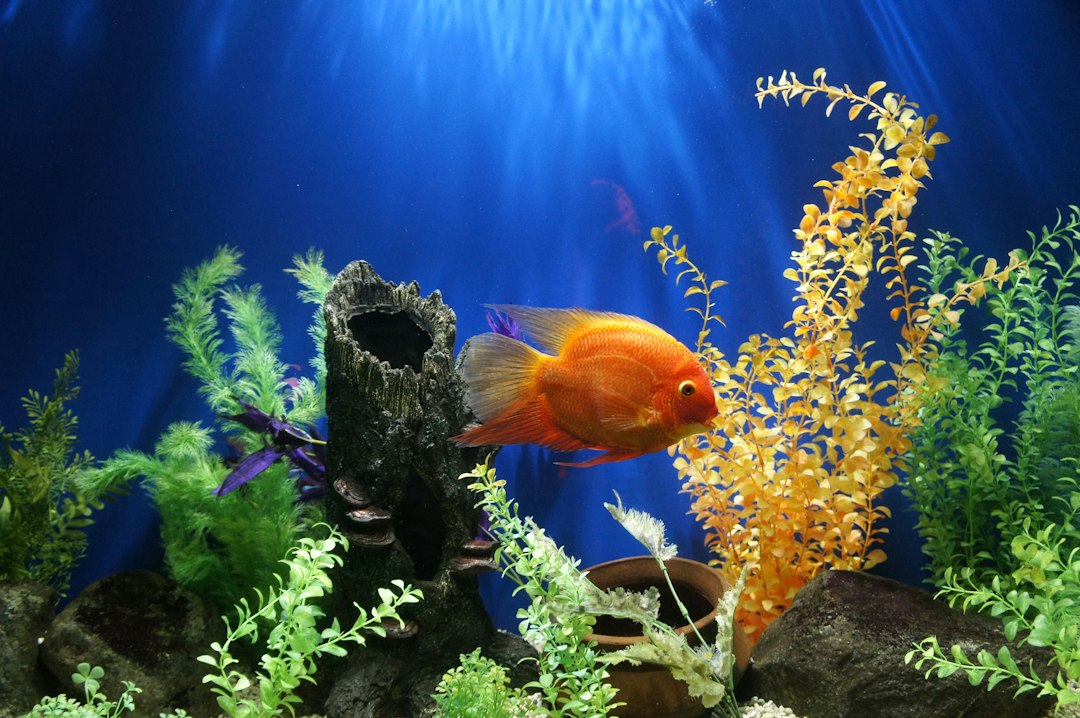
A beginner aquarium is not merely a glass box filled with water and cheerful little swimmers. It is a living aquatic system, complete with bacteria, dissolved gases, minerals, organic waste, and species-specific behavioral needs. The larger the water volume, the more slowly that system changes, which gives a new pet owner time to notice problems and correct them before fish are distressed.
A 20-gallon tank also provides practical flexibility. You can keep a small school of peaceful fish, add live or artificial plants, fit a reliable heater and filter, and create swimming space without overcrowding. That flexibility is valuable because many new aquarists change their preferences after learning more about fish behavior, water chemistry, and aquascaping.

Why small fish tanks are harder than they look
Small fish tanks are popular because they appear affordable, compact, and unintimidating. A five-gallon aquarium on a desk seems like an easy first step, particularly when compared with a larger tank that requires a stand, more water, and a more deliberate setup plan. In practice, however, very small aquariums behave like tiny ecosystems with very little buffering capacity.
When fish eat, they produce waste. Uneaten food, plant debris, and fish respiration all affect water quality. In a small volume of water, ammonia and nitrite can rise rapidly if the biological filter is immature or overloaded. Even a modest overfeeding incident can cause measurable water-quality stress in a nano tank.
Temperature stability is another concern. Tropical fish generally need consistently warm water, and small aquariums heat and cool more quickly than larger ones. A drafty room, direct sunlight, an undersized heater, or a sudden household temperature change may affect a small tank faster than a 20- or 30-gallon aquarium.
This does not mean small aquariums are “bad.” They can be beautiful, humane, and fascinating when stocked appropriately. The issue is that they demand restraint. A beginner who chooses a five- or 10-gallon aquarium should think in terms of a single betta, a small group of suitable micro-fish, shrimp, snails, or a species-only setup rather than a busy community tank.
Tank size affects water stability and fish welfare
Water stability is one of the quiet secrets of successful fishkeeping. Fish do not thrive simply because the water looks clear; they thrive when temperature, pH, hardness, ammonia, nitrite, nitrate, and oxygen remain within appropriate ranges. Larger tanks give those parameters more time to shift, while smaller tanks magnify every husbandry decision.
A larger fish tank setup also supports better territorial and social behavior. Many tropical fish are schooling or shoaling species, which means they feel safer in groups of their own kind. Others need visual barriers, open swimming areas, or resting places. A tank that is technically large enough to hold water may still be too small to support natural movement and social comfort.
For new keepers, this distinction matters. The goal is not to fit the maximum number of fish into the smallest container. The goal is to create a stable, enriched environment in which fish can behave normally, feed well, and recover from ordinary minor stresses. Good welfare is a design choice, not a decorative afterthought.
Practical beginner tank size guide
The following guide offers a realistic way to think about fish tank size for beginners. Exact stocking always depends on species, adult size, temperament, filtration, maintenance routine, and water parameters, but these categories help you avoid common planning mistakes.
- 5 gallons: Best reserved for a single betta, shrimp, snails, or a carefully managed planted nano tank. It is not suitable for a mixed tropical community.
- 10 gallons: A workable minimum for some small tropical species, but stocking must be conservative. This size is attractive for apartments, yet it leaves little room for error.
- 15 gallons: More forgiving than a 10-gallon tank and useful for small groups of tiny, peaceful fish. Equipment placement and aquascaping become easier.
- 20 gallons: An excellent beginner choice. It supports stable water, better aquascaping, and more responsible stocking options.
- 29 to 30 gallons: Ideal for beginners who want more flexibility without jumping into a very large aquarium. The added volume helps with stability and swimming space.
- 40 gallons and above: Excellent for dedicated beginners with space, budget, and patience. Larger tanks can be easier biologically but require more water during maintenance.
A 20-gallon long tank is often especially pleasant for tropical community fish because it provides more horizontal swimming room than a tall tank of similar volume. Fish use space differently from people; many small species value length and cover more than dramatic height.
What equipment does a beginner tropical fish tank need?
A beginner tropical fish tank needs a filter, heater, thermometer, water conditioner, test kit, lighting, substrate, hiding places, and a maintenance routine before fish are added. These components work together to create a controlled aquatic environment rather than a temporary display. Buying the tank is only the first step; preparing the system is what protects the fish.
The filter is responsible for mechanical and biological filtration. Mechanical filtration traps debris, while biological filtration houses beneficial bacteria that process toxic nitrogen compounds. A filter should be appropriate for the tank volume and fish load, with flow gentle enough for the species you intend to keep.
A heater is essential for most tropical fish because household room temperature is rarely stable enough. The thermometer confirms what the heater claims to be doing, which is important because equipment can malfunction or be incorrectly set. Lighting supports visibility and plant growth, but it should be managed on a regular schedule to discourage excessive algae.
Water conditioner neutralizes chlorine or chloramine in tap water, making it safe for aquarium use. A liquid test kit or reliable testing method helps you track ammonia, nitrite, nitrate, and pH. For a new pet owner, testing is not fussy perfectionism; it is the aquarium equivalent of checking vital signs.
A sensible fish tank setup plan
A successful fish tank setup begins before any fish come home. Planning may feel less exciting than choosing bright tetras or a graceful gourami, but this patient groundwork is what makes the aquarium enjoyable rather than stressful.
- Choose the location first. Place the aquarium on a level, sturdy surface away from direct sunlight, vents, doors, and heavy foot traffic. Remember that water is heavy, and a filled tank cannot be casually moved.
- Select the tank size and equipment together. Match the filter, heater, lid, and light to the aquarium’s volume and dimensions. Avoid assuming that any bundled kit is automatically appropriate for every species.
- Rinse substrate and decorations. Use plain water only, not soap or household cleaners. Residues that are harmless on kitchen surfaces can be dangerous in aquariums.
- Fill and condition the water. Add water conditioner according to the product directions. Install the heater and filter, then allow the system to run.
- Cycle the aquarium. Establish beneficial bacteria before adding a full fish population. Many losses in new tanks occur because fish are introduced before the biological filter is ready.
- Stock gradually. Add a small number of compatible fish at a time, then monitor water quality. The filter bacteria need time to adjust to each increase in waste production.
- Build a maintenance rhythm. Perform regular partial water changes, test the water, clean filter media correctly, and observe fish behavior daily.
This process may sound ceremonious, but it becomes routine quickly. Think of it as preparing a healthy home, not merely arranging décor.

Stocking choices should follow tank size
One of the most common beginner mistakes is choosing fish first and tank size second. The more reliable approach is to decide on a humane aquarium size, learn its biological limits, and then select species that match the available space. This prevents the familiar heartbreak of discovering that a charming juvenile fish will outgrow the tank or harass its neighbors.
For a 10-gallon tank, stocking should be modest and species selection should be narrow. A single betta with appropriate tank mates only if temperament and space permit, a small group of suitable nano fish, or an invertebrate-focused aquarium may be reasonable. A 10-gallon tank is not a miniature version of every community aquarium you see online.
For a 20-gallon tank, the possibilities become more comfortable. You might consider a peaceful school of small tetras, rasboras, or similar community fish, perhaps with bottom-dwelling species if the footprint and substrate are appropriate. The key is to research adult size, social group requirements, temperature compatibility, and temperament before purchasing.
Avoid relying on simplistic rules such as “one inch of fish per gallon.” That old guideline ignores body shape, activity level, waste production, aggression, oxygen needs, and social behavior. A slender schooling fish and a deep-bodied, messy fish may be the same length but have very different care requirements.
How many fish can go in a beginner tropical aquarium?
The number of fish that can go in a beginner tropical aquarium depends on adult size, species behavior, filtration, tank dimensions, and maintenance consistency, not just gallons. A lightly stocked tank is almost always better for a new keeper than a crowded one. Conservative stocking reduces waste, conflict, disease pressure, and the likelihood of rapid water-quality problems.
Begin with one species group rather than a little of everything. Many new aquarists are tempted to buy one neon-colored fish from every store tank, but mixed singles often become stressed or socially deprived. Schooling species usually need companions of their own kind, while territorial species may need carefully arranged space.
A good beginner principle is to understock first, observe, and expand slowly. Watch whether fish are eating confidently, schooling naturally, breathing comfortably, and using the tank space. If the aquarium remains stable over time and the species are compatible, you can consider adding more inhabitants deliberately.
Common beginner mistakes to avoid
Even attentive new fish keepers can run into trouble because aquarium problems often develop invisibly before they become dramatic. Clear water can still contain unsafe ammonia or nitrite, and a fish that seems “quiet” may actually be stressed. Avoiding the following mistakes will protect both your fish and your enthusiasm.
- Buying fish the same day as the tank. A new aquarium needs time to become biologically prepared. Instant gratification is rarely kind to fish.
- Overstocking small fish tanks. A compact aquarium cannot safely support a large community simply because the fish are currently tiny.
- Overfeeding. Fish have small stomachs, and excess food decays quickly. Feed sparingly and remove uneaten food when appropriate.
- Skipping water testing. Guessing at water quality is unreliable. Testing helps you correct problems before they become emergencies.
- Cleaning too aggressively. Replacing all filter media or scrubbing everything at once can disrupt beneficial bacteria. Maintenance should preserve the biological filter.
- Ignoring adult size. Many fish sold as juveniles grow substantially. Always research the mature size and temperament.
- Mixing incompatible species. Temperature, water chemistry, fin shape, activity level, and aggression all influence compatibility.
These errors are common because fishkeeping appears visually simple. The better mindset is to treat the aquarium as a managed habitat with living chemistry.
A simple recommendation for most new owners
For a first tropical freshwater aquarium, choose a 20-gallon tank if your space and budget allow it. Pair it with a dependable filter, adjustable heater, thermometer, water conditioner, test kit, and a stocking plan based on adult fish needs. This setup is not excessive; it is a compassionate buffer against the ordinary learning curve of aquarium care.
If you must start smaller, choose a 10-gallon aquarium and stock it very lightly. Resist the urge to create a crowded community, and focus instead on making the tank stable, clean, and species-appropriate. A small, well-managed aquarium is far better than a large tank filled impulsively.
If you can start larger, a 29- or 30-gallon tank may be even more forgiving. It gives you broader aquascaping options and a little more resilience when life gets busy. The trade-off is heavier water changes and a stronger need for suitable furniture or a proper stand.
Final takeaway
The right beginner aquarium is large enough to keep water stable, spacious enough for natural fish behavior, and manageable enough that you will maintain it consistently. For most tropical fish beginners, that means aiming for 20 gallons or more, with 10 gallons as a careful minimum for limited setups. Choose the tank before the fish, cycle it patiently, stock it conservatively, and your first aquarium can become a calm, thriving little world rather than a confusing science experiment with fins.

De Talis Us


Dejar un comentario
Este sitio está protegido por hCaptcha y se aplican la Política de privacidad de hCaptcha y los Términos del servicio.