



What Is the Best Natural Dog Food for Sensitive Stomachs?
What Is the Best Natural Dog Food for Sensitive Stomachs?
If you are a dog owner, you know the helpless feeling of watching your furry best friend struggle with tummy troubles. Whether it is a bout of unexpected diarrhea, frequent vomiting, or chronic gas that clears the room, digestive issues can be exhausting for both you and your pet. Eventually, every pet parent in this situation asks the exact same question: What is the best natural dog food for sensitive stomachs?
Finding the right diet is often the key to resolving these uncomfortable symptoms. The best dog food for your pup isn’t necessarily the one with the flashiest marketing; it is the one that aligns perfectly with their unique biological needs.
In this comprehensive guide, we will explore the root causes of digestive distress, highlight the most gentle ingredients, and help you navigate the confusing world of canine nutrition so you can finally bring relief to your dog's sensitive digestive system.

Why Does My Dog Have a Sensitive Stomach?
If you constantly find yourself wondering, "why does my dog have a sensitive stomach," you are not alone. Just like humans, some dogs are simply born with more delicate gastrointestinal tracts. A sensitive stomach can be caused by genetics, a lack of digestive enzymes, or an imbalance in the gut microbiome. Certain breeds, such as German Shepherds, Great Danes, and Yorkshire Terriers, are actually predisposed to gastrointestinal issues.
However, chronic sensitivity is often directly linked to what goes into their bowl every day. Over-processed ingredients, artificial preservatives, and low-quality fats can wreak havoc on a dog's digestive lining over time.
What Causes Sudden Digestive Issues in Dogs?
Sometimes, a dog with an “iron stomach” will suddenly develop severe gastrointestinal distress. If you are trying to figure out what causes sudden digestive issues in dogs, consider these common culprits:
- Dietary Indiscretion: Also known as "garbage gut," this happens when your dog eats something they shouldn't on a walk or from the trash.
- Abrupt Diet Changes: Switching your dog's kibble brand overnight without a proper transition period.
- Stress and Anxiety: Changes in routine, a move, or a new pet can trigger stress-induced diarrhea.
- Parasites or Bacterial Infections: Giardia, worms, or bacterial overgrowth.
If your dog experiences sudden, severe, or bloody diarrhea and vomiting, always consult a veterinarian immediately to rule out life-threatening conditions.
Signs of Canine Food Intolerance
It is crucial to distinguish between a true food allergy (which involves the immune system) and a food intolerance (which is strictly a digestive response). The signs of canine food intolerance usually present themselves in the litter box or the backyard. Look out for:
- Chronic flatulence (excessive gas)
- Frequent loose stools or diarrhea
- Intermittent vomiting, especially bile or undigested food
- Gurgling stomach noises
- Lack of appetite or reluctance to eat
- Lethargy after meals
Identifying the Culprits: Ingredients to Avoid
Before we can answer what is the best natural dog food for sensitive stomachs, we must first identify what to keep out of their bowl.
Common Allergens in Commercial Dog Food
Many pet parents are surprised to learn that the most heavily marketed proteins and fillers are often the root cause of their dog's discomfort. The most common allergens in commercial dog food include:
- Beef and Dairy: These are two of the most frequent triggers for canine food allergies and intolerances.
- Chicken: While often considered mild, chicken is actually a highly common allergen due to its massive over-use in the pet food industry.
- Wheat and Soy: These are cheap fillers that can be difficult for some dogs to break down, leading to inflammation.
- Artificial Additives: Synthetic colors, flavors, and chemical preservatives (like BHA and BHT) can irritate a sensitive gut lining.

The Best Diet Approaches for Tummy Troubles
When treating digestive distress naturally, the goal is to reduce the workload on your dog's gastrointestinal tract. Here are the most effective dietary strategies.
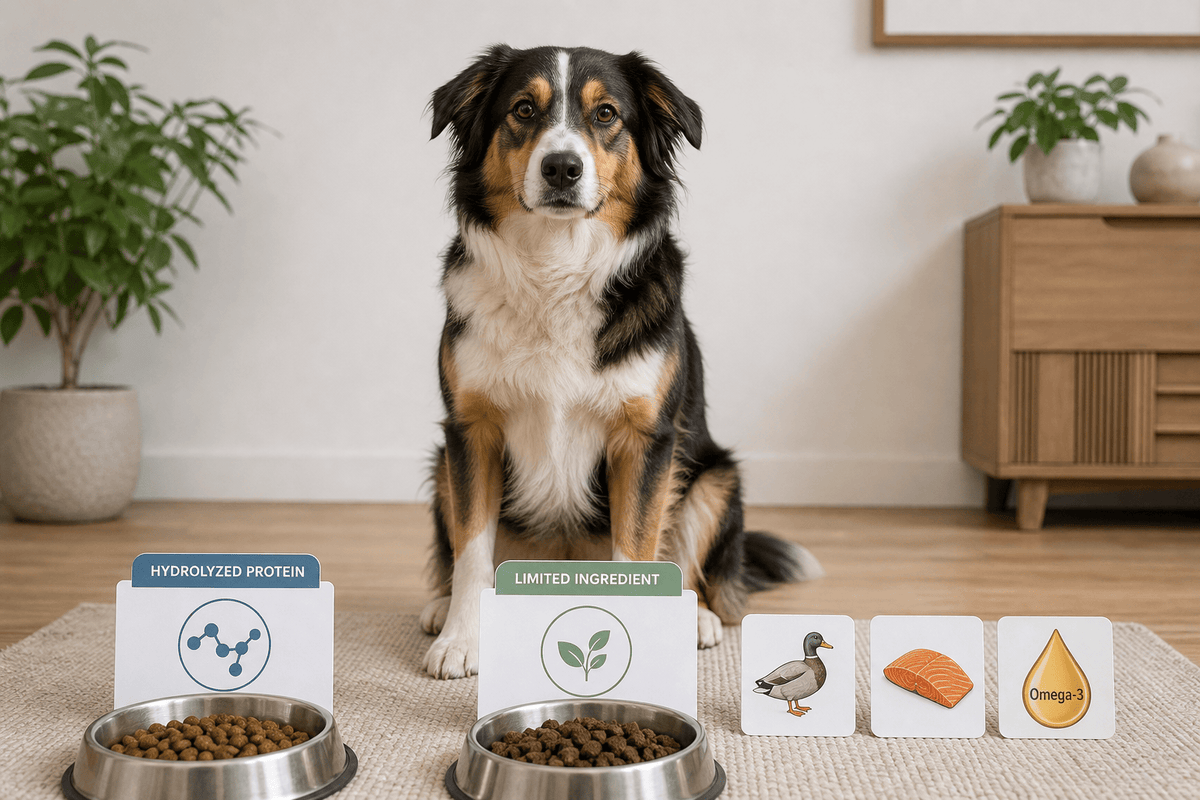
Limited Ingredient Diet for Dogs
A limited ingredient diet for dogs (LID) is exactly what it sounds like. These formulas contain a minimal number of ingredients—usually one primary protein source and one primary carbohydrate. By stripping away the complex mix of multiple meats, grains, and vegetables found in standard kibbles, you drastically reduce the chance of triggering an intolerance. LIDs make it incredibly easy to isolate exactly what is upsetting your dog's stomach through process of elimination.
Novel Protein Sources for Dogs
If your dog has developed an intolerance to standard proteins like chicken or beef, switching to novel protein sources for dogs is highly recommended. A novel protein is simply a meat that your dog has never eaten before. Because their immune and digestive systems have never been exposed to it, they are far less likely to react negatively. Excellent novel proteins include:
- Venison
- Duck
- Kangaroo
- Rabbit
- Salmon or Whitefish
Hypoallergenic Dog Food and Hydrolyzed Options
When searching for the best diet, you will inevitably come across the term hypoallergenic dog food. True hypoallergenic foods are usually prescribed by a vet, though many natural, limited-ingredient OTC foods mimic their effects.
For severe cases, veterinarians often recommend diets featuring hydrolyzed proteins. The hydrolyzed protein dog food benefits are deeply rooted in science. In these formulas, the protein molecules are broken down (hydrolyzed) into pieces so small that the dog's immune system no longer recognizes them as allergens. This completely bypasses the allergic response, allowing the gut to heal while still providing essential amino acids.
Key Components of a Gut-Healing Diet
Formulation matters just as much as the ingredients themselves. When seeking out the best natural dog food for sensitive stomachs, look for the following features.
Easy to Digest Ingredients for Dogs
A gentle diet requires easy to digest ingredients for dogs. Carbohydrates and fibers should soothe the gut, not overwork it.
- Pumpkin: A miracle food for dogs. It is rich in soluble fiber, which absorbs excess water in the bowel, helping to firm up loose stools while also soothing an irritated digestive tract.
- Sweet Potato: A highly digestible, complex carbohydrate that provides steady energy without spiking blood sugar.
- Bone Broth: Naturally rich in amino acids like glycine and proline, which help repair a damaged gut lining (leaky gut).
- Lean Turkey or Whitefish: These are generally highly digestible and lower in fat than beef or lamb.
Probiotics for Canine Gut Health
The microbiome is the command center of your dog's digestion. Incorporating probiotics for canine gut health is non-negotiable when healing a sensitive stomach. Probiotics introduce beneficial bacteria into the GI tract, which helps to break down food, absorb nutrients, and crowd out harmful, gas-producing bacteria.
Look for natural dog foods that guarantee live probiotic cultures (like Enterococcus faecium or Lactobacillus acidophilus) applied after the cooking process, as extreme heat kills these beneficial microbes. Additionally, ensure the food contains prebiotics (like chicory root or inulin), which serve as the food that keeps those good probiotics alive.

Grain-Free vs Grain-Inclusive for Digestion
One of the biggest debates in pet nutrition is grain-free vs grain-inclusive for digestion. For years, grain-free was touted as the ultimate solution for allergies. However, dogs are omnivores and can perfectly digest cooked grains.
Unless your dog has a diagnosed allergy to a specific grain (like wheat), whole grains such as oatmeal, brown rice, and quinoa are actually fantastic for digestion. They provide excellent sources of fiber that promote healthy bowel movements. On the flip side, many grain-free diets replace grains with high amounts of legumes (peas, lentils), which can actually cause severe gas and bloating in sensitive dogs. Therefore, a high-quality, whole-grain-inclusive diet is often better for a sensitive stomach than a legume-heavy grain-free diet.
Wet vs Dry Food for Sensitive Stomachs
When considering wet vs dry food for sensitive stomachs, both have their merits.
- Wet Food: Generally has a higher meat content, fewer carbohydrates, and is packed with moisture. This makes it highly palatable and easier to digest for dogs with severe inflammation or older dogs with dental issues.
- Dry Food (Kibble): More convenient and often better for dental health. However, it requires the dog to drink adequate water to aid digestion.
For a sensitive stomach, a high-quality dry food softened with a little warm bone broth, or a mix of wet and dry food, often provides the perfect balance of hydration and digestive ease.
So, What Is the Best Natural Dog Food for Sensitive Stomachs?
Ultimately, the "best" food is highly individual. However, the golden standard for the best natural dog food for sensitive stomachs generally fits this profile:
- A single, novel animal protein (e.g., Salmon or Duck).
- A single, easily digestible carbohydrate (e.g., Oatmeal or Sweet Potato).
- Moderate fat levels (too much fat can trigger pancreatitis or diarrhea).
- No artificial colors, flavors, or preservatives.
- Fortified with specific probiotics and prebiotics.
Exploring Hypoallergenic Dog Food Options
If you are looking for specific hypoallergenic dog food options, you generally have three tiers to choose from:
- Prescription Diets: Hydrolyzed soy or poultry diets available only through your vet.
- Premium Natural OTC Brands: Brands that specialize in Limited Ingredient Diets (LID). Look for lines specifically marketed for "Sensitive Skin & Stomach."
- Fresh/Human-Grade Delivery Services: Lightly cooked, fresh food is inherently easier to digest than extruded kibble. Many of these companies offer specialized gentle recipes.
The Homemade Bland Diet for Dogs (A Temporary Fix)
If your dog is currently in the middle of a digestive crisis, you should pause commercial food altogether. Veterinarians universally recommend a homemade bland diet for dogs to settle the stomach.
The standard recipe is a 2:1 ratio of cooked white rice to boiled, unseasoned chicken breast (or extremely lean ground turkey). White rice is highly refined, meaning the GI tract does almost no work to break it down. Feed this in small, frequent meals for a few days until the diarrhea resolves, then slowly transition back to their regular (or new) dog food. Remember, a bland diet is not nutritionally complete and should only be used for a few days.

Setting Your Dog Up for Success
Finding the right food is only half the battle; how you introduce it and monitor its effects will determine your ultimate success.
How to Transition a Dog to New Food
One of the most common mistakes pet owners make is switching their dog's food too quickly. If your dog already has a compromised gut, an abrupt change will almost certainly cause diarrhea.
Here is exactly how to transition a dog to new food safely over a 7 to 10-day period:
- Days 1-2: 75% old food, 25% new food.
- Days 3-4: 50% old food, 50% new food.
- Days 5-6: 25% old food, 75% new food.
- Day 7+: 100% new food.
If at any point during the transition your dog develops loose stools, pause the transition. Keep the ratio where it is for an extra day or two until their stomach adapts, and then proceed.
Improving Dog Stool Quality Through Diet
The ultimate test of whether a food works for your dog is found in the yard. Improving dog stool quality through diet is the primary indicator of a healed gut.
Veterinarians use a fecal scoring chart to evaluate digestion. You want to aim for a "Grade 2" or "Grade 3" stool—it should be chocolate brown, log-shaped, segmented but cohesive, and leave little to no residue on the grass when you pick it up. If the stool is too hard and crumbly, the dog may need more moisture or less calcium. If the stool is constantly soft and formless, the food may be too rich, too high in fat, or contain an ingredient your dog is intolerant to. Tracking these changes helps you confirm that your investment in premium natural dog food is paying off.
Conclusion
Managing a dog with gastrointestinal distress can be a frustrating journey of trial and error, but relief is absolutely possible. By understanding the root causes of their discomfort and eliminating heavily processed, common allergens from their bowl, you are already halfway to a solution.
If you are still wondering, What is the best natural dog food for sensitive stomachs? remember to keep it simple. Opt for limited ingredient profiles, embrace novel proteins, prioritize easily digestible carbohydrates like sweet potato or oatmeal, and ensure the inclusion of gut-supporting probiotics.
Take the transition slowly, monitor the results in the backyard, and consult your veterinarian to rule out underlying medical issues. With patience and the right natural nutrition, you can restore your dog’s digestive health, leading to fewer messy cleanups and a much happier, healthier pup.

De Talis Us



Dejar un comentario
Este sitio está protegido por hCaptcha y se aplican la Política de privacidad de hCaptcha y los Términos del servicio.