


What are the best seed mixes for parakeets?
Summary
- Parakeet “seed mix” quality varies widely; the best options limit fatty seeds, avoid artificial dyes, and include clean, fresh grains.
- A good mix supports daily energy without pushing birds toward selective eating, where they pick only millet and ignore nutrients.
- Budgerigars evolved to forage across Australia’s grasslands, so modern diets should reflect variety, not a single favorite seed.
- Label reading matters: ingredient order, seed types, and the presence of fillers can predict how your bird will actually eat.
- Seed mixes work best as part of a plan that includes pellets and fresh foods, with portions adjusted for activity and weight.
- Storage and freshness are as important as brand choice; stale or damp seed can become unsafe quickly.
Intro
Choosing the best seed mix for parakeets is confusing because “parakeet food” labels often look similar while the nutrition can be dramatically different once your bird starts picking favorites. Many budgies will eat around healthier grains to hunt for millet, which can make a mix that looks balanced on the bag function like a single-ingredient diet in the bowl. The goal is not to find a magical blend, but to choose a mix that reduces selective eating, keeps fat levels reasonable, and stays clean and fresh in real home conditions. It also helps to remember that budgerigars are grass-seed specialists by history, shaped by Australia’s arid landscapes where they travel, forage, and adapt to seasonal seed availability. When you match that natural pattern with modern nutrition basics, you can pick a seed mix that supports stable weight, consistent droppings, and better long-term health.
1) What “best” means for parakeet seed mixes (and why most mixes fail in the bowl)
The best seed mixes for parakeets are the ones your bird will actually eat in a balanced way, not just the ones that look diverse to you. Budgies are small parrots with a strong preference for certain textures and seed sizes, and many will selectively eat the easiest, tastiest items first (often millet). When that happens, the “mix” becomes nutritionally narrow, and you may see slow weight gain, dull feathers, or inconsistent energy even though the bowl looks full. A practical definition of “best” is a mix that limits high-fat seeds, uses clean, uniform seed sizes, and avoids sugary add-ins that encourage junk-food behavior.
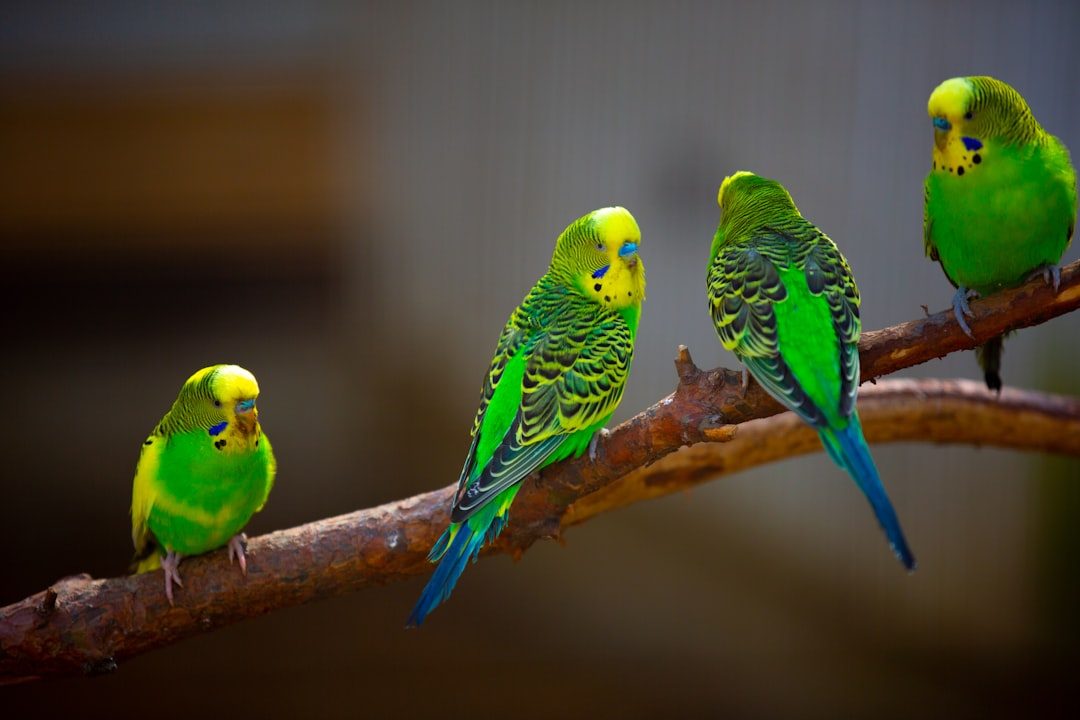
Historically, budgerigars (often called budgies or parakeets in the pet trade) evolved as nomadic foragers across Australian grasslands and scrub, where they feed heavily on grass seeds and adjust to what’s available. That background matters because it explains why many budgies do well with a base of small, clean grass-type seeds and grains, while struggling with mixes overloaded with oil-rich seeds meant for larger parrots. In captivity, the “best” mix also accounts for modern realities: limited flight time, indoor temperatures, and easy access to food all reduce calorie needs. If your bird lives in a smaller cage, flies less, or is older, a leaner mix becomes more important than a “treat-heavy” blend.
2) The ideal ingredient profile: what to look for on the label and in the bag
Start by scanning the ingredient list for the dominant seeds and whether the mix is built around small, budgie-appropriate grains. A strong everyday mix typically emphasizes millets (in moderation), canary seed, and other small grass seeds, with limited amounts of oil seeds like sunflower or safflower. If you see lots of large seeds, brightly colored bits, or sweetened inclusions, assume the mix is designed to sell visually rather than feed well. In the bag, you want a dry, fresh smell (not musty), minimal dust, and no clumping, which can indicate moisture exposure.
It also helps to think in “behavioral nutrition” terms: the best mix is one that makes it harder for your budgie to eat only one thing. Uniform seed size and fewer “jackpot” items reduce the reward of picking, so birds are more likely to consume a broader range. Avoid dyed pieces and excessive dried fruit; budgies do not need added sugars, and sticky ingredients can spoil faster and attract pests. If the mix includes pellets, check whether your bird actually eats them; many budgies will toss unfamiliar shapes aside, so a “seed + pellet” bag can still function like plain seed unless you confirm intake by watching the bowl and droppings.
3) Best seed mixes for parakeets: three practical options compared
Use this comparison to match a seed mix style to your bird’s habits, your feeding goals, and how much time you can spend on diet training and fresh-food prep.
| Item | Best for | Strength | Tradeoff |
|---|---|---|---|
| Lean “grass-seed” style mix (millets + canary seed focus) | Daily feeding for most indoor budgies with limited flight time | Lower fat profile and more natural budgie-appropriate seed sizes | May feel “less exciting,” so you may need enrichment to prevent boredom |
| Foraging-focused mix (more variety, small grains, limited treats) | Birds that need stimulation and owners who use puzzles and scatter-feeding | Encourages movement and reduces bowl “millet hunting” when used correctly | Can be wasteful if offered in a deep bowl without foraging structure |
| Seed mix used as a measured “topper” alongside pellets | Budgies transitioning to pellets or maintaining weight with structure | Controls selective eating by limiting seed volume while keeping appetite | Requires consistent measuring and monitoring to avoid underfeeding |
A lean grass-seed style mix is the closest everyday “default” for many pet budgies because it aligns with their natural preference for small seeds while keeping calories more manageable. It is especially useful when your bird’s activity is moderate and you want predictable intake without a lot of oily seeds. If your budgie is already overweight or tends to sit and snack, this style is often easier to manage than a richer blend.
Foraging-focused mixes can be excellent when they are used as part of a system: shallow trays, paper cups, safe shreddables, and scatter-feeding that makes the bird work. The “topper” approach is often the most realistic long-term plan for health, because it keeps seed as a motivator while pellets and fresh foods carry more of the nutrition. Whichever route you choose, the best mix is the one you can feed consistently, measure accurately, and keep fresh in your home environment.
4) How to feed seed mixes safely: portions, freshness, and avoiding common health traps
Portion control is where many well-meaning owners accidentally go wrong, because budgies will often eat whenever food is available and may not self-regulate on favorite seeds. A practical approach is to measure the daily seed allowance rather than “topping up” the bowl whenever it looks low, since husks can make it appear full even when it’s empty. Watch your bird’s body condition and weight trend over time; small changes matter because budgies are lightweight and can gain fat without looking obviously “chubby.” If you are unsure, treat sudden weight change, persistent fluffing, or reduced activity as a decision point to reassess diet and consult an avian veterinarian.
Freshness is not a minor detail: seed is an agricultural product that can go stale, absorb moisture, or become contaminated if stored poorly. Keep seed in a cool, dry place in an airtight container, and avoid storing it near heat sources or in humid kitchens where condensation can occur. Discard seed that smells musty, looks dusty or clumped, or shows any sign of insects; do not try to “save” it by mixing with fresh seed. Also be cautious with bulk bins unless you trust the turnover and storage practices, because even a high-quality formula can become risky if it has sat too long or been exposed to humidity.
5) Building a balanced parakeet diet around seed mixes (real-world routines that work)
Seed mixes can fit into a balanced budgie diet best when they are treated as one component rather than the entire plan. Many owners use pellets as a nutritional “base,” then add a measured amount of seed to maintain interest and support training, while offering fresh vegetables daily for variety and micronutrients. This structure also respects budgie psychology: seeds are highly motivating, so they can be reserved for recall practice, step-up training, or foraging toys instead of being unlimited in a bowl. If your budgie refuses pellets, a gradual transition using a seed topper, consistent timing, and careful monitoring of droppings and weight is safer than sudden removal of familiar food.
Daily routines matter more than perfection, especially for multi-bird homes where competition can change who eats what. A practical routine is to offer fresh foods first when birds are hungriest, then pellets, and then a measured seed portion later, while ensuring each bird has access without being bullied away. Rotate vegetables and safe greens to prevent boredom, and use seed mix strategically in foraging setups to increase movement, which supports digestion and weight control. The key caution is to avoid “all-seed, all-day” feeding simply because it is convenient; over months and years, that pattern can quietly undermine liver health and overall resilience even if the bird seems fine day to day.
Frequently Asked Questions
Table of Contents
FAQ 1: What is the healthiest seed mix base for parakeets?
A healthy everyday base usually emphasizes small grass-type seeds such as canary seed and a controlled amount of millet, rather than large oily seeds. Choose a mix with minimal dust and no dyed pieces, then confirm your bird eats more than just the “favorite” seeds by checking what remains in the dish.
Takeaway: The healthiest base is the one your budgie eats evenly, not the one that looks most varied.
FAQ 2: Should parakeet seed mixes contain sunflower seeds?
Sunflower seeds are calorie-dense and are usually unnecessary in a daily budgie mix, especially for indoor birds with limited flight time. If included at all, they should be rare “treat level” items, because many budgies will ignore healthier seeds to hunt for them.
Takeaway: For most budgies, sunflower belongs in training treats, not in the daily bowl.
FAQ 3: Is millet bad for budgies, or just overused?
Millet is not inherently “bad,” but it is easy for budgies to overeat because it is highly palatable and often the first thing they pick out. Use millet as part of a lean mix or as a measured reward, and avoid letting it become the majority of what your bird consumes.
Takeaway: Millet is a tool—healthy in moderation, harmful when it crowds out everything else.
FAQ 4: How much seed should a parakeet eat per day?
The right amount depends on size, activity, and whether pellets and fresh foods are also offered, so measuring and monitoring weight is more reliable than guessing. A useful decision point is whether your budgie maintains a stable weight and produces consistent droppings; if not, reduce free-access seed and move to measured portions.
Takeaway: Measure seed and track outcomes, because “full bowl” feeding hides overeating and husk buildup.
FAQ 5: Can I feed only seed mix if my budgie refuses pellets?
Seed-only diets are common but risky long-term because selective eating can leave nutrient gaps even when the mix looks complete. If pellets are refused, transition gradually using a seed topper approach and keep a close eye on weight and appetite so your bird does not quietly under-eat during the change.
Takeaway: If pellets are a struggle, change the process slowly rather than accepting seed-only as the default.
FAQ 6: What ingredients should I avoid in parakeet seed mixes?
Avoid mixes with artificial dyes, sugary add-ins, sticky dried fruit, or lots of large oily seeds that push calories too high for most budgies. Also be cautious with excessive “filler” grains that your bird consistently leaves behind, because the practical diet becomes unbalanced even if the label seems fine.
Takeaway: If it looks like candy or encourages picking, it is usually not a good daily mix.
FAQ 7: Are “seed and fruit” mixes good for parakeets?
Many seed-and-fruit blends are treat-style products because dried fruit adds sugar and can spoil faster once exposed to humidity. If you want fruit, it is usually safer to offer small amounts of fresh fruit occasionally and keep the daily seed mix focused on clean, dry seeds.
Takeaway: Fruit belongs in controlled fresh portions, not as a sticky ingredient in the main seed bag.
FAQ 8: How do I stop my budgie from picking only millet?
Switch to a leaner, more uniform mix and offer seed in foraging formats (scatter-feeding, shallow trays, or puzzle toys) so your bird cannot “mine” only the best pieces. If you also feed pellets, offer pellets first at predictable times and use millet as a measured reward so it stops being the default meal.
Takeaway: You reduce millet picking by changing both the mix and the feeding method.
FAQ 9: What is the best seed mix for an overweight parakeet?
Choose a lean grass-seed style mix with minimal or no oily seeds, then feed it in measured portions rather than free-choice all day. Pair that with more movement (safe out-of-cage flight time or foraging) and monitor weight trends, because rapid restriction can be unsafe if your bird stops eating.
Takeaway: For weight loss, the “best” mix is lean plus measured, not simply “less food in the bowl.”
FAQ 10: What is the best seed mix for a very active or flighted budgie?
Active budgies can handle slightly more energy, so a varied mix can work well as long as it still avoids heavy reliance on oily seeds. The decision point is body condition: if your bird stays lean and energetic, you can keep a modest seed portion, but if weight creeps up, tighten portions and shift calories to pellets and vegetables.
Takeaway: Activity earns flexibility, but you still need a lean foundation and consistent monitoring.
FAQ 11: How can I tell if a seed mix is fresh?
Fresh seed smells clean and dry, with minimal dust and no musty odor, clumping, or visible insects. If the mix smells stale, feels damp, or your bird suddenly refuses it, discard it rather than trying to “mix it out” with a new bag.
Takeaway: When freshness is questionable, replacing the seed is safer than troubleshooting it.
FAQ 12: How should I store parakeet seed mix at home?
Store seed in an airtight container in a cool, dry place away from sunlight, heat, and kitchen humidity, and keep the scoop clean and dry. Avoid long storage times once opened, and never return old seed from the cage back into the main container because it can introduce moisture and contamination.
Takeaway: Good storage protects both nutrition and safety, especially in humid homes.
FAQ 13: Can I make my own parakeet seed mix?
You can, but it is easy to create an unbalanced blend if you do not control fat content and seed variety, so start with a clear plan and small batches. Use clean, food-grade seeds, avoid adding sugary ingredients, and watch what your budgie actually eats so you can adjust ratios rather than assuming the recipe works.
Takeaway: Homemade mixes can be excellent, but only if you manage balance, cleanliness, and real intake.
FAQ 14: Do parakeets need sprouted seeds, and are they safer than dry seed?
Sprouted seeds can add variety and encourage natural foraging, but they require strict hygiene because warm, moist conditions can allow rapid spoilage if handled poorly. If you sprout at home, rinse thoroughly, keep batches small, and discard anything with odor or slime, because “healthy” sprouts can become unsafe faster than dry seed.
Takeaway: Sprouts are optional enrichment, but cleanliness is non-negotiable.
FAQ 15: When should I talk to an avian vet about my budgie’s diet?
Talk to an avian vet if you notice steady weight gain or loss, persistent changes in droppings, repeated vomiting, lethargy, or feather quality decline despite diet improvements. Diet changes can also be risky for birds that stop eating during transitions, so professional guidance is especially important if your budgie is older, has a history of illness, or is refusing most foods.
Takeaway: If symptoms persist or your bird stops eating during a diet change, get veterinary help quickly.



Dejar un comentario
Este sitio está protegido por hCaptcha y se aplican la Política de privacidad de hCaptcha y los Términos del servicio.