


Unlocking the Secrets of Bird Behavior: Exploring the Fascinating World of Light Spectrum
As the sun rises and casts its warm glow over the bustling city, a symphony of chirps and flutters fills the air. The avian inhabitants of our urban landscapes are a constant source of fascination, their behaviors and adaptations a testament to the wonders of the natural world. But have you ever wondered what lies behind the intricate dance of their movements, the vibrant hues of their plumage, and the captivating melodies they weave?
In this comprehensive blog post, we'll delve into the fascinating world of bird behavior, exploring the critical role that light spectrum plays in shaping their remarkable abilities. From navigating the skies to communicating with their feathered companions, birds' sensory perception and interactions with their environment are deeply intertwined with the nuances of light.
The Avian Visual Spectrum: A Whole New Perspective
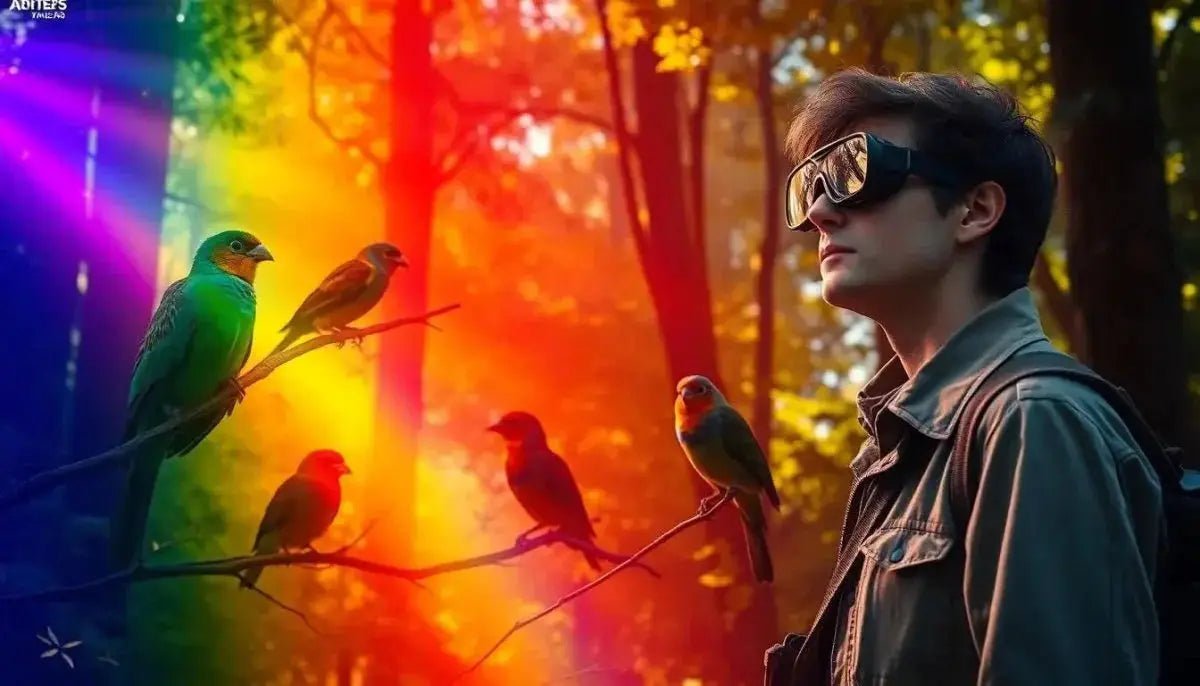
Birds possess a visual system that is vastly different from our own. While humans are trichromats, meaning we have three types of color-sensitive cells in our eyes, birds are typically tetrachromats, with four types of color-sensitive cells. This expanded visual spectrum allows them to perceive a wider range of colors, including ultraviolet (UV) wavelengths that are invisible to the human eye.
This enhanced color vision plays a crucial role in various aspects of bird behavior, from foraging and predator avoidance to social interactions and mate selection. For instance, many bird species use UV-reflective plumage patterns to communicate with potential mates, conveying information about their health, fitness, and social status. By tuning in to these subtle visual cues, birds can make informed decisions about their breeding partners, ensuring the survival and success of their offspring.
Navigating the Skies: The Compass of Light
One of the most remarkable abilities of birds is their remarkable navigation skills, which are heavily influenced by the light spectrum. Many species, such as migratory birds, rely on the sun's position and the Earth's magnetic field to orient themselves and find their way across vast distances. This process, known as celestial navigation, involves the birds' ability to perceive and interpret the subtle changes in the polarization and intensity of light throughout the day.
By detecting the patterns of polarized light in the sky, birds can determine the position of the sun, even on overcast days. This information, combined with their sensitivity to the Earth's magnetic field, allows them to create a mental compass that guides their flight paths with remarkable precision. Understanding this intricate relationship between light and navigation has been a crucial area of research, shedding light on the remarkable adaptations that enable birds to thrive in their ever-changing environments.
The Language of Light: Avian Communication
Beyond their navigational prowess, birds also utilize the light spectrum to communicate with one another. The vibrant colors and patterns of their plumage serve as visual signals, conveying a wealth of information about an individual's species, sex, age, and even social status. These visual cues are particularly important in the context of courtship and territorial disputes, where birds use their colorful displays to attract mates and assert their dominance.
But the role of light in avian communication extends beyond the visible spectrum. Many bird species are also sensitive to ultraviolet light, which they use to assess the health and quality of potential mates. For example, some species of finches have been observed to prefer mates with UV-reflective plumage, as this may indicate higher levels of carotenoids and other beneficial nutrients.
The Rhythm of Light: Circadian Cycles and Avian Behavior
The daily and seasonal cycles of light also play a crucial role in shaping the behavior of birds. Their internal circadian rhythms, which govern the timing of various physiological and behavioral processes, are closely synchronized with the fluctuations in light intensity and duration throughout the day and year.
For instance, the onset of dawn and dusk triggers the release of hormones that regulate the birds' sleep-wake cycles, feeding patterns, and reproductive activities. This sensitivity to light cues allows birds to anticipate and respond to the changing seasons, ensuring that their behaviors are aligned with the optimal conditions for survival and reproduction.
Avian Adaptations to Artificial Light
As our urban landscapes continue to expand, the natural light cycles that have guided bird behavior for millennia are increasingly being disrupted by the proliferation of artificial lighting. This exposure to artificial light at night (ALAN) can have profound effects on the behavior and physiology of birds, leading to disruptions in their circadian rhythms, foraging patterns, and even reproductive success.
Researchers have found that birds living in areas with high levels of ALAN may experience altered sleep-wake cycles, delayed migration patterns, and changes in their vocalizations and courtship behaviors. These disruptions can have cascading effects on the broader ecosystem, as birds play crucial roles in pollination, seed dispersal, and pest control.
Understanding the impact of artificial light on avian behavior is a crucial area of research, as it can inform urban planning and lighting design strategies that minimize the negative effects on our feathered friends. By preserving the natural light cycles and creating "dark sky" areas, we can help ensure that birds can continue to thrive in our increasingly urbanized world.
Conclusion: Unlocking the Secrets of Avian Behavior
As we've explored in this comprehensive blog post, the light spectrum is a fundamental component of the intricate world of bird behavior. From their enhanced visual perception to their remarkable navigational abilities and sophisticated communication strategies, birds' interactions with their environment are deeply shaped by the nuances of light.
By delving into the fascinating research on this topic, we can gain a deeper appreciation for the remarkable adaptations and behaviors that have evolved in these winged wonders. Whether you're an avid birdwatcher, a nature enthusiast, or simply someone curious about the natural world, understanding the role of light in avian behavior is a captivating journey that can unlock new perspectives on the incredible diversity of life on our planet.
So, the next time you hear the melodic calls of birds or witness their graceful aerial displays, take a moment to consider the hidden language of light that guides their every move. It is a testament to the enduring wonder of the natural world and the endless possibilities for discovery that lie within it.

De Talis Us


Dejar un comentario
Este sitio está protegido por hCaptcha y se aplican la Política de privacidad de hCaptcha y los Términos del servicio.