


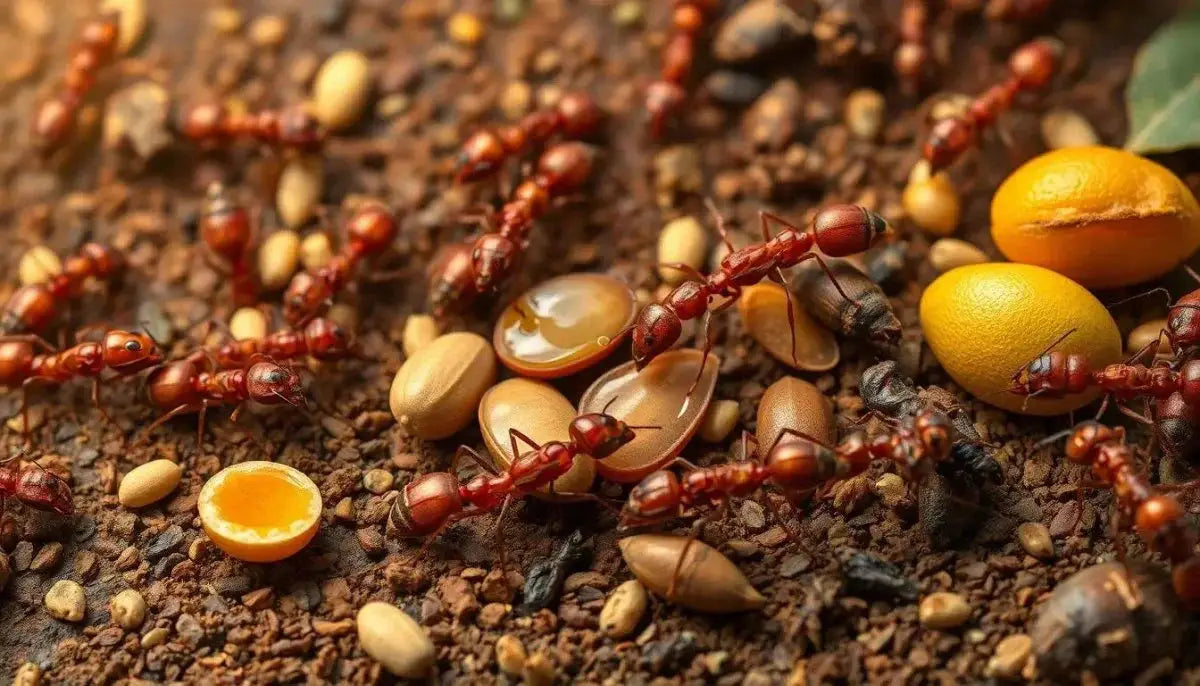
Uncovering the Diverse Diets of Ants: A Fascinating Exploration
As the sun rises on a crisp January morning in 2025, the world is abuzz with the latest discoveries about the intricate feeding habits of ants. These tiny, yet remarkably resilient creatures have long captivated the curiosity of scientists and nature enthusiasts alike, and today, we delve deeper into the fascinating world of what ants eat.
Ants are truly remarkable creatures, with a diverse array of species that can be found in almost every corner of the globe. From the towering redwood forests of the Pacific Northwest to the scorching deserts of the Sahara, these industrious insects have adapted to thrive in a wide range of environments, and their dietary preferences are just as varied.
The Omnivorous Ant
One of the most fascinating aspects of ant diets is their ability to consume a wide range of food sources. Many ant species are considered omnivores, meaning they will happily feast on both plant and animal matter. This adaptability has allowed ants to become one of the most successful and dominant species on the planet, with an estimated 12,000 to 14,000 different species worldwide.
From the sweet nectar of flowers to the protein-rich bodies of other insects, ants will scavenge and forage for whatever sustenance they can find. Some species even engage in a practice known as "farming," cultivating their own crops of fungus or tending to herds of aphids, which they use as a reliable source of food.
The Carnivorous Ant
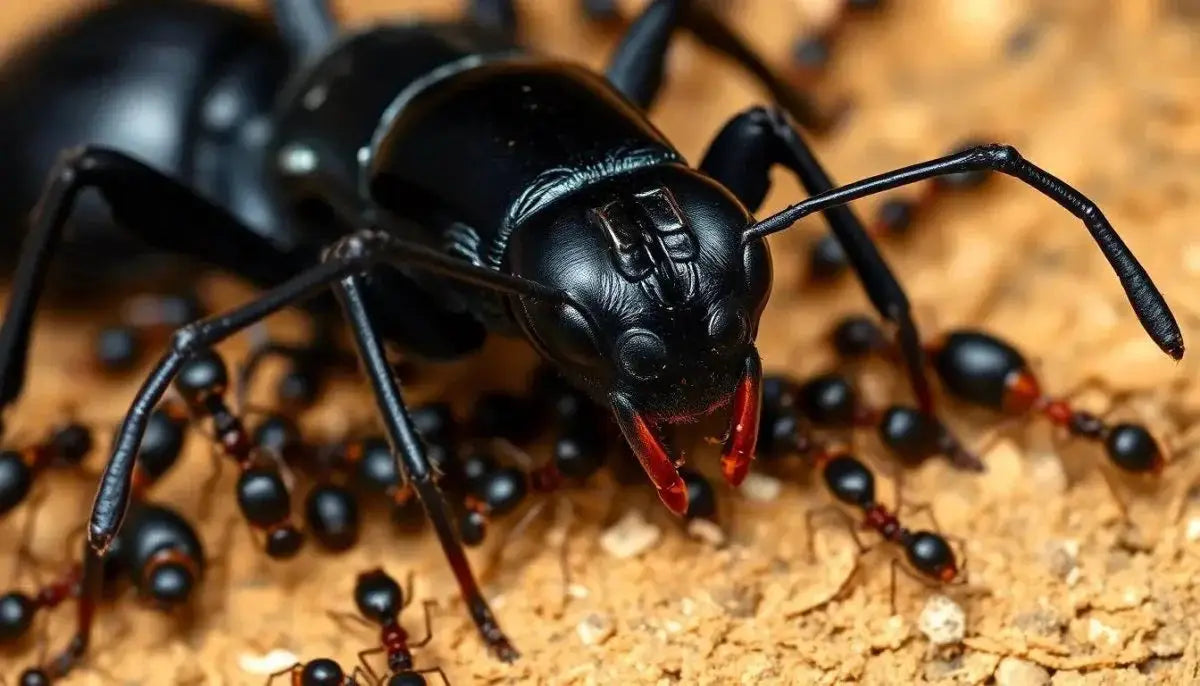
While many ants are content to supplement their diets with a variety of plant-based foods, there are also some species that are decidedly more carnivorous in their tastes. These predatory ants are known to hunt and consume other insects, small vertebrates, and even the eggs and young of other ant colonies.
The ferocity and efficiency of these carnivorous ants is truly awe-inspiring. Some species, such as the army ant, are known to work together in coordinated swarms, overwhelming their prey with sheer numbers and brute force. Other species, like the trap-jaw ant, have evolved specialized jaws that can snap shut with lightning speed, allowing them to capture and subdue even the most agile of prey.
The Specialized Ant
But the dietary diversity of ants doesn't end there. Some species have evolved even more specialized feeding habits, tailoring their diets to specific food sources or environmental conditions.
For example, the leaf-cutter ant is known for its ability to harvest and cultivate its own fungus gardens, using the leaves it collects as a substrate for the growth of this nutritious fungus. These ants have even been observed engaging in a form of "crop rotation," moving their fungus gardens to different locations to ensure a steady supply of fresh, high-quality food.
Similarly, the honeypot ant has developed a unique adaptation that allows it to store large quantities of liquid food, such as nectar or honeydew, in the bodies of specialized worker ants. These "repletes" serve as living food storage units, providing a reliable source of sustenance for the colony during times of scarcity.
The Adaptable Ant
Ultimately, the diversity of ant diets is a testament to the incredible adaptability and resilience of these remarkable creatures. Whether they are scavenging for scraps, hunting down prey, or cultivating their own food sources, ants have proven themselves to be masters of survival in even the most challenging of environments.
As we continue to explore and uncover the secrets of the ant world, it becomes increasingly clear that these tiny insects are far more complex and fascinating than we ever imagined. From the omnivorous generalist to the highly specialized feeder, the ant kingdom is a veritable treasure trove of biological wonder and evolutionary ingenuity.
So the next time you spot a colony of ants busily at work, take a moment to marvel at the incredible diversity of their dietary habits. For in the intricate web of what ants eat, we can glimpse the true breadth and depth of the natural world, and the endless possibilities that arise when evolution is allowed to work its magic.
The Importance of Ant Diets
But the study of ant diets is not just a matter of scientific curiosity – it also has important implications for the health and well-being of our planet. Ants play a crucial role in the functioning of ecosystems, serving as both predators and prey, and their feeding habits can have a profound impact on the delicate balance of the natural world.
For example, the leaf-cutter ants mentioned earlier are known to have a significant impact on the plant life in their local environments. By harvesting and cultivating their own fungus gardens, these ants can dramatically alter the composition of the surrounding vegetation, potentially leading to changes in the overall biodiversity of the ecosystem.
Similarly, the carnivorous ants that prey on other insects can play a vital role in controlling the populations of potential agricultural pests, helping to protect crops and ensure food security for human populations. Understanding the feeding habits of these predatory ants can therefore be crucial for the development of sustainable and environmentally-friendly pest management strategies.
The Future of Ant Research
As our understanding of ant diets continues to evolve, it is clear that these tiny creatures hold the key to unlocking a wealth of knowledge about the natural world. From the intricate relationships between ants and their food sources to the broader implications for ecosystem health and human well-being, the study of ant feeding habits is a field of research that is only just beginning to scratch the surface of its true potential.
In the years and decades to come, we can expect to see a surge of new discoveries and insights as scientists delve deeper into the fascinating world of ant diets. With the aid of advanced technologies and cutting-edge research methods, we may even uncover entirely new species or feeding strategies that challenge our current understanding of these remarkable insects.
One thing is certain: as we continue to explore the diverse and ever-changing world of ant diets, we will undoubtedly be rewarded with a deeper appreciation for the incredible complexity and resilience of the natural world. So let us embrace the wonder and curiosity that these tiny creatures inspire, and use it as a springboard to unlock the secrets of the ant kingdom and beyond.

De Talis Us


Dejar un comentario
Este sitio está protegido por hCaptcha y se aplican la Política de privacidad de hCaptcha y los Términos del servicio.