




Top Vet-Recommended Cat Foods for Indoor vs. Outdoor Cats
When it comes to keeping your feline friend healthy and happy, nutrition plays a crucial role that can't be overlooked. Whether you've got a couch potato indoor cat or an adventurous outdoor explorer, their dietary needs can vary significantly. At Talis US, we understand that every cat is unique, and finding the right food for your specific pet can make all the difference in their overall health, energy levels, and longevity.
The question of what to feed your cat isn't as simple as grabbing any bag off the shelf. Veterinarians across the country consistently recommend that cat owners take a thoughtful approach to their pet's nutrition, considering factors like activity level, age, health status, and lifestyle. In this comprehensive guide, we're going to dive deep into the world of cat nutrition and explore the best vet-recommended foods for both indoor and outdoor cats.
Understanding the Differences Between Indoor and Outdoor Cats
Before we jump into specific food recommendations, it's important to understand why indoor and outdoor cats have different nutritional needs. This distinction isn't just marketing hype—it's based on real physiological differences and lifestyle factors that affect how your cat's body processes food and energy.
Activity Levels and Energy Expenditure
Indoor cats typically have a much more sedentary lifestyle compared to their outdoor counterparts. An indoor cat might spend most of their day lounging on the couch, napping in sunny windowsills, or playing with toys for short bursts. This means they burn significantly fewer calories throughout the day. On the other hand, outdoor cats are constantly on the move—hunting, climbing, exploring their territory, and dealing with environmental challenges. These activities require substantially more energy, which means outdoor cats need more calories and different nutrient profiles to support their active lifestyle.
The difference in activity levels is so significant that feeding an outdoor cat the same amount of food as an indoor cat could lead to obesity in the indoor cat, while potentially leaving the outdoor cat undernourished. This is why veterinarians often recommend different caloric densities and nutrient ratios for these two groups.
Environmental Stress and Immune System Demands
Outdoor cats face environmental stressors that indoor cats simply don't encounter. They're exposed to temperature fluctuations, parasites, potential injuries, and various pathogens. Their immune systems are constantly working harder to protect them from these threats. This increased immune demand means outdoor cats benefit from foods rich in antioxidants, vitamins, and minerals that support immune function.
Indoor cats, while protected from many outdoor hazards, face their own set of challenges. They're more prone to obesity-related issues, urinary tract problems, and dental disease. Their nutrition should be tailored to prevent these common indoor cat health issues.
Digestive Considerations
The digestive systems of indoor and outdoor cats can also differ in their needs. Outdoor cats, who may consume prey and deal with parasites, benefit from foods that support digestive health and include ingredients that help maintain a healthy gut flora. Indoor cats, who eat more processed foods and have less varied diets, need nutrition that supports optimal digestion and prevents common issues like constipation and hairballs.
The Importance of High-Quality Protein in Cat Nutrition
Cats are obligate carnivores, which means they're biologically designed to eat meat. This is one of the most important facts to understand when selecting food for your cat, regardless of whether they're indoor or outdoor. Unlike dogs, who are omnivores and can thrive on a variety of food sources, cats have specific nutritional requirements that can only be met through animal-based proteins.
Why Protein Matters for Cats
Protein isn't just important for cats—it's essential. Cats require amino acids like taurine, which is found almost exclusively in animal tissue. Without adequate taurine, cats can develop serious health problems, including dilated cardiomyopathy, a potentially fatal heart condition. This is why veterinarians consistently recommend foods with high-quality animal proteins as the primary ingredient.
When you're reading cat food labels, look for foods where meat, fish, or poultry is listed as the first ingredient. Avoid foods that rely heavily on plant-based proteins or fillers. The protein content should ideally be at least 30-40% for adult cats, with outdoor cats potentially benefiting from even higher protein levels due to their increased activity.
Different Protein Sources and Their Benefits
Not all proteins are created equal. Different protein sources offer different nutritional profiles and benefits. Chicken is a lean protein that's excellent for weight management. Fish provides omega-3 fatty acids that support skin and coat health. Turkey is another lean option that many cats find palatable. Beef offers a rich source of iron and B vitamins. The best approach is to look for foods that include multiple high-quality protein sources, giving your cat a diverse nutrient profile.
For outdoor cats, some veterinarians recommend rotating between different protein sources to provide variety and ensure your cat gets a broad spectrum of nutrients. This mimics the varied diet an outdoor cat might naturally consume through hunting different prey.
Top Vet-Recommended Cat Foods for Indoor Cats
Now let's get into the specific recommendations. These are foods that veterinarians across the country consistently recommend for indoor cats, based on their nutritional profiles, ingredient quality, and track record of supporting feline health.
Premium Dry Foods for Indoor Cats
When it comes to dry food options for indoor cats, several brands stand out in veterinary recommendations. Royal Canin Indoor is specifically formulated for indoor cats and includes a controlled calorie content to help prevent obesity. The formula includes a blend of fibers that promotes digestive health and helps with hairball management—a common issue in indoor cats.
Hill's Science Diet Indoor is another top choice that veterinarians frequently recommend. This food is developed with veterinary nutritionists and includes a balanced blend of nutrients specifically designed for indoor cats. It contains controlled fat and calorie levels to help maintain a healthy weight, and it includes ingredients that support urinary tract health, which is important since indoor cats are more prone to urinary issues.
Purina Pro Plan Focus Indoor Care is also highly regarded by veterinarians. This formula includes real chicken as the first ingredient and is formulated to support digestive health and maintain a healthy weight. It also includes a prebiotic fiber that supports beneficial bacteria in the digestive tract.
Premium Wet Foods for Indoor Cats
Many veterinarians recommend including wet food in an indoor cat's diet, as it provides additional hydration and can help with weight management by providing satiety with fewer calories. Fancy Feast Classic Paté is a popular option that comes in various flavors, allowing you to find what your cat enjoys. The paté texture is easy for cats to eat and digest.
Sheba Perfect Portions is another excellent wet food option that comes in convenient single-serving portions, making it easy to control portions and prevent waste. The food is formulated with high-quality proteins and includes essential nutrients for indoor cats.
Wellness CORE Grain-Free is a premium wet food option for cat owners who prefer grain-free formulas. It's made with high-quality proteins and includes no grains, corn, wheat, or soy. This can be particularly beneficial for cats with sensitivities or allergies.
Prescription Diets for Indoor Cats with Specific Needs
Some indoor cats have specific health concerns that require prescription diets. Hill's Science Diet m/d is formulated for weight management and is often recommended for overweight indoor cats. Royal Canin Digestive Care is designed for cats with digestive sensitivities. If your indoor cat has urinary tract issues, your veterinarian might recommend Hill's Science Diet c/d or Royal Canin Urinary SO.
These prescription diets are specifically formulated to address particular health concerns and should only be used under veterinary guidance. They're often more expensive than regular foods, but they can be invaluable in managing chronic health conditions.
Top Vet-Recommended Cat Foods for Outdoor Cats
Outdoor cats have different nutritional needs, and the foods recommended for them reflect these differences. Let's explore the top choices that veterinarians recommend for outdoor felines.
High-Protein Dry Foods for Outdoor Cats
Outdoor cats benefit from higher protein content to support their active lifestyle. Orijen Cat & Kitten is a premium dry food that contains 42% crude protein, making it ideal for active outdoor cats. It's made with fresh, regional ingredients and includes a variety of meat sources, providing a diverse nutrient profile.
Acana Pacifica Cat is another excellent choice for outdoor cats. With 35% crude protein and made with fresh fish and poultry, it provides the energy and nutrients outdoor cats need. The formula includes a variety of ingredients that support overall health and vitality.
Taste of the Wild High Prairie Feline is formulated to mimic the natural diet of wild cats. It includes roasted venison, beef, and bison as primary ingredients, providing high-quality proteins and a diverse nutrient profile. This food is grain-free and includes probiotics for digestive health.
High-Protein Wet Foods for Outdoor Cats
Sheba Premium Selections offers a variety of flavors in a high-quality wet food format. These foods are made with real meat and fish and provide excellent nutrition for active outdoor cats. The variety of flavors can help keep outdoor cats interested in their food.
Fancy Feast Creamy Delights is another option that provides high-quality nutrition in a wet format. The creamy texture is appealing to many cats, and the formula includes real meat and fish.
Wellness CORE Grain-Free Wet Food is an excellent premium option for outdoor cats. With high protein content and no grains, it provides the nutrition outdoor cats need to maintain their active lifestyle and support their immune systems.
Raw and Fresh Food Options for Outdoor Cats
Some veterinarians recommend raw or fresh food diets for outdoor cats, as these diets most closely mimic what cats would naturally eat. Primal Raw Frozen Cat Food is made from raw, whole prey ingredients and provides complete nutrition. These foods need to be handled carefully to prevent bacterial contamination, but many cat owners find them beneficial for their outdoor cats.
Stella & Chewy's Freeze-Dried Raw is another option that provides the benefits of raw food with easier handling and storage. These foods are made from raw, whole prey ingredients and are freeze-dried to preserve nutrients while making them shelf-stable.
Nutritional Components Every Cat Needs
Regardless of whether your cat is indoor or outdoor, certain nutritional components are essential for their health and wellbeing. Understanding these components can help you evaluate cat foods and make informed decisions about your pet's nutrition.
Taurine: The Essential Amino Acid
As mentioned earlier, taurine is absolutely critical for cats. This amino acid is found almost exclusively in animal tissue and is essential for heart health, vision, and reproductive function. Cats cannot synthesize taurine on their own, so it must be provided through their diet. All quality cat foods should include taurine, and the amount should be clearly listed on the label.
The recommended amount of taurine for adult cats is at least 100 mg/kg of food (dry matter basis). However, many premium foods exceed this minimum, providing 1000-2000 mg/kg or more. Higher levels of taurine are generally considered beneficial and are often found in premium and prescription diets.
Essential Fatty Acids
Omega-3 and omega-6 fatty acids are essential for cats and play important roles in skin and coat health, immune function, and inflammation management. Fish-based foods are excellent sources of omega-3 fatty acids, while poultry and other meat sources provide omega-6 fatty acids. A balanced ratio of these fatty acids is important for optimal health.
For outdoor cats, adequate fatty acids are particularly important for maintaining a healthy coat that provides protection from the elements. For indoor cats, these fatty acids support skin health and can help reduce shedding and hairball issues.
Vitamins and Minerals
Cats require a full spectrum of vitamins and minerals to maintain optimal health. These include vitamins A, D, E, K, and the B vitamins, as well as minerals like calcium, phosphorus, magnesium, and zinc. Quality cat foods should include these nutrients in appropriate amounts and ratios.
One particular concern is magnesium levels, as excessive magnesium can contribute to urinary tract issues in cats. This is why many foods formulated for indoor cats have controlled magnesium levels. Your veterinarian can help you determine if your cat needs a food with specific mineral ratios based on their health status.
Fiber Content
Fiber plays an important role in digestive health and can help with weight management and hairball control. However, cats don't require as much fiber as dogs do. Most quality cat foods include moderate amounts of fiber from sources like beet pulp, cellulose, or plant-based ingredients.
For indoor cats prone to hairballs or constipation, foods with higher fiber content can be beneficial. For outdoor cats, moderate fiber content supports digestive health without compromising the meat-based nature of their diet.
Reading and Understanding Cat Food Labels
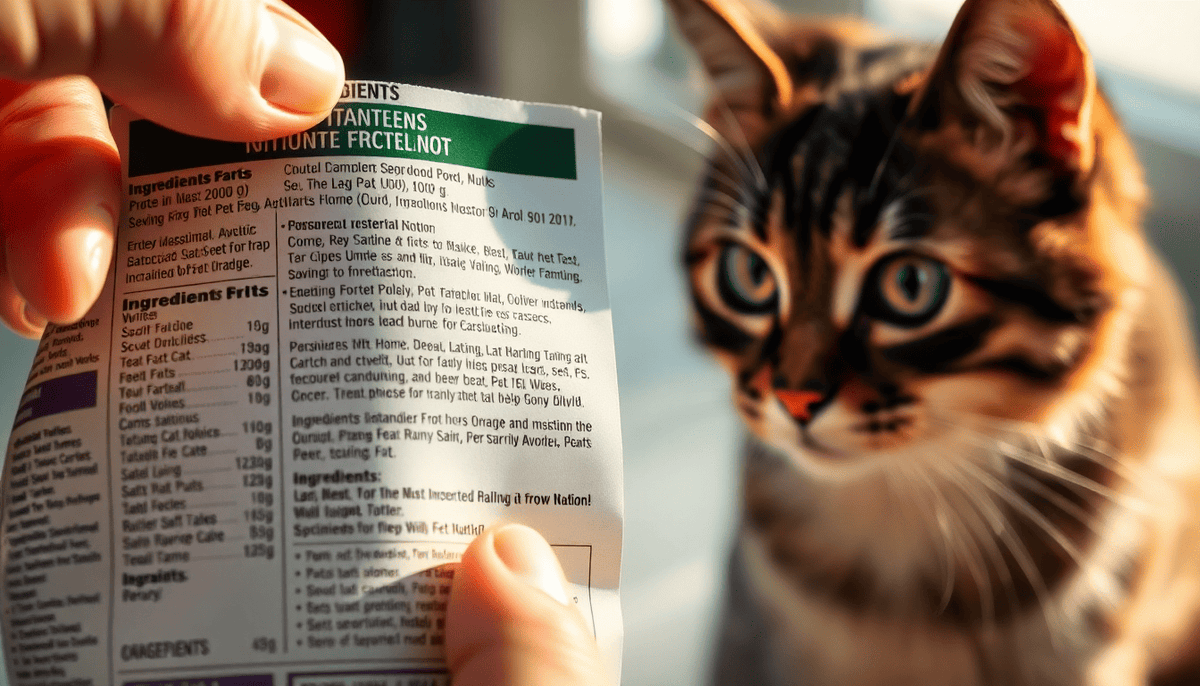
One of the most important skills for a cat owner is the ability to read and understand cat food labels. This allows you to make informed decisions about what you're feeding your pet and to compare different products effectively.
The Ingredient List
The ingredient list is listed by weight, with the heaviest ingredients first. For cats, you want to see meat, fish, or poultry as the first ingredient. Avoid foods where grains or plant-based ingredients are listed first. Look for named meat sources like "chicken" or "salmon" rather than vague terms like "meat meal" or "animal by-products."
The first five ingredients are particularly important, as they make up the bulk of the food. Ideally, at least the first three ingredients should be high-quality animal proteins. Be wary of foods that list multiple grain sources in the first five ingredients, as this often indicates that grains make up a significant portion of the food.
Guaranteed Analysis
The guaranteed analysis section provides information about the minimum percentages of crude protein and crude fat, and the maximum percentages of crude fiber and moisture. For cats, look for foods with at least 30-40% crude protein and 10-15% crude fat. The moisture content should be appropriate for the food type—dry foods typically have 10% or less moisture, while wet foods have 75-80% moisture.
AAFCO Certification
The Association of American Feed Control Officials (AAFCO) sets nutritional standards for pet foods. Look for a statement on the label indicating that the food is "complete and balanced" according to AAFCO standards. This means the food has been formulated to meet the nutritional requirements for cats. You'll typically see this statement near the guaranteed analysis.
Understanding Marketing Claims
Be cautious of marketing claims on cat food labels. Terms like "natural," "premium," and "gourmet" aren't regulated and don't necessarily indicate superior nutrition. Focus instead on the actual ingredient list and guaranteed analysis. "Grain-free" is a legitimate claim that indicates the absence of grains, but it doesn't necessarily mean the food is superior—some cats do well on grain-inclusive diets.
Special Dietary Considerations for Different Life Stages
Cats have different nutritional needs at different stages of their lives. Understanding these needs can help you select the most appropriate food for your cat's age and life stage.
Kitten Nutrition
Kittens have higher protein and calorie requirements than adult cats to support their rapid growth and development. Kitten foods typically contain 30-40% protein and higher fat content than adult foods. They also include higher levels of certain minerals like calcium and phosphorus to support bone development.
If you have a kitten, look for foods specifically formulated for kittens. These foods are designed to support proper growth and development. Once your cat reaches adulthood (usually around one year of age), you can transition to adult formulas.
Adult Cat Nutrition
Adult cats, whether indoor or outdoor, require a balanced diet that maintains their health and supports their lifestyle. Adult cat foods typically contain 30-40% protein and are formulated to maintain a healthy weight and support overall health.
The transition from kitten food to adult food should be done gradually over 7-10 days, mixing increasing amounts of the new food with decreasing amounts of the old food. This gradual transition helps prevent digestive upset.
Senior Cat Nutrition
Senior cats, typically those over seven years of age, have different nutritional needs than younger adults. They often have lower activity levels and may have dental issues that make it harder to eat dry food. Senior cat foods are often formulated with lower calories to prevent obesity, but with higher quality proteins to help maintain muscle mass.
Senior cats may also benefit from foods with added joint support ingredients like glucosamine and chondroitin. Some senior cats develop kidney disease, and prescription diets formulated for kidney support may be recommended by your veterinarian.
Common Health Issues and Dietary Solutions
Certain health issues are more common in indoor or outdoor cats, and dietary adjustments can often help manage or prevent these issues.
Obesity in Indoor Cats
Obesity is one of the most common health issues in indoor cats. It can lead to diabetes, joint problems, and other serious health conditions. Dietary management is crucial for weight loss and prevention. Look for foods specifically formulated for weight management, which typically have lower calorie density and higher fiber content to promote satiety.
Weight loss should be gradual—aim for a loss of about 1-2% of body weight per week. Your veterinarian can help you determine the appropriate calorie intake for your cat's weight loss goals. In some cases, prescription weight management diets may be recommended.
Urinary Tract Issues
Indoor cats are more prone to urinary tract issues, including feline lower urinary tract disease (FLUTD) and

De Talis Us


Dejar un comentario
Este sitio está protegido por hCaptcha y se aplican la Política de privacidad de hCaptcha y los Términos del servicio.