


The Ultimate Guide to Choosing the Perfect Food Dishes for Your Reptiles
So you've got a scaly friend at home, and you're wondering what the heck you're supposed to feed them in. Yeah, we get it – reptile care can feel overwhelming at first, but don't worry! We're here to break down everything you need to know about food dishes for reptiles. Whether you've got a bearded dragon, a corn snake, a leopard gecko, or any other reptilian buddy, the right food dish can make a huge difference in their health, happiness, and overall quality of life.
Let's be real – feeding your reptile isn't just about tossing some crickets into a random bowl and calling it a day. There's actually quite a bit to consider when it comes to choosing the right food dish for your scaly companion. From size and material to depth and drainage, every detail matters. And that's exactly what we're going to explore in this comprehensive guide.
Why the Right Food Dish Actually Matters
You might be thinking, "It's just a dish, right?" Well, not exactly. The food dish you choose for your reptile can impact their feeding behavior, digestion, safety, and overall well-being in ways you might not have considered. Let's dive into why this matters so much.
Safety First
One of the biggest reasons to invest in the right food dish is safety. Some reptiles are curious creatures that like to explore everything in their enclosure, and if you're using the wrong type of dish, your pet could accidentally ingest substrate (that's the bedding material) along with their food. This can lead to impaction, which is a serious health issue that can be life-threatening if not treated promptly. A proper food dish helps contain the food and prevents your reptile from accidentally consuming harmful materials.
Additionally, certain materials can be toxic to reptiles. Some plastics, for instance, can leach chemicals when exposed to heat or UV light, which is common in reptile enclosures. Using a food dish made from safe, reptile-appropriate materials is crucial for preventing poisoning or chemical exposure.
Feeding Behavior and Digestion
Different reptiles have different feeding behaviors, and the right dish can actually encourage healthy eating habits. For example, some reptiles are ambush predators that prefer to hunt their food, while others are more passive feeders. The shape, size, and placement of the food dish can influence how your reptile interacts with their food, which can affect their digestion and nutrient absorption.
Hygiene and Cleanliness
A proper food dish makes it easier to keep your reptile's enclosure clean. When food is contained in a designated dish rather than scattered around the enclosure, it's much easier to remove uneaten food before it spoils and creates bacteria or mold. This is especially important for reptiles that eat live insects, as uneaten insects can bite or stress your pet if left in the enclosure too long.
Types of Reptiles and Their Specific Needs
Not all reptiles eat the same way, and not all food dishes are created equal. Let's break down the different types of reptiles and what they need in terms of feeding dishes.
Bearded Dragons
Bearded dragons are omnivores that eat both insects and vegetables. They're relatively large reptiles with big appetites, so they need appropriately sized dishes. A bearded dragon food dish should be wide enough to accommodate multiple food items and sturdy enough to withstand their enthusiastic feeding behavior. Many bearded dragon owners use shallow ceramic or stainless steel dishes that are easy to clean and won't tip over easily.
One thing to keep in mind with bearded dragons is that they often like to bask near their food, so you might want to place the dish in an area where they can comfortably access it without having to travel too far from their heat source. This encourages regular feeding and helps with digestion.
Leopard Geckos
Leopard geckos are insectivores, meaning they eat primarily insects. They're smaller than bearded dragons and have different feeding behaviors. These little guys are ambush predators, so they often prefer to hunt their food rather than eat from a stationary dish. However, many leopard gecko owners still use shallow dishes to contain insects and make feeding time easier to manage.
For leopard geckos, you'll want a smaller, shallow dish – something that won't take up too much space in their enclosure but is still functional. Some owners prefer to use dishes with slightly raised edges to prevent insects from escaping too easily.
Corn Snakes and Other Snakes
Snakes are a bit different because they typically eat whole prey items like mice or rats. Most snake owners don't use traditional food dishes at all. Instead, they either feed their snakes in a separate feeding container or place the prey item directly in the enclosure. However, if you do want to use a dish, it should be large enough to accommodate the prey item without the snake having to struggle to eat.
Some snake owners prefer feeding in a separate container to reduce the risk of the snake accidentally ingesting substrate or getting injured during feeding. This is especially important for snakes that are aggressive feeders.
Bearded Dragons and Other Omnivorous Reptiles
For omnivorous reptiles like bearded dragons, you might actually want to use two separate dishes – one for insects and one for vegetables. This allows you to control portions more easily and makes it simpler to remove uneaten food. It also helps you monitor what your reptile is actually eating, which is important for ensuring they're getting proper nutrition.
Aquatic and Semi-Aquatic Reptiles
Turtles and aquatic reptiles have unique feeding needs. Some species are fully aquatic and eat while submerged, so they don't really need a traditional food dish. However, semi-aquatic species or those that bask on land might benefit from a shallow dish placed on their basking area. The key is making sure the dish is stable and won't tip over when your reptile interacts with it.
Materials: What's Safe and What's Not
The material of your reptile's food dish is incredibly important. Let's explore the different options and what makes each one suitable or unsuitable for reptile feeding.
Ceramic and Porcelain
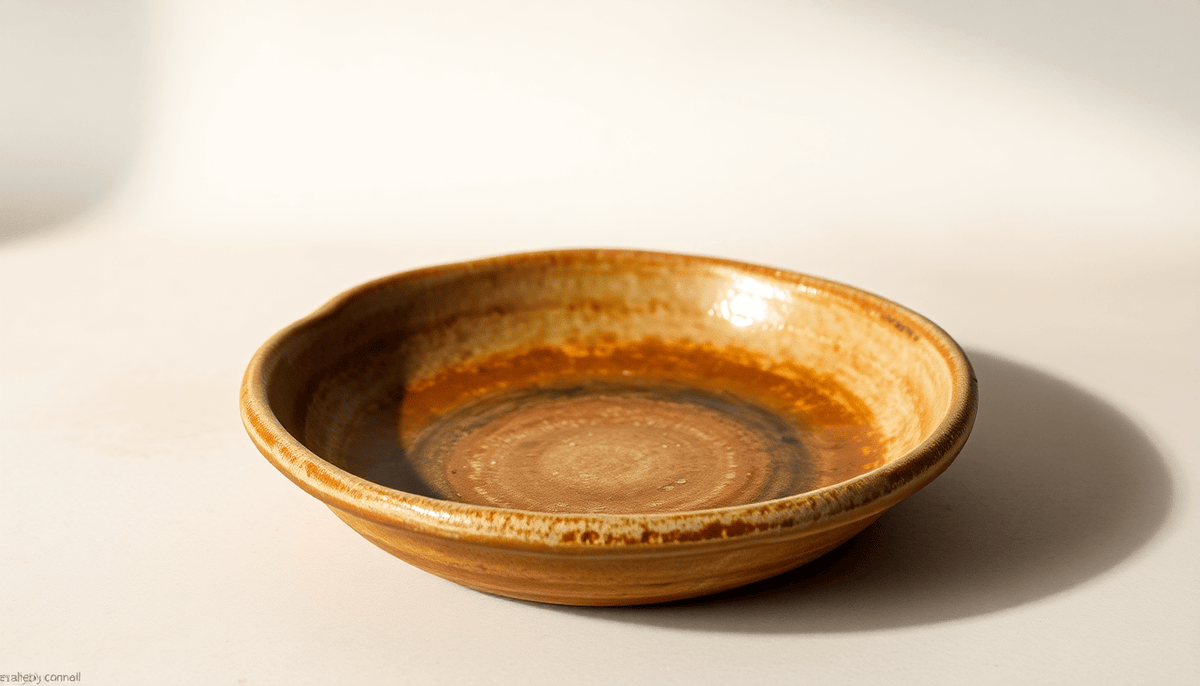
Ceramic and porcelain dishes are excellent choices for reptile feeding. They're durable, easy to clean, and don't leach chemicals. They also retain heat well, which can be beneficial for reptiles that need warmth for proper digestion. Ceramic dishes are typically affordable and come in various sizes and styles. The main downside is that they can break if dropped, so you'll want to be careful when handling them.
Stainless Steel
Stainless steel is another fantastic option for reptile food dishes. It's incredibly durable, easy to sanitize, and won't rust or corrode. Stainless steel dishes are also great for maintaining temperature, and they're virtually indestructible. They're slightly more expensive than ceramic, but they'll last for years. The only potential issue is that some reptiles might be startled by their reflection in the shiny surface, but this is usually not a major concern.
Glass
Glass dishes can work for reptile feeding, but they're not ideal. While glass is safe and easy to clean, it can break easily, and broken glass in a reptile enclosure is a serious hazard. If you do use glass, make sure it's thick and sturdy, and keep a close eye on it for any cracks or chips.
Plastic
Here's where we need to be careful. Not all plastics are safe for reptiles. Some plastics can leach chemicals like BPA when exposed to heat or UV light, which is common in reptile enclosures. If you do use plastic, make sure it's labeled as food-safe and reptile-safe. Look for plastics that are specifically designed for reptile use. Avoid cheap, thin plastics that are likely to degrade quickly.
Natural Materials
Some people use natural materials like slate or stone for reptile food dishes. These can work well because they're durable, safe, and often look nice in the enclosure. However, they can be heavy and difficult to clean, and they might harbor bacteria in cracks or crevices. If you use natural materials, make sure to clean them thoroughly and regularly.
Materials to Avoid
Never use materials that are toxic or unsafe for reptiles. Avoid dishes made from lead-based ceramics, as lead can be toxic. Don't use materials that are treated with chemicals or pesticides. Avoid anything that could splinter or break into sharp pieces. And definitely don't use dishes made from materials that could leach harmful chemicals into your reptile's food.
Size and Depth Considerations
Getting the right size and depth for your reptile's food dish is crucial. Let's talk about what to consider.
Matching the Dish to Your Reptile's Size
The food dish should be appropriately sized for your reptile. A dish that's too large might make it difficult for your reptile to locate and access their food, while a dish that's too small might not hold enough food or might tip over easily. As a general rule, the dish should be about one-third to one-half the width of your reptile's body.
For example, a bearded dragon might need a dish that's 4-6 inches in diameter, while a leopard gecko might only need a 2-3 inch dish. If you're unsure about the right size, it's always better to go slightly larger than too small – you can always use less food.
Depth Matters
The depth of the dish is also important. For insects, a shallow dish (about 1-2 inches deep) is usually ideal because it prevents insects from escaping too easily while still allowing your reptile to access them comfortably. For vegetables, you might want a slightly deeper dish to prevent food from spilling out of the enclosure.
However, you don't want the dish to be so deep that your reptile has to struggle to reach the food at the bottom. This can cause stress and might discourage them from eating. Aim for a depth that allows your reptile to comfortably access all the food in the dish.
Stability
Make sure the dish is stable and won't tip over easily. A tipped-over dish can spill food all over the enclosure, create a mess, and potentially injure your reptile. Look for dishes with a wide base and low center of gravity. Some dishes have slightly raised edges or lips that help prevent tipping.
Shape and Design Features
The shape and design of the food dish can impact how well it works for your reptile. Let's explore some different options.
Round Dishes
Round dishes are the most common and versatile option. They work well for most reptiles and are easy to find in various sizes. Round dishes are simple to clean and typically affordable. They're a safe bet if you're not sure what you need.
Rectangular Dishes
Rectangular dishes can be great for larger reptiles or for situations where you want to separate different types of food. They often provide more surface area than round dishes, which can be helpful for reptiles that like to spread out their food. However, they can be harder to clean in tight corners.
Dishes with Raised Edges
Some dishes have slightly raised edges or lips. These can be helpful for preventing insects from escaping and for keeping food contained within the dish. However, make sure the edges aren't so high that they prevent your reptile from accessing the food easily.
Dishes with Drainage
For aquatic or semi-aquatic reptiles, dishes with drainage holes can be helpful. These allow water to drain while keeping food contained. However, for terrestrial reptiles, drainage isn't usually necessary and might actually make the dish less functional.
Textured vs. Smooth Surfaces
Some dishes have textured surfaces, which can provide traction for your reptile's feet. This can be helpful for preventing slipping, especially for reptiles that are prone to sliding around. Smooth surfaces are easier to clean but might be slippery for some reptiles.
Placement and Setup Tips
Where you place the food dish in your reptile's enclosure is just as important as the dish itself. Let's talk about optimal placement strategies.
Proximity to Heat Sources
For reptiles that need heat for digestion, placing the food dish relatively close to the heat source can be beneficial. This encourages your reptile to eat and helps with digestion. However, you don't want the dish to be so close that it gets too hot or that your reptile can't access it comfortably.
Away from Water Sources
If your reptile has a water bowl or water feature in their enclosure, try to place the food dish away from it. This helps prevent food from getting contaminated with water and keeps the enclosure cleaner overall.
In a Designated Feeding Area
Creating a designated feeding area in your reptile's enclosure can help establish routine and make feeding time easier to manage. Your reptile will learn to expect food in that location, which can actually encourage healthy eating habits.
Accessible but Not Intrusive
The food dish should be easily accessible to your reptile but shouldn't take up too much space in the enclosure. You want to maintain enough open space for your reptile to move around, bask, and explore.
Elevated Placement
For some reptiles, elevating the food dish slightly can be beneficial. This can reduce the risk of substrate contamination and might make it easier for your reptile to access the food. However, make sure the elevation isn't so high that your reptile can't reach it comfortably.
Feeding Live Insects: Special Considerations
If you're feeding your reptile live insects, there are some special considerations when it comes to food dishes.
Escape Prevention
Live insects are escape artists, so you'll want a dish that prevents them from getting out too easily. A shallow dish with slightly raised edges works well for this purpose. Some people use dishes with a slight lip or rim that makes it harder for insects to climb out.
Insect Containment
You might want to consider using a feeding container or enclosure specifically designed for feeding live insects. These containers keep the insects contained while allowing your reptile to hunt and eat. This is especially useful if you're feeding your reptile in the main enclosure and want to prevent escaped insects from causing problems.
Monitoring Uneaten Insects
Live insects that aren't eaten can bite, stress, or even injure your reptile if left in the enclosure too long. That's why it's important to remove uneaten insects within a reasonable timeframe – usually within 15-30 minutes, depending on your reptile's feeding habits. Using a designated food dish makes it easier to monitor and remove uneaten insects.
Nutritional Considerations
Different insects have different nutritional profiles, and the dish you use might affect how your reptile interacts with different types of insects. For example, crickets might escape more easily than dubia roaches, so you might need different dishes for different insects.
Cleaning and Maintenance
Proper cleaning and maintenance of your reptile's food dish is crucial for preventing bacterial growth and keeping your reptile healthy.
Daily Cleaning
Remove uneaten food from the dish daily. This prevents spoilage, mold growth, and bacterial contamination. If your reptile eats wet food or vegetables, remove these within a few hours to prevent them from spoiling.
Weekly Deep Cleaning
Once a week, thoroughly clean the food dish with hot water and a reptile-safe cleaner. You can use a mild soap and water solution, or you can use a specialized reptile enclosure cleaner. Make sure to rinse thoroughly to remove all soap residue.
Sanitization
Periodically sanitize the food dish to kill any bacteria or parasites. You can do this by soaking the dish in a diluted bleach solution (1 part bleach to 10 parts water) for 10-15 minutes, then rinsing thoroughly. Alternatively, you can use a reptile-safe disinfectant spray.
Inspection
Regularly inspect the food dish for cracks, chips, or signs of wear. If the dish is damaged, replace it immediately to prevent your reptile from being injured or ingesting harmful materials.
Storage
When not in use, store the food dish in a clean, dry place. If you have multiple reptiles, make sure to use separate dishes for each one to prevent cross-contamination.
Common Mistakes to Avoid
Let's talk about some common mistakes people make when it comes to reptile food dishes.
Using the Wrong Size
One of the most common mistakes is using a dish that's too large or too small for your reptile. This can make feeding time stressful for both you and your pet. Take time to measure your reptile and choose an appropriately sized dish.
Neglecting Cleanliness
Failing to clean the food dish regularly can lead to bacterial growth, mold, and parasites. This is a serious health risk for your reptile. Make cleaning the food dish part of your regular reptile care routine.
Using Unsafe Materials
Using dishes made from toxic materials or materials that leach chemicals is a major mistake. Always choose dishes made from safe, reptile-appropriate materials.
Placing the Dish in the Wrong Location
Placing the food dish in an inconvenient location can discourage your reptile from eating. Take time to find the optimal placement that encourages healthy feeding habits.
Not Removing Uneaten Food
Leaving uneaten food in the enclosure can lead to spoilage, bacterial growth, and stress for your reptile. Make it a habit to remove uneaten food promptly.
Using the Same Dish for Multiple Reptiles
If you have multiple reptiles, each one should have its own food dish. Sharing dishes can lead to cross-contamination and the spread of parasites or diseases.

De Talis Us


Dejar un comentario
Este sitio está protegido por hCaptcha y se aplican la Política de privacidad de hCaptcha y los Términos del servicio.