


The Ultimate Cat Supplies Checklist for New Cat Owners
So you're bringing home a new feline friend! Congratulations on your exciting new adventure. Whether you're adopting your first cat or adding another furry family member to your household, making sure you have all the right supplies is absolutely crucial. There's nothing worse than bringing your new kitty home only to realize you forgot something important. That's why I've put together this comprehensive guide to help you get everything you need before your new cat arrives. Let's dive in and make sure you're fully prepared for this amazing journey!
Understanding Your Cat's Basic Needs
Before we jump into the shopping list, let's talk about what cats actually need to thrive in their new home. Cats are independent creatures, but they still rely on their humans to provide them with everything necessary for a happy, healthy life. Understanding these basic needs will help you make better purchasing decisions and ensure your new pet feels comfortable and secure from day one.
Food and Water Essentials
Your cat needs high-quality nutrition to maintain optimal health. This is one of the most important investments you'll make as a cat owner. Cats are obligate carnivores, which means they need meat-based proteins to survive and thrive. When you're shopping for cat food, you'll want to look for options that list real meat as the primary ingredient.
There are several types of cat food available on the market. Dry kibble is convenient and helps with dental health, but many cats don't drink enough water when eating primarily dry food. Wet food is more hydrating and often more palatable to cats, though it can be messier and more expensive. Many cat owners find that a combination of both works best for their feline friends.
You'll also need food and water bowls. Some cats prefer wide, shallow bowls because they don't like their whiskers touching the sides. Stainless steel or ceramic bowls are better choices than plastic, as plastic can harbor bacteria and sometimes causes chin acne in cats. Consider getting separate bowls for food and water, and place them in a quiet area away from the litter box.
A water fountain is an excellent addition to your cat supplies. Many cats are attracted to running water and will drink more when they have a fountain available. This is particularly helpful if your cat doesn't seem to drink enough water throughout the day. Proper hydration is essential for kidney health and can help prevent urinary tract issues.
Litter Box Setup
The litter box is perhaps the most essential item you'll purchase for your new cat. Cats are naturally inclined to use a litter box, but they need to have easy access to a clean one. The general rule is to have one litter box per cat, plus one extra. So if you have one cat, you should ideally have two litter boxes.
There are many types of litter boxes available. Traditional open boxes are the most common and affordable option. Covered boxes provide privacy and help contain litter scatter, though some cats feel trapped in them. Top-entry boxes are great for reducing litter tracking and keeping dogs out if you have them. Automatic self-cleaning boxes can be convenient, though they're more expensive and require regular maintenance.
Litter box size matters too. Your cat should be able to turn around comfortably in the box. A good rule of thumb is that the box should be one and a half times the length of your cat's body. Larger boxes are generally better than smaller ones, as cats are more likely to use them consistently.
You'll also need to choose a litter type. Clay litter is traditional and affordable but creates dust that can be harmful to your cat's respiratory system. Clumping litter makes cleaning easier. Natural litters made from materials like pine, wheat, or corn are less dusty and more environmentally friendly. Some cats have preferences, so you might need to experiment to find what your cat likes best.
Litter box location is crucial. Place the box in a quiet, accessible area away from your cat's food and water bowls. Cats don't like to eliminate near where they eat. Make sure the box is easily accessible and not in a high-traffic area where your cat might feel exposed or stressed.
Comfort and Sleeping Arrangements
Cats spend a significant portion of their day sleeping and resting. Providing comfortable places for them to rest is essential for their well-being and happiness.
Cat Beds and Resting Spots
Your cat will appreciate having multiple comfortable places to sleep throughout your home. Cats like to have options and often enjoy sleeping in different spots depending on the time of day and their mood. A cozy cat bed in a quiet corner is a great starting point. Look for beds with soft, washable covers that you can easily clean.
Window perches are fantastic additions to any cat home. Cats love to watch the world outside, and a sunny window perch provides both entertainment and a warm place to nap. Window perches come in various styles, from simple hammocks to elaborate multi-level structures. Even a simple cushion placed on a windowsill can provide hours of entertainment for your cat.
Cat trees and climbing structures serve multiple purposes. They provide elevated resting spots where cats feel safe and secure, they offer exercise opportunities, and they help satisfy your cat's natural climbing instincts. A good cat tree should be sturdy and stable, with multiple levels and hiding spots. Look for trees with scratching posts built in, as this serves double duty for your cat's needs.
Blankets and Soft Furnishings
Having soft blankets and cushions around your home gives your cat comfortable places to curl up. Cats love warmth, so they'll appreciate blankets in their favorite resting spots. Washable blankets are ideal since cats can shed and sometimes have accidents. Keep extra blankets in different areas of your home so your cat always has a cozy spot nearby.
Grooming and Health Supplies
Keeping your cat clean and healthy is an important part of responsible pet ownership. Having the right grooming supplies on hand will make this task much easier.
Brushes and Grooming Tools
Regular brushing is essential for all cats, but especially for long-haired breeds. Brushing helps remove loose fur, prevents matting, and reduces the amount of hair your cat ingests while grooming themselves. A slicker brush is great for removing tangles and mats, while a metal comb helps with fine grooming and flea detection.
Short-haired cats benefit from regular brushing too, even though they don't mat as easily. A rubber grooming brush or a soft-bristled brush works well for short-haired cats and many cats actually enjoy the massage sensation. Nail clippers are another essential grooming tool. Keeping your cat's nails trimmed prevents them from becoming overgrown and causing discomfort or damage to your furniture.
A cat toothbrush and cat-safe toothpaste are important for maintaining your cat's dental health. Dental disease is common in cats, and regular brushing can help prevent problems. Start slowly with tooth brushing, as many cats need time to get used to it.
First Aid and Health Items
Having a basic first aid kit for your cat is smart preparation. Include items like gauze, antiseptic wipes, antibiotic ointment, and bandages. A rectal thermometer designed for pets will help you take your cat's temperature if they seem ill. Keep a list of emergency veterinary clinics in your area and have your regular veterinarian's contact information easily accessible.
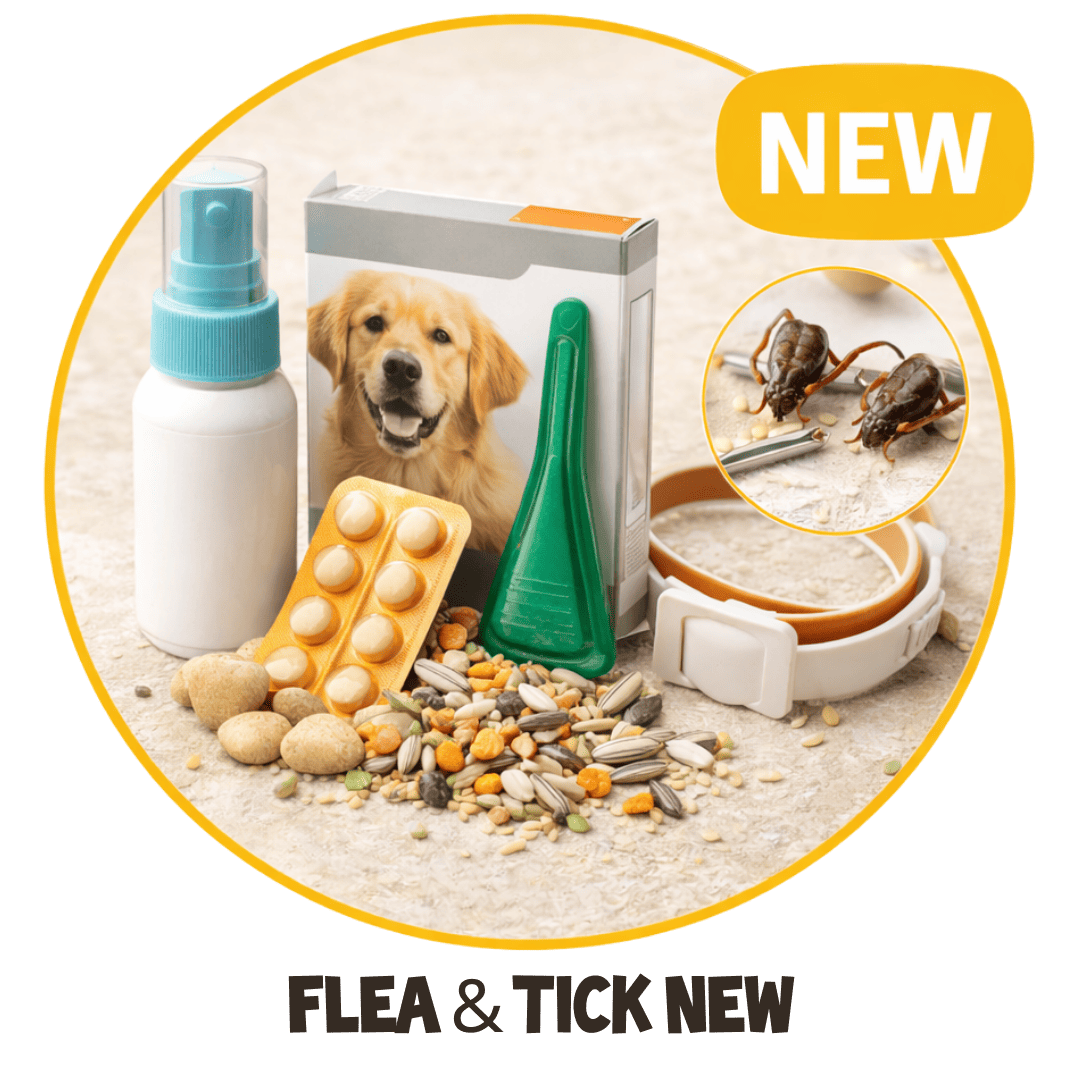
Flea and tick prevention is crucial for your cat's health. Talk to your veterinarian about the best options for your cat. Some cats are sensitive to certain flea treatments, so it's important to get professional guidance. Heartworm prevention might also be recommended depending on where you live.
Toys and Entertainment
Cats need mental stimulation and physical exercise to stay healthy and happy. Providing a variety of toys and entertainment options is essential for preventing boredom and behavioral problems.
Interactive Toys
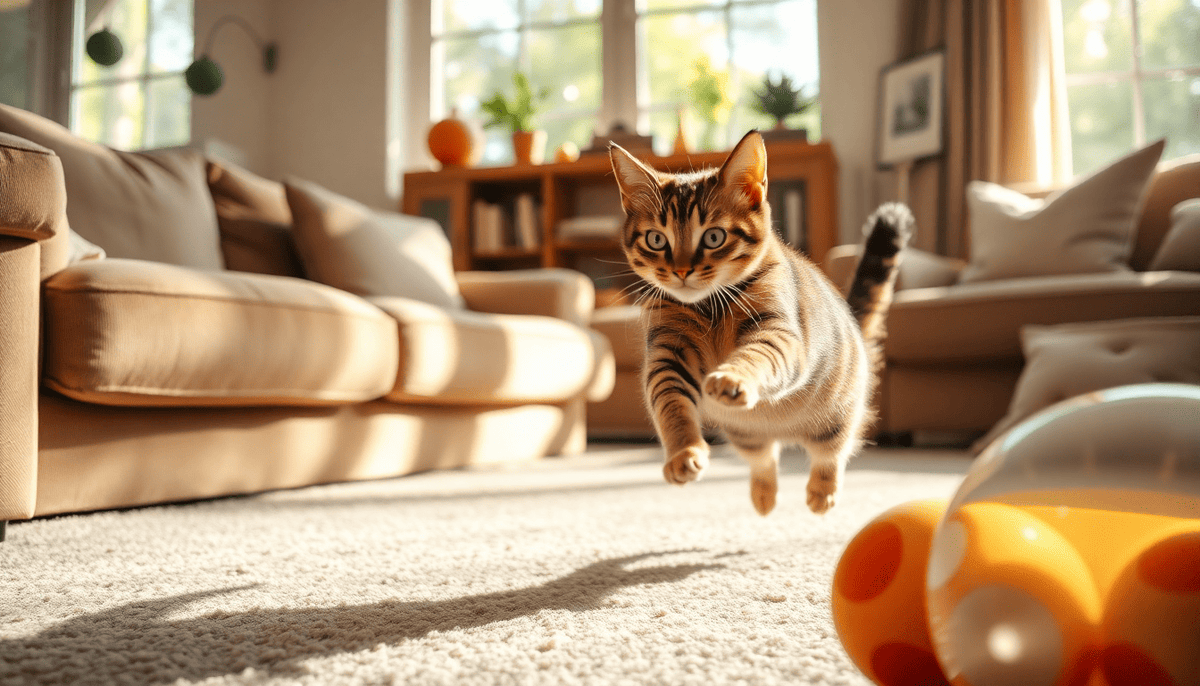
Interactive toys that engage your cat's hunting instincts are fantastic for exercise and mental stimulation. Wand toys with feathers or strings attached are great for interactive play sessions with your cat. These toys mimic the movement of prey and tap into your cat's natural hunting behaviors. Laser pointers can be fun, though some behaviorists recommend ending laser play sessions with a physical toy your cat can actually catch, as the inability to catch the laser can be frustrating.
Balls, mice toys, and other small objects that your cat can bat around provide independent entertainment. Crinkle balls are particularly popular because the sound and texture appeal to many cats. Make sure any toys you choose are safe and don't have small parts that could be choking hazards.
Puzzle Feeders and Enrichment Toys
Puzzle feeders and treat-dispensing toys provide mental stimulation while rewarding your cat with food or treats. These toys encourage your cat to problem-solve and can help slow down cats who eat too quickly. They're also great for keeping your cat entertained during times when you can't actively play with them.
Catnip toys are beloved by many cats, though not all cats respond to catnip. If your cat enjoys catnip, having a few catnip toys on hand is great. Rotate toys regularly to keep things fresh and interesting for your cat. Putting toys away and bringing them back out later makes them feel new and exciting again.
Scratching Posts and Pads
Scratching is a natural and necessary behavior for cats. It helps them maintain their claws, mark territory, and stretch their muscles. Providing appropriate scratching surfaces is essential for protecting your furniture and keeping your cat happy.
Scratching posts come in various materials including sisal rope, cardboard, and carpet. Different cats have different preferences, so having a variety of scratching surfaces is ideal. Some cats prefer vertical scratching posts, while others like horizontal scratching pads. Placing scratching posts near areas where your cat likes to rest or near furniture you want to protect can encourage your cat to use them.
Safety and Containment Supplies
Creating a safe environment for your cat is crucial, especially during the adjustment period when they're new to your home.
Carriers and Travel Containers
A sturdy cat carrier is essential for trips to the veterinarian and for transporting your cat safely. Look for carriers that are well-ventilated, easy to clean, and sturdy enough to protect your cat. Hard-sided carriers are generally more durable than soft-sided ones, though soft carriers can be more convenient for storage.
Some cats are anxious about carriers, so it's helpful to leave the carrier out in your home and let your cat explore it at their own pace. You can make it more inviting by placing treats or toys inside. This helps your cat associate the carrier with positive experiences rather than just vet visits.
Gates and Barriers
Baby gates or pet gates can be useful for keeping your cat in certain areas of your home or preventing them from accessing dangerous spaces. This is particularly helpful if you have multiple pets or if you need to keep your cat separated from certain areas while they adjust to their new home.
Window Screens and Safety Measures
Make sure all windows and doors have secure screens to prevent your cat from escaping. Check screens regularly for tears or damage. If you have balconies or patios, consider installing cat-proof fencing or netting to allow your cat to enjoy outdoor spaces safely.
Identification and Documentation
Proper identification is crucial in case your cat ever gets lost. There are several ways to ensure your cat can be identified and returned to you.
Microchips and ID Tags
A microchip is a permanent form of identification that's implanted under your cat's skin. If your cat is found and taken to a shelter or veterinary clinic, they can scan for the microchip and contact you. Make sure to register your microchip with the manufacturer and keep your contact information current.
A collar with an ID tag is also important. The tag should include your name and phone number at minimum. Some people also include their address or a secondary contact number. Make sure the collar fits properly and isn't too tight. Breakaway collars are a good option as they release if the collar gets caught on something, preventing strangulation.
Veterinary Records
Keep copies of your cat's veterinary records in an easily accessible place. This includes vaccination records, medical history, and any medications your cat takes. If you need to take your cat to an emergency clinic or travel with your cat, having these records readily available is helpful.
Cleaning and Maintenance Supplies
Keeping your home clean and maintaining your cat's supplies is an ongoing responsibility.
Litter Box Cleaning Supplies
You'll need a litter scoop for daily litter box maintenance. Metal scoops are durable and easy to clean. Have a small trash can near the litter box for disposing of used litter. Enzymatic cleaners are essential for cleaning litter boxes and removing odors. These cleaners break down the compounds that cause litter box odors.
Baking soda can be sprinkled in litter boxes to help control odors naturally. Some people add a layer of baking soda under the litter for extra odor control. Litter box liners can make cleaning easier, though some cats don't like them.
General Cleaning Supplies
Enzymatic cleaners are also important for cleaning any accidents outside the litter box. Regular cleaners won't fully eliminate the scent, which can encourage your cat to use the same spot again. Enzymatic cleaners break down the organic compounds and eliminate the odor completely.
Paper towels and cleaning cloths are essential for daily maintenance. Keep lint rollers handy for managing cat hair on furniture and clothing. A good vacuum cleaner is important for maintaining a clean home with a cat. Look for vacuums designed to handle pet hair effectively.
Furniture and Household Considerations
Your home environment plays a big role in your cat's comfort and behavior. There are several things to consider when preparing your home for a new cat.
Furniture Protection
Furniture covers and throws can protect your couch and chairs from scratching and shedding. Placing these covers on your cat's favorite spots can also encourage them to use those areas. Scratching post placement near furniture you want to protect can redirect your cat's scratching behavior.
Double-sided tape or aluminum foil placed on furniture can deter cats from scratching in unwanted areas. Many cats dislike the feel and sound of these materials and will avoid them.
Creating Safe Spaces
Cats need places where they can retreat and feel safe. Creating hiding spots throughout your home helps your cat feel secure. This could be a cardboard box, a cat tunnel, or a closet with a bed inside. These safe spaces are especially important during the adjustment period when your cat is new to your home.
Seasonal and Climate Considerations
Depending on where you live, you might need additional supplies to keep your cat comfortable throughout the year.
Temperature Control
Cats are sensitive to temperature extremes. In hot climates, make sure your cat has access to cool areas and plenty of water. Cooling mats can help keep cats comfortable during hot weather. In cold climates, ensure your cat has warm places to rest. Heated cat beds are wonderful for cats who get cold easily.
Humidity and Air Quality
Maintaining proper humidity levels is important for your cat's respiratory health. A humidifier can be helpful in dry climates, while a dehumidifier might be necessary in very humid areas. Good air circulation throughout your home is also important.
Special Supplies for Specific Situations
Depending on your circumstances, you might need additional supplies.
Multi-Cat Households
If you have multiple cats, you'll need multiple litter boxes, food bowls, and water bowls. Having separate feeding areas can help prevent conflicts and allow you to monitor each cat's food intake. Multiple water stations throughout your home encourage all cats to stay hydrated.
Cats with Special Needs
Senior cats might benefit from litter boxes with lower sides for easier access. Cats with mobility issues might need ramps or steps to reach elevated surfaces. Cats with medical conditions might need special food, medications, or supplements. Work with your veterinarian to determine what your cat needs.
Outdoor Cats or Cats with Outdoor Access
If your cat will have outdoor access, you'll need additional supplies like outdoor shelters, weatherproof food and water bowls, and possibly a cat door. Ensure your cat is microchipped and has proper identification if they'll be spending time outdoors.
Creating a Budget-Friendly Approach
Getting everything your cat needs doesn't have to break the bank. Here are some ways to save money while still providing quality supplies.
Prioritizing Essential Items
Focus on purchasing the most essential items first. Your cat absolutely needs food, water bowls, a litter box, litter, and a safe place to sleep. These are non-negotiable items that should be your priority.
Shopping Smart
Compare prices across different retailers. Online shopping often offers better prices than brick-and-mortar stores, and many retailers offer free shipping on orders over a certain amount. Look for sales and discounts, especially during holiday seasons.
DIY Options
Some cat supplies can be made at home. Cardboard boxes make excellent cat beds and hiding spots. Paper bags can be used as toys and enrichment items. Old blankets and towels can serve as bedding. While these DIY options might not be as fancy as store-bought alternatives, many cats love them just as much.
Buying in Bulk
If you know what food and litter your cat prefers, buying in bulk can save money in the long run. Just make sure you have adequate storage space and that the products won't expire before you use them.
The Adjustment Period
Once you have all your supplies ready, it's time to bring your new cat home. The adjustment period is crucial for helping your cat feel comfortable and secure in their new environment.
Setting Up Your Home
Before bringing your cat home, set up all their supplies in appropriate locations. Have the litter

De Talis Us



Dejar un comentario
Este sitio está protegido por hCaptcha y se aplican la Política de privacidad de hCaptcha y los Términos del servicio.