



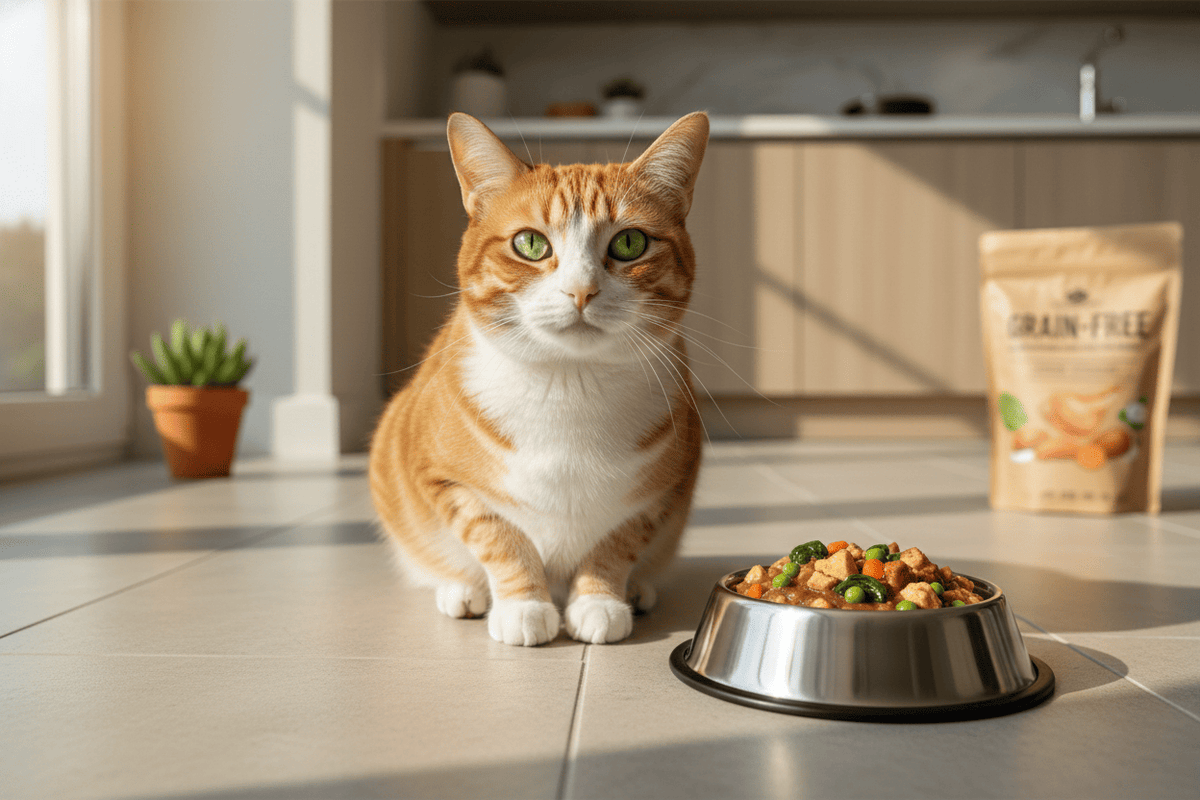
The Remarkable Health Benefits of Grain-Free Cat Food for Your Feline Friend
Understanding Your Cat's Nutritional Needs
Cats are unique creatures with specific dietary requirements that differ significantly from other pets. As obligate carnivores, their bodies are designed to thrive on meat-based diets rich in protein. In recent years, grain-free cat food has gained tremendous popularity among pet parents who want to provide optimal nutrition aligned with their cat's natural biological needs. This dietary approach eliminates ingredients like wheat, corn, rice, and other grains that may not be ideal for your feline companion's digestive system.
Many cat owners report noticeable improvements in their pets' overall health after switching to grain-free formulations. From shinier coats to increased energy levels, the benefits can be substantial. But what exactly makes grain-free cat food potentially advantageous for your furry friend? Let's explore the science-backed benefits and understand why this nutritional choice might be worth considering for your beloved cat.
The Carnivore Connection: Why Cats Need Meat-Based Diets
Evolutionary Dietary Requirements
Cats evolved as strict carnivores, with bodies specifically designed to process animal proteins rather than plant matter. According to research from Bolton Veterinary Hospital, domestic cats share 95.6% of their genetic makeup with tigers, highlighting their carnivorous nature. This evolutionary heritage means cats require high levels of animal protein to maintain optimal health.
Unlike omnivores, cats lack certain enzymes needed to efficiently process plant materials. Their digestive systems are shorter and more acidic than those of omnivores, optimized for breaking down animal tissue rather than plant matter. This fundamental biological difference explains why cats benefit from diets that prioritize meat-based ingredients.
Protein-Rich Diet Benefits
Grain-free cat foods typically contain higher percentages of animal-derived proteins, which provide essential amino acids cats cannot synthesize on their own. Taurine, for example, is a critical amino acid that cats must obtain from their diet, as their bodies cannot produce sufficient quantities. Deficiencies in taurine can lead to serious health issues, including heart problems and vision impairment.
Research published in Veterinary Key emphasizes that cats require specific nutrients found predominantly in animal tissues. These include preformed vitamin A (retinol), arachidonic acid, and certain B vitamins that are not adequately available in plant sources. Grain-free formulations often prioritize these essential nutrients by focusing on meat ingredients.
Digestive Health Improvements
One of the most commonly reported benefits of grain-free cat food is improved digestive health. Many cats experience more regular bowel movements and reduced gastrointestinal distress when grains are removed from their diet. This improvement may be attributed to the alignment between grain-free formulations and cats' natural digestive capabilities.
According to a study in the PMC National Library of Medicine, cats have limited ability to digest carbohydrates due to lower levels of specific digestive enzymes like amylase. Grain-free diets typically contain fewer carbohydrates and focus instead on proteins and fats, which cats can process more efficiently. This dietary alignment can result in better nutrient absorption and less digestive waste.
Many grain-free formulations also include beneficial ingredients like pumpkin, which provides natural fiber that supports healthy digestion. Products like Snappy Tom Lites with vegetables incorporate these digestive-friendly components while maintaining the high protein content cats need.
Reduced Food Sensitivities
While true food allergies are relatively rare in cats, food sensitivities can be more common and may manifest as digestive issues, skin problems, or ear infections. Grains like wheat and corn are among the ingredients that can trigger adverse reactions in sensitive cats.
Research from the American Academy of Allergy, Asthma & Immunology suggests that eliminating potential allergens from a pet's diet can help identify and manage food sensitivities. Grain-free diets remove several common allergens, potentially reducing symptoms in cats with sensitivities to these ingredients.
It's important to note that not all cats require grain-free diets, and food sensitivities should be properly diagnosed by a veterinarian. However, for cats with confirmed grain sensitivities, switching to a grain-free formula like AvoDerm Grain Free Chicken & Duck Entree can provide significant relief from symptoms and improve quality of life.
Weight Management and Energy Levels
Obesity is a growing concern among domestic cats, with significant implications for their health and longevity. According to VCA Hospitals, excess weight can lead to diabetes, joint problems, and reduced life expectancy in cats. Grain-free diets may offer advantages for weight management due to their macronutrient composition.
Many grain-free cat foods feature higher protein and lower carbohydrate contents compared to conventional grain-inclusive formulations. This macronutrient profile more closely resembles a cat's natural diet and may help regulate metabolism and maintain lean muscle mass. Protein requires more energy to digest than carbohydrates, potentially increasing the thermic effect of feeding and supporting weight management efforts.
Research from Auburn University College of Veterinary Medicine highlights the importance of appropriate nutrition in preventing and managing feline obesity. The higher protein content typical in grain-free diets can help cats feel satiated longer, potentially reducing overall calorie intake and supporting weight control.
Balanced Nutrition for Optimal Health
Beyond weight management, grain-free cat foods often provide balanced nutrition that supports overall health and vitality. Quality formulations include essential fatty acids, vitamins, and minerals that contribute to various aspects of feline wellbeing.
Omega-3 and omega-6 fatty acids, commonly found in fish-based grain-free foods like Against the Grain Big Kahuna, support skin and coat health, resulting in reduced shedding and increased shine. These essential fatty acids also play crucial roles in brain development, immune function, and inflammatory response.
According to Royal Canin Academy, cats require specific nutrient profiles that differ from other species. Premium grain-free formulations are often designed with these unique requirements in mind, providing balanced nutrition that supports all body systems.
Making the Transition to Grain-Free Cat Food
If you're considering switching your cat to a grain-free diet, a gradual transition is essential to prevent digestive upset. Begin by mixing a small amount of the new grain-free food with your cat's current food, slowly increasing the proportion of grain-free food over 7-10 days until the transition is complete.
During this transition period, monitor your cat closely for any changes in behavior, appetite, or stool quality. These observations can provide valuable insights into how your cat is adapting to the new diet. Some cats may take longer than others to adjust, so patience is key during this process.
It's also important to select a high-quality grain-free formula that meets all of your cat's nutritional needs. Look for products that:
List animal proteins as the first ingredients
Contain appropriate levels of taurine and other essential nutrients
Are formulated to meet AAFCO (Association of American Feed Control Officials) standards for complete and balanced nutrition
Match your cat's life stage (kitten, adult, or senior)
Potential Considerations and Veterinary Guidance
While grain-free diets offer numerous benefits for many cats, it's important to acknowledge some considerations. Research from Tufts University suggests that not all grain-free diets are created equal, and quality can vary significantly between brands.
Additionally, in recent years, concerns have emerged about a potential link between grain-free diets and dilated cardiomyopathy (DCM) in dogs. While this association has been primarily observed in canines rather than felines, ongoing research continues to investigate potential implications for cats. A study published in the Journal of the American Veterinary Medical Association emphasizes the importance of balanced nutrition regardless of whether the diet includes grains.
Consulting with your veterinarian before making significant dietary changes is always recommended. Your vet can provide personalized advice based on your cat's specific health status, age, activity level, and any existing medical conditions. They may also recommend regular check-ups to monitor your cat's health while on a grain-free diet.
Evaluating Your Cat's Response to Grain-Free Food
After transitioning to a grain-free diet, it's important to evaluate your cat's response over time. Positive indicators that the diet is beneficial may include:
Improved coat quality and reduced shedding
More consistent energy levels throughout the day
Better digestion with reduced hairballs and firmer stools
Maintenance of healthy weight
Increased interest in mealtime and improved appetite
Reduced allergy symptoms if previously present
According to research from the Purina Institute, monitoring your cat's body condition score is an effective way to assess whether their diet is meeting their nutritional needs. This visual and tactile evaluation helps determine if your cat is maintaining an ideal weight on their new grain-free regimen.
If you notice any negative changes after switching to grain-free food, such as decreased appetite, weight loss, lethargy, or digestive issues that persist beyond the transition period, consult your veterinarian promptly. These symptoms could indicate that the specific formula isn't appropriate for your cat or that there may be an underlying health issue requiring attention.
The Future of Feline Nutrition Research
The field of feline nutrition continues to evolve as researchers gain deeper insights into cats' unique dietary needs. According to recent studies from the National Library of Medicine, ongoing research is exploring how different nutritional approaches affect various aspects of feline health, from digestive function to immune response.
Emerging research from institutions like Akston Biosciences is also investigating how specific nutrients interact with feline biology at the molecular level. These scientific advances promise to further refine our understanding of optimal feline nutrition and may lead to even more targeted dietary recommendations in the future.
As a cat owner, staying informed about developments in feline nutrition research can help you make the best dietary choices for your pet. Reliable sources of information include veterinary nutritionists, peer-reviewed research publications, and reputable pet nutrition organizations.
Embracing Your Cat's Natural Nutritional Needs
Choosing to feed your cat a grain-free diet represents a commitment to honoring their natural biological needs as obligate carnivores. By providing nutrition that aligns with their evolutionary design, you're supporting their health and wellbeing in fundamental ways.
The benefits of grain-free cat food—from improved digestion and reduced food sensitivities to better weight management and increased energy—stem from this fundamental alignment with feline biology. When you select high-quality grain-free formulations like AvoDerm Grain Free Chicken & Duck Entree, Snappy Tom Lites, or Against the Grain seafood varieties, you're providing your cat with nutrition that respects their carnivorous nature.
Remember that each cat is unique, with individual preferences and needs. What works perfectly for one cat may not be ideal for another. By observing your cat's response to different foods and working closely with your veterinarian, you can develop a nutritional approach that supports your specific feline companion's health and happiness for years to come.

De Talis Us


Dejar un comentario
Este sitio está protegido por hCaptcha y se aplican la Política de privacidad de hCaptcha y los Términos del servicio.