


The Fascinating Lifespan of Harvester Ants: Uncovering the Secrets of These Resilient Insects
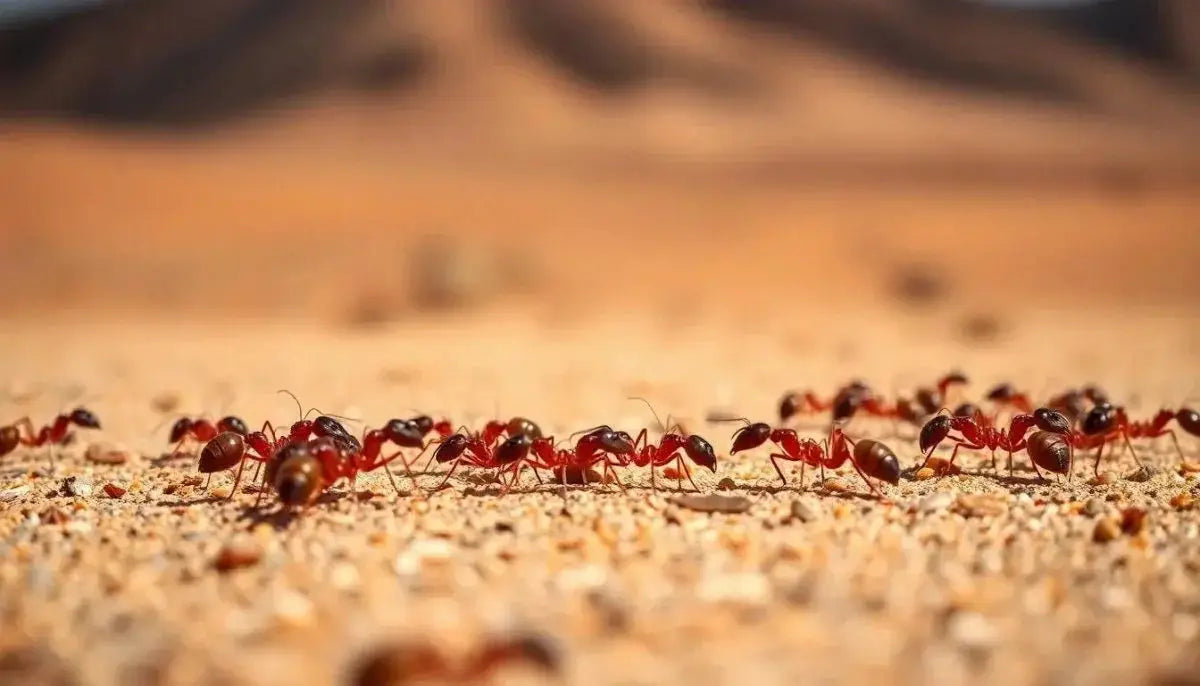
As the sun rises over the arid landscape, the ground comes alive with the bustling activity of a colony of harvester ants. These remarkable insects, known for their impressive foraging abilities and intricate social structures, have captivated the minds of scientists and nature enthusiasts alike. But have you ever wondered just how long these industrious creatures live?
Harvester ants, members of the genus Pogonomyrmex, are found in various regions across North America, from the deserts of the Southwest to the prairies of the Great Plains. These ants are named for their unique behavior of gathering and storing seeds and other plant materials to sustain their colonies throughout the year. Their impressive work ethic and organizational skills have long been the subject of fascination and study.
The Lifespan of Harvester Ants
The lifespan of a harvester ant can vary depending on several factors, including the species, the role they play within the colony, and the environmental conditions they face. However, in general, these ants can live for an impressive amount of time, especially when compared to other insect species.
Worker Ants
The worker ants, which make up the majority of the colony, typically have the shortest lifespan among the different castes. On average, worker harvester ants can live for 3 to 6 years, with some individuals reaching up to 10 years of age. These tireless workers are responsible for the day-to-day tasks of the colony, such as foraging, nest maintenance, and caring for the young.
Queen Ants
The queen ant, on the other hand, can live a remarkably long life. Harvester ant queens have been known to live for up to 30 years, making them some of the longest-lived insects in the world. The queen's longevity is crucial to the survival and continued growth of the colony, as she is responsible for laying all the eggs that will hatch into the next generation of ants.
Male Ants
The male harvester ants, often referred to as drones, have the shortest lifespan of all the castes. Their primary purpose is to mate with the queen, and once this task is accomplished, they typically die within a few weeks. The lifespan of male harvester ants is generally only a few months, with some living up to a year at most.
Factors Influencing Lifespan
The lifespan of harvester ants is influenced by a variety of factors, both internal and external. Understanding these factors can provide valuable insights into the remarkable resilience and adaptability of these insects.
Environmental Conditions
The harsh, arid environments in which harvester ants thrive can have a significant impact on their lifespan. Extreme temperatures, limited water availability, and the presence of predators can all contribute to the challenges these ants face. However, their ability to adapt and survive in such demanding conditions is a testament to their evolutionary success.
Colony Size and Structure
The size and structure of the harvester ant colony can also play a role in the lifespan of its members. Larger colonies with a well-established hierarchy and division of labor tend to have longer-lived individuals, as the colony is better equipped to provide for the needs of its members.
Genetic Factors
Genetic factors, such as the specific species of harvester ant and the genetic makeup of the colony, can also influence the lifespan of individual ants. Some species may be inherently more resilient or long-lived than others, depending on their evolutionary adaptations.
The Importance of Harvester Ants
Harvester ants are not only fascinating creatures to study, but they also play a crucial role in the ecosystems they inhabit. These ants are essential for the dispersal and germination of various plant species, as they collect and store seeds that can later be used as food or inadvertently left behind to grow.
Additionally, harvester ants are an important food source for many predators, including birds, reptiles, and small mammals. Their role in the food chain helps to maintain the delicate balance of their desert and grassland environments.
Conclusion
The remarkable lifespan of harvester ants is a testament to the resilience and adaptability of these remarkable insects. From the tireless worker ants to the long-lived queens, each member of the colony plays a vital role in the survival and success of the colony as a whole.
As we continue to explore and study these fascinating creatures, we can gain valuable insights into the complex world of insect societies and the intricate relationships that exist within the natural world. So the next time you encounter a bustling colony of harvester ants, take a moment to appreciate the incredible journey they have undertaken, and the important role they play in the delicate balance of our ecosystems.
References
- Tschinkel, W. R. (1998). The reproductive biology of fire ant societies. BioScience, 48(8), 593-605.
- Gordon, D. M. (2016). The ecology of collective behavior. Annual Review of Entomology, 61, 217-240.
- Hölldobler, B., & Wilson, E. O. (1990). The ants. Harvard University Press.
- Fewell, J. H., & Bertram, S. M. (1999). Division of labor in a dynamic environment: response of the social wasp Polybia occidentalis to foraging success. Behavioral Ecology and Sociobiology, 45(6), 408-415.
- Oster, G. F., & Wilson, E. O. (1978). Caste and ecology in the social insects. Princeton University Press.

De Talis Us



Dejar un comentario
Este sitio está protegido por hCaptcha y se aplican la Política de privacidad de hCaptcha y los Términos del servicio.