


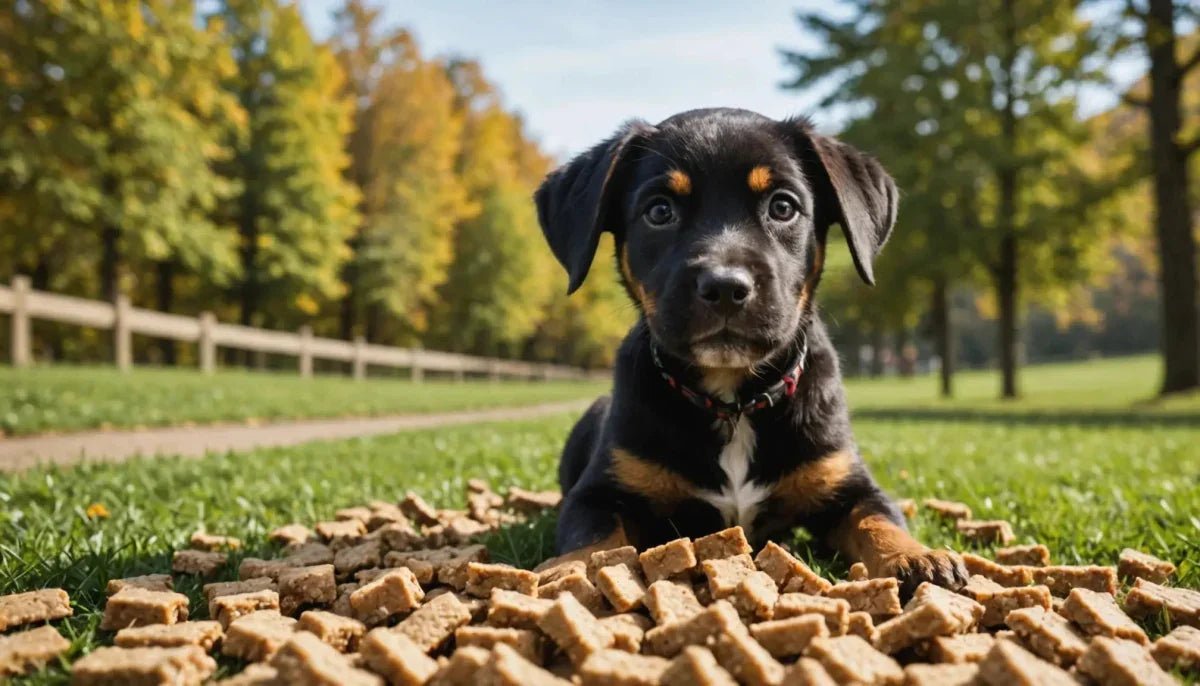
The Best Dog Treats for Training Your Puppy
Welcome to the world of puppy training!

When it comes to teaching your furry friend new tricks, having the right incentives is key. In this guide, we will explore the top dog treats that are not only delicious but also perfect for motivating your puppy during training sessions. From tasty, bite-sized morsels to chewy rewards, we have handpicked a selection of treats that will have your puppy eagerly following your commands in no time. Whether you are working on basic commands, agility training, or behavior modification, choosing the best treats can make all the difference in your training success. Get ready to discover the perfect treats that will keep your puppy engaged, excited, and ready to learn! Let's turn training time into a fun and rewarding experience for both you and your adorable companion.
Understanding Puppy Chewing Behavior
Why Do Puppies Chew?
Puppies chew as a way to explore their environment and relieve the discomfort of teething. Chewing also helps them develop strong jaws and clean their teeth. It is essential to understand that puppies explore the world through their mouths, much like human babies do. Chewing allows them to learn about textures, tastes, and objects around them.
The Significance of Chewing Behavior
Chewing is a natural instinct for puppies that serves multiple purposes. Apart from relieving stress and anxiety, chewing can also help puppies strengthen their jaw muscles and keep their teeth clean. Additionally, it is a way for them to alleviate boredom and stimulate their minds. Understanding the underlying reasons for chewing can help pet owners address this behavior more effectively.
How to Manage Chewing Behavior
- Provide a variety of chew toys in different textures to satisfy your puppy's natural urge to chew. Ensure these toys are safe, durable, and suitable for your puppy's age and size.
- Puppy-proof your home by removing any objects that can be harmful if chewed on. Keep electrical cords, small items, and toxic substances out of your puppy's reach.
- Supervise your puppy during playtime and training sessions. Redirect inappropriate chewing behaviors by offering a chew toy or a treat. Consistency is key in reinforcing positive chewing habits.
- Consider enrolling your puppy in obedience classes or consulting a professional trainer if chewing behavior persists or becomes destructive. A trainer can provide guidance on behavior modification techniques and help you establish boundaries with your puppy.
Dealing with Destructive Chewing
Some puppies may exhibit destructive chewing behaviors, which can be frustrating for pet owners. Destructive chewing often stems from boredom, anxiety, or lack of proper stimulation. To address this behavior, it's crucial to identify the root cause. Providing mental and physical exercise through interactive toys, puzzle feeders, and regular walks can help channel your puppy's energy in a positive way.
Teething and Chewing
Teething is a normal phase in a puppy's development, during which their baby teeth are replaced by adult teeth. This process can be uncomfortable for puppies, leading to increased chewing. To soothe teething discomfort, offer frozen washcloths, rubber toys, or specially designed teething toys. Avoid giving your puppy items that are too hard and could damage their new teeth.
Positive Reinforcement
When managing chewing behavior, it's essential to use positive reinforcement techniques. Praise your puppy when they chew on appropriate items, such as toys, and gently redirect them when they chew on forbidden objects. Rewarding good behavior reinforces positive habits and strengthens the bond between you and your puppy.
Conclusion
Understanding puppy chewing behavior is key to providing a nurturing environment for your furry friend. By acknowledging the reasons behind chewing, implementing appropriate management strategies, and seeking professional help when needed, you can guide your puppy towards developing healthy chewing habits and a harmonious relationship with you and your family.
Section: Choosing the Right Puppy Chews
Introduction:
When it comes to training your puppy, choosing the right chews is a crucial decision. The treats you select can greatly impact your training sessions and your puppy's overall well-being. In this section, we will discuss the importance of selecting appropriate treats for training purposes, highlight factors to consider when choosing puppy chews, and provide examples of recommended puppy chews.
Importance of Selecting Appropriate Treats for Training Purposes:
-
Enhancing Training Success: The treats you use during training play a significant role in reinforcing positive behavior. High-quality treats that your puppy finds irresistible can motivate them to follow commands eagerly and learn new behaviors effectively.
-
Building a Strong Bond: Offering your puppy tasty and nutritious chews not only encourages good behavior but also helps strengthen the bond between you and your furry companion. It creates a positive association between training sessions and rewards, fostering trust and communication.
-
Ensuring Health and Safety: Selecting appropriate treats is vital for your puppy's well-being. Treats should be free from harmful additives, artificial ingredients, and potential allergens. By choosing safe and nutritious chews, you contribute to your puppy's overall health and happiness.
Factors to Consider When Choosing Puppy Chews:
-
Size and Texture Suitability: Consider your puppy's size, age, and chewing preferences when selecting chews. Puppies have varying chewing needs based on their developmental stage, so opt for chews that are appropriate for their jaw strength and dental health.
-
Ingredient Quality: Prioritize chews made from natural, high-quality ingredients. Avoid treats containing fillers, by-products, or excessive additives. Opt for chews with easily digestible components that provide nutritional benefits to support your puppy's growth and vitality.
-
Chew Durability and Safety: Choose chews that are durable enough to withstand chewing sessions without posing a choking hazard. Ensure the chews are free from splintering or sharp edges that could harm your puppy's mouth or digestive system.
Examples of Recommended Puppy Chews:
-
Frozen Carrot Sticks: A crunchy and refreshing treat that can soothe teething discomfort and provide essential vitamins for your puppy's health.
-
Interactive Puzzle Toys: Engage your puppy's mind and satisfy their chewing instincts with interactive toys that dispense treats as they play, promoting mental stimulation and physical activity.
-
Freeze-Dried Liver Treats: Rich in flavor and nutrients, these treats are ideal for training purposes and can be easily broken into smaller pieces for quick rewards.
Conclusion:
Choosing suitable puppy chews is an integral part of your pet parenting journey. By carefully selecting treats that align with your puppy's needs and preferences, you not only enhance their training experience but also contribute to their overall well-being and happiness.
Tips for Using Treats in Puppy Training
Choosing the Right Treats
Discuss the importance of selecting high-value treats that your puppy loves and finds motivating. Ensure that the treats are small and easy to consume quickly during training sessions.
Timing is Key
Emphasize the importance of timing when giving treats. Reward your puppy immediately after they exhibit the desired behavior to reinforce the connection between the action and the reward.
Consistency in Rewards
Highlight the need for consistency in rewarding good behavior. Ensure that you reward the same behavior every time to avoid confusion.
Gradual Phase-Out of Treats
Discuss the importance of gradually reducing the frequency of treats as your puppy learns the desired behaviors. Transition to intermittent reinforcement to maintain the learned behaviors.
Positive Reinforcement
Explain the concept of positive reinforcement and how treats can be used as a powerful tool to encourage good behavior. Emphasize the benefits of positive reinforcement in building a strong bond with your puppy based on trust and respect.
Training Goals
Set clear training goals and use treats strategically to help your puppy achieve them. Break down complex behaviors into smaller steps and reward your puppy for making progress.
Bonding Through Treats
Highlight how using treats in training sessions can strengthen the bond between you and your puppy. Make training sessions enjoyable and engaging to create a positive association with learning.
Monitoring Treat Intake
Address the importance of monitoring your puppy's treat intake to maintain a healthy diet. Consider the nutritional value of the treats and adjust your puppy's meal portions accordingly.
Patience and Persistence
Encourage readers to be patient and persistent in their training efforts. Training takes time and consistency, so remind them not to get discouraged by setbacks.
Seeking Professional Help
Advise readers to seek professional guidance if they encounter difficulties in training their puppy. A professional trainer can provide personalized advice and support to address specific training challenges.
By following these tips, you can effectively use treats in puppy training to create a positive and rewarding learning experience for both you and your furry companion.
Homemade Treats vs. Store-Bought Treats
In the realm of pet training, the debate between homemade treats and store-bought treats is a common one. Both options have their own set of advantages and disadvantages, and choosing the right one can significantly impact your pet's training journey. Let's delve deeper into the comparison to help you make an informed decision.
Benefits of Homemade Treats
-
Fresh Ingredients : One of the primary advantages of homemade treats is the use of fresh and natural ingredients. By avoiding artificial additives and preservatives, you can ensure that your pet receives wholesome nutrition.
-
Customization : Homemade treats offer the flexibility to tailor the ingredients to suit your pet's taste preferences and dietary requirements. This customization can be particularly beneficial for pets with food sensitivities or allergies.
-
Cost-Effective : While the initial investment in stocking up on baking essentials may seem daunting, making treats at home can be more cost-effective in the long run. Plus, you can prepare larger batches at a fraction of the cost of store-bought alternatives.
-
Quality Control : By preparing treats in your own kitchen, you have complete control over the quality of the ingredients used. This oversight can help you avoid harmful additives and ensure that your pet's treats are of the highest quality.
Benefits of Store-Bought Treats
-
Convenience : Store-bought treats are undeniably convenient, especially for busy pet owners. They are readily available and require no preparation, making them ideal for quick training sessions or on-the-go rewards.
-
Variety : The market is flooded with a myriad of store-bought treat options, ranging from different flavors to textures. This variety allows you to experiment with different treats to find what resonates best with your pet.
-
Specific Formulas : Some store-bought treats are specifically formulated to address particular health needs, such as dental health or weight management. These specialized formulas can be beneficial for pets with specific health concerns.
-
Longer Shelf Life : Store-bought treats generally have a longer shelf life compared to homemade treats, making them a convenient option for stocking up on training rewards.
Disadvantages of Homemade Treats
-
Time-Consuming : Crafting homemade treats can be a time-consuming process, requiring planning and preparation. This time commitment may not be feasible for pet owners with busy schedules.
-
Storage : Homemade treats typically lack preservatives, necessitating proper storage to maintain freshness. Failing to store these treats correctly can lead to spoilage and wastage.
-
Skill Requirement : Some homemade treat recipes may demand specific culinary skills or equipment, posing a challenge for novice bakers.
Disadvantages of Store-Bought Treats
-
Additives : Certain store-bought treats may contain additives, preservatives, or fillers that are not in the best interest of your pet's health. Careful label reading is essential to avoid potentially harmful ingredients.
-
Quality Concerns : Quality control issues can plague store-bought treats, leading to inconsistencies in product quality. Opting for reputable brands can help mitigate this risk.
-
Cost : While store-bought treats offer immediate convenience, they can prove to be costly in the long run. The cumulative expenses of purchasing pre-packaged treats may dent your budget over time.
When deciding between homemade and store-bought treats for training your pet, it is crucial to consider factors such as your pet's health requirements, budget constraints, and the time you can allocate to treat preparation. By weighing these considerations thoughtfully, you can select the treats that align best with your pet's well-being and your lifestyle.
Conclusion
Choosing the best dog treats for training your puppy is essential for their development and behavior. By selecting high-quality, tasty treats that are appropriate for your puppy's age and size, you can make training sessions more effective and enjoyable for both you and your furry friend. Remember to consider your puppy's dietary needs and preferences when making your selection, and always use treats as a positive reinforcement tool to encourage good behavior. With the right treats and consistent training, your puppy will be well on their way to becoming a well-behaved and obedient companion.


Dejar un comentario
Este sitio está protegido por hCaptcha y se aplican la Política de privacidad de hCaptcha y los Términos del servicio.