


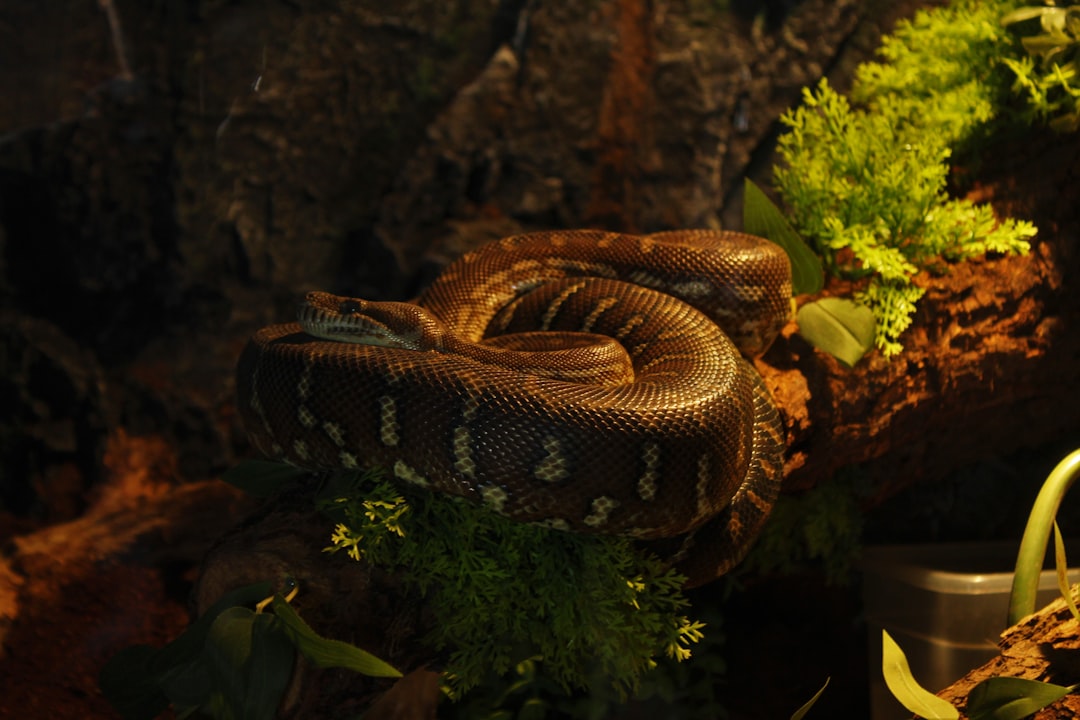
Snake Terrarium Setup: Size, Heating, Substrate, and Maintenance
Snake Terrarium Setup: Size, Heating, Substrate, and Maintenance
A well-planned snake terrarium gives your snake room to move, places to hide, stable heat, suitable bedding, and a cleaning routine that keeps the enclosure healthy. The best setup depends on the species, age, and size of the snake, but the same core principles apply: secure housing, a proper temperature gradient, safe substrate, and consistent maintenance. When those basics are right, daily care becomes easier and your snake has a calmer, more natural space to live.
What does a snake terrarium need to be healthy and safe?
A snake terrarium needs enough floor space for movement, a secure lid or doors, controlled heating, at least two hides, fresh water, appropriate substrate, and regular cleaning. Snakes are skilled escape artists, so security matters as much as comfort. A beautiful enclosure is only useful if it keeps the snake contained, supports normal behavior, and makes it easy for you to monitor temperature, humidity, feeding, shedding, and waste.
Think of the enclosure as a small habitat, not just a display box. Your snake should be able to choose between warmer and cooler areas, retreat into darkness when it feels exposed, drink easily, and move without constant stress. The exact details vary between a corn snake, ball python, king snake, boa, or other species, so always match your setup to the animal you keep.

Choosing the right terrarium size
Terrarium size should be based on the snake’s adult size, activity level, and lifestyle. Young snakes can start in smaller enclosures if the space is secure and not overwhelming, but many keepers prefer planning for the adult enclosure early. A cramped setup can limit movement and make temperature zones harder to establish.
For many commonly kept terrestrial snakes, floor space is more important than height. Arboreal or semi-arboreal species benefit from climbing branches, elevated hides, and vertical room. Heavy-bodied snakes need strong enclosure materials and stable furniture that cannot tip or collapse.
When evaluating size, look for:
- Enough length for natural movement: The snake should be able to stretch, explore, and turn comfortably.
- Room for a heat gradient: There must be space for a warm side and a cooler side, not just one uniform temperature.
- Multiple hides: Place one hide on the warm side and one on the cool side so the snake can feel secure while thermoregulating.
- Access for maintenance: You should be able to remove bowls, spot-clean substrate, and check equipment without dismantling the entire setup.
- Secure ventilation: Airflow helps control humidity and odor, but gaps must be too small for escape.
Glass tanks, PVC enclosures, wooden vivariums, and front-opening reptile habitats can all work. The best choice is the one that holds heat and humidity appropriately for your species while staying secure and easy to clean.
Heating creates the temperature gradient
Snakes are ectothermic, which means they rely on environmental heat to regulate body temperature. A proper snake terrarium should have a warm side and a cool side, allowing the snake to move between zones as needed. Without this gradient, the snake may struggle with digestion, activity, shedding, or general comfort.
Common heating options include heat mats, radiant heat panels, ceramic heat emitters, and overhead basking bulbs. The right choice depends on the enclosure material, species, room temperature, and whether the snake naturally uses belly heat, overhead warmth, or a mix of both. Whatever heat source you use, it should be controlled by a thermostat.
A thermostat is not optional. Heat equipment can become too hot, especially in enclosed spaces, and direct contact with uncontrolled heat can cause burns. Use reliable thermometers to check both the warm and cool sides, and consider an infrared temperature gun for surface readings.
Heating setup checklist
Before adding the snake, confirm that:
- The heat source is connected to a thermostat.
- The temperature probe is positioned where it accurately controls the warm area.
- The snake cannot directly touch or wrap around unsafe heat equipment.
- The warm hide and cool hide both feel secure and accessible.
- Temperatures remain stable during the day and night.
- Cords, fixtures, and lids are arranged safely.
Run the enclosure for a few days before moving the snake in. This test period helps you find hot spots, cold corners, humidity swings, or equipment issues before the animal depends on the environment.
Which substrate is best for a snake terrarium?
The best substrate is one that supports your snake’s humidity needs, allows easy cleaning, does not create unsafe dust, and matches the species’ behavior. Aspen is often used for drier setups and burrowing snakes, while cypress mulch, coconut fiber, and similar moisture-friendly options are common for species that need higher humidity. Paper towels or reptile-safe liners can be useful for quarantine, young snakes, or simple monitoring.
Avoid choosing bedding only because it looks natural. Some materials can be too dusty, too aromatic, too damp, or difficult to keep clean. Cedar and other strongly aromatic woods are generally avoided in reptile enclosures because their oils can irritate animals.
Substrate depth matters too. A thin layer may work for simple setups, but burrowing species need enough depth to tunnel and feel secure. Moisture-retaining substrates can help with humidity, but they should not stay wet or moldy. If your snake needs humid conditions, add a humid hide rather than soaking the entire enclosure.
Practical substrate options
Useful choices often include:
- Paper towels: Best for quarantine, medical monitoring, or simple temporary housing.
- Aspen shavings: Good for many dry-climate snakes that enjoy burrowing, but not ideal for high-humidity setups.
- Coconut fiber or husk: Helpful for retaining moisture, though it must be monitored to prevent sogginess.
- Cypress mulch: Often used where moderate humidity is needed, with good spot-cleaning habits.
- Reptile-safe liners: Easy to remove and clean, but they do not allow natural digging.
The goal is balance. A substrate should make the enclosure healthier, not create hidden waste, mold, sharp pieces, or respiratory irritation.
Hides, water, climbing, and enrichment
A snake that feels exposed may refuse food, hide constantly, strike defensively, or spend too much time in one area. Hides should be snug, dark, and stable. Oversized caves may look attractive, but many snakes prefer tight spaces where their body touches the sides.
Place a water bowl where it is easy to access and difficult to tip. Some snakes soak before shedding, so choose a bowl large enough for the species if soaking is normal for that animal. Replace water regularly and clean the bowl whenever it becomes soiled.
Enrichment does not have to be complicated. Branches, cork bark, artificial plants, leaf litter, rocks, and background cover can make the terrarium feel less exposed. Make sure every item is stable, non-toxic, and easy to clean or replace. For climbing species, secure branches firmly so they cannot shift under the snake’s weight.
How often should you clean a snake terrarium?
A snake terrarium should be checked daily, spot-cleaned whenever waste appears, and deep-cleaned on a schedule that fits the enclosure size, substrate type, and snake’s habits. Daily care usually takes only a few minutes, but skipping it allows odor, bacteria, mites, mold, and humidity problems to build. A consistent routine is better than waiting until the enclosure looks dirty.
Daily checks should include water, temperature, humidity, security, and visible waste. Remove feces, urates, shed skin, and wet substrate as soon as you notice them. During a deeper clean, replace or refresh substrate, wash hides and bowls, wipe enclosure surfaces, and inspect all equipment.
A simple maintenance rhythm looks like this:
- Daily: Check temperatures, humidity, water, locks, and general behavior.
- As needed: Remove waste, shed, spilled water, and damp bedding.
- Weekly: Wash the water bowl thoroughly and inspect hides, décor, and substrate condition.
- Monthly or periodically: Do a deeper clean based on odor, waste load, substrate type, and species needs.
- Every cleaning session: Confirm that heating and thermostat equipment still work correctly.
Use reptile-safe cleaning products and rinse thoroughly when needed. Never return the snake to an enclosure that still smells strongly of cleaner.
Common setup mistakes to avoid
Many problems come from small oversights rather than a lack of effort. The most common mistake is setting up the enclosure to look good for people instead of function well for the snake. A sparse tank with one hide, unstable heat, and the wrong substrate can cause stress even if it appears tidy.
Avoid these issues:
- Using heat equipment without a thermostat.
- Keeping the entire enclosure at one temperature.
- Providing only one hide.
- Choosing a loose or damaged lid that allows escape.
- Using substrate that is too wet, dusty, or aromatic.
- Forgetting to monitor humidity during shedding periods.
- Placing heavy décor where it can fall or trap the snake.
- Cleaning so rarely that waste and bacteria accumulate.
If your snake stops eating, has repeated bad sheds, constantly tries to escape, or never leaves one hide, review the environment first. Husbandry issues are often easier to correct when you catch them early.
Final takeaways for a better enclosure
A successful snake terrarium is built around the snake’s needs: secure space, correct heat, appropriate humidity, safe substrate, reliable hides, clean water, and regular maintenance. Start with the species’ requirements, test the enclosure before use, and adjust based on the snake’s behavior over time.
The best setups are not always the most elaborate. They are stable, safe, easy to maintain, and designed so the snake can make natural choices throughout the day. With the right foundation, your enclosure becomes less stressful for you and much healthier for your snake.

De Talis Us


Dejar un comentario
Este sitio está protegido por hCaptcha y se aplican la Política de privacidad de hCaptcha y los Términos del servicio.