


Rawhide Alternatives for Dogs That Love to Chew
Some dogs chew like it is their full-time job. They chew to explore, relieve stress, clean their teeth, burn energy, and sometimes simply because it feels good. Rawhide has long been a go-to option for busy chewers, but many pet parents now look for rawhide alternatives for dogs because they want chews with simpler ingredients, different textures, or a lower risk of large swallowed pieces.
The important thing to know is this: no chew is risk-free. The best choice depends on your dog’s size, chewing style, dental health, digestion, and tendency to gulp. A chew that works beautifully for a calm medium chewer may be a poor fit for a powerful dog that tries to swallow treats whole.
This guide will help you compare the most practical rawhide alternatives, understand the safety tradeoffs, and choose a chew that keeps your dog happily occupied without unnecessary worry.
Why consider alternatives to rawhide?
Rawhide is made from the inner layer of animal hide. Some dogs enjoy it without issue, but concerns often come up when a dog softens a piece, tears off a large section, and tries to swallow it. Depending on the size and texture, swallowed pieces can create choking or digestive risks.
Pet parents also look beyond rawhide because dogs vary so much. Some have sensitive stomachs. Some are allergic to certain proteins. Some chew calmly for an hour, while others turn a treat into a swallowing contest. If your dog is in that last group, the chew’s shape, size, and durability matter just as much as the ingredient list.
Chewing can support dental routines, but it should not replace veterinary dental care. The American Veterinary Medical Association notes that regular dental attention is an important part of overall pet health. Chews can help reduce boredom and support cleaner teeth, but they are only one piece of the puzzle.
Start with your dog’s chewing style
Before choosing a rawhide alternative, think less about what looks healthiest on the shelf and more about how your dog actually chews. Does your dog gnaw slowly, shred aggressively, or gulp as soon as a piece breaks loose?
| Dog chewing style | Rawhide alternatives to consider | Watch for |
|---|---|---|
| Light chewer | Dental chews, fish skin treats, softer natural chews | Extra calories and treats that disappear too quickly |
| Moderate chewer | Beef cheek chews, collagen sticks, bully sticks, tendon chews | Pieces that become small enough to swallow |
| Power chewer | Large supervised bones, tough rubber toys, durable chew toys | Tooth damage, broken pieces, and frustration chewing |
| Gulping chewer | Larger chews, chew holders, treat-stuffable toys | Any chew that can be swallowed in chunks |
| Sensitive stomach | Limited-ingredient chews, single-protein options, vet-approved choices | Diarrhea, vomiting, itching, or gas after new treats |
If your dog destroys most treats quickly, it is worth comparing options made specifically for strong jaws. Talis Us has a deeper guide to best dog chews for aggressive chewers that can help you think through durability, sizing, and supervision.
Beef cheek chews
Beef cheek chews are one of the most common rawhide alternatives because they satisfy a similar urge to gnaw, but they are not traditional rawhide rolls. They are usually made from the cheek portion of cattle, and many dogs find the texture engaging enough to chew for a while.
For dogs that enjoy firm, animal-based chews, Health Extension Original Cheek Chews Dog Treats are an all-natural hard chew option designed as a long-lasting snack that can help keep dogs busy while they chew. As with any hard chew, choose an appropriate size and remove it when it becomes small enough to swallow.
Cheek chews are often a good fit for moderate chewers. They may not be ideal for dogs that gulp softened pieces or dogs with a history of digestive blockage. If your dog has a sensitive stomach, introduce this type of chew slowly and watch stool quality for the next day or two.
Collagen sticks
Collagen sticks are another popular alternative. They are typically made from collagen-rich animal tissue and often soften as a dog chews. Many pet parents choose them because they are simpler than heavily processed chews and can provide a satisfying texture without the classic rawhide format.
They work best for dogs that gnaw instead of crunching. A determined power chewer may finish a collagen stick quickly, while a moderate chewer may stay occupied longer. Since collagen sticks still add calories and protein, they should be treated as part of your dog’s overall diet, not an unlimited boredom fix.
Bully sticks and tendon chews
Bully sticks and tendon chews are high-value, animal-based options for dogs that love flavor as much as texture. They can be excellent for dogs that lose interest in rubber toys or plain dental chews. Tendons can be especially satisfying for dogs that like a fibrous chew.
The tradeoff is that these chews can be rich. Some dogs experience loose stool if they eat too much, too fast. Odor can also be a factor, depending on the product. If your dog is prone to resource guarding, give high-value chews only in a calm, controlled space where children and other pets will not approach.
Cured marrow bones
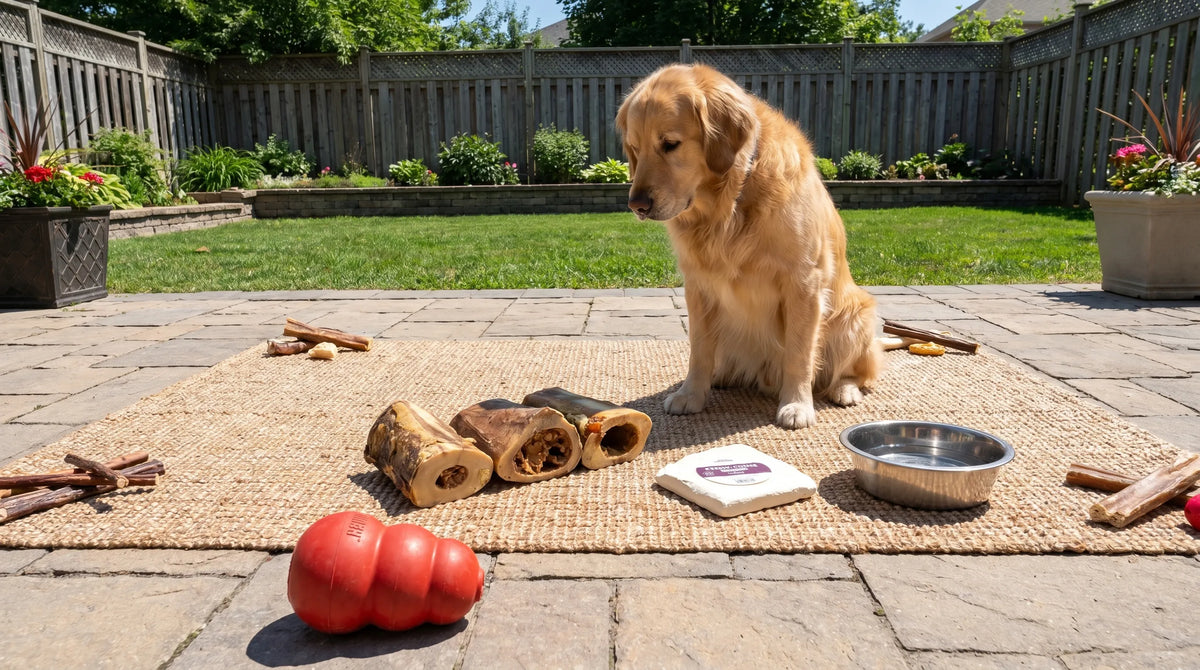
Marrow bones appeal to dogs because they combine a hard outer texture with a flavorful center. They can keep some dogs occupied for a long time, especially dogs that prefer gnawing to shredding.
A natural option such as Home Range Beef Cured Marrow Bones for Dogs Chew can be a better fit for dogs that enjoy substantial chewing and need something more engaging than a soft treat. The key is supervision. Hard bones are not right for every dog, especially dogs that bite down with extreme force or have dental problems.
The U.S. Food and Drug Administration has warned pet owners about potential hazards from bone treats, including choking, digestive issues, and mouth injuries. That does not mean every bone chew is automatically off limits, but it does mean you should choose carefully, monitor closely, and ask your veterinarian if your dog has cracked teeth, weak enamel, pancreatitis risk, or a history of swallowing large pieces.
Durable rubber toys
Not every rawhide alternative needs to be edible. In fact, for some dogs, a durable rubber chew toy is the safer everyday choice. Rubber toys can satisfy the urge to chew without adding calories, and treat-stuffable designs can turn chewing into enrichment.
This is especially useful for dogs that chew from boredom or anxiety. A toy filled with a small amount of dog-safe food can slow them down and keep their brain engaged. If you want to compare materials and toy styles, this guide to durable chew toys for dogs covers what to look for in long-lasting options.
Rubber toys should still be inspected often. If your dog tears off chunks, the toy is not durable enough for that dog. Replace any toy with deep cracks, missing pieces, or a texture that has become sticky or brittle.
Dental chews
Dental chews can be a smart alternative for dogs that need a lighter chewing option. They are usually easier on the teeth than very hard bones, antlers, or hooves. Many are shaped to create friction as the dog chews, which may help reduce plaque and freshen breath.
For dental-focused products, the Veterinary Oral Health Council maintains a list of accepted products that meet its standards for plaque or tartar control. This can be a helpful reference if dental benefit is your main goal.
Dental chews are not always long-lasting, so they may not satisfy intense chewers for long. They can also be calorie-dense if given daily. Check feeding guidelines, adjust treats elsewhere, and choose the correct size for your dog’s weight.

Fish skins, ears, and lighter natural chews
For light to moderate chewers, dehydrated fish skins, lamb ears, pig ears, or similar natural chews can be enjoyable. Fish skins are often crunchy and aromatic, while ears tend to be richer and longer-lasting. These can be good choices for dogs that want a treat experience more than a serious chew session.
The main concern is richness. Ears and fatty treats can upset some stomachs, especially if your dog eats them quickly. Fish-based chews may be better for some dogs with common protein sensitivities, but every dog is different. If allergies are part of your decision, Talis Us also has a helpful overview of hypoallergenic dog chews and ingredient considerations.
Antlers, hooves, and other very hard chews
Some rawhide alternatives are extremely hard. Deer antlers, water buffalo horns, and hooves can last a long time, but they may be too hard for dogs that bite down forcefully. A simple rule many veterinarians use is the thumbnail test: if you cannot make a slight mark in the chew with your fingernail, it may be hard enough to damage teeth.
That does not mean every dog must avoid them, but they are not a casual choice. They are best considered only for dogs with appropriate chewing habits and healthy teeth, and even then, supervision is essential. If your dog tries to crack chews like rocks, choose a softer option.
Safety checklist for any rawhide alternative
A better chew is not just about the ingredient. It is also about how you give it, when you take it away, and whether it matches your dog’s behavior.
- Choose a chew that is too large to swallow whole.
- Supervise the first several chewing sessions.
- Remove any chew when it becomes small, sharp, splintered, or overly soft.
- Avoid very hard chews for dogs with dental disease, missing teeth, or a history of tooth fractures.
- Introduce only one new chew at a time so you can spot digestive reactions.
- Count edible chews as treats and adjust food portions if needed.
If your dog coughs, gags, paws at the mouth, vomits repeatedly, refuses food, or seems painful after chewing, contact your veterinarian. Fast action matters when choking or obstruction is possible.
How to introduce a new chew
Start with a short session, about 10 to 15 minutes, while you are watching. This gives you a chance to see whether your dog gnaws, shreds, or tries to swallow pieces. If the chew holds up well and your dog’s stomach is normal afterward, you can gradually allow longer sessions.
Use a calm setting. Excited dogs are more likely to gulp, especially if other pets are nearby. If you have multiple dogs, separate them during chew time. This reduces competition and helps prevent one dog from stealing another dog’s half-finished chew.
Finally, rotate chew types. A rubber toy on busy weekdays, a dental chew after meals, and a supervised natural chew on the weekend may be more balanced than giving the same rich edible chew every day.
Frequently Asked Questions
What is the safest rawhide alternative for dogs? There is no single safest option for every dog. Many dogs do well with appropriately sized rubber chew toys, dental chews, cheek chews, or collagen sticks, but the safest choice depends on your dog’s chewing style, tooth health, and tendency to swallow pieces.
Are cheek chews better than rawhide? Cheek chews are a popular rawhide alternative because they are different from traditional rawhide rolls and can provide a long-lasting chewing experience. They still require supervision, proper sizing, and removal once they become small enough to swallow.
Can dogs chew marrow bones instead of rawhide? Some adult dogs enjoy marrow bones, but hard bones can pose risks, including tooth fractures, choking, or digestive problems. Choose the right size, supervise closely, and ask your veterinarian if your dog has dental issues or a history of gulping.
How often should I give my dog edible chews? It depends on the chew, your dog’s size, and their diet. Edible chews add calories, so many dogs do better with occasional chew sessions rather than daily rich treats. Check product feeding guidance and adjust meals when needed.
What should I avoid for a dog that swallows treats whole? Avoid small chews, brittle chews, and anything that breaks into swallowable chunks quickly. Larger chew toys, chew holders, and supervised enrichment toys are often better starting points for gulpers.
Find the right chew for your dog
Rawhide alternatives can make chew time safer, cleaner, and more enjoyable, but the right answer is personal to your dog. Match the chew to their jaw strength, digestion, dental health, and chewing behavior, then supervise until you know how they handle it.
You can explore quality dog treats, chews, toys, food, and accessories at Talis Us and choose options that fit your dog’s needs, from natural chews to durable enrichment toys.

De Talis Us



Dejar un comentario
Este sitio está protegido por hCaptcha y se aplican la Política de privacidad de hCaptcha y los Términos del servicio.