


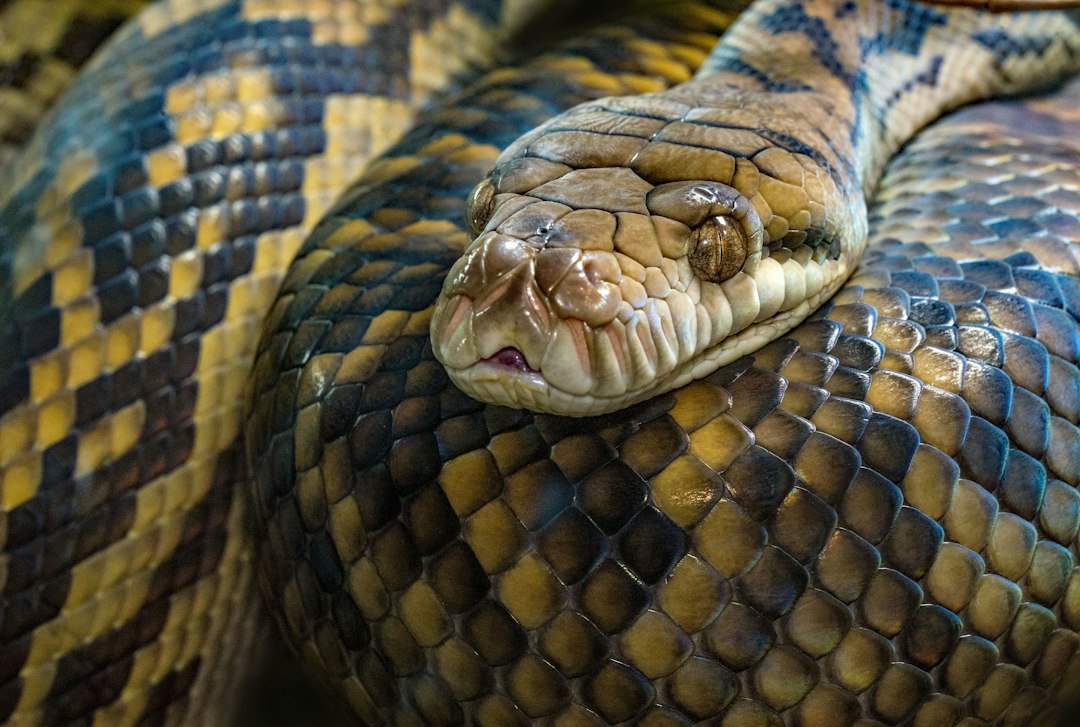
Premium reptile food brands for ball pythons
premium reptile food brands for ball pythons
Ball pythons thrive on consistent, species-appropriate feeding, and premium food can make that routine safer, cleaner, and easier to manage. For new keepers, the goal is not to chase the fanciest label; it is to choose nutritionally complete prey, reputable sourcing, reliable packaging, and formats your snake will actually accept. The best reptile food for a ball python usually starts with whole prey, but modern options such as whole-prey links can help owners who want convenience without abandoning sound nutrition.
What makes reptile food premium for ball pythons?
Premium reptile food is food that supports the animal’s biological needs while giving the keeper dependable quality, safe handling, and transparent sourcing. For ball pythons, that generally means whole-prey nutrition: muscle, bone, organs, connective tissue, and appropriate fat in a complete prey item or a carefully formulated equivalent. A polished package alone does not make food premium; the practical value is in nutritional completeness, consistency, freshness, and whether the product reduces feeding stress for both snake and keeper.
Ball pythons are carnivorous snakes, and their diet should be built around prey animals rather than scraps of meat. Chicken breast, beef strips, fish fillets, or other incomplete foods may look “cleaner” to a human, but they do not provide the same mineral balance and organ-based nutrients as whole prey. That is why serious keepers evaluate premium reptile food brands by what is inside the prey item, how it is produced, and how reliably it arrives frozen and intact.
A premium option should help you answer four practical questions before you buy:
- Is it nutritionally complete? Whole rodents, appropriate birds, or whole-prey blends are stronger choices than isolated meat pieces.
- Is the size appropriate? A common guideline is prey around 10% of the snake’s body weight, adjusted for body condition and veterinary guidance.
- Is the sourcing reputable? Look for clear information about feeder quality, handling, freezing, and shipping.
- Will the snake eat it consistently? Even excellent food is not useful if your ball python refuses it week after week.

Leading premium food options for ball pythons
The most reliable feeding plans usually center on frozen-thawed rodents, with specialty foods used strategically for variety, convenience, or picky eaters. Among top reptile brands discussed by keepers, two names often stand out for different reasons: ReptiLinks for whole-prey links and RodentPro for traditional frozen feeders. They are not identical solutions, so the better choice depends on your snake’s feeding response, your storage setup, and your comfort with handling prey.
ReptiLinks
ReptiLinks offers handmade, fresh-to-order whole-prey links made from ground whole animals such as chicken, quail, frog, and rabbit. The key distinction is format: instead of offering an intact mouse or rat, you are feeding a sausage-like link designed to contain whole-animal components such as bone, organs, connective tissue, and other ingredients. For some keepers, this is the bridge between sound nutrition and everyday convenience.
This style can be especially appealing when a ball python is finicky, when an owner dislikes the visual aspect of whole rodents, or when variety is desired without managing several types of frozen feeders. Links are vacuum-sealed, shipped frozen with dry ice, and offered in sizes intended to correspond with common feeder sizes. Because acceptance can vary, a patient keeper may need to offer them more than once and use careful scenting or presentation strategies.
The main advantage is controlled convenience. The possible limitation is that not every ball python recognizes processed prey as food immediately. If your snake already eats frozen-thawed rats eagerly, ReptiLinks may be a useful rotation food rather than a total replacement.
RodentPro
RodentPro is an established frozen-feeder supplier known for rodents and other feeder options, with a long-standing presence in the reptile community. Its value is straightforward: ball pythons commonly do well on appropriately sized mice or rats, and a dependable frozen-feeder source makes that routine easier to maintain. For many new owners, this is the most practical premium path because it preserves the natural whole-prey model while improving consistency and storage planning.
Frozen rodents also simplify safety compared with live feeding. Live prey can injure a snake, especially if left unattended, and may create unnecessary stress. Frozen-thawed prey, when thawed and warmed correctly, gives the snake the nutritional structure it needs without the avoidable risks of live prey.
RodentPro may be especially useful for keepers feeding multiple reptiles, owners who want to buy in planned quantities, or anyone who prefers a traditional feeding strategy backed by predictable feeder sizes. The tradeoff is that you still need freezer space, thawing discipline, and comfort handling whole prey.
Other reputable feeder sources
Beyond named brands, many keepers work with local exotic-pet shops, reptile expos, breeders, or veterinary-recommended feeder suppliers. These can be good options when they provide consistent sizes, clean packaging, clear storage practices, and honest answers about sourcing. The brand name matters, but your handling chain matters too: a premium feeder that thaws during transit, sits too long, or is refrozen carelessly is no longer a premium meal.
When evaluating unfamiliar top reptile brands, begin conservatively. Buy a small amount, inspect packaging, confirm prey size, and monitor your snake’s feeding response and digestion. A good supplier should make feeding feel more predictable, not more mysterious.
Traditional frozen rodents and whole-prey links compared
Traditional frozen rodents remain the standard for most ball pythons because they are complete, recognizable, and widely accepted. Whole-prey links are an innovative alternative that can reduce mess and visual discomfort while still aiming for whole-animal nutrition. Neither format is automatically superior; the best reptile food is the one that is complete, safe, appropriately sized, and accepted by your individual snake.
|
Feeding option |
Strengths |
Possible drawbacks |
Best use case |
|---|---|---|---|
|
Frozen-thawed mice or rats |
Complete whole-prey nutrition; familiar scent and shape; widely used |
Requires freezer space and careful thawing; some owners dislike handling rodents |
Routine feeding for most ball pythons |
|
Whole-prey links |
Convenient format; less visually intense; useful for variety or picky eaters |
Some snakes need time to recognize them; availability and cost may vary |
Owners seeking cleaner handling or novel prey options |
|
Chicks, quail, gerbils, or rabbit-based prey |
Adds dietary variety; may interest reluctant feeders |
Not always necessary; must still be properly sized and complete |
Occasional variety or targeted feeding trials |
|
Live prey |
Strong movement stimulus |
Injury risk, stress, and welfare concerns |
Generally avoided unless guided by an experienced professional |
For a new keeper, frozen-thawed rats or mice are usually the simplest baseline. Once your ball python eats consistently, you can consider whether premium alternatives solve a real problem: refusal, convenience, variety, odor, storage, or personal discomfort. Changing foods too often can create confusion, so introduce alternatives deliberately rather than turning every feeding into an experiment.
How should new owners feed premium reptile food safely?
New owners should feed premium reptile food by matching prey size to the snake, using frozen-thawed or pre-killed prey whenever possible, thawing slowly in the refrigerator, warming before presentation, and observing the snake without interfering. The process should be calm, repeatable, and sanitary. Ball pythons are often cautious feeders, so consistency in timing, temperature, scent, and enclosure conditions can matter as much as brand selection.
Start with prey that is roughly appropriate for the snake’s girth and weight, then adjust based on body condition and feeding history. Many keepers use the approximate 10% body-weight guideline, but that is not a commandment; a lean juvenile, a mature adult, and an overweight snake may need different schedules. If your snake regurgitates, repeatedly refuses meals, loses weight, or shows abnormal behavior, consult a reptile-savvy veterinarian before changing foods aggressively.
A safe feeding routine looks like this:
- Plan the meal size. Choose a feeder that matches your ball python’s current body size, not the size you expect it to become.
- Thaw gradually. Place frozen prey in the refrigerator, commonly overnight, so it thaws evenly and safely.
- Warm before feeding. Use warm water or another controlled warming method so the prey is warm to the touch, not cooked.
- Never microwave prey. Microwaving can heat unevenly, rupture tissues, and create dangerous hot spots.
- Use feeding tongs. Tongs help create movement while keeping your hands away from the strike zone.
- Give privacy. After the strike and swallow, minimize handling and disturbance so digestion can begin normally.
- Clean thoroughly. Disinfect surfaces, wash hands, and discard uneaten prey rather than refreezing it.
Feeding frequency depends on age, size, metabolism, and body condition. Young ball pythons generally eat more often than adults, while adults may feed at longer intervals, sometimes every few weeks. A premium brand can improve quality and convenience, but it does not replace husbandry fundamentals: proper temperatures, secure hides, low stress, and appropriate enclosure design all influence appetite.

Feeding picky ball pythons with premium foods
Picky feeding is common enough in ball pythons that a refusal should not automatically send you into panic mode. These snakes may skip meals because of seasonal rhythms, stress, shedding, enclosure temperatures, prey scent, prey size, or simple individual preference. Premium foods can help, but they work best when you first correct the environmental basics.
Before blaming the food, check the warm side, cool side, hides, humidity, and noise or handling levels around the enclosure. A ball python that feels exposed or chilled may refuse even the finest feeder. Once husbandry is stable, you can use food strategy more intelligently.
Useful tactics include:
- Keep the prey size modest. Oversized prey can intimidate reluctant feeders and increase digestive stress.
- Warm the head area slightly more. Many snakes respond to a clear heat target, especially when prey is offered with tongs.
- Try scent variation. Quail, chick, frog, rabbit, or gerbil scent may interest a snake that ignores standard rodents.
- Offer at the right time. Evening or low-light feeding often aligns better with ball python behavior.
- Avoid excessive hovering. Repeatedly opening the enclosure can turn feeding into a pressure event.
- Repeat calmly. Novel foods such as links may require multiple low-stress attempts before acceptance.
This is where ReptiLinks can be useful for some keepers. A frog, quail, chicken, or rabbit-based whole-prey link may present a different scent profile while avoiding the mess of preparing several prey types. Still, if your snake refuses all food for an extended period, loses visible body condition, or has a medical history, experimentation should give way to veterinary evaluation.
Supplements and variety require restraint
Whole prey is already designed by nature to be nutritionally broad, which is why ball python diets do not usually require the same supplementation strategy as many lizards or turtles. Occasional light dusting with calcium and multivitamins may be used by some keepers, particularly when advised by a professional, but more is not automatically better. Over-supplementation can create its own problems, and powders cannot fix an incomplete diet.
Variety can be beneficial when it is purposeful. Rotating between rats, mice, quail, chicks, or whole-prey links may encourage appetite and broaden nutrient exposure, but constant novelty can also train some snakes to hold out for a favorite item. Think of variety as a tool, not a carnival buffet.
A practical rule is to establish a dependable staple first. Once your snake feeds reliably and maintains good body condition, introduce premium alternatives one at a time. That way, if appetite changes, you can identify what changed instead of guessing through a freezer full of mystery meals.
Buyer criteria for choosing premium reptile food brands
Choosing among premium reptile food brands becomes much easier when you look beyond marketing language and evaluate the feeding system as a whole. A strong brand should make safe feeding more repeatable. It should also fit your actual life: freezer space, budget, delivery reliability, comfort level, and your snake’s preferences.
Use this checklist before committing to a large order:
- Nutritional design: Does the product use whole prey or a whole-prey formulation rather than isolated meat?
- Size range: Can you buy sizes that match your snake now and as it grows?
- Sourcing transparency: Does the company explain enough about ingredients, feeders, or production to earn trust?
- Frozen shipping quality: Are products packaged to remain frozen during transit, with insulation and dry ice when needed?
- Storage practicality: Can you store the order safely without crowding human food or risking thaw cycles?
- Acceptance potential: Does the scent, shape, and prey type make sense for your snake’s feeding history?
- Cost per feeding: Is the price sustainable over months, not just exciting for one trial order?
- Customer support: Can you get clear answers if you are unsure about size, thawing, or product selection?
This approach helps you compare RodentPro, ReptiLinks, local suppliers, and other top reptile brands without being dazzled by novelty alone. Premium should mean better confidence, not merely a higher invoice.
Conclusion
For most ball pythons, the foundation of good feeding is simple: complete prey, correct size, safe thawing, and a calm routine. RodentPro represents the traditional premium frozen-feeder path, while ReptiLinks offers a creative whole-prey link format for keepers who want convenience, variety, or a different option for selective snakes. Both can be part of an intelligent feeding plan when used thoughtfully.
The best reptile food is ultimately the food that keeps your ball python healthy, feeding consistently, and digesting normally while fitting your ability to store, prepare, and offer it safely. Start with fundamentals, evaluate brands with a critical eye, and remember that your snake’s steady progress is the real measure of quality.

De Talis Us



Dejar un comentario
Este sitio está protegido por hCaptcha y se aplican la Política de privacidad de hCaptcha y los Términos del servicio.