


Artículo: Outdoor bird aviary buying guide
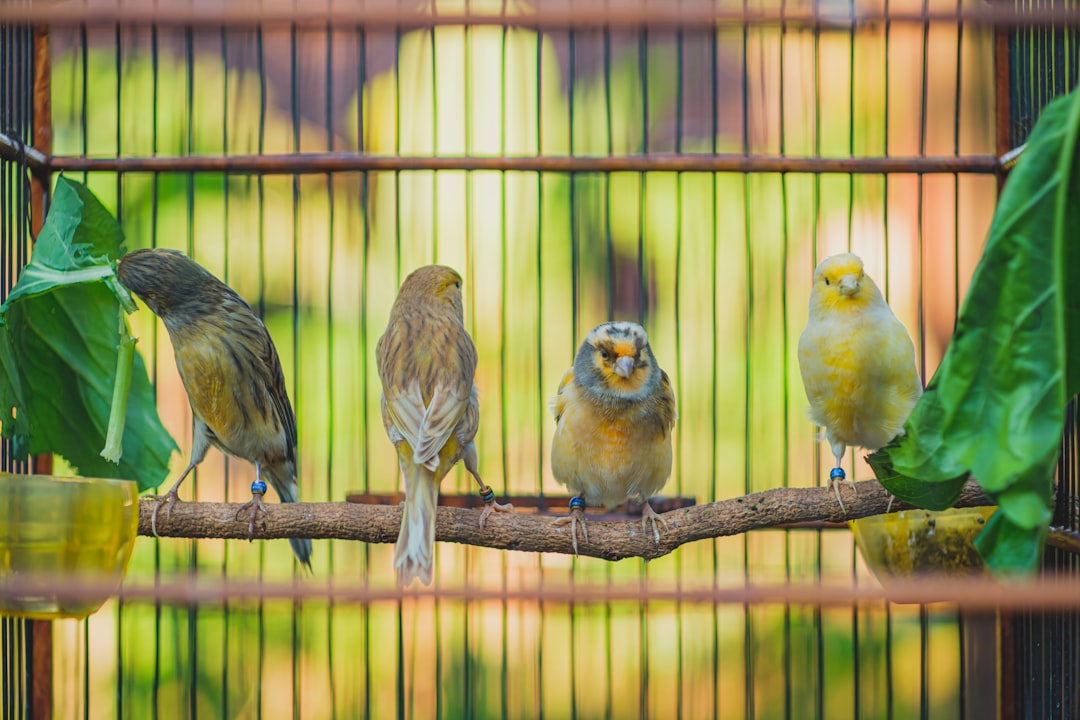
Outdoor bird aviary buying guide
outdoor bird aviary buying guide
An outdoor bird aviary can give pet birds more space, sunlight, enrichment, and fresh air, but only when it is planned with safety before aesthetics. The best choice is not simply the largest structure you can fit in the garden; it is the aviary that protects your birds from escape, predators, toxic materials, extreme weather, and daily hygiene problems. This guide explains how to evaluate size, materials, flooring, shelter, placement, and budget so you can choose or build a bird aviary outdoor setup with confidence.
What should you look for first in an outdoor bird aviary?
Start with safety, not style. A good outdoor bird aviary should prevent escapes, resist predators, use bird-safe materials, provide weather protection, and allow you to clean and inspect the enclosure without stressful handling. Once those essentials are covered, you can compare appearance, layout, accessories, and whether a ready-made model or a custom build makes more sense for your birds.
For new bird owners, the tempting features are often the pretty ones: decorative rooflines, painted frames, climbing branches, and attractive garden placement. Those details can be wonderful, but birds are delicate, persistent, and astonishingly skilled at finding gaps you missed. A parrot can work at a latch, a small finch can slip through mesh that looked “close enough,” and a frightened bird may bolt through a single open door before you can blink.
Think of the aviary as a complete life-support space. It must allow flight, rest, feeding, bathing, hiding, social interaction, and safe retreat. It also has to withstand rain, wind, sun, local pests, neighborhood animals, and your own daily routine. The best aviary is the one that makes good care easier every day, not the one that only looks impressive on delivery day.

Safety features that matter most
Safety is the foundation of every outdoor aviary decision. Birds are vulnerable to hazards that may seem minor to us: a sharp seam, a loose screw, a toxic coating, an exposed gap, or a sudden draft can become a serious problem. Before you compare prices or sizes, inspect how the structure is designed to keep birds contained, comfortable, and protected.
Escape prevention
A double-door entry is one of the most important features in any serious outdoor bird aviary. This may be called a catch-hold, safety porch, airlock, or vestibule. The idea is simple: you enter one small enclosed space, close the outer door behind you, and only then open the inner aviary door. If a bird flies toward you, it is still contained.
Door latches should be secure, ideally with secondary locking points for clever species such as parrots. Avoid flimsy hook latches, warped doors, and gaps around hinges. The frame should remain square after weather exposure, because even a small shift can create an escape route.
Check the bottom edge of doors as carefully as the top. Small birds can squeeze through surprisingly narrow spaces, and curious birds may push at weak corners. If the aviary includes feeding hatches, nest-box access doors, or removable panels, those must lock as reliably as the main entry.
Predator resistance
Aviaries attract attention from animals that see birds, seed, warmth, or shelter as an opportunity. Depending on your area, that may include cats, raccoons, rats, snakes, foxes, birds of prey, or even neighborhood dogs. Predator resistance is not just about strong walls; it is about eliminating reach-through injuries, digging access, roof entry, and weak attachment points.
For many species, fine, strong mesh is safer than wide wire spacing. Large parrots may need heavy-gauge welded mesh or purpose-made zoo mesh, while smaller birds require openings tight enough to prevent heads, feet, or predators’ paws from passing through. Mesh should be firmly attached to the frame, not loosely stapled where it can pull away.
The roof matters too. An uncovered top invites climbing predators and aerial threats. A solid or partially solid roof also helps with weather protection, but any open roof sections should use the same secure mesh as the walls.
Injury prevention
Birds climb, chew, land awkwardly, flap suddenly, and investigate everything. That means interior construction must be smooth, flush, and free of sharp ends. Exposed wire points, rough cut mesh, protruding screws, splintering timber, and pinching hinges can injure feet, beaks, wings, and eyes.
Look closely at seams and corners. If you can run your hand along the inside and feel snags, your bird can find them too. Corners should be reinforced without creating traps where toes can become caught. Any hardware inside the enclosure should be chosen with the assumption that a bird will touch it, chew it, or hang from it eventually.
Bird-safe materials and construction choices
Material choice separates a safe aviary from a risky enclosure. Outdoor conditions punish cheap materials, and birds add another layer of stress through chewing, climbing, and constant contact. The goal is to choose materials that are strong, weather-resistant, non-toxic, and maintainable.
Mesh and wire
The mesh is the most important material in the aviary. It controls containment, ventilation, predator protection, and chew resistance. For small birds, openings must be narrow enough to prevent escape and head entrapment. For larger parrots, the wire must also be thick enough to resist bending or chewing.
Purpose-made zoo mesh or high-quality powder-coated steel panels are often preferred for stronger outdoor enclosures, especially for larger birds. These options can be costly, but the mesh is not the place to economize casually. Weak mesh can bend, rust, break at welds, or allow a predator to injure a bird through the wall.
Be cautious with galvanized hardware and wire, particularly where birds may chew or scrape the surface. Zinc exposure can be dangerous to birds, so materials should be selected with avian safety in mind. If you are unsure whether a coating is bird-safe, ask the manufacturer directly and consult an avian veterinarian or experienced aviculturist before installing it.
Frames and panels
Metal frames can be durable and easier to sanitize, but they must be finished safely and protected from corrosion. Powder-coated steel and aluminum are common options in higher-quality aviary construction. Check that joints are strong and that coatings do not chip easily where birds can chew them.
Wood can look natural and may suit DIY projects, but it needs careful selection. Avoid pressure-treated wood where birds can chew it, because treatment chemicals may not be appropriate for avian contact. Untreated hardwood or bird-safe sealed wood may be usable in some designs, but chewing, moisture, pests, and cleaning limitations must be considered.
Panel systems can be helpful when you want a large outdoor bird aviary for sale that can be expanded or reconfigured. Modular panels may simplify transport, installation, and future repairs. Still, every panel connection must be secure, flush, and gap-free once assembled.
Fasteners, paint, and hardware
Small components deserve serious attention. Screws, bolts, washers, clips, hinges, brackets, and latches all affect safety. Stainless steel hardware is often preferable because it resists rust and is less likely to degrade outdoors.
Avoid unknown paints, bargain coatings, and hardware that flakes under pressure. Birds explore with their beaks, and a finish that is merely “outdoor suitable” is not automatically safe for birds. If a product description does not clearly address bird-safe use, treat that as a reason to ask questions, not as permission to proceed.
How large should an outdoor aviary be?
An outdoor aviary should be large enough for the birds to fly horizontally, turn comfortably, perch without crowding, and separate from one another when they need personal space. Length is often more valuable than height because most birds benefit from real flight distance, not just vertical volume. As a general buying principle, choose the longest safe aviary your site, budget, and care routine can support.
The right size depends on species, number of birds, temperament, wing condition, and whether the aviary is for full-time housing or supervised daytime access. A pair of budgies needs a very different setup from a pair of macaws. Even among parrots, a calm bonded pair and a territorial breeding pair may need different layouts.
For new pet owners, it helps to think in zones rather than only measurements. Birds need a flight zone, feeding zone, resting zone, sheltered zone, and human access zone. If all of these functions crowd into one small box, the aviary may be technically large enough to stand in but not large enough to support healthy behavior.
Sizing considerations by bird type
Small birds such as finches, canaries, and budgies usually need fine mesh, numerous perching options, and enough horizontal space for short flights. They may thrive in groups, but overcrowding can quickly create stress, feather damage, and hygiene problems.
Medium parrots such as cockatiels, conures, and ringnecks need stronger construction, chew-resistant fixtures, and thoughtful perch placement. They are active, intelligent, and capable of finding weak spots. They also need enough room to avoid constant proximity if housed together.
Large parrots such as Amazons, African greys, cockatoos, and macaws require robust mesh, strong frames, complex enrichment, and generous flight length. These birds can destroy flimsy materials and may manipulate latches. For them, a bargain enclosure designed for poultry or general garden use is usually not an adequate substitute for a true aviary.
Space planning checklist
Before buying or building, walk through these questions:
- Can the bird fly horizontally for more than a wingbeat or two, rather than only hop between perches?
- Is there room for multiple perch heights without placing droppings directly over food and water bowls?
- Can timid birds move away from dominant birds, people, or activity outside the enclosure?
- Is there a sheltered area that remains dry, shaded, and protected from wind?
- Can you enter, clean, replace bowls, and inspect the aviary without creating escape risk?
- If you add toys, branches, swings, and feeding stations, will the flight path remain open?
A bigger aviary is not automatically better if it is impossible to heat, clean, secure, or supervise. The practical ideal is a generous space that remains manageable enough for excellent daily care.

Flooring, foundation, and drainage
The floor is one of the most overlooked parts of aviary planning, yet it affects hygiene, predator control, rodent prevention, and long-term maintenance. A beautiful aviary on a poorly planned base can become muddy, smelly, unsafe, or vulnerable to pests. Choose the foundation before you fall in love with the frame.
A concrete slab is often a practical option because it is stable, cleanable, and helps block digging animals. Some owners also use buried fine mesh around the perimeter or beneath appropriate flooring layers to discourage rodents. If mesh is used near the ground, it should be small enough to stop pests and installed so birds cannot injure their feet on exposed edges.
Earth floors may look natural, but they can become difficult to manage. Rain creates mud, spilled food attracts rodents, and parasites or pathogens may persist in damp soil. If you want a more natural surface, consider using removable trays, washable surfaces, or controlled substrate areas that can be replaced and cleaned regularly.
Drainage should move water away from the aviary, not into it. Avoid placing the structure at the low point of the yard. Standing water increases odor, bacterial growth, insect activity, and foot-health risks.
Weather protection and year-round comfort
Outdoor housing must be designed around your local climate. Birds that are comfortable in mild conditions can become stressed or ill when exposed to cold drafts, excessive heat, heavy rain, or sudden temperature swings. A safe aviary gives birds choices: sun and shade, open air and shelter, activity and retreat.
Shade and sun balance
Natural sunlight can support healthy routines and enrich daily life, but direct sun without escape is dangerous. At least part of the aviary should be shaded throughout the hottest portions of the day. Shade can come from a solid roof section, shade cloth, covered panels, or careful placement near suitable structures.
Do not rely entirely on trees for shade. Branches can fall, predators can climb, droppings from wild birds can contaminate the area, and leaves can block inspection. A controlled shade solution attached to the aviary is more dependable.
Rain, wind, and drafts
A roofed section is essential in most climates. Birds should be able to stay dry during rain and avoid chilling winds. Side panels, windbreaks, or an attached shelter may be necessary depending on your location.
Drafts are especially important. A breezy aviary may feel pleasant to you on a warm afternoon, but a cold crosswind at night can be harmful. Position the aviary where it is protected from prevailing winds while still receiving good ventilation.
Cold-weather shelter and heat
If birds will spend cold months outdoors, they need more than a wire enclosure. An insulated shelter, enclosed night house, or indoor access area may be necessary. Heating should be designed for birds, with no open flames, fumes, smoke, or exposed hot surfaces.
Bird-safe electric heat sources, thermostats, and timers may help maintain safer conditions, but any electrical setup must be protected from chewing and moisture. Heating is not just a comfort feature; for many species and climates, it is a welfare requirement. When in doubt, plan for supervised daytime outdoor access rather than permanent outdoor housing.
Placement and neighborhood considerations
Where you place the aviary affects safety, comfort, cleaning, and your relationship with neighbors. A convenient site encourages consistent care; an awkward site tends to create skipped checks and delayed maintenance. Choose a location that works in ordinary daily life, not only in ideal weather.
Look for partial shade, wind protection, good drainage, and easy access from the house. Avoid cramped corners where you cannot inspect all sides. Do not place the aviary directly against dense trees, fences, or sheds that give predators cover or climbing access.
Noise also matters. Many parrots vocalize loudly, especially at dawn, dusk, and during social excitement. Before investing in a permanent structure, consider local rules, lease terms, homeowners’ association requirements, and neighborhood tolerance. Responsible planning protects your birds and your peace.
Visibility can be helpful. An aviary that you can see from the house is easier to monitor for weather changes, unusual behavior, predators, or damage. Birds may also feel more socially connected if the enclosure is near normal household activity, provided they are not constantly startled.
Commercial aviary, custom build, or DIY project
Buying a finished aviary can save time and reduce construction mistakes, but it does not remove your responsibility to verify safety. A DIY project can be more customizable and sometimes more affordable, but only if you can source appropriate materials and build with precision. Custom fabrication may offer the best fit for complex needs, though it often requires a larger budget.
If you are searching for a large outdoor bird aviary for sale, compare products based on construction details rather than photos alone. Ask what mesh is used, how panels connect, whether the finish is bird-safe, what the wire spacing is, and whether a double-door entry is included. If the seller cannot answer basic avian safety questions, be cautious.
DIY-compatible kits can be a useful middle ground. They may provide pre-made panels while allowing you to design the base, shelter, and layout. However, kits still need careful installation. A safe kit assembled poorly is no longer safe.
Budget factors to include
The visible aviary structure is only part of the cost. A realistic budget should include:
- Site preparation, leveling, drainage, or slab work
- Bird-safe mesh or panels strong enough for your species
- Double-door entry or safety porch materials
- Roofing, shade, windbreaks, and weather panels
- Insulated shelter or night house if needed
- Heating, lighting, and protected electrical installation where appropriate
- Perches, feeding stations, bathing areas, and enrichment
- Locks, secondary latches, and replacement hardware
- Cleaning tools, disinfectant, trays, and waste-management supplies
- Delivery, installation help, permits, or local compliance costs if applicable
The most expensive mistake is not buying a quality aviary; it is buying the wrong aviary and then paying to modify, repair, or replace it. Budget for safety first, comfort second, and decorative upgrades last.
Interior layout and enrichment
A well-planned interior encourages movement, confidence, and natural behavior. Poor layout can turn a large enclosure into a cluttered cage. The goal is to provide variety without blocking flight paths or creating hygiene problems.
Use perches of different safe diameters and textures so feet are not always gripping the same surface. Natural branches can be excellent when they come from bird-safe, pesticide-free wood and are cleaned appropriately. Place perches so droppings do not fall into food, water, or favorite resting areas.
Feeding stations should be easy for you to access and easy for birds to use without conflict. In multi-bird setups, offer more than one feeding point so dominant birds cannot control all resources. Water should be protected from droppings and replaced frequently.
Enrichment can include chew toys, swings, foraging trays, leafy browse from safe plants, bathing dishes, and seasonal novelty. Rotate items gradually rather than overwhelming birds with constant change. Intelligent birds, especially parrots, need mental work as much as physical space.

Maintenance and daily care
An aviary is not a set-and-forget habitat. Outdoor conditions change constantly, and birds are skilled at hiding early signs of stress or illness. A simple maintenance rhythm helps you catch problems before they become emergencies.
Daily care should include checking food and water, scanning for droppings changes, inspecting doors and latches, removing spoiled food, and observing behavior. Look for birds that are fluffed, withdrawn, breathing heavily, sitting low, avoiding flight, or being bullied. These signs deserve prompt attention.
Weekly tasks may include washing perches, scrubbing feeding areas, checking mesh attachment points, clearing debris, and cleaning sheltered zones. Monthly or seasonal tasks should include deeper structural inspection, pest checks, roof and drainage review, and testing any heating or lighting equipment before extreme weather arrives.
Practical maintenance checklist
Use this quick routine to keep care consistent:
- Confirm both entry doors close fully and all latches work.
- Inspect mesh, seams, corners, and panel joints for movement or damage.
- Replace food and water, then clean around feeding stations.
- Remove wet substrate, spoiled produce, feathers, and accumulated droppings.
- Watch each bird fly, perch, eat, and interact before leaving.
- Check the shelter for dryness, temperature, pests, and airflow.
- Record repairs needed so small issues are not forgotten.
Good maintenance is also good enrichment. When the aviary stays clean, dry, and predictable, birds can spend their energy exploring, flying, and being delightfully bird-like rather than coping with preventable stress.
Transitioning indoor birds to outdoor access
Indoor birds should not be moved outside permanently in a single leap. They need gradual acclimatization to temperature, natural light, outdoor sounds, wind, and the new enclosure. Even confident birds can become startled by planes, dogs, wild birds, or sudden shadows.
Start with short supervised visits in suitable weather. Watch body language closely: relaxed posture, normal vocalization, eating, preening, and curious exploration are good signs. Panic flying, clinging to the mesh, refusing food, heavy breathing, or persistent alarm calls suggest the session should end and the process should slow down.
Avoid introducing birds to the aviary during extreme heat, cold, storms, or high winds. Give them familiar perches, bowls, and toys at first so the space feels less alien. If multiple birds will use the aviary, monitor social dynamics carefully, because a larger space can reduce conflict but does not automatically create compatibility.
For permanent outdoor living, consult an avian veterinarian about species suitability, health status, parasite prevention, diet, and climate considerations. Some birds are excellent candidates for controlled outdoor time but poor candidates for full-time outdoor housing. The kindest plan is the one tailored to the individual bird, not the fantasy version of the aviary.
Final buying guidance
The best outdoor aviary is safe before it is spacious, bird-specific before it is decorative, and maintainable before it is impressive. Choose non-toxic materials, secure mesh, a double-door entry, predator-resistant construction, reliable shelter, and a layout that supports flight rather than clutter. If you are comparing a ready-made outdoor bird aviary, commissioning a custom structure, or adapting a DIY design, keep returning to one question: will this make daily care safer and easier for both the birds and the humans?
A well-designed bird aviary outdoor environment can be a joyful upgrade for pet birds, especially when it offers sunlight, air, movement, enrichment, and choice. Take your time, ask detailed questions, and invest in the parts that protect life and health. Your birds may not read the product specifications, but they will absolutely feel the difference between a rushed enclosure and a thoughtful home.

De Talis Us


Dejar un comentario
Este sitio está protegido por hCaptcha y se aplican la Política de privacidad de hCaptcha y los Términos del servicio.