


Optimized Glass Ant Farms: ANTCUBE's Superior Ant Habitats
Welcome to the fascinating world of myrmecology—the study of ants. Whether you were recently inspired by popular educational platforms like ants canada or you have harbored a lifelong curiosity about these industrious insects, keeping a colony of ants is a uniquely rewarding hobby.
Gone are the days of novelty gel farms that offer poor nutrition and short lifespans. Today, enthusiasts use professional grade glass ant farm kits to create thriving, sustainable ecosystems. At the forefront of this evolution are Ant Farms - ANTCUBE Glass Antfarms for Various Ant Species.
In this comprehensive guide, we will explore the inner workings of ant colonies, why glass formicariums are the gold standard, and how to successfully establish and maintain a thriving habitat.

Understanding the Hidden World of Ants
Before diving into equipment, it is essential to understand the biological and social needs of the insects you are keeping.
Where Do Ants Live and How Do They Organize?
In the wild, where do ants live? Depending on the species, they can be found in deep subterranean soil chambers, rotting logs, hollow twigs, or even living plant stems. A captive formicarium aims to replicate these natural microclimates.
So, how do ant colonies work? An ant colony is a superorganism. Instead of acting as individuals, the colony operates as a single, highly organized unit driven by chemical signals (pheromones). When observing the various actors in ant farm habitats, you will notice distinct roles:
- The Queen: The heart of the colony, solely responsible for laying eggs.
- The Workers: But exactly what do worker ants do? These sterile females do everything else. They forage for food, nurse the brood (eggs, larvae, and pupae), build new tunnels, and defend the nest.
- Majors (Soldiers): Present in polymorphic species, these larger ants have massive heads used for cracking hard seeds or defending the colony.
Colony Size and Lifespan
New keepers often wonder, how big is an ant colony? In the wild, certain species can grow to millions of individuals. However, if you are asking how many ants in one colony can comfortably live in captivity, it varies wildly. Depending on the species and the size of your setup, you might be wondering exactly how many ants in colony enclosures can be maintained—most home formicariums house anywhere from a few hundred to ten thousand workers.
Understanding the stages of an ants life is also crucial. How long do ants live in an ant farm? While worker ants typically live for a few months to up to three years, a well-cared-for queen can live for 10 to 20 years, meaning this hobby requires long-term commitment!

The ANTCUBE Advantage: Glass vs. Acrylic
When choosing a habitat, a common question arises: are glass ant farms better than acrylic formicariums?
For serious hobbyists, the answer is a resounding yes. While acrylic is lightweight, it scratches easily, warps over time due to moisture, and often accumulates static electricity that makes cleaning difficult.
Glass, on the other hand, offers unparalleled advantages. The high-transparency glass for clear ant observation ensures that you can monitor your colony's health, watch eggs hatch, and photograph your ants without the distortion common to plastic. ANTCUBE relies on pristine glass to deliver professional-grade durability that lasts a lifetime.
Setting Up Your ANTCUBE Formicarium
The beauty of the ANTCUBE ecosystem is its modularity. You are not just buying a box; you are building a customizable world.
Assembly and Expansion
Following an ANTCUBE modular system assembly guide is straightforward. The systems are designed to connect seamlessly using clear PVC tubing.
One of the greatest benefits of modular ant colony expansion is that you can grow the habitat in tandem with your colony. You should never put a small, young colony into a massive nest, as they will use the extra space as a garbage dump, leading to mold. Instead, start small and add new nesting modules as their numbers swell.
A complete setup requires a nesting area (the formicarium) and a foraging area. Connecting an outworld for foraging behavior is essential. The outworld simulates the "outside world" where you will place food and water, and where workers will dispose of their waste.
Security and Airflow
Ants are infamous escape artists. Fortunately, ANTCUBE designs include tight tolerances and escape-proof formicarium features for small species, such as secure lids and smooth glass edges perfectly suited for applying barriers like fluon (PTFE) or baby powder mixed with rubbing alcohol.
Furthermore, these setups feature integrated ventilation in premium ant habitats. Micro-mesh ventilation grates ensure proper airflow, preventing stagnant air while ensuring even the tiniest worker ants cannot squeeze through.
Tailoring the Habitat: Species-Specific Needs
Not all ants require the same environment. Ant Farms - ANTCUBE Glass Antfarms for Various Ant Species offer different nest inserts—such as cork, gypsum, Ytong (aerated concrete), and natural soil—to meet diverse biological needs.
Keeping Harvester Ants
Harvester ants (genus Messor or Pogonomyrmex) are incredibly popular because they primarily eat seeds, making feeding very easy. They require a dry environment to prevent their seed stockpiles from germinating or rotting. The best glass formicarium for harvester ants is typically an ANTCUBE fitted with a sandy-loam diggable mixture or a dry Ytong insert with a very small hydration gradient.
Keeping Carpenter Ants
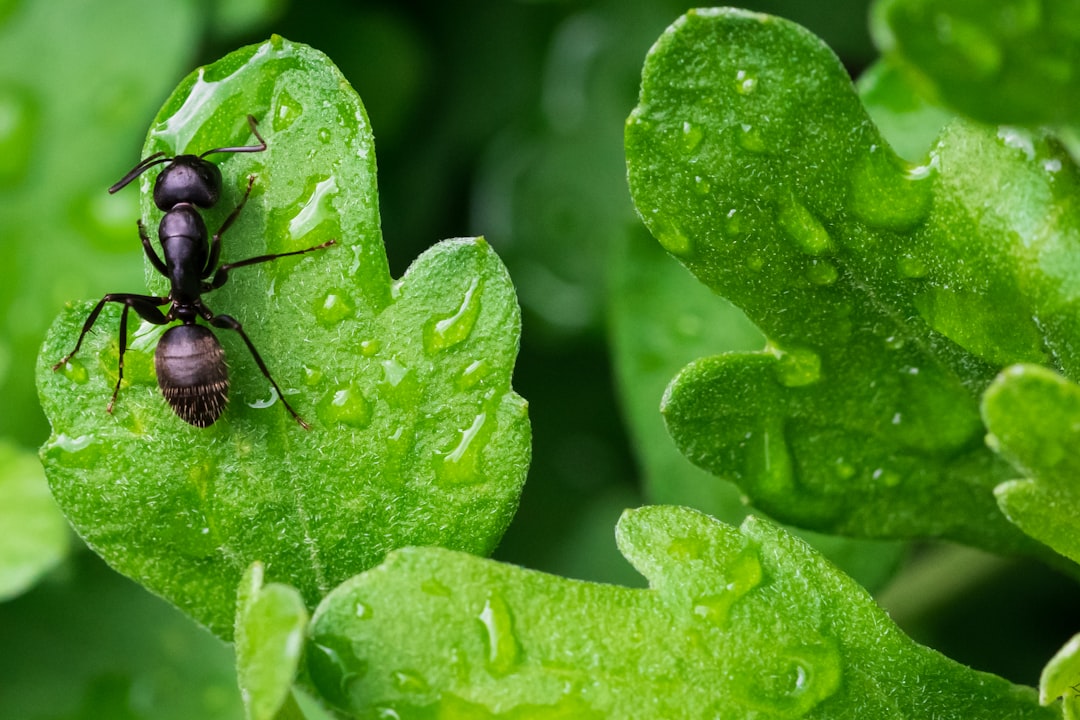
Conversely, Camponotus (Carpenter ants) love nesting in wood. When choosing the right nest size for Camponotus, remember that these are some of the largest ants in the hobby. They require formicariums with deeper, wider chambers and often prefer cork inserts.
Substrate and Ground Cover
Understanding substrate requirements for different ant species is key to a thriving outworld. Desert ants prefer a sand-heavy mix, while tropical and forest species thrive on a mixture of coconut fiber, peat, and loam, which holds moisture and supports live plants or clean-up crews like springtails.

Expert Husbandry and Maintenance
Once your ants are moved in, your primary job is maintenance. The health of your colony hinges on moisture, cleanliness, and low stress.
Moisture and Humidity Management
Learning how to regulate humidity in glass ant nests is perhaps the most critical skill in ant keeping. Most ANTCUBE nests come with built-in hydration chambers. By adding water to these specific reservoirs, moisture slowly wicks into the nesting material, creating a humidity gradient. This allows the ants to move their brood to the chamber with the perfect moisture level.
Here are some essential formicarium hydration system maintenance tips:
- Use distilled water: Tap water contains minerals that will clog the pores of Ytong or gypsum inserts over time, rendering them unable to absorb water.
- Don't over-hydrate: Only fill the reservoir when the nesting material begins to look pale or dry.
- Observe the ants: If ants are piling all their brood near the water source, the nest is too dry. If they are moving the brood as far away as possible, it is too wet.
Preventing Mold
A damp, warm environment full of organic matter is a recipe for fungi. Preventing mold growth in naturalistic ant habitats requires diligence.
- Remove uneaten food from the outworld within 24 to 48 hours.
- Ensure the nesting area is appropriately sized so ants don't use empty chambers for waste.
- Introduce a "clean-up crew" of springtails or isopods in soil-based setups to consume decaying matter before mold takes hold.
Upgrading and Moving
Eventually, your colony will outgrow its current home. Knowing how to move an ant colony into a new nest without stressing them to death is vital.
Never force them out by dumping or shaking them.
Instead, connect the old nest to the new ANTCUBE nest using a tube. Make the old nest undesirable by exposing it to bright light and letting it slowly dry out (stop hydrating it). Make the new nest highly desirable by keeping it dark, appropriately heated, and perfectly humidified. The worker ants will scout the new location and, realizing it is superior, will gently pick up the eggs, larvae, and eventually the queen, marching them safely to their new home.
Conclusion
Keeping ants is a window into one of nature's most complex and fascinating societies. By investing in Ant Farms - ANTCUBE Glass Antfarms for Various Ant Species, you are providing your colony with a safe, durable, and highly observable environment that can grow alongside them.
From managing humidity to enjoying the crystal-clear views of your workers tending to the queen, a premium glass setup ensures that your journey into myrmecology is a successful one. Start small, research your specific species' needs, and enjoy watching your very own miniature empire flourish!

De Talis Us


Dejar un comentario
Este sitio está protegido por hCaptcha y se aplican la Política de privacidad de hCaptcha y los Términos del servicio.