


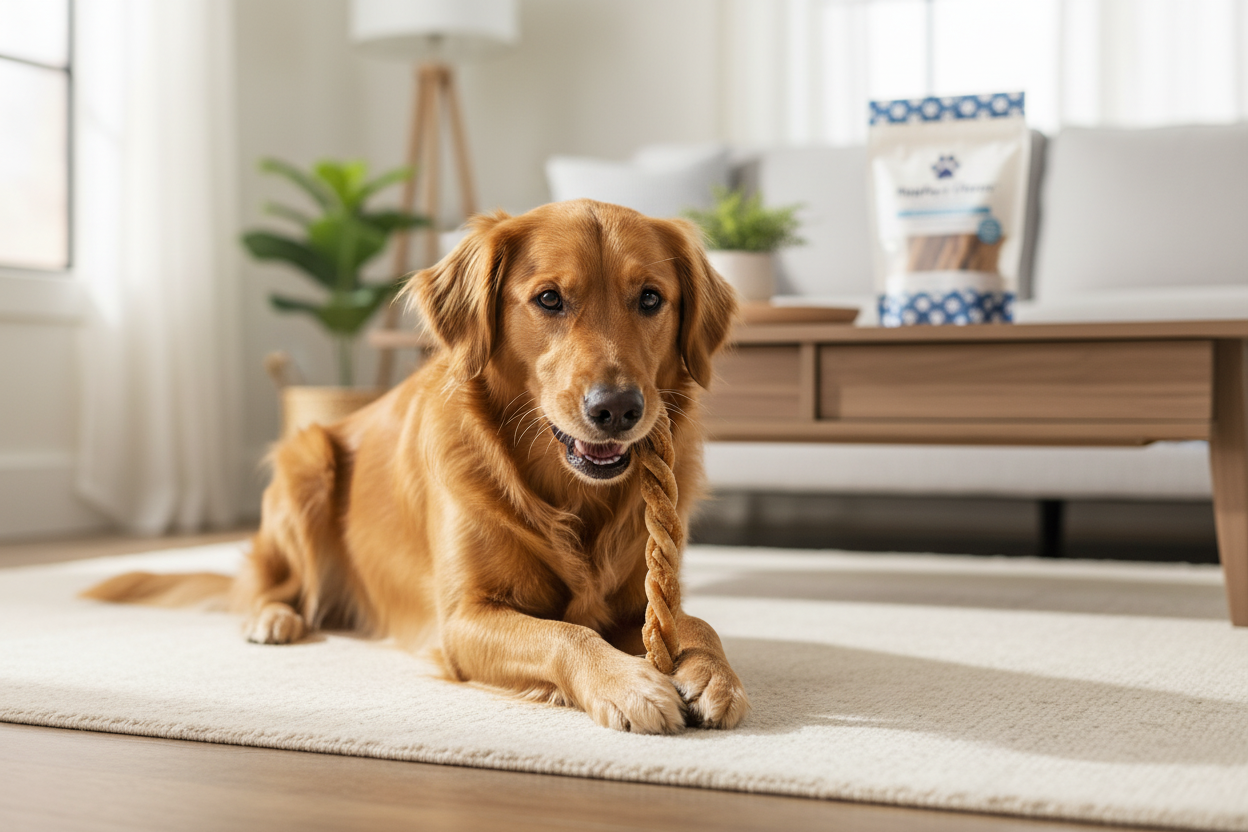
Low Odor Bully Sticks: Best Picks for Your Dog
Finding a Chew Your Dog Loves Without the Smell
If you've ever handed your dog a traditional bully stick and immediately regretted it because of the overwhelming smell, you're not alone. That sharp, barnyard-like odor is one of the most common complaints among pet owners who otherwise love bully sticks as a natural, long-lasting chew. The good news is that low odor bully sticks exist, and they've become one of the most popular upgrades for dog owners who want the best of both worlds: a wholesome, satisfying chew without the nose-wrinkling experience.
This guide is written for pet owners who want to make informed choices about their dog's treats. Whether you have a power chewer who demolishes every toy in minutes or a gentler chewer who likes to settle in for a long session, low odor bully sticks offer a cleaner, more enjoyable treat experience for both of you. We'll walk you through exactly what makes bully sticks low odor, the real benefits they offer your dog, and how to pick the right one based on your dog's size and chewing style.
What Makes Bully Sticks Low Odor?
The Role of Processing and Ingredients
Not all bully sticks are created equal, and the difference in smell comes down to how they are made. Bully sticks are crafted from bull pizzle, a single-ingredient protein source that is naturally rich in nutrients. The odor associated with traditional bully sticks comes primarily from the way the product is processed, dried, and sourced.
When bully sticks are improperly cleaned before drying, residual organic material remains on the surface. As this material dries, it produces that recognizable and unpleasant smell. Low odor bully sticks go through a more thorough cleaning and preparation process. This often involves additional washing steps, more controlled drying environments, and careful sourcing from animals raised in cleaner, more regulated conditions.
The source of the beef matters just as much as the process. Bully sticks made from grass-fed, free-range cattle that are raised without hormones, steroids, or antibiotics tend to produce a milder odor. The overall quality of the animal's diet and living conditions directly impacts the composition of the raw material, which in turn affects the final product's smell.
Drying method also plays a significant role. Bully sticks that are slow-baked or oven-dried at controlled temperatures tend to have less odor compared to those that are smoked or air-dried in uncontrolled environments. Smoking, while popular for flavor enhancement, can actually intensify the smell and is generally avoided in low odor formulations.
When you see a bully stick labeled as "low odor," it typically means the manufacturer has taken deliberate steps across sourcing, cleaning, and drying to reduce the natural odor as much as possible without using artificial chemicals or masking agents. That distinction matters, because a truly low odor bully stick achieves its result through quality, not through additives.
Understanding how pet treats are processed and what safety standards apply can help you shop with greater confidence and recognize which products meet a higher standard of care.
Top Benefits of Low Odor Bully Sticks for Your Dog
More Than Just Smell-Free
Choosing a low odor bully stick isn't just about making your living room more pleasant. These chews offer a wide range of benefits that support your dog's physical health, mental wellbeing, and behavioral needs.
Dental Health Support
One of the most well-documented benefits of chewing is its positive effect on oral hygiene. As your dog works through a bully stick, the mechanical action of chewing scrapes against the tooth surface, helping to remove plaque and tartar buildup. Research published in veterinary literature highlights that dental chews can play a meaningful role in supporting oral health when used consistently as part of a broader dental care routine. While bully sticks are not a replacement for brushing, they complement your dog's overall dental hygiene in a way that dogs actually enjoy.
High Protein, Fully Digestible Nutrition
Bully sticks are a single-ingredient, high-protein treat. Unlike rawhide, which is largely indigestible and can cause blockages, bully sticks are fully digestible. This means your dog absorbs the nutritional value rather than passing it through unprocessed. The protein content supports muscle maintenance, energy levels, and overall vitality. For active dogs or those recovering from illness, this makes bully sticks a nutritionally meaningful addition to their diet.
Mental Stimulation and Behavioral Benefits
Dogs have a deeply rooted instinct to chew. According to the ASPCA, destructive chewing is one of the most common behavioral issues in dogs, and it often stems from boredom, anxiety, or the simple need to satisfy a natural drive. Providing a long-lasting chew like a bully stick gives your dog an appropriate outlet for this instinct. This reduces the likelihood of your dog turning to furniture, shoes, or other household items for relief.
Long-lasting chews also provide mental engagement. The focus required to work through a thick, braided, or curly bully stick keeps your dog occupied and calm, which is especially valuable during high-stress periods like thunderstorms, fireworks, or when you're working from home and need some quiet time.
A Safer Alternative to Rawhide
Many pet owners turn to bully sticks specifically because they want to move away from rawhide. Rawhide is heavily processed, often treated with chemical preservatives, and poses a choking or blockage risk due to its indigestibility. Bully sticks, by contrast, are minimally processed, free from artificial additives, and break down safely in your dog's digestive system.
The Talis US Curly Bully Sticks are a standout example of a low odor option that delivers on all these fronts. Crafted from 100% premium free-range beef with a low-odor formula, they are free from artificial additives and rich in protein, making them a smart, safe choice for everyday chewing.
How to Choose the Best Low Odor Bully Sticks
Size, Thickness, and Source Matter
With so many options available, choosing the right low odor bully stick for your dog can feel overwhelming. But once you know what to look for, the decision becomes much simpler. The key factors are your dog's size, chewing style, ingredient sourcing, and product format.
Match Size to Your Dog
Bully sticks come in a range of sizes and thicknesses, and choosing the right one is important for both safety and enjoyment. A thin bully stick given to a large, aggressive chewer can be consumed too quickly and may even pose a choking risk if a large piece breaks off. Conversely, a very thick bully stick given to a small dog or puppy may be too difficult to chew and cause frustration.
As a general guide:
Small dogs and puppies do best with thinner, shorter sticks that are easy to hold and chew.
Medium dogs benefit from standard thickness sticks that provide a good chew duration without being too challenging.
Large and power chewers need thick, braided, or extra-long options that stand up to heavy chewing and last longer.
Consider the Format: Straight, Braided, or Curly
Bully sticks are available in several formats, each offering a different chewing experience. Straight sticks are the classic option and work well for most dogs. Braided bully sticks, like the Home Range All Natural Long Lasting Bully Braid Dog Chew, are woven together from multiple strands, making them denser and significantly longer-lasting. The braided texture also adds a dental benefit, as the weaving creates additional surface contact with teeth and gums.
Curly bully sticks offer a fun, engaging shape that many dogs find stimulating. The curled format maintains consistent thickness throughout, which means your dog gets an even chew experience from start to finish.
Prioritize Sourcing and Ingredient Transparency
When evaluating a bully stick, the ingredient list should be short. Ideally, it should contain just one ingredient: beef pizzle. Any additional ingredients, especially artificial preservatives, flavor enhancers, or chemical treatments, are red flags. Look for products that clearly state the source of their beef, whether it is grass-fed, free-range, or raised without hormones and antibiotics.
The Talis Us Braided Bully Sticks for Dogs are made from 100% South American bull pizzle with zero additives, fillers, hormones, or preservatives. The hand-braided design provides an extra long-lasting chew while naturally supporting dental health, and the high protein content supports brain function, body vitality, and a glossy coat.
Check for Responsible Manufacturing Practices
Beyond the ingredient list, it is worth considering how the product is manufactured and handled. Responsible manufacturers follow food safety guidelines that minimize contamination risk and ensure product consistency. The CDC's guidelines on pet food safety and the AVMA's recommendations for safe handling of pet treats both emphasize the importance of purchasing from brands that prioritize hygiene and quality control throughout their production process.
When you buy from a brand that is transparent about its sourcing and manufacturing, you are not just getting a better-smelling product. You are getting a safer one.
Watch Your Dog While They Chew
Regardless of which bully stick you choose, supervision is always recommended. As the stick gets smaller, there is a risk of your dog trying to swallow a large piece whole. A good rule of thumb is to remove the bully stick once it has been chewed down to a size that could pose a choking hazard. This simple habit keeps treat time safe and enjoyable every time.
Veterinary guidance from Cornell University also reinforces the value of redirecting chewing behavior toward appropriate items, and bully sticks are consistently recommended as one of the safest natural chew options available.
Your Dog Deserves a Better Chew
Low odor bully sticks are one of the simplest, most meaningful upgrades you can make to your dog's treat routine. They deliver everything you love about traditional bully sticks, including the long-lasting chew, the natural ingredients, and the dental and nutritional benefits, without the smell that makes you want to leave the room.
The key is knowing what to look for. Prioritize bully sticks made from responsibly sourced, grass-fed or free-range beef with no artificial additives. Choose a size and format that suits your dog's chewing style, and always supervise treat time for safety. Whether you go with a braided option for maximum durability, a curly stick for variety, or a flat esophagus chew for something a little different, your dog is going to love it.
Your dog's happiness and health are worth the extra attention to detail. Now that you know exactly what sets a quality low odor bully stick apart, you're ready to make a choice your dog will wag their tail over.

De Talis Us


Dejar un comentario
Este sitio está protegido por hCaptcha y se aplican la Política de privacidad de hCaptcha y los Términos del servicio.