



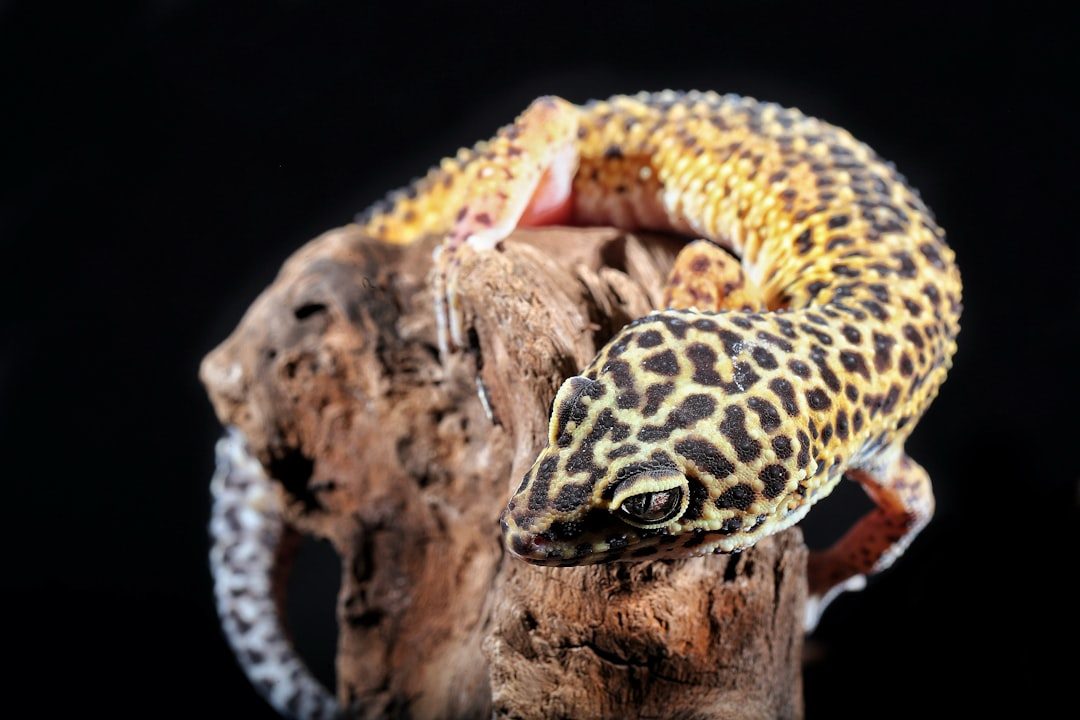
Leopard Gecko Food & Supplies: Diet, Feeding Guide, and Must-Have Accessories
Leopard Gecko Food & Supplies: Diet, Feeding Guide, and Must-Have Accessories
Bringing home a new leopard gecko is exciting, but that first trip to the pet store can feel overwhelming. What do you actually need? This guide is your simple, stress-free shopping list of leopard gecko necessities to get it right the first time.
Unlike many reptiles, leopard geckos digest their food using belly heat. Think of an under-tank heat mat as their personal stove—it’s essential for their health, while overhead lamps are not.
The floor of the tank, called the substrate, also matters more than you might think. While sand looks natural, most vets agree it can cause serious health problems if eaten. For a beginner, simple paper towels are the perfect first floor: they’re safe and make it easy to monitor your new pet’s health.
These are the five non-negotiable items you need for a functional and safe environment from day one:
- A 10–20 gallon tank
- An under-tank heat mat (with a thermostat to control the temperature)
- At least one hiding spot (a “hide”)
- A shallow water dish
- Paper towel substrate
What Do Leopard Geckos Actually Eat?
Your new pet’s diet is simple: leopard geckos are insectivores, meaning they only eat bugs. Your leopard gecko food list will consist of a few “staple” insects that can form their main meals. For beginners, the best and most available feeder insects for leopard geckos are mealworms, dubia roaches, and crickets, which you can find at nearly any pet store that sells reptiles.
Since their bodies are built only for insects, you should never offer them fruits or vegetables. The answer to "can leopard geckos eat vegetables?" is a definite no—they simply can't digest plant matter, and it will make them sick. Keeping their diet focused on quality insects is key to their health.
It's also critical to only use insects from a pet store. Wild-caught bugs from your backyard often carry parasites or have been exposed to pesticides that can be fatal to your gecko. Sticking to store-bought feeders is the only safe choice. But even these healthy insects need one more step to become a perfect meal.

How to Use Calcium Powder: Your Gecko's Most Important Supplement
Even the healthiest store-bought insects are missing one vital nutrient: calcium. Without a proper leopard gecko calcium supplement, your pet can develop Metabolic Bone Disease (MBD), a serious illness that makes their bones soft and weak. Think of calcium powder as a required daily vitamin that keeps your gecko’s skeleton strong and healthy.
Getting this vital nutrient to your pet is done through a simple method called “dusting.” Before each feeding, just place a few insects in a plastic bag or deep cup with a pinch of calcium powder. Give it a gentle shake to lightly coat the bugs, and then offer them to your gecko.
When you shop for a supplement, you’ll notice options with and without Vitamin D3. For a beginner, the choice is simple: the best calcium supplement for leopard geckos is one that includes D3. This vitamin is crucial for helping your gecko’s body actually use the calcium, and it’s the safest, most direct way to ensure their health without complex lighting setups.
Exactly how often to dust feeder insects will change as your gecko grows from a baby to an adult.
A Simple Leopard Gecko Feeding Schedule by Age
As a simple rule for portion size, offer as many insects as your gecko will actively eat within a 15-minute window. While the amount they eat in one sitting might vary, the frequency of these meals is what changes as your pet grows.
Your leopard gecko feeding frequency depends entirely on their age. Younger geckos need a constant supply of energy to grow, while adults require less. Here’s a basic leopard gecko feeding schedule for babies and beyond:
- Baby Geckos (0-6 months): Offer 5-7 small insects, DAILY.
- Juvenile Geckos (6-12 months): Offer 6-8 medium insects, EVERY OTHER DAY.
- Adult Geckos (1+ year): Offer 6-8 large insects, 2-3 TIMES PER WEEK.
Wondering if you’re feeding the right amount? Just look at your gecko’s tail. It’s their personal fat-storage unit, like a camel’s hump. A healthy, well-fed leopard gecko will have a plump, rounded tail that is at least as wide as the space between their shoulders. If it looks thin and stick-like, they need more food. This simple visual check is the best way to ensure your feeding schedule is on track.
Why Your Gecko Might Not Be Eating (And How to Fix It)
It’s worrying when your new gecko suddenly refuses a meal, but don’t panic. A temporary hunger strike is extremely common and rarely points to a major issue. Often, one of three simple things is the cause, and finding one of the right leopard gecko not eating solutions is usually straightforward.
The most common reasons are stress from a new environment or an upcoming shed. When shedding, your gecko's skin will look dull and ashy. They feel uncomfortable during this process and usually won't eat until their old skin is completely gone, which is perfectly normal behavior.
Temperature is also critical. Your gecko needs belly heat from a heat mat to digest food. If their warm hide is too cool, their appetite simply shuts down because they physically can't process a meal. This is the first thing to check if you want to know how to get a picky gecko to eat.
So how long can a leopard gecko go without eating? A healthy adult with a plump tail can safely go a week or two. You only need to worry if this continues longer and you see significant weight loss (a skinny tail) or unusually sluggish behavior.
Your Happy Gecko Checklist: Key Takeaways for Success
You've got this. Just remember the three keys to success: a warm belly for digestion, nutritious insects dusted with calcium, and a clean, simple setup with fresh water. These are the cornerstones of responsible leopard gecko care.
By focusing on these fundamentals, you can shift from worry to wonder. The best enrichment for a leopard gecko is an owner who can confidently care for them. Welcome to the rewarding journey of pet ownership—you’re ready.

De Talis Us




Dejar un comentario
Este sitio está protegido por hCaptcha y se aplican la Política de privacidad de hCaptcha y los Términos del servicio.