



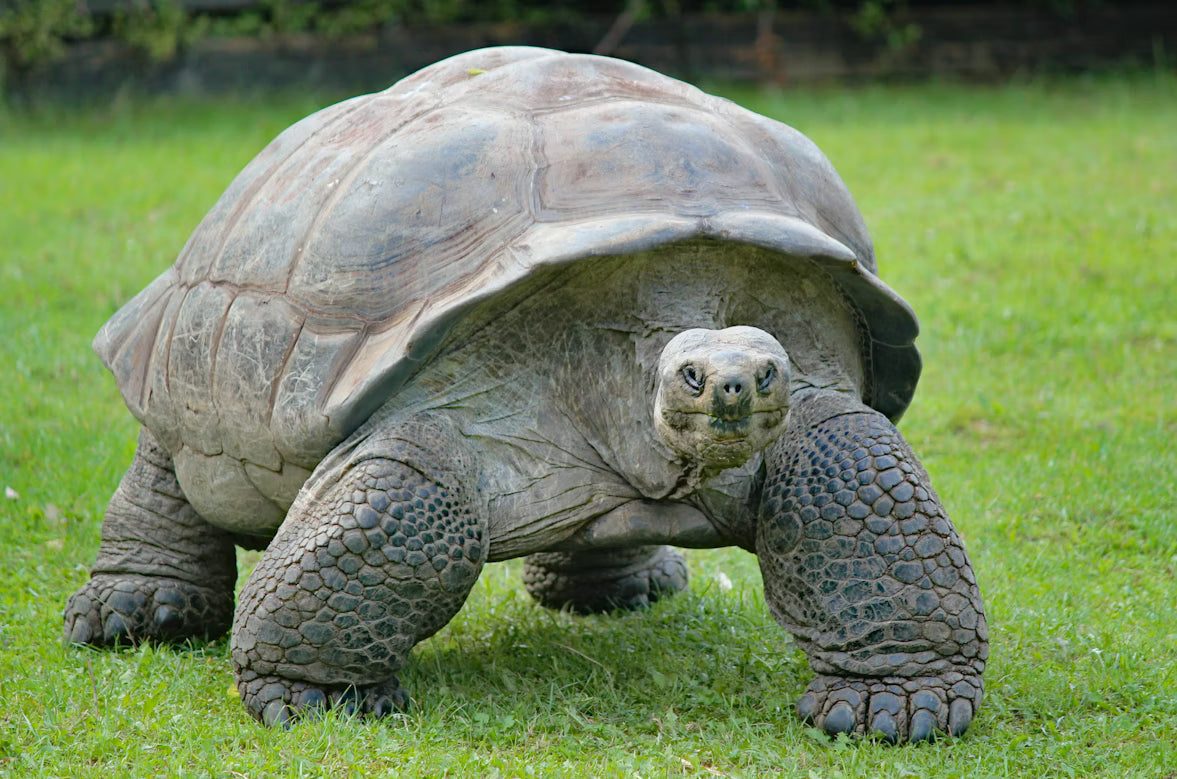
Keep Your Reptiles Safe with Quality Heat Lamps
Safe Heat Lamps for Reptiles: Ensuring Optimal Habitat Heating and Pet Safety

Providing the right heating solutions for reptiles is crucial for their health and well-being. Safe heat lamps play a vital role in creating an optimal habitat, ensuring that reptiles can thermoregulate effectively. This article will explore the various types of heat lamps available, their benefits, and essential safety considerations. Understanding these aspects will help pet owners make informed decisions about their reptile's heating needs. We will also discuss how to install and use these lamps safely, along with best practices for maintaining the right temperature in your reptile's habitat.
Types of Heat Lamps
When it comes to heating reptiles, several types of heat lamps are available, each with unique features and benefits. Understanding these options can help you choose the best one for your pet's specific needs.
Incandescent Heat Lamps
Incandescent heat lamps are a popular choice for reptile owners due to their affordability and availability. These lamps emit both light and heat, making them suitable for creating basking spots. They work by converting electrical energy into light and heat, which can effectively raise the temperature in a specific area of the habitat. However, they may not be the most energy-efficient option, and their lifespan is generally shorter compared to other types of heat lamps.
Ceramic Heat Emitters
Ceramic heat emitters are another excellent option for reptile heating. They provide a consistent heat output without emitting light, making them ideal for nocturnal reptiles. These emitters work by radiating heat, which warms the surrounding area effectively. Their durability and energy efficiency make them a popular choice among reptile enthusiasts. Additionally, ceramic heat emitters are less likely to disturb the natural day-night cycle of reptiles, promoting healthier behaviors.
Infrared Heat Lamps
Infrared heat lamps are designed to emit infrared radiation, which directly heats the reptile's body rather than the surrounding air. This type of heating is beneficial for reptiles as it mimics the natural sunlight they would receive in their native habitats. Infrared lamps can penetrate the skin and provide warmth to the reptile's internal organs, promoting better digestion and overall health. They are particularly useful for species that require higher temperatures for optimal functioning.
While infrared lamps offer many benefits, it's important to consider the specific type of infrared radiation they emit and its implications for reptile health.
Infrared Heat Lamps: Efficiency, Penetration, and Dehydration Risks Artificial heating via lamp technology is a key feature of the husbandry of many captive animals, especially ectotherms. Short wave infrared (IRA) is theoretically more efficient in raising animal core temperature than medium (IRB) and long wave infrared (IRC) as it penetrates deeper into the skin and underlying tissues. However, for historical reasons, lamps emitting predominantly long wave infrared are commonly used, causing superficial heating and dehydration in animals due to shallow tissue penetration and more uneven heating of surface versus core. Effect of different infrared basking lamps on the heating effectiveness and desiccation of gelatine models: Implications for zoo animal husbandry, CJ Michaels, 2025
Mercury Vapor Bulbs
Mercury vapor bulbs combine heat and UVB light, making them a versatile option for reptile habitats. These bulbs provide both warmth and essential UVB rays, which are crucial for reptiles' metabolic processes, including calcium absorption. However, they require careful handling and installation due to their high output and potential hazards. It's essential to ensure that the distance between the bulb and the reptile is appropriate to prevent burns.
Benefits of Heat Lamps

Heat lamps offer several benefits that are essential for the health and well-being of reptiles. Understanding these advantages can help pet owners appreciate the importance of proper heating in their habitats.
- Thermoregulation : Heat lamps allow reptiles to regulate their body temperature effectively, which is vital for their metabolic processes.
- Behavioral Health : Proper heating encourages natural behaviors, such as basking, which is essential for digestion and overall health.
- Temperature Gradients : Heat lamps help create temperature gradients within the habitat, allowing reptiles to move between warmer and cooler areas as needed.
For those seeking high-quality heat lamps, Talis Us operates as a premium pet supplies platform with a focus on user-friendly purchasing experiences. Their selection includes various heat lamps suitable for different reptile species, ensuring that pet owners can find the right product for their needs.
Safety Considerations

When using heat lamps for reptiles, safety should always be a top priority. Here are some essential considerations to keep in mind:
- Use of Thermostats : Installing thermostats can help regulate the temperature and prevent overheating, ensuring a safe environment for your reptiles.
- Secure Positioning : Ensure that heat lamps are securely positioned to prevent accidental falls or contact with the reptiles, which could lead to burns.
- Regular Monitoring : Regularly check the temperature and functionality of the heat lamps to ensure they are working correctly and providing the necessary heat.
It's crucial to understand the severe risks associated with uncontrolled heat sources, as reptiles may not instinctively move away from dangerous temperatures.
Preventing Reptile Burns from Overheating Heat Lamps Heat rocks frequently short and overheat. If the ambient temperature is too low, reptiles will spend too much time on the heat rock and suffer thermal burns. Similarly, unrestricted access to heat lamps may result in similar burns. Many reptiles will not move off a heat source even if it is burning them. Reptile medicine for the emergency clinician-things that slither in the night., J Wellehan, 2005
To further mitigate the risk of thermal burns, strategic placement of heat sources is paramount, especially for active species.
Safe Heat Lamp Placement to Prevent Reptile Burns Placing the heat source outside the enclosure prevents the animal from climbing onto the heating elements, which can result in severe thermal burns. This is especially important for arboreal species that may climb on top of the enclosure. Some reptile species that utilize infrared light as their primary heat source may also benefit from a ceramic heat emitter. Reptile and Amphibian Care in the Animal Shelter, 2012
Final Thoughts
Choosing the right heat lamp is crucial for the health and safety of your reptiles. Investing in quality heat lamps that meet the specific needs of your pet can significantly enhance their well-being. Factors to consider include the type of reptile, their habitat requirements, and the specific heating needs. By understanding the various options available and implementing proper safety measures, pet owners can create a comfortable and safe environment for their reptiles.
What Are the Different Types of Safe Heat Lamps for Reptiles?
There are several types of safe heat lamps for reptiles, including incandescent heat lamps, ceramic heat emitters, infrared heat lamps, and mercury vapor bulbs. Each type has its unique features and benefits, making them suitable for different reptile species and habitat setups.
How Do Infrared Reptile Lamps Provide Safe and Effective Heating?
Infrared reptile lamps provide safe and effective heating by emitting infrared radiation that directly warms the reptile's body. This method of heating mimics natural sunlight and promotes better digestion and overall health.
What Are the Features of Ceramic Heat Emitters and Their Safety Advantages?
Ceramic heat emitters offer consistent heat output without light emission, making them ideal for nocturnal reptiles. Their durability and energy efficiency are significant advantages, along with their ability to maintain a stable temperature without disturbing the reptile's natural day-night cycle.
How to Install and Use Reptile Heat Lamps Safely?
To install and use reptile heat lamps safely, ensure they are securely mounted and positioned at an appropriate distance from the reptiles. Use thermostats to monitor temperatures and prevent overheating, and regularly check the functionality of the lamps.
What Are the Best Practices for Installing Basking Spot Lights?
Best practices for installing basking spot lights include positioning them at a safe distance from the reptiles, ensuring they are securely mounted, and using timers to simulate natural day-night cycles. Regular monitoring of temperatures is also essential to maintain a safe environment.
How Can You Prevent Burns and Overheating with Heat Lamp Usage?
Preventing burns and overheating involves using thermostats to regulate temperatures, securely positioning heat lamps, and regularly monitoring their functionality. It's crucial to ensure that the distance between the lamp and the reptile is appropriate to avoid direct contact.
How to Regulate Temperature and Monitor Reptile Heating Effectively?
Regulating temperature and monitoring reptile heating can be achieved by using thermostats, thermometers, and hygrometers. These tools help maintain optimal temperature ranges and humidity levels, ensuring a comfortable habitat for reptiles.
What Tools Help Maintain Optimal Basking Temperatures?
Tools that help maintain optimal basking temperatures include thermostats, digital thermometers, and heat mats. These devices allow pet owners to monitor and adjust the temperature effectively, ensuring a safe environment for their reptiles.
How Do Reptile Heating Pads Complement Heat Lamps Safely?
Reptile heating pads can complement heat lamps by providing additional warmth from below, creating a more balanced temperature gradient in the habitat. They are particularly useful for species that require belly heat for digestion.
What Are the Energy Efficiency and Cost Considerations for Reptile Heat Lamps?
Energy efficiency and cost considerations for reptile heat lamps include evaluating the wattage and lifespan of the bulbs. Choosing energy-efficient options can reduce electricity costs while providing adequate heating for reptiles.
How Do UVB Heat Lamps Balance Safety and Energy Consumption?
UVB heat lamps balance safety and energy consumption by providing essential UVB rays while maintaining energy efficiency. These lamps are designed to emit UVB light at safe levels, promoting healthy calcium metabolism in reptiles without excessive energy use.
What Are the Long-Term Benefits of Choosing Energy-Efficient Heating Solutions?
Choosing energy-efficient heating solutions for reptiles can lead to long-term cost savings on electricity bills and a reduced environmental impact. Additionally, these solutions often provide consistent and reliable heating, contributing to the overall health and well-being of reptiles.

De Talis Us



Dejar un comentario
Este sitio está protegido por hCaptcha y se aplican la Política de privacidad de hCaptcha y los Términos del servicio.