


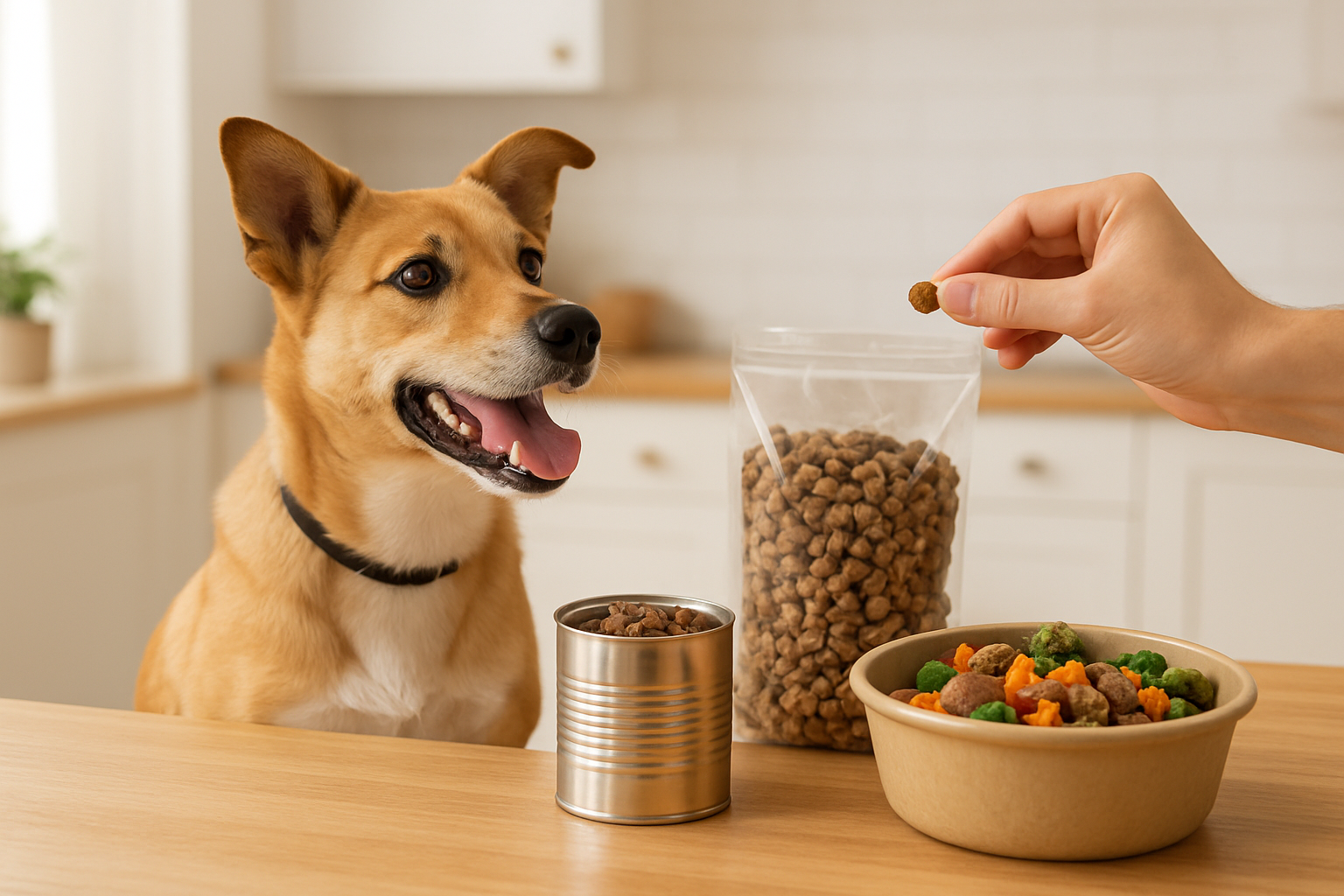
Introduction
If your dog turns up its nose at meals, choosing the right food can feel like guesswork. This practical guide shows how to tell if your dog is a picky eater, compares wet vs dry vs fresh options, and explains how to balance nutrition with flavor and texture to increase acceptance. You’ll get simple feeding tricks, a checklist for allergy or health concerns, and a step-by-step plan to transition to a new food—so you can shop smart and keep your dog healthy.
How to tell if your dog is a picky eater
A dog is a picky eater when it consistently refuses complete meals while accepting treats or only eats certain textures or ingredients. Key immediate indicators are repeated meal refusals for several days, selective snacking (treats but not kibble), and clearly uneven intake tied to specific formulas rather than sporadic appetite dips.
- Quantify leftovers: if your dog leaves roughly a quarter or more of multiple meals across several days, flag it as persistent pickiness.
- Track patterns: note time of day, environment changes, and whether the dog eats when alone or at feeding time only.
- Run a short acceptability test: buy a small sample or single-ingredient topper to isolate whether protein, aroma, or form drives rejection.
Decision rule: if fussiness continues beyond about a week without illness, favour low-risk purchases (small bags, samples) and try alternatives before buying in bulk. For comparison shopping—wet vs dry dog food for picky eaters or finding the best dog food for picky eaters—use short trials and record acceptance before committing; guidance on transitioning to new food appears in the step-by-step section.
Balancing nutrition with your dog's preferences
Balancing nutrition with preferences means ensuring your dog gets a complete, age-appropriate diet while choosing formats and flavors they will reliably eat. Prioritize a nutritionally complete formula that matches activity and life stage, then select options that address your dog's sensory likes to avoid daily refusal.
Use these decision rules to evaluate fit and trade-offs:
- Weight and energy stable: favor nutrient density and consistent ingredients even if flavor variety is limited.
- Persistent weight loss or low intake: shift toward higher-palability formats (consider wet vs dry dog food for picky eaters) and consult your vet.
- Budget or storage limits: balance convenience of dry food with occasional wet or toppers to boost acceptance.
When buying, prefer sellers with small-format options or sample packs, clear nutrition information, and straightforward return policies to test what your dog truly accepts before committing to larger purchases.
Dry vs wet vs fresh: pros and cons for picky eaters
Dry, wet and fresh dog foods each have clear strengths for picky eaters: dry kibble offers convenience, portion control and long shelf life; wet food delivers stronger aroma and moisture that often improves immediate acceptance; fresh food provides varied textures and pronounced flavors but usually requires refrigeration and higher expense.
- Dry: Best when storage, measured portions and travel are priorities; lower aroma can be a drawback for scent-driven pets.
- Wet: Ideal if palatability and moisture boost intake; watch open-can longevity and choose appropriate pack sizes.
- Fresh: Suited to dogs that respond to whole-food texture and flavor; plan for fridge/freezer space and consistent supply.
Decide by weighing daily routine, storage capacity and budget. Prioritize the format that produces reliable, regular intake rather than occasional enthusiasm.
Flavor, texture, and feeding tricks that increase acceptance
Immediate answer: adjust a food's flavor, aroma, texture and presentation to increase acceptance quickly. Stronger-smelling wet options or soft pates often attract scent-focused dogs, while varied shapes and crunch can appeal to dogs who respond to mouthfeel.
- Warm wet food slightly to boost aroma (not piping hot).
- Add small amounts of plain cooked protein or low-sodium broth as a topper.
- Moisten kibble, or try different kibble sizes/shapes to change mouthfeel.
- Use timed feedings, puzzle feeders, or hand-feeding to increase interest.
Buying considerations: choose sampler or single-serve formats to test preferences without waste; prefer foods with simple, recognizable ingredients if your dog reacts to texture or flavor. Expect trade-offs between convenience and palatability—more tempting options can be richer, so watch portioning and cost per trial.
Use short, controlled experiments (a few days per option), record daily intake, and favor formats that let you buy small quantities until you identify what consistently works.
Handling allergies, health issues, and when to see a vet
If you suspect allergies or an underlying health issue, the immediate priority is veterinary assessment: food changes should support a diagnosed condition, not replace professional care. For true allergic reactions or chronic symptoms, work with your vet before switching brands or ingredients.
When evaluating food options (including wet vs dry dog food for picky eaters), weigh ingredient transparency, single- or novel-protein formulas, and whether a veterinary or elimination diet is appropriate. Practical decision rules: avoid presumptive fixes, prefer short supervised trials, and document symptoms and weight to judge fit.
- See a vet for persistent vomiting, diarrhea, weight loss, severe itching, swelling, or breathing difficulty.
- Consider limited-ingredient or novel-protein diets only after vet guidance.
- Use a structured, time-limited trial with symptom tracking.
If symptoms escalate or don’t improve under guidance, escalate to your veterinarian promptly.
Choosing and transitioning to the right food step-by-step
Answer: select a food your dog will consistently accept, then move gradually so appetite and digestion remain stable. Start by narrowing candidates by familiar protein, preferred format, and whether trial sizes are available so you can test without large commitment.
- Buy a small trial or sample; avoid committing to a large bag before acceptance.
- Use a 7–10 day mix schedule (for example: 10% new/90% old → 25% → 50% → 75% → 100%), extending to 10+ days for sensitive dogs.
- Keep meal timing and portions constant; record intake and stool quality to judge fit.
- If refusal occurs after a full transition, try a different protein or texture and repeat the gradual mix.
Evaluate trade-offs: wet vs dry dog food for picky eaters often balances palatability against convenience and cost. Choose the option you can reliably supply and monitor; adjust based on observed acceptance rather than assumptions.
FAQ
Should I switch to wet food or use a topper to get my picky dog to eat?
Wet food and toppers both increase aroma and palatability; toppers let you boost flavor without changing a full diet. Try a high-quality topper or warm a small portion of wet food, watching calorie intake and digestion to keep the overall feeding plan balanced.
How long should I try a new food before deciding it isn’t working?
Give a new food at least 7–14 days to assess immediate acceptance and up to 3–4 weeks to judge digestion, energy and stool quality. Transition slowly over about a week, monitor weight and behavior, and stop or consult a vet if problems persist.
Are there specific ingredients or textures that usually appeal to picky eaters?
Many picky dogs respond to stronger-smelling proteins, varied textures (soft, paté, or minced), and limited-ingredient recipes that avoid strong fillers. Focus on animal-based proteins, moderate fat for flavor, and trial small bags to identify what texture or protein your dog prefers.
Could my dog’s pickiness be medical or behavioral—and when should I see a vet?
Yes. Sudden or persistent refusal, weight loss, vomiting, drooling, or difficulty chewing may indicate dental, GI, or systemic issues. If pickiness lasts more than a week or is accompanied by other symptoms, schedule a veterinary check to rule out medical causes.
Conclusion
Choosing food for a picky eater is a practical mix of experimentation and monitoring. Try small trials with different textures, protein sources, or toppers, transition gradually, watch weight and stool, and rule out medical causes with your vet when necessary. Base purchases on what your dog reliably eats, fits nutritional needs, and matches your feeding routine.




Dejar un comentario
Este sitio está protegido por hCaptcha y se aplican la Política de privacidad de hCaptcha y los Términos del servicio.