


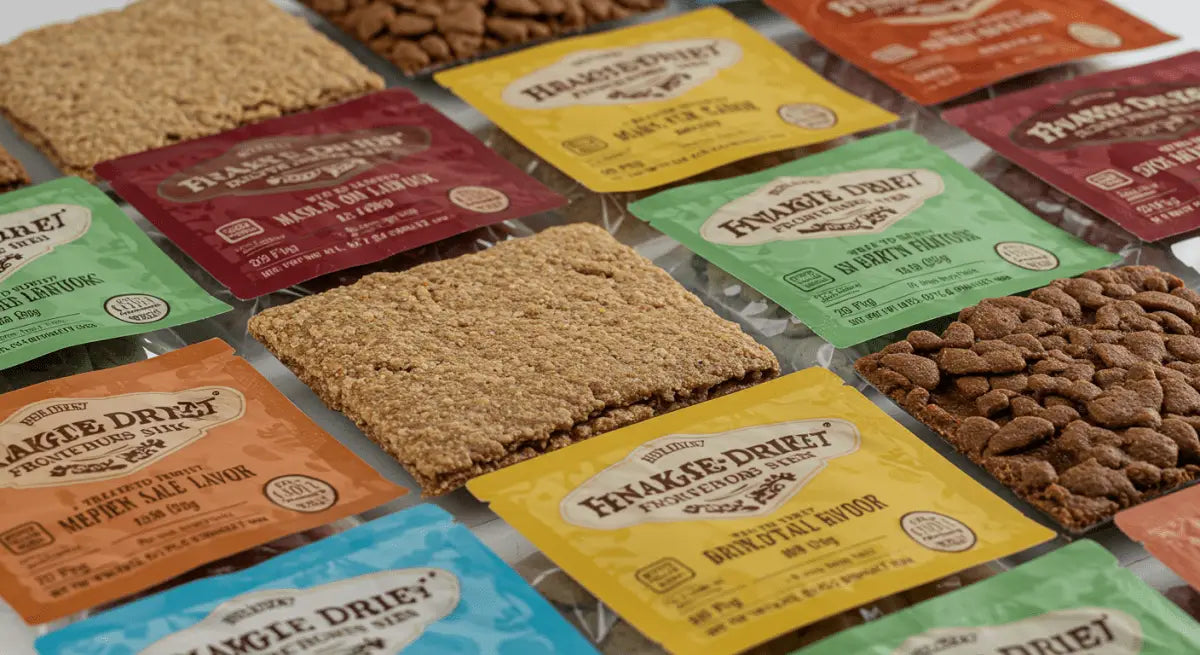
How to choose the best freeze dried dog food
Introduction
How to choose the best freeze dried dog food is about more than taste—it's about transparency, provenance, and verification that support healthy digestion, allergy management, and longevity across life stages. This guide combines practical decision frameworks with data-driven insights to help you compare top options, read labels confidently, and plan transitions with confidence for your dog.
Choosing the Best Freeze-Dried Dog Food: Transparency, Provenance, and Verification
Readers will learn to verify explicit AAFCO statements on labels and compare guaranteed analyses and calorie content to gauge nutrient density.
Owners should start by checking that each product clearly states an explicit AAFCO claim on the label, and by examining the guaranteed analysis and calorie content to gauge nutrient density. This approach aligns with 2025 trends toward nutrition transparency and third-party verification. When you compare brands, prioritize those that publish protein sources, fat, fiber, and moisture in a consistent guaranteed analysis alongside precise feeding guidelines.
Two key practices emerge from experience in the field: confirm that the product is described as complete and balanced, and verify rehydration directions. A thorough read of the nutrition panel helps you assess whether a product delivers adequate protein and fat without excessive fillers. For sensitive stomachs or picky eaters, these checks are especially important, so you can compare apples to apples across the best freeze-dried dog food brands and grain-free vs grain-inclusive options with confidence.
"Real meat as the primary ingredient signals better digestion and palatability." Real-world testing shows dogs respond more consistently when primary ingredients are named meats or fish, not by-products or vague meal definitions.
The guide emphasizes prioritizing real meat or fish as the primary ingredient and considering single-protein or limited-ingredient lines for sensitivity and allergy-focused audiences.
In practice, you’ll find that real meat or fish as the first ingredient often correlates with stronger digestibility and taste. For dogs with sensitivities or allergies, single-protein or limited-ingredient lines can reduce exposure to potential triggers while still delivering essential nutrients when used under veterinary guidance. When evaluating options such as the best freeze-dried dog food brands, look for named protein sources and minimal ambiguous ingredients.
Two concise steps can help you apply this principle quickly: (1) skim the ingredient list for a single, clearly identifiable protein, and (2) confirm that the guaranteed analysis shows adequate protein and fat for your dog’s life stage. If you’re managing a picky eater, you may need to experiment with different protein sources or formats (pieces, blocks, or chubs) to improve palatability without sacrificing provenance. This framework mirrors current consumer demand for real-meat-first formulations and human-grade narratives in the freeze-dried category.
Practical guidance on rehydration, storage directions, and meal formats (pieces, blocks, or chubs) to preserve nutrient integrity and minimize contamination.
Consistency in rehydration and storage is essential to preserve nutrient integrity and minimize contamination risk. When you rehydrate, follow the manufacturer’s directions precisely to avoid nutrient dilution or texture changes that affect palatability. Consider meal formats—pieces for snacking, blocks for meal-chunks, or chubs for uniform portions—and choose the form that fits your dog’s preferences and your feeding routine.
To minimize contamination, store unopened packages in a cool, dry place and rehydrate only what you’ll use within a day or two. After opening, reseal tightly or transfer to an airtight container and monitor any changes in odor or texture. For digestibility and palatability, balancing rehydration with texture is a practical way to support digestion and overall health while staying aligned with read dog food labels for freeze-dried options.
- Rehydration ratios and timing
- Storage directions and shelf life after opening
- Meal-format choices and portion control
Brand Audits and Ingredient Provenance: Human-Grade and Ethically Sourced Freeze-Dried Diets
This section outlines how to perform brand audits and verify third-party testing to confirm ingredient provenance and safety practices.
Brand audits start with transparency in sourcing, processing, and labeling. You should verify third-party testing results, audits, and certifications that confirm ingredient provenance and safety practices. A strong audit process helps you identify brands that publish human-grade claims, ethical sourcing stories, and verifiable safety protocols, including pathogen testing and batch-specific analyses. Real-world practice shows that consumers increasingly reward brands that share data about sourcing origin and production standards.
In evaluating audits, look for independent lab results, supplier certifications, and clear documentation of sourcing practices. When third-party verification is present, you gain confidence that the protein sources come from reliable farms or fisheries and that processing steps preserve nutrient bioavailability without introducing contamination. These elements reinforce trust in the brand and support healthier feeding decisions for dogs with allergies or digestive concerns.
It highlights data showing rising demand for real-meat-first ingredients and recognizable whole foods over fillers, with Stella & Chewy’s and The Honest Kitchen as market exemplars.
Market data across the category shows a clear preference for real-meat-first ingredients and recognizable whole foods, rather than fillers or ambiguous by-products. Stella & Chewy’s and The Honest Kitchen are often cited as exemplars for their ingredient-provenance stories and commitment to safety through third-party verification. This trend supports a broader movement toward human-grade narratives and sustainable farming practices, helping owners align purchases with values and quality standards.
"Transparency builds trust." Consumers increasingly seek explicit labels, calorie content disclosures, and sourcing stories that connect daily feeding to ethical farming and humane handling.
It provides a practical approach to cost-per-day calculations and packaging efficiency to help consumers overcome price barriers while maintaining quality.
A practical cost-per-day framework helps families balance affordability with quality. Start by calculating daily costs based on serving sizes, bag weight, and price per bag, then factor in rehydration water and waste. Packaging efficiency—counting number of meals per package and ease of storage—can materially affect daily affordability. Consumers who use these calculations often discover affordable freeze-dried dog food options that still meet nutrition and provenance criteria, enabling better long-term planning without compromising safety.
| Brand | Primary Protein | Typical Form | Notable Pros | Third-Party Tests | | Stella & Chewy’s | Real meat first (e.g., beef, chicken) | Pieces/Blocks | High palatability; strong protein density | Independent lab results available | | The Honest Kitchen | Real fish or poultry | Ground batches for rehydration | Human-grade claims; simple ingredient lists | Batch-tested results published | | Primal | Real meat | Chubs/Blocks | Single-protein options; limited-ingredient lines | Verified safety testing |
Read the Label to Choose Right: A Practical Framework for Freeze-Dried Nutrition
This subtopic explains how to read labels for AAFCO compliance, guaranteed analysis, calorie content, and protein source to compare products effectively.
Reading labels is the first practical skill in choosing the right freeze-dried option. Confirm AAFCO compliance statements, review guaranteed analysis for protein, fat, fiber, and moisture, and compare calorie content per similar serving sizes. Look for named meat or fish as the first ingredient, and beware ambiguous terms that mask lower-quality protein sources. This approach helps you systematically compare products and select the best fit for your dog’s needs, including grain-free vs grain-inclusive considerations.
In practice, owners often weigh digestibility and palatability together. A product with robust protein from a named animal source and transparent calorie content tends to support better energy management, especially for small breeds or dogs with allergies. The ongoing grain-free vs grain-inclusive debate continues to guide decisions, with many owners seeking products that balance digestibility with palatability for life-stage feeding guidelines.
It discusses the ongoing grain-free versus grain-inclusive debate and DCM safety concerns to help owners weigh digestibility and palatability for their dogs.
Grain-free formulations remain popular, but DCM safety concerns have driven careful weighing of digestibility and palatability. When evaluating options, consider how the protein source, carbohydrate blends, and fiber content influence gastrointestinal tolerance and energy delivery. Grain-inclusive formats can offer digestible starches and micronutrient support without compromising safety for dogs with sensitivities, provided labeling is precise and rehydration directions are clear.
Owners should align choices with their dog’s age, breed predispositions, and veterinary guidance, particularly if there is a history of digestive problems or heart concerns. The decision framework emphasizes transparent nutrition labels and a clear rehydration/storage protocol to ensure nutrient delivery remains consistent across brands and batches.
It offers a decision framework focused on digestibility, palatability, and alignment with life-stage feeding guidelines.
A robust decision framework centers on three pillars: digestibility, palatability, and life-stage alignment. Begin with a clear protein source and digestibility data, assess palatability through texture and aroma, and then verify that feeding guidelines match your dog’s life stage. This approach supports a balanced diet that respects bioavailability and nutrient density while helping you compare freeze-dried options against real-meat-first standards.
- Digestibility scores and palatability indicators
- Life-stage feeding guidance and portioning
- Brand transparency and label clarity
Safe Transitions to Freeze-Dried Diets for Digestive Health
It outlines a step-by-step transition plan, including gradual mixing and rehydration ratios to minimize gastrointestinal upset during the switch.
A gradual transition minimizes GI upset and helps dogs adjust to a freeze-dried diet. Start with a small ratio of the new food to the current diet, increase gradually over 7–14 days, and monitor stool, energy, and appetite. Rehydrate according to package directions to restore texture and digestibility, then adjust portions to meet daily needs without abrupt changes.
During the transition, focus on dogs with sensitive stomachs or picky eaters by selecting single-protein, limited-ingredient options that maintain nutrient density. Track tolerance and consult a veterinarian if signs of distress occur, ensuring you stay aligned with third-party testing and safety best practices for continued peace of mind.
It addresses considerations for sensitive stomachs and picky eaters, including single-protein and limited-ingredient options.
For sensitive stomachs or picky eaters, single-protein and limited-ingredient lines can reduce potential irritants while delivering essential nutrients. Choose products with clear sourcing stories, simple ingredient lists, and explicit rehydration and feeding directions. This approach helps you tailor the diet to your dog’s tolerances and preferences while maintaining nutritional adequacy.
As you transition, keep rehydration ratios consistent, and monitor for improvements in stool consistency, coat quality, and energy levels. Continue to use third-party testing information when evaluating new brands, and consider veterinary guidance to personalize protein choice and formula density for your dog's needs.
It covers practical storage, portioning, contamination prevention, and the role of third-party testing in verifying safety.
Storage and portioning are practical levers for success. Sealed containers and appropriate moisture control help maintain nutrient integrity, while accurate portioning avoids overfeeding. Third-party testing remains a cornerstone of safety, offering independent verification of ingredient provenance and processing quality that supports ongoing trust in your chosen brand.
People Also Ask-style prompts often surface questions about transitioning timing, allergy considerations, and price management. A thoughtful approach combines label literacy with practical routines to minimize waste, maximize digestibility, and sustain adherence to your dog’s dietary plan.
Conclusion
Choosing the best freeze-dried dog food hinges on transparency, provenance, and verified safety practices that align with your dog’s needs and your values. Use explicit AAFCO statements, compare guaranteed analyses and calories, and prioritize real meat-first ingredients with clear rehydration and storage guidance. Ready to optimize your dog’s nutrition? Start with a brand audit, run the numbers on cost-per-day, and trial a few single-protein options to find the best fit for your dog today.

De Talis Us




Dejar un comentario
Este sitio está protegido por hCaptcha y se aplican la Política de privacidad de hCaptcha y los Términos del servicio.