


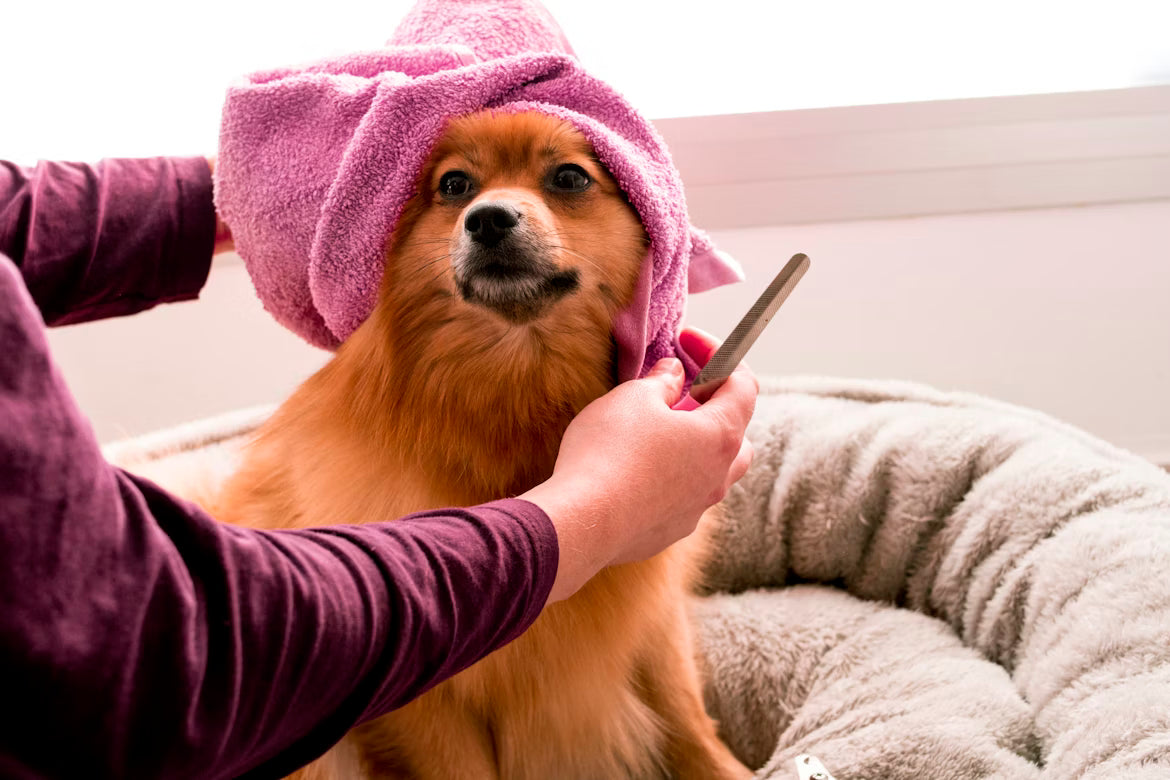
How Often to Groom Your Pet Calculator
How Often to Groom Your Pet Calculator: Reliable Pet Grooming Schedule for Your Dog and Cat
Grooming your pet is essential for their health and well-being, yet many pet owners struggle to determine the right grooming frequency for their furry friends. This article will guide you through the ideal grooming schedules for various breeds, how to effectively use a grooming calculator , and the best tools to support your grooming routine. By understanding the grooming needs of your pet, you can ensure they remain clean, comfortable, and healthy. We will also explore essential DIY grooming tips, the health benefits of regular grooming, and where to find answers to common grooming questions.
What Is the Ideal Grooming Frequency for Different Pet Breeds?
The ideal grooming frequency varies significantly among different pet breeds, influenced by factors such as coat type, length, and overall health. Understanding these differences is crucial for maintaining your pet's hygiene and comfort. Regular grooming not only keeps your pet looking good but also helps prevent skin issues and matting, which can lead to discomfort and health problems.
How Does Coat Type Influence Grooming Intervals?
Coat type plays a vital role in determining how often you should groom your pet. For instance, long-haired breeds like the Afghan Hound require more frequent grooming to prevent tangles and mats, often needing grooming every 4-8 weeks. In contrast, short-haired breeds like the Beagle may only need grooming every 8-12 weeks. Additionally, curly coats, such as those of Poodles, require regular grooming to maintain their texture and prevent matting, typically every 4-8 weeks.
What Are Breed-Specific Grooming Recommendations?
Different breeds have unique grooming needs that should be addressed to ensure their health and comfort. For example, Golden Retrievers benefit from brushing at least once a week to manage shedding and prevent matting. On the other hand, breeds like the Shih Tzu require grooming every 4-6 weeks to maintain their coat's length and health. Understanding these breed-specific recommendations can help you create a tailored grooming schedule that meets your pet's needs.
How to Use a Pet Grooming Calculator to Create Your Personalized Schedule?
A pet grooming calculator can simplify the process of determining how often to groom your pet. By inputting specific information about your pet, such as breed, coat type, and lifestyle, you can receive a personalized grooming schedule that ensures your pet's grooming needs are met effectively.
What Information Do You Need to Input?
To use a grooming calculator effectively, you will need to provide details such as your pet's breed, age, coat type, and any specific grooming concerns you may have. This information helps the calculator generate a grooming schedule tailored to your pet's unique needs, ensuring they receive the appropriate care .
How Does the Calculator Determine Optimal Grooming Frequency?
The grooming calculator uses algorithms that consider various factors, including breed characteristics, coat type, and lifestyle. By analyzing this data, the calculator can recommend an optimal grooming frequency that balances your pet's grooming needs with your schedule , making it easier to maintain their hygiene.
Which Are the Best Pet Grooming Tools to Support Your Grooming Routine?
Having the right grooming tools is essential for maintaining your pet's coat and overall hygiene. Different tools are designed for specific coat types and grooming tasks, making it important to choose the right ones for your pet.
What Brushes and Combs Are Recommended for Different Coat Types?
Selecting the appropriate brushes and combs for your pet's coat type can significantly impact grooming effectiveness. For example, slicker brushes are ideal for long-haired breeds to remove tangles, while bristle brushes work well for short-haired breeds to remove loose fur. Additionally, combs with wide teeth are suitable for detangling, while fine-toothed combs can help with finishing touches .
How to Choose Quality Grooming Supplies from Talis-us?
When selecting grooming supplies, look for high-quality products that suit your pet's specific needs. Talis-us offers a range of grooming tools designed for various coat types, ensuring you can find the right products for your pet. Consider factors such as durability, ease of use, and effectiveness when choosing grooming supplies to ensure a positive grooming experience for both you and your pet.
What Are Essential DIY Grooming Tips to Maintain Your Pet’s Hygiene?
Regular grooming at home is crucial for maintaining your pet's hygiene between professional grooming sessions. Implementing a few simple DIY grooming tips can help keep your pet clean and comfortable.
How Often Should You Brush and Bathe Your Pet?
Brushing frequency depends on your pet's coat type. Long-haired pets may require daily brushing, while short-haired pets can be brushed weekly. Bathing should generally occur every 4-6 weeks, but this can vary based on your pet's activity level and coat condition. Always use pet-specific shampoos to avoid skin irritation.
What Are Safe Grooming Practices to Avoid Common Mistakes?
To ensure a safe grooming experience, avoid common mistakes such as using human grooming products, which can irritate your pet's skin. Additionally, be gentle when brushing to prevent discomfort and always check for any skin issues or parasites during grooming sessions. Regularly cleaning your grooming tools is also essential to prevent the spread of bacteria .
What Are the Health and Wellness Benefits of Regular Pet Grooming?
Regular grooming offers numerous health benefits for your pet, contributing to their overall well-being. By maintaining a consistent grooming routine, you can help prevent various health issues and promote a healthy coat .
How Does Grooming Prevent Skin and Coat Problems?
Grooming helps remove dirt, debris, and loose fur, which can contribute to skin irritations and infections. Regular brushing stimulates the skin and promotes healthy oil distribution, keeping your pet's coat shiny and healthy. Additionally, grooming allows for early detection of skin issues, such as lumps or parasites, enabling prompt treatment .
What Do Veterinary Experts Say About Grooming Frequency?
Veterinary experts emphasize the importance of regular grooming for maintaining pet health . They recommend that pet owners establish a grooming routine based on their pet's specific needs, taking into account factors such as breed, coat type, and lifestyle. Regular grooming not only enhances your pet's appearance but also contributes to their overall health and happiness.
Where Can You Find Answers to Common Pet Grooming Questions?
Many pet owners have questions about grooming frequency and best practices. Understanding these common queries can help you make informed decisions about your pet's grooming needs .
How Often Should I Groom My Dog or Cat?
The frequency of grooming depends on your pet's breed and coat type. Generally, long-haired breeds require more frequent grooming, while short-haired breeds may need less. A good rule of thumb is to groom long-haired pets every 4-8 weeks and short-haired pets every 8-12 weeks.
What Are the Best Practices for Creating a Grooming Schedule?
To create an effective grooming schedule, consider your pet's breed, coat type, and lifestyle. Use a grooming calculator to help determine the optimal frequency, and be consistent with your grooming routine. Regularly assess your pet's coat condition and adjust the schedule as needed to ensure their grooming needs are met.
Establishing a consistent routine for your pet, encompassing feeding, exercise, and grooming, is key to their well-being and sense of security, much like our own daily habits .
Establishing a Consistent Pet Grooming Schedule Our lives run on a routine. We eat at set times each day and typically bathe or shower around the same time. Without these routines, we'd be a mess. What we often fail to realize is that animals require a schedule too. They need regular feeding times, grooming, and exercise to keep them happy and healthy. Consider how we all feel when we have to miss a meal or a shower, and we realize just how much these routines impact our lives. All pets should follow a routine of feeding, grooming, and exercise. These routines are all related. Pets should have time to run around after eating and before grooming, and the best grooming time is usually after exercise. If you are consistent about following the same routine, your pet will gain a sense of security. They'll know when it's safe to relax and rest, and when it is time to be alert to possible activity. It's up to you to get them started on the right routine. The first step to happiness is meeting an animal's first and most basic need: a safe, secure home. To do this, you need to understand the pet's needs and make sure they are met consistently. Daily routines (feeding, grooming, exercise). Analytical Study on Pets' Daily Routine Feeding, Grooming, and Exercise

De Talis Us



Dejar un comentario
Este sitio está protegido por hCaptcha y se aplican la Política de privacidad de hCaptcha y los Términos del servicio.