


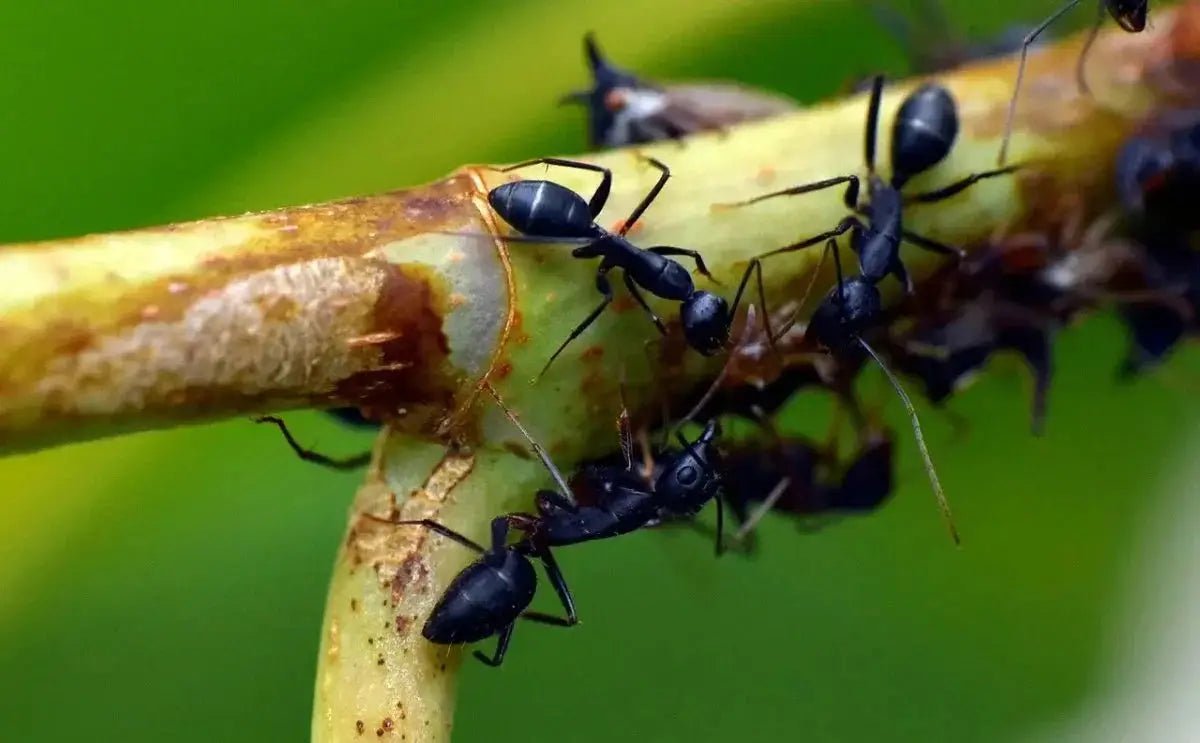
How Long Do Ants Live in an Ant Farm?
Ant farms are a fascinating experience for both kids and adults alike. Ants are known for their incredible work ethic and organization within a colony. As a result, it's no surprise that people often wonder how long ants will live in an ant farm. In this post, we will be exploring the lifespan of ants in an ant farm and what factors can affect their longevity.
The lifespan of ants in an ant farm varies depending on the species. For example, worker ants typically live for several weeks to several months. However, the queen ant can live for several years. This means that the longevity of the colony largely depends on the lifespan of the queen ant. If the queen ant in your ant farm dies, you will need to replace her to ensure the colony's survival.
It's important to note that the conditions inside the ant farm can also affect the lifespan of the ants. For instance, if the temperature inside the ant farm is too hot or cold, it can negatively impact the colony. The same goes for the humidity level inside the ant farm. If the humidity level is too low or too high, it can also decrease the lifespan of the ants.
Another factor that can affect the lifespan of ants in an ant farm is the food supply. Ants need a balanced diet to survive and thrive. If you are not providing them with the necessary nutrients, they can suffer from malnourishment, which can ultimately decrease their lifespan. In addition to food, it's also important to ensure that the ants have access to water. Without a sufficient water supply, the ants are at risk of dehydration, which can be fatal.
In addition to the queen ant, worker ants, and environmental factors, it's also important to consider the species of ants that you have in your ant farm. Some species of ants have longer lifespans than others. For example, the queen of the black garden ant can live for up to 15 years. On the other hand, the lifespan of a worker ant in the same colony is only around 3-4 months.
In conclusion, the lifespan of ants in an ant farm varies depending on several factors, including the species of ants, the queen ant's lifespan, the conditions inside the ant farm, and the food and water supply. By taking the time to ensure that the environment inside the ant farm is optimal, you can help extend the lifespan of the ants in your colony. Additionally, understanding the lifespans of different ant species can help you choose the right ants for your ant farm and plan accordingly for their care. With proper care, an ant farm can provide both an educational and entertaining experience for years to come.

De Talis Us


Dejar un comentario
Este sitio está protegido por hCaptcha y se aplican la Política de privacidad de hCaptcha y los Términos del servicio.