


Introduction
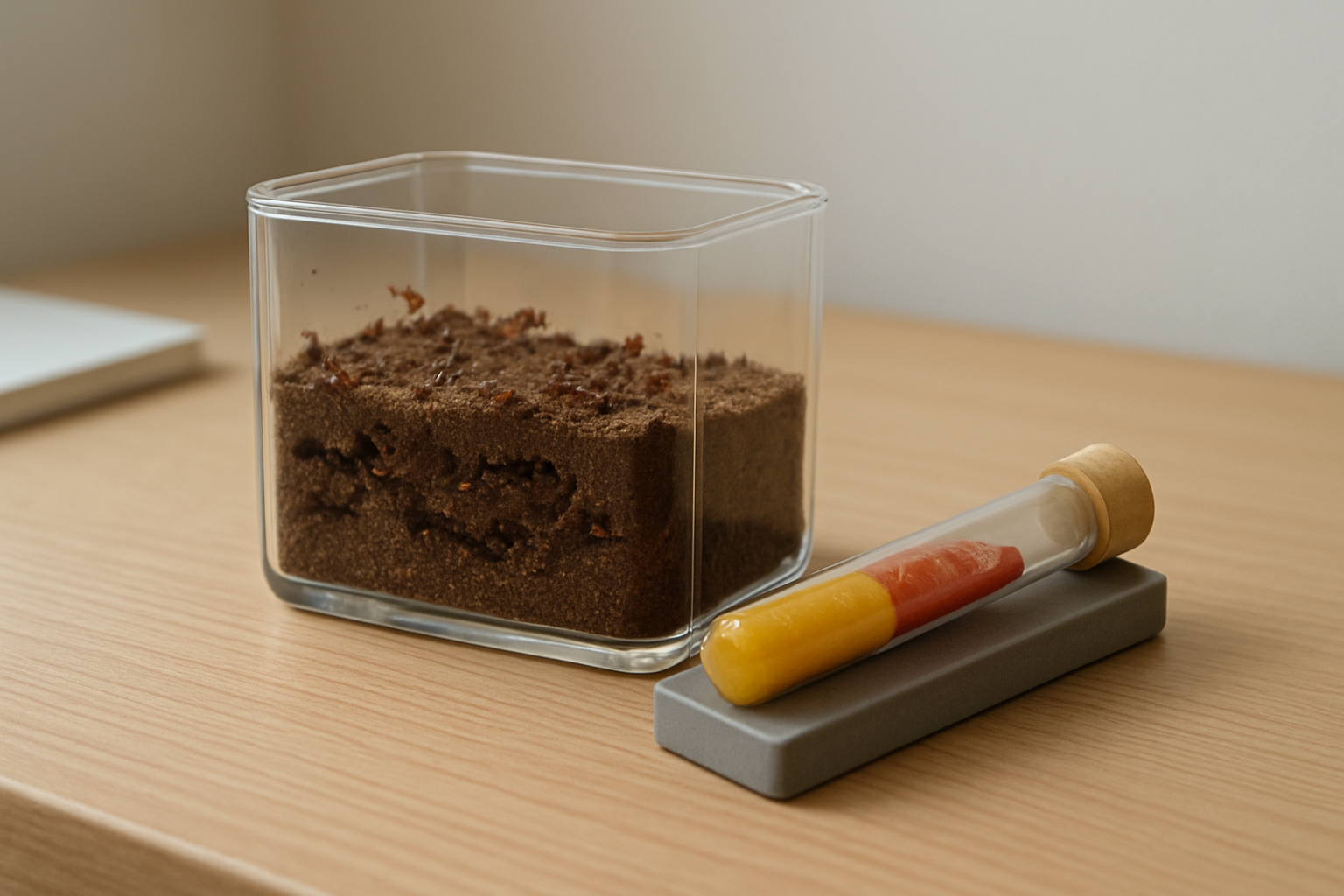
Short on space but curious about keeping ants as pets? This practical guide helps shoppers decide whether an ant farm fits a small home, compares compact habitat options (formicaria, test-tube setups and gel farms), outlines which species and colony sizes work best in tight quarters, and covers day-to-day care, cleaning and safety. Use these buying and setup tips to choose a compact ant setup that fits your space, experience level and lifestyle.
Is an ant farm right for your small space?
An ant farm can be a good match for limited living areas when you prioritize a compact, low-footprint pet and accept the trade-offs: visual interest and educational value in exchange for a contained, intentionally minimal habitat and steady but modest caretaking. It is not ideal if you expect a high-maintenance, very large colony or frequent handling of the animals.
Deciding fit comes down to three practical considerations: available surface area and vertical clearance, tolerance for routine micro‑maintenance, and your tolerance for the colony’s visibility and noise (ant movement is silent but activity can be messy if escapes occur). If you can dedicate a stable shelf or windowsill and follow basic containment practices, an ant farm is a viable compact pet option.
Weigh these trade-offs before buying. Small setups excel at education, intermittent observation, and portability. They limit colony size, reduce constants like substrate bulk and accessory storage, and fit apartments, dorms, or offices. Downsides include more frequent interventions to manage moisture and food in a smaller volume, limited naturalistic behavior space for larger colonies, and a higher relative risk of noticeable escape if the enclosure is disturbed.
- Space rule of thumb: if you have under 1 sq ft of dedicated surface and 12–18 in vertical clearance, choose a compact, sealed display. If you move frequently, prioritize portability and a simple containment system.
- Time rule: less than 1–2 hours/month devoted to maintenance favors smaller colonies and sealed displays; if you want daily interaction or observation, choose a setup with clear sightlines but secure lids.
- Household rule: in homes with children or pets, favor tamper‑proof housings and harder-to-access locations; if neighbors are sensitive, prefer discreet, well‑sealed enclosures to minimize perceived escape risk.
- Longevity rule: if you want a long-term display that grows over years, plan for scaled upgrades; small setups are best for short-to-medium-term enjoyment or staged colony growth.
Concrete use cases: a student in a dorm who wants an educational display with minimal space and occasional observation; a professional who wants a desktop conversation piece with low daily care; or a hobbyist testing interest before committing to a larger colony. Each of these favors compact, well-contained systems and clearly defined maintenance windows.
In short: match the ant farm’s physical footprint and maintenance rhythm to your living constraints and expectations. When those align, keeping ants in small spaces is practical and rewarding; when they don’t, the result is frustration and frequent troubleshooting.
Choosing ant species and colony size for compact setups
Choose small-bodied, slow-growing species and deliberately limit colony size to match the volume of your chosen enclosure. For compact setups the priority is predictable growth and low maintenance: small workers take up less space, slow colony expansion reduces frequent housing changes, and single-queen founding colonies are easiest to manage in tight quarters. This direct approach answers the core decision: pick a species and starting colony size that your box, shelf, or desk can sustain for months without frequent intervention.
Evaluate species by three practical traits: worker size, colony growth rate, and temperament. Smaller workers (often found in genera like Lasius or certain Tetramorium) are better for narrow galleries and test tube ant setup for beginners. Slower growers keep you from outgrowing a compact formicarium quickly. Non-aggressive foragers reduce escape risk in small homes. Also consider environmental tolerance: species that do well at room temperature simplify care when you don’t have space for climate equipment.
Decide colony size with a simple rule-of-thumb based on your intended use and enclosure type. Match worker count to usable visible area rather than theoretical capacity: fewer workers for display and frequent observation; slightly larger groups for behavioral studies or classroom demos. Factor in queen presence — a founding queen with few workers is stable but will grow; an established queen speeds expansion. If you plan test-tube ant setup for beginners, start conservatively and move up only when the colony is clearly outgrowing the current habitat.
- Desk display (visibility + minimal care): single queen or queenless group, ~5–30 workers; housed in narrow formicaria or a small observation tube.
- Beginner test-tube starter: one queen + founding brood; compact until first workers appear, then transfer when growth threatens crowding.
- Educational demo or short-term study: 30–100 workers for clear behaviors without needing a large formicarium; ensure secure lid and escape precautions.
- Gel ant farm vs formicarium decisions: if using gel, keep numbers very low and species that tolerate captive diets; for natural substrate formicaria, slightly larger starter groups are feasible if you can provide moisture control.
Prioritize a conservative starting size that you can expand into, not one you must shrink. Use the guidelines above as decision rules: choose a small, manageable species; estimate a starter worker count tied to your enclosure’s visible area; and opt for slower-growing colonies when space is the limiting factor.
Compact habitat comparison: formicaria, test tubes, and gel farms
In short: test tubes excel as temporary, space-efficient housing for founding queens and very small colonies; compact formicaria offer the best long-term flexibility and secure containment for a modest living display; gel farms maximize visibility in the smallest footprint but restrict colony growth and long-term care. Each option trades space against longevity, maintenance and observation goals—choose by how long you want the colony to live, how much intervention you will accept, and whether display or biology is your priority.
Practical trade-offs to evaluate. Test tube ant setups for beginners are minimal, highly portable, and require almost no furniture footprint, yet they are not intended as permanent homes. Compact formicaria (small acrylic or modular nests) take slightly more surface area but support larger colonies, allow nest expansion, and tend to be easier to clean and secure against escapes. Gel ant farms occupy minimal desk space and deliver immediate visual appeal with little setup, but they limit feeding options and long-term colony health—consider them primarily for short-to-medium-term observation or educational display rather than permanent husbandry.
- Choose a test tube if you need instant portability, minimal space use, and short-term confinement (founding stage or transit).
- Choose a compact formicarium if you want a durable, long-term display that allows colony growth, routine maintenance, and safe containment.
- Choose a gel farm if maximum visibility in the smallest footprint is the priority and you accept limits on feeding and colony longevity.
Concrete decision rules for small-space shoppers: if your available area is less than a single square foot and you plan to monitor only a queen or a handful of workers for a few months, a test tube setup is the lowest-friction option. If you have a dedicated shelf or cabinet corner and want an engaging display that can be maintained over years, a compact formicarium combined with an external food area is the most adaptable choice. If you prioritize immediate spectacle and minimal assembly, gel farms deliver the quickest start but expect to transition colonies out if you decide on long-term care.
Final considerations when buying: confirm how the habitat secures against escapes, whether routine maintenance fits your schedule, and whether the system permits transitioning the colony if your needs change. These practical fit factors—space footprint, containment reliability, maintenance cadence, and intended time horizon—will determine whether a test tube, compact formicarium, or gel farm is the right compact ant setup for you.
Feeding, cleaning, and daily care in tight quarters
Yes—you can keep ants as pets in a very small space by simplifying feeding, containment, and maintenance into short, repeatable tasks: provide measured food and water sources, remove waste quickly, and perform brief daily checks to catch mold or escapes early. These habits minimize disturbance, reduce cleaning needs, and let a compact setup remain hygienic and secure in apartments or desks.
Feeding in a compact habitat is about portion control and ease of access. Use small, dedicated feeders (a drop on a piece of foil, a micro-capillary tube, or a cotton-fed vial) rather than scattering crumbs. Offer two basic categories on a simple schedule: a small protein item twice weekly (crumb- or drop-sized) and a tiny sugar-water or honey drop every other day for energy. If you plan a test tube ant setup for beginners, feeding is often done through the tube opening or a connected feeder tube—this reduces food waste but requires careful monitoring for condensation and mold. When comparing gel ant farm vs formicarium for tight spaces, note that gel farms combine food and substrate (lower daily feeding) but limit dietary variety; traditional formicaria require more feeding attention but make waste management easier.
Cleaning and daily care should be short and predictable tasks you can do in five minutes. Perform a quick visual check each day for escape attempts, dead workers, or mold. Remove uneaten perishables within 24–48 hours using tweezers or a small suction tool; in confined setups, decay and mold spread quickly. Control humidity with small amounts of water—avoid over-wetting cotton or substrate—and rotate dehydrated food or replace feeders when they become soiled. For test-tube keeps, replace the cotton barrier and refresh the water reservoir on a weekly cadence or sooner if contamination appears.
- Decision rule for feeder type: choose sealed micro-feeders for shared living areas; open dishes only if you can remove leftovers within 24 hours.
- Cleaning frequency: do a daily visual check, remove perishables within 48 hours, and perform a targeted substrate refresh every 2–6 weeks depending on odor, mold, or waste buildup.
- Escapes and neighbors: place compact setups on stable, elevated surfaces with an escape-prevention skirt or thin barrier; noisy or inquisitive pets/children require more secure containment.
- Scale-up trigger: if cleaning time exceeds 10 minutes per week or mold recurs, the colony may need a larger, more maintainable habitat.
Adopt routines that match your lifestyle: short daily inspections, minimal but regular feeder maintenance, and conservative humidity control. Those practices keep a small ant setup tidy and low-effort while helping you decide when to upgrade to a different habitat type or size based on actual maintenance load rather than expectations.
Safety, legal, and neighbor considerations for ant keeping
Yes — keeping ants in a small space can be responsible and low-risk when you prioritize secure containment, confirm local rules, and manage neighbor expectations. The single most important decision is to choose a setup and location that eliminate escape risk, comply with housing or municipal restrictions, and prevent nuisance or bites to others.
Containment should be your first purchase decision. A sealed, easy-to-monitor unit placed on a stable surface reduces escape and cross-contamination risks in compact homes. For how to keep ants as pets in small spaces, favor formats that are physically enclosed and simple to relocate if maintenance or an emergency is needed. Test tube ant setup for beginners is often cited because it is compact and straightforward to quarantine, but evaluate any option for how it seals and how accessible it makes feeding and cleaning.
- Check rules first: review local wildlife laws and your lease before buying; some jurisdictions and buildings prohibit keeping live insects.
- Containment standard: select habitats with solid lids and no gaps; plan a placement where accidental tipping is unlikely (low-traffic shelf, locked cabinet).
- Notification: tell roommates or neighbors when you begin; proactive communication prevents complaints if an ant is spotted outside the habitat.
- Allergy and safety plan: store food materials securely and keep a basic cleanup kit nearby; have a contact for pest control if an escape occurs.
Consider trade-offs. A fully sealed gel ant farm may reduce escape but can limit long‑term colony health; an open formicarium offers observation but increases risk if not properly screened. In small apartments where liability and neighbor disturbance carry higher consequences, prioritize secure, temporary-friendly setups that can be boxed and removed quickly for inspections or moves.
Practical rules of thumb: if you live in shared housing, obtain written landlord or roommate consent; if you have an HOA or municipal code, confirm that keeping non-native or foraging species is permitted. Keep a photographed inventory of your setup and a short care log to demonstrate responsible stewardship if questions arise. These steps protect you, the ants, and your neighbors while making compact ant keeping feasible and low-conflict.
How to pick the best compact ant setup for you
If your central question is "How do I keep ants as pets without a lot of space?" the practical answer is: match the setup to three clear constraints — available footprint and height, how much daily interaction you want, and how much maintenance you can commit to. Decide which of those constraints is non‑negotiable, then select a compact system that prioritizes that factor rather than trying to optimize everything at once.
Use simple decision rules to narrow choices quickly. Measure the exact area you can dedicate (width × depth × usable height) and decide whether the habitat must be portable or a fixed display. If observation is your main goal, prioritize units with large clear panels and front access; if low maintenance matters more, prioritize easy-to-reach hydration and cleaning access. For beginners asking about a test tube ant setup for beginners, treat it as a temporary, low-footprint option for founding queens rather than a long-term display — it fits cramped spaces but has different handling needs than a display unit.
- Footprint rule: pick a setup no larger than the flat surface you intend to use every day (desk, shelf, or windowsill).
- Interaction rule: choose visible panels and access ports if you plan daily observations; choose sealed, low‑profile units if you plan minimal disturbance.
- Maintenance rule: prefer designs with removable sections or access ports if you cannot lift heavy or awkward pieces for cleaning.
- Future-proofing rule: select modular or replaceable hydration/feeding ports if you want to scale or swap components later.
Trade-offs are inevitable in small spaces: units that maximize visibility often sacrifice privacy and airflow; fully sealed low-maintenance options can limit natural behaviours you want to observe. Consider practical buying factors over aesthetic ones: material durability, ease of opening without stressing the colony, clearly described access for feeding and cleaning, and whether the design allows a compact placement that still gives ants a meaningful vertical or horizontal area to move in.
Finally, apply a simple outfit formula when evaluating purchases: measured footprint + interaction level + maintenance tolerance = acceptable setup. Use that formula while reading product descriptions to filter quickly, and remove any option that fails two of the three criteria. That focused approach lets you keep ants as pets in small spaces without overbuying or ending up with an unsuitable habitat.
FAQ
What type of ant colony is best for a small-space setup?
For small spaces choose a modest-sized colony of a calm, small-bodied species—ideally a starter-sized queen and a few workers or a queenless worker-only colony. Think about legal restrictions on native vs non-native ants, predictable growth rate, and whether you want active observation or low-maintenance display before buying.
How much maintenance will a small ant farm require?
Maintenance for a small ant farm is generally light but regular: brief daily checks for escapes and food, weekly or biweekly feedings, and spot-cleaning to remove mold or waste. Expect occasional water replenishment and a seasonal deep-clean; plan minutes a day with longer monthly tasks.
What enclosure should I buy if I have limited shelf or apartment space?
Pick a compact, escape-proof formicarium with a small footprint; vertical designs maximize observation while taking little shelf space. Prioritize secure lids, easy-clean surfaces, good ventilation, and straightforward access for feeding and hydration. Avoid oversized habitats and choose something designed for small-scale keeping.
Are there legal or ethical considerations for keeping ants in an apartment?
Yes. Check local rules about owning or importing ant species, avoid protected or invasive species, and never release captive ants outdoors. Consider humane care—adequate food, moisture, and containment—to prevent welfare issues and avoid creating a nuisance for neighbors.
Conclusion
Keeping ants in a small space is feasible if you match colony size and species to your available footprint, choose a compact, secure enclosure, and commit to short, regular maintenance. Prioritize escape-proof design, easy access for feeding and cleaning, and respect local regulations and animal welfare.



Dejar un comentario
Este sitio está protegido por hCaptcha y se aplican la Política de privacidad de hCaptcha y los Términos del servicio.