


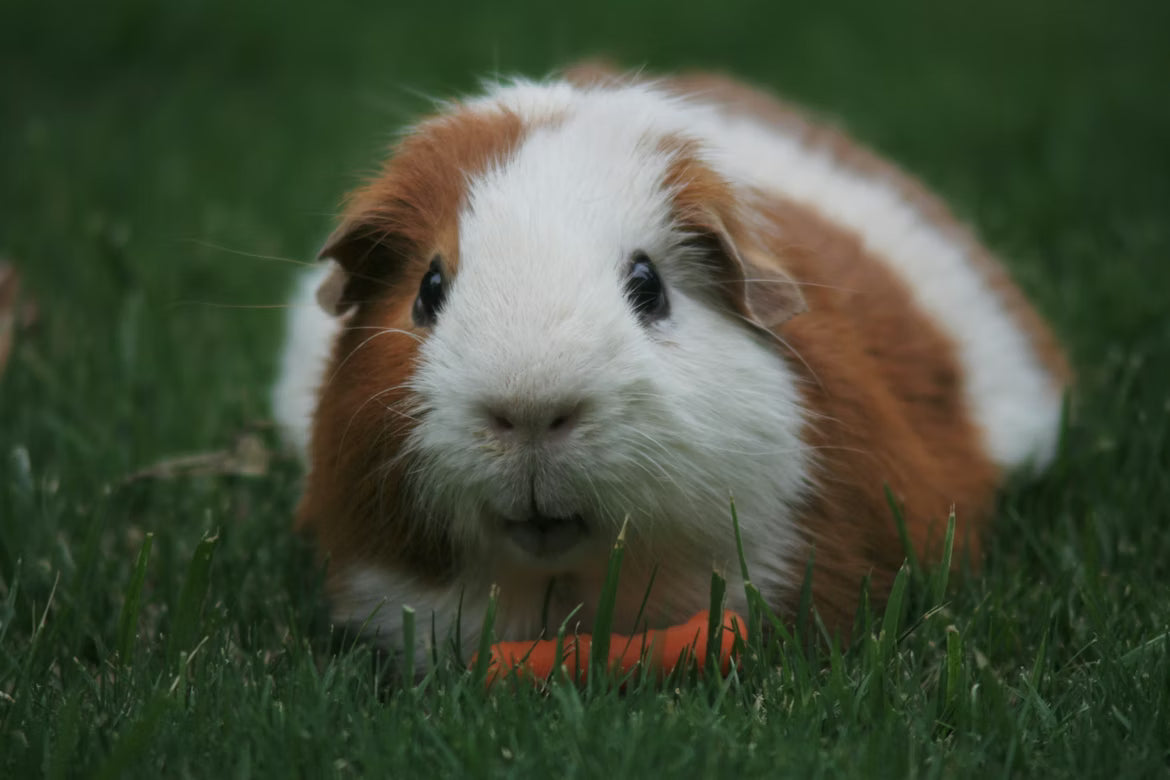
High-Fiber Guinea Pig Food Guide
High-Fiber Guinea Pig Food Guide: Choosing the Best Pellets and Hay for Optimal Nutrition
High-fiber diets are essential for the health and well-being of guinea pigs, as they play a crucial role in maintaining digestive health and preventing common health issues. This guide will explore the nutritional benefits of high-fiber guinea pig food, including the best pellets and hay options available. Readers will learn how to select the right ingredients, create a balanced diet, and implement best feeding practices. Many pet owners struggle with ensuring their guinea pigs receive adequate fiber, which can lead to digestive problems and other health concerns. By understanding the importance of high-fiber foods, you can provide your guinea pig with optimal nutrition and improve their overall quality of life. This article will cover the nutritional benefits of high-fiber pellets, the best types of hay, how to create a balanced diet, and best practices for feeding.
Understanding the specific nutritional requirements of guinea pigs, including their need for dietary fiber, is crucial for their overall health .
Understanding Guinea Pig Nutritional Requirements & Dietary Fiber guinea pig nutritional requirements. Wild guinea pig diets are discussed and current pet guinea pig , our understanding of guinea pigs' dietary fibre, calcium, phosphorus and vitamin D Guinea pig nutrition: what do we know?, 2023
What Are the Nutritional Benefits of High-Fiber Guinea Pig Pellets?
High-fiber guinea pig pellets are specifically formulated to meet the dietary needs of these small animals. The primary benefit of high-fiber pellets is their ability to support digestive health, which is vital for guinea pigs. These pellets are rich in fiber, which aids in the proper functioning of the digestive system and helps prevent issues such as obesity and gastrointestinal stasis. Additionally, high-fiber pellets often contain essential vitamins and minerals that contribute to overall health, including vitamin C, which is crucial for guinea pigs as they cannot synthesize it on their own.
Indeed, proper dietary management is key to preventing serious gastrointestinal issues in guinea pigs, such as stasis. feeding chart by age
Guinea Pig Gastrointestinal Diseases & Stasis Management This article reviews diagnosis and management of gastrointestinal diseases in guinea pigs and rabbits. The review includes established causes of gastrointestinal disease in these species. The authors highlight syndromes that may be considered emerging or less-recognized causes of gastrointestinal stasis, including gastric dilation and volvulus in guinea pigs and lead toxicity, colonic entrapment, and liver torsion in rabbits. Gastrointestinal disease in guinea pigs and rabbits, 2013
How Does Fiber Support Guinea Pig Digestive Health?
Fiber plays a significant role in guinea pig digestive health by promoting regular bowel movements and preventing constipation. It helps to maintain a healthy gut flora, which is essential for nutrient absorption and overall well-being. A diet high in fiber can also reduce the risk of common digestive issues, such as bloating and diarrhea. By providing a consistent source of fiber, high-fiber pellets ensure that guinea pigs can efficiently process their food, leading to better health outcomes .
Which Ingredients Ensure High Fiber Content in Pellets?
When selecting high-fiber guinea pig pellets, it's essential to look for specific ingredients that contribute to their fiber content. Common high-fiber ingredients include timothy hay, alfalfa hay, and various grains. These ingredients not only provide the necessary fiber but also offer additional nutrients that support overall health. Reading ingredient labels is crucial to ensure that the pellets contain a high percentage of fiber, ideally around 18% or more, to meet the dietary needs of guinea pigs .
Which Types of High Fiber Hay Are Best for Guinea Pigs?
Hay is a vital component of a guinea pig's diet, providing essential fiber and nutrients. Different types of hay offer varying nutritional profiles, making it important to choose the right kind for your pet. The best types of high-fiber hay for guinea pigs include timothy hay, orchard hay, and meadow hay. Each type has its unique benefits and can be used to create a balanced diet.
What Are the Differences Between Timothy, Orchard, and Meadow Hay?
Timothy hay is one of the most popular choices for guinea pigs due to its high fiber content and palatability. It is rich in both long and short fibers, which are essential for digestive health. Orchard hay is softer and sweeter, making it an excellent option for picky eaters, while meadow hay offers a mix of grasses and plants, providing variety in texture and taste. Understanding the nutritional profiles of these hay types can help you select the best option for your guinea pig's needs.
How to Select Organic and Fiber-Rich Hay Options?
When choosing hay for your guinea pig, consider selecting organic options to ensure that the hay is free from pesticides and harmful chemicals. Look for hay that is green, fragrant, and free of mold or dust. High-quality hay should also have a high fiber content, ideally around 28% or more. By prioritizing organic and fiber-rich hay , you can provide your guinea pig with the best possible nutrition.
How to Create a Balanced Guinea Pig Diet with High-Fiber Foods?
Creating a balanced diet for your guinea pig involves incorporating a variety of high-fiber foods, including pellets, hay, and fresh vegetables. A well-rounded diet ensures that your pet receives all the necessary nutrients for optimal health. It's essential to provide a mix of different food types to prevent boredom and encourage healthy eating habits.
What Is the Recommended Daily Fiber Intake for Guinea Pigs?
The recommended daily fiber intake for guinea pigs is approximately 25-30 grams per kilogram of body weight. This can be achieved by providing a combination of high-fiber pellets and unlimited access to hay. Monitoring your guinea pig's weight and adjusting their diet accordingly can help ensure they receive the appropriate amount of fiber for their size and activity level.
How to Incorporate Vitamin C Pellets and Fresh Foods Safely?
In addition to high-fiber pellets and hay, incorporating vitamin C pellets and fresh vegetables can enhance your guinea pig's diet. Vitamin C is crucial for guinea pigs, as they cannot produce it themselves. When introducing new foods, do so gradually to avoid digestive upset. Fresh vegetables should be offered in moderation, and it's essential to avoid high-sugar or starchy options.
What Are the Best Practices for Feeding High-Fiber Guinea Pig Food?
Feeding your guinea pig a high-fiber diet requires attention to detail and consistency. Establishing a routine can help ensure that your pet receives the right amount of food at the right times. Understanding the best practices for feeding can lead to better health outcomes and a happier guinea pig .
How Often Should Guinea Pigs Eat Pellets and Hay?
Guinea pigs should have access to hay at all times, as it is their primary source of fiber. Pellets can be offered once or twice a day, depending on your guinea pig's age and activity level. It's essential to monitor their intake and adjust portion sizes as needed to prevent overfeeding .
What Feeding Schedules Promote Digestive Health and Satisfaction?
Creating a feeding schedule that promotes digestive health involves offering hay and pellets at consistent times each day. This routine helps regulate your guinea pig's digestive system and ensures they receive the necessary nutrients. Additionally, providing fresh vegetables as a treat can enhance their diet and keep them satisfied.
How to Choose and Purchase Quality High-Fiber Guinea Pig Food Online?
When purchasing high-fiber guinea pig food online, it's essential to know what to look for in product descriptions and nutritional labels. Understanding the key components of high-quality food can help you make informed decisions for your pet's health.
What Should You Look for in Product Descriptions and Nutritional Labels?
When evaluating guinea pig food, check for high fiber content, quality ingredients, and the absence of artificial additives. Look for products that list hay as the primary ingredient and ensure that the fiber content is at least 18%. Reading customer reviews can also provide insight into the quality and palatability of the food.
How Do Customer Reviews and Ratings Influence Your Choice?
Customer reviews and ratings can significantly influence your purchasing decisions. Positive feedback from other guinea pig owners can indicate that a product is well-received and effective. Conversely, negative reviews may highlight potential issues with the food, such as poor quality or lack of palatability. Taking the time to read reviews can help you choose the best high-fiber food for your guinea pig.
What Are Common Questions About High-Fiber Guinea Pig Food?
Many pet owners have questions about high-fiber guinea pig food and its impact on their pets' health. Addressing these common concerns can help ensure that guinea pigs receive the best possible nutrition .
Can Guinea Pigs Eat Pellets Daily Without Health Risks?
Yes, guinea pigs can eat pellets daily as part of a balanced diet. However, it's essential to ensure that the pellets are high in fiber and low in fat. Overfeeding pellets can lead to obesity and other health issues, so it's crucial to monitor portion sizes and provide unlimited access to hay .
What Is the Best Hay for Guinea Pigs According to Experts?
Experts recommend timothy hay as the best option for guinea pigs due to its high fiber content and nutritional value. However, offering a variety of hay types, such as orchard and meadow hay, can provide additional benefits and keep your guinea pig engaged with their diet. Ensuring that your guinea pig has access to high-quality hay is vital for their overall health and well-being.
Veterinarians and experts consistently emphasize the importance of providing free-choice, high-quality hay like Timothy hay to ensure optimal digestive health for adult guinea pigs.
Essential Fiber & Hay for Guinea Pig Nutritional Health You can provide this essential fibre by feeding your guinea pig free-choice grass hay. , which veterinarians recommend for improving the nutritional health of guinea pigs. Timothy hay Feeding the Adult Guinea Pig

De Talis Us


Dejar un comentario
Este sitio está protegido por hCaptcha y se aplican la Política de privacidad de hCaptcha y los Términos del servicio.