


Artículo: Healthy Dog Treats Low Calorie: Best Options for Your Pup
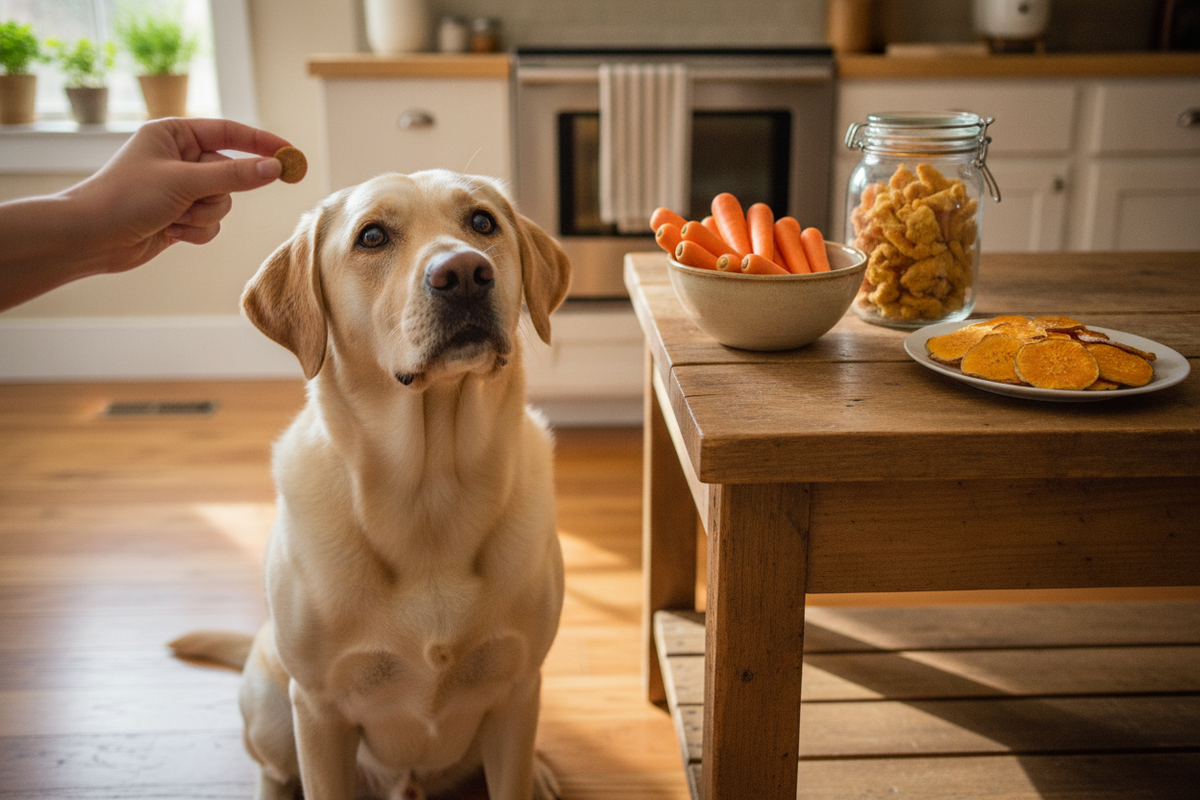
Healthy Dog Treats Low Calorie: Best Options for Your Pup
Every Treat Counts: Why Your Dog Deserves Better Snack Choices
Your dog looks up at you with those big, hopeful eyes, and resisting the urge to hand over a treat feels nearly impossible. That moment of connection is one of the best parts of pet ownership. But here is the thing: not all treats are created equal, and the ones you choose can have a real impact on your dog's weight, energy, and long-term health.
This guide is for pet owners who want to keep those tail-wagging moments alive without piling on unnecessary calories. Whether your pup is a tiny Chihuahua or a big, bouncy Labrador, finding the right healthy dog treats low calorie options means you can reward freely, love generously, and feel good about every single bite you offer.
Why Low-Calorie Treats Matter for Your Dog's Health
It is easy to think of treats as just small extras, little bonuses that do not really affect the bigger picture. But when you look at the numbers, the reality is a bit more surprising.
How Extra Treat Calories Add Up Faster Than You Realize
Veterinary nutrition guidelines suggest that treats should make up no more than 10% of a dog's daily caloric intake. For a small dog that only needs around 200 to 400 calories per day, even a handful of standard store-bought treats can push well past that threshold without you noticing.
Consider this: a single medium-sized commercial dog biscuit can contain anywhere from 40 to 100 calories. If you are giving your dog three or four of those throughout the day, you might be adding a significant caloric surplus on top of their regular meals. Over weeks and months, that surplus contributes to weight gain, which puts pressure on joints, strains the heart, and increases the risk of conditions like diabetes and arthritis.
Low-calorie treats solve this problem without taking away the joy of rewarding your dog. They let you say "good boy" or "good girl" as many times as you want, without the guilt that comes with overfeeding. For dogs in training, where treats are used frequently as positive reinforcement, keeping each reward small in calories is especially important.
Maintaining a healthy weight is one of the most powerful things you can do for your dog's quality of life. Studies consistently show that lean dogs live longer and experience fewer health complications than overweight dogs. Choosing the right treats is a small but meaningful part of that bigger commitment.
What to Look for in Healthy Low-Calorie Dog Treats
Not every product labeled "low calorie" or "light" is automatically a great choice. Reading labels and understanding what goes into a treat helps you make smarter decisions for your pup.
Key Ingredients That Nourish Without Overloading
The best healthy dog treats low calorie options share a few things in common: they are made with real, recognizable ingredients, they are low in fat and sugar, and they offer some nutritional value beyond just being a snack.
Here are the qualities and ingredients worth looking for:
Single-ingredient or minimal-ingredient treats: These are often the cleanest options available. Think freeze-dried chicken breast, dehydrated sweet potato slices, or dried blueberries. When the ingredient list is short, you know exactly what your dog is getting.
High moisture content: Treats with higher water content, like certain soft chews or fresh food-based snacks, tend to be lower in calories per gram. They also support hydration, which is a bonus for dogs who do not drink enough water on their own.
Lean protein sources: Chicken, turkey, cod, and salmon are excellent protein sources that provide satiety and muscle support without excessive fat. Protein-rich treats can actually help your dog feel more satisfied, reducing the urge to beg for more.
Natural fiber from fruits and vegetables: Ingredients like carrots, green beans, pumpkin, and apples (without seeds) are naturally low in calories and rich in vitamins. Many dogs enjoy the crunch of a raw carrot just as much as a processed biscuit.
What to avoid: Steer clear of treats with added sugars, artificial sweeteners like xylitol (which is toxic to dogs), excessive salt, or vague ingredient labels that list things like "meat by-products" or "animal digest." Also watch out for treats with corn syrup or hydrogenated oils, which add empty calories without nutritional benefit.
Checking the calorie count per treat on the packaging is a habit worth building. Many quality brands now list calories per piece, making it easier to track your dog's daily intake accurately.
Top Healthy Low-Calorie Treat Types Your Dog Will Love
There is a wide world of low-calorie treat options out there, and the best one for your dog depends on their size, preferences, and health needs. Exploring different types helps you figure out what gets that tail wagging the most.
From Crunchy Biscuits to Soft Chews: Finding Your Dog's Favorite
Freeze-dried treats: These are made by removing moisture from raw or cooked ingredients, leaving behind a lightweight, nutrient-dense snack. Freeze-dried chicken, beef liver, and salmon are popular choices that dogs tend to go absolutely wild for. Because they are so flavorful, a tiny piece goes a long way, keeping calorie counts low per serving.
Dehydrated fruit and vegetable snacks: Sweet potato chews, apple slices, and pumpkin bites are naturally sweet, fiber-rich, and very low in calories. They make excellent training treats because they can be broken into small pieces without crumbling too much.
Dental chews with a purpose: Some low-calorie dental chews are designed to clean teeth and freshen breath while delivering a satisfying chewing experience. Look for options that carry the Veterinary Oral Health Council (VOHC) seal, which indicates proven effectiveness for oral health.
Soft, bite-sized training treats: For dogs in active training, small soft treats are ideal because they are easy to handle, quick to eat, and less distracting than larger chews. Many brands offer training treats under 3 calories per piece, making them practical for high-repetition reward sessions.
Homemade treat options: If you enjoy spending time in the kitchen, homemade dog treats can be a wonderful way to control exactly what goes into your pup's snacks. Simple recipes using oat flour, mashed banana, pumpkin puree, and peanut butter (xylitol-free) can produce delicious, low-calorie biscuits your dog will love.
Fresh whole foods: Do not underestimate the power of simple, dog-safe whole foods as treats. Baby carrots, cucumber slices, watermelon chunks (seedless), and plain cooked green beans are all nearly calorie-free and packed with nutrients. Many dogs are perfectly happy with these as occasional rewards.
When introducing any new treat, it is always wise to start with a small amount and watch for any signs of digestive upset or allergic reaction. Every dog is different, and what works beautifully for one pup might not suit another.
Treat Your Dog Well, Starting Today
Choosing healthy dog treats low calorie options is one of the simplest, most loving things you can do for your pup. It is not about depriving them of joy; it is about making sure every reward you give actually supports their health rather than working against it. With the right treats in your hands, every "sit," every "stay," and every spontaneous moment of affection becomes a chance to nourish your dog from the inside out.
The good news is that your options are better than ever. From freeze-dried protein bites to crunchy veggie snacks to thoughtfully crafted training treats, there is something out there that will make your dog's eyes light up without tipping the calorie scale.
Explore your options, trust your instincts as a caring pet owner, and treat your dog to the goodness they truly deserve. Because a healthier, happier pup means more years of those tail-wagging moments you both live for.

De Talis Us



Dejar un comentario
Este sitio está protegido por hCaptcha y se aplican la Política de privacidad de hCaptcha y los Términos del servicio.