



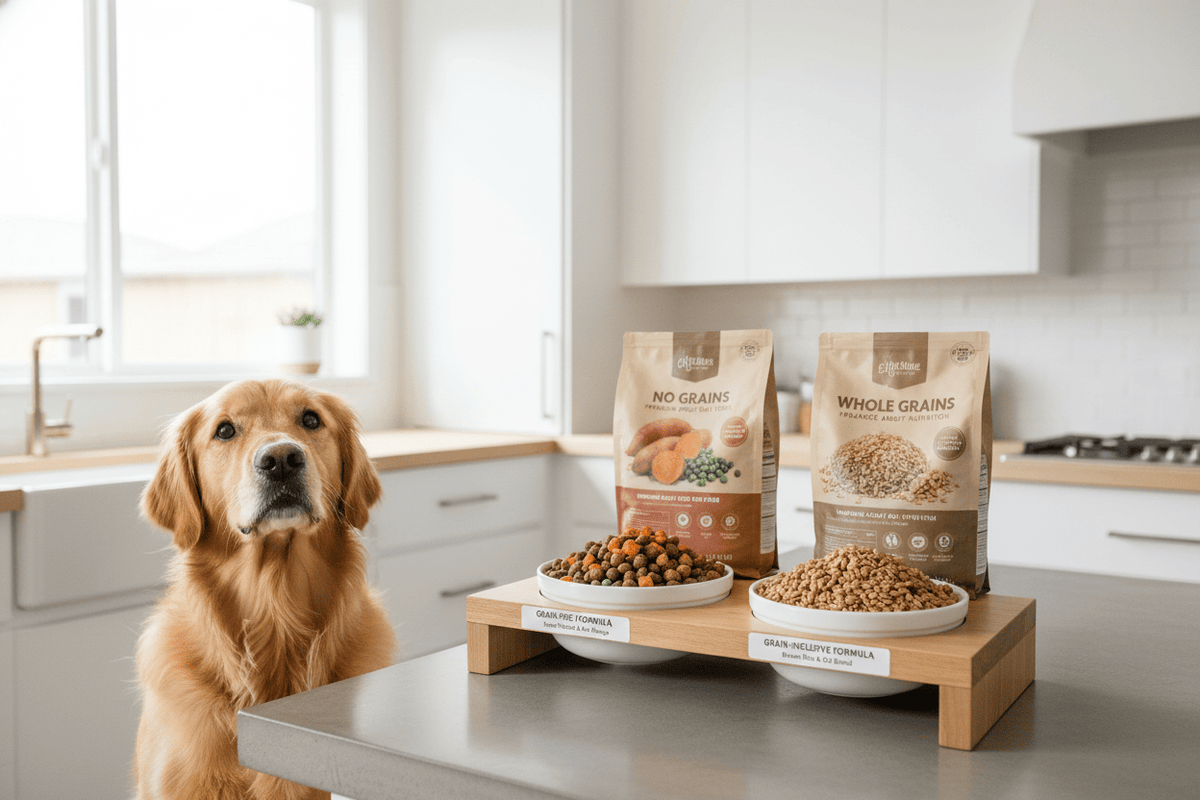
Grain-Free vs Grain-Inclusive Dog Food: Which Is Right for Your Furry Friend?
Understanding Your Dog's Nutritional Needs
As loving pet parents, we all want what's best for our four-legged family members. When it comes to nutrition, the debate between grain-free and grain-inclusive dog food has created confusion for many dog owners. With passionate advocates on both sides and conflicting information everywhere, how do you determine which option is truly best for your beloved companion?
This comprehensive guide will help you navigate the grain-free vs grain-inclusive dog food landscape with confidence. We'll explore the key differences, potential benefits, and important health considerations for both dietary approaches, empowering you to make an informed decision based on your dog's unique needs rather than marketing trends.
Understanding Grain-Free Dog Food
Grain-free dog foods have surged in popularity over the past decade, marketed as a more "natural" option that aligns with dogs' ancestral diets. These formulations completely eliminate grains like wheat, corn, rice, barley, and oats, typically replacing them with alternative carbohydrate sources such as potatoes, sweet potatoes, peas, lentils, or chickpeas.
Benefits of Grain-Free Formulas
For some dogs, grain-free diets offer genuine advantages:
Allergy Management: While true grain allergies are relatively rare in dogs (affecting less than 1% of the canine population), those who do have legitimate grain sensitivities may experience relief from symptoms like itching, ear infections, and digestive issues when switched to grain-free formulas.
Digestibility: Some grain-free diets feature highly digestible carbohydrate sources that certain dogs process more efficiently than traditional grains.
Weight Management: Many grain-free formulations contain higher protein levels and fewer carbohydrates, potentially benefiting overweight dogs or those with specific metabolic needs.
Skin and Coat Health: The increased fat content in some grain-free diets may contribute to shinier coats and healthier skin for certain dogs.
Potential Concerns with Grain-Free Diets
Despite their popularity, grain-free diets have come under scrutiny in recent years:
DCM Concerns: In 2018, the FDA began investigating a potential link between grain-free diets and dilated cardiomyopathy (DCM), a serious heart condition, in dogs not typically predisposed to the disease. While research is ongoing, this investigation raised important questions about certain grain-free formulations.
Nutritional Balance: Some grain-free formulas rely heavily on legumes and potatoes, which may not provide the same nutritional profile as diets containing wholesome grains. This substitution can potentially create imbalances in amino acids and other essential nutrients.
Higher Cost: Grain-free options typically come with a premium price tag, often costing significantly more than their grain-inclusive counterparts without necessarily providing additional nutritional benefits for dogs without specific grain sensitivities.
Excess Protein: Some grain-free diets contain protein levels that exceed what average dogs require, potentially putting unnecessary strain on kidneys, particularly in senior dogs or those with existing renal issues.
The Case for Grain-Inclusive Formulas
While grain-free options have dominated marketing conversations, nutritional science increasingly supports the value of quality grains in canine diets. Understanding the benefits of properly formulated grain-inclusive foods can help pet parents make more informed choices.
Nutritional Value of Quality Grains
Contrary to some marketing claims, wholesome grains offer significant nutritional benefits for most dogs:
Essential Nutrients: Whole grains provide valuable vitamins, minerals, and fiber that contribute to overall canine health. For example, brown rice delivers manganese, selenium, and naturally occurring oils that support metabolism and immune function.
Digestible Energy Source: Properly processed grains are highly digestible for most dogs, providing sustained energy through complex carbohydrates rather than simple sugars.
Fiber Benefits: The fiber in whole grains supports healthy digestion and can help maintain optimal stool consistency and gut health.
Heart Health: Recent research suggests that certain grains may actually support cardiac health through essential nutrients like taurine precursors, potentially reducing DCM risk compared to some grain-free formulations.
Cost-Effective Nutrition: Grain-inclusive formulas often deliver comparable or superior nutrition at a lower price point, making quality nutrition more accessible for pet parents on various budgets.
Scientific Support for Grains in Dog Food
The scientific community has increasingly validated the role of quality grains in canine nutrition:
Research from veterinary nutritionists at leading institutions has demonstrated that domesticated dogs have evolved alongside humans for thousands of years, developing the ability to efficiently digest and utilize starches from grains.
Studies have shown that dogs possess significantly more copies of the AMY2B gene (responsible for producing amylase, an enzyme that breaks down starches) than their wolf ancestors, indicating evolutionary adaptation to grain consumption.
The American Veterinary Medical Association (AVMA) has noted that while the FDA investigation into grain-free diets and DCM continues, there's insufficient evidence to universally recommend against grain-free diets, emphasizing instead the importance of balanced nutrition from reputable manufacturers.
Making the Right Choice for Your Dog
The ideal diet for your dog should be based on their individual needs rather than broad generalizations or marketing trends. Here's how to determine which approach might work best for your furry friend:
Health Considerations and Breed-Specific Needs
Consult Your Veterinarian: Before making any significant dietary changes, speak with your veterinarian about your dog's specific nutritional requirements. They can help identify any true food sensitivities or health conditions that might influence your choice.
Consider Age and Activity Level: Puppies, adult dogs, and seniors have different nutritional needs, as do highly active dogs versus more sedentary companions. These factors should influence your food selection more than simply whether it contains grains.
Evaluate Existing Health Conditions: Dogs with certain medical conditions may benefit from specific dietary approaches. For example, dogs with kidney disease often require carefully controlled protein levels, while those with certain types of allergies might need specialized formulations.
Breed Predispositions: Some breeds have unique nutritional requirements or tendencies toward certain health issues that can influence dietary recommendations. Large and giant breeds, for instance, benefit from carefully balanced calcium and phosphorus levels to support proper skeletal development.
Reading Labels and Evaluating Quality
Regardless of whether you choose grain-free or grain-inclusive, the overall quality of the food matters tremendously:
Check the AAFCO Statement: Look for foods that meet the Association of American Feed Control Officials (AAFCO) standards for complete and balanced nutrition.
Evaluate Protein Sources: Quality animal proteins should ideally appear as the first ingredient(s), regardless of whether the formula contains grains.
Assess Carbohydrate Sources: Whether from grains or alternatives like sweet potatoes, the carbohydrate sources should be wholesome and nutritious rather than empty fillers.
Consider the Manufacturer: Choose foods from companies with strong reputations for quality control, nutritional expertise, and transparent sourcing practices.
Avoid Artificial Additives: Minimize artificial colors, flavors, and preservatives when possible, as these offer no nutritional benefit and may cause sensitivities in some dogs.
Monitoring Your Dog's Response
The ultimate test of any diet is how your individual dog responds to it:
Observe Energy Levels: Your dog should maintain appropriate energy for their age and breed when on an optimal diet.
Monitor Digestive Health: Healthy, consistent stools and minimal gas indicate good digestibility and appropriate fiber levels.
Track Coat Condition: A shiny, healthy coat often reflects proper nutrition and adequate fatty acid content.
Watch Weight and Muscle Tone: Your dog should maintain a healthy weight and good muscle definition on their diet.
Note Any Allergic Symptoms: Be alert for signs of food sensitivities such as excessive itching, ear infections, or gastrointestinal upset.
The FDA Investigation: What Pet Parents Should Know
In 2018, the FDA began investigating a potential connection between grain-free diets and dilated cardiomyopathy (DCM) in dogs. This investigation has been a significant factor in the grain-free versus grain-inclusive debate, so understanding the current state of research is important:
Initial Concerns: The FDA noted an increase in DCM cases among breeds not typically predisposed to the condition, with many affected dogs eating grain-free diets containing high levels of peas, lentils, and potatoes.
Ongoing Research: While the investigation continues, the FDA has not established a definitive causal relationship between grain-free diets and DCM. In 2020, the agency announced it would no longer provide public updates on the investigation until more conclusive scientific evidence emerges.
Veterinary Perspective: Many veterinary cardiologists and nutritionists recommend caution with grain-free diets, particularly those high in legumes, especially for breeds with known predisposition to heart issues.
Balanced Approach: The AVMA suggests that while more research is needed, pet owners should work with their veterinarians to select diets from manufacturers with strong nutritional expertise and rigorous quality control.
Beyond the Grain Debate: Other Nutritional Factors to Consider
While the grain-free versus grain-inclusive question is important, several other nutritional factors deserve equal attention when selecting your dog's food:
Protein Quality and Quantity: The biological value and digestibility of protein sources matter more than simply the percentage listed on the package. Look for named animal protein sources (like chicken, beef, or salmon) rather than generic "meat" ingredients.
Fat Content and Quality: Appropriate fat levels and quality sources of omega-3 and omega-6 fatty acids support skin, coat, brain, and immune system health.
Micronutrient Balance: Vitamins, minerals, and trace elements must be present in appropriate amounts and ratios for optimal health.
Caloric Density: The calorie content of food should match your dog's energy needs to maintain ideal body condition.
Feeding Practicalities: Consider your lifestyle, budget, and your dog's preferences when selecting a food format (kibble, wet food, fresh, etc.).
Making Transitions Between Diets
If you decide to change your dog's diet based on this information, remember that gradual transitions are essential for digestive comfort:
Start by mixing 25% new food with 75% current food for 2-3 days
Progress to a 50/50 mix for another 2-3 days
Move to 75% new food and 25% old food for 2-3 days
Finally transition to 100% new food
This gradual approach helps prevent digestive upset and gives your dog's system time to adjust to the new nutritional profile.
Myths and Misconceptions About Canine Nutrition
Several persistent myths can cloud the grain-free versus grain-inclusive conversation:
Myth: Dogs Can't Digest Grains Reality: Domestic dogs have evolved the digestive enzymes necessary to process cooked grains efficiently. While they don't need grains, most can utilize them effectively as part of a balanced diet.
Myth: Grain-Free Means Low-Carb Reality: Many grain-free foods simply substitute other carbohydrate sources like potatoes or legumes, sometimes resulting in higher carbohydrate content than grain-inclusive options.
Myth: Grain-Free Is Always Better for Allergies Reality: True grain allergies are rare in dogs. Protein sources like chicken, beef, and dairy are much more common allergens than grains.
Myth: Wolves Don't Eat Grains, So Dogs Shouldn't Either Reality: While wolves are ancestors to dogs, thousands of years of domestication have created significant digestive differences between the species. Additionally, studies of wild wolf diets show they do consume plant material, including grains, from the stomach contents of their prey.
Finding Balance: A Thoughtful Approach to Canine Nutrition
Rather than viewing the grain-free versus grain-inclusive question as an either/or proposition, consider these balanced perspectives:
Individual Assessment: Each dog is unique, with specific nutritional needs based on age, breed, activity level, and health status. These individual factors should guide your decision more than general trends.
Quality Over Category: A high-quality grain-inclusive food is likely better for most dogs than a poor-quality grain-free option, and vice versa. The overall nutritional profile and ingredient quality matter more than whether grains are included.
Veterinary Guidance: Regular consultations with your veterinarian can help you adjust your dog's diet as their needs change throughout life.
Monitoring and Adaptation: Pay attention to how your dog responds to their diet and be willing to make changes if you notice concerning symptoms or changes in health status.
Your Dog's Best Life Through Optimal Nutrition
The decision between grain-free and grain-inclusive dog food ultimately comes down to what works best for your individual dog. By understanding the science behind canine nutrition, recognizing the potential benefits and drawbacks of each approach, and focusing on your dog's specific needs, you can make confident feeding choices that support their health and happiness.
Remember that quality ingredients, proper nutrient balance, and your dog's individual response matter far more than following the latest pet food trends. By partnering with your veterinarian and paying attention to your dog's wellbeing, you can navigate the complex world of pet nutrition successfully.
Whether you choose grain-free or grain-inclusive, your commitment to understanding your dog's nutritional needs demonstrates the depth of your love and care for your furry family member. That thoughtful approach to their wellbeing is perhaps the most important ingredient of all.

De Talis Us


Dejar un comentario
Este sitio está protegido por hCaptcha y se aplican la Política de privacidad de hCaptcha y los Términos del servicio.