


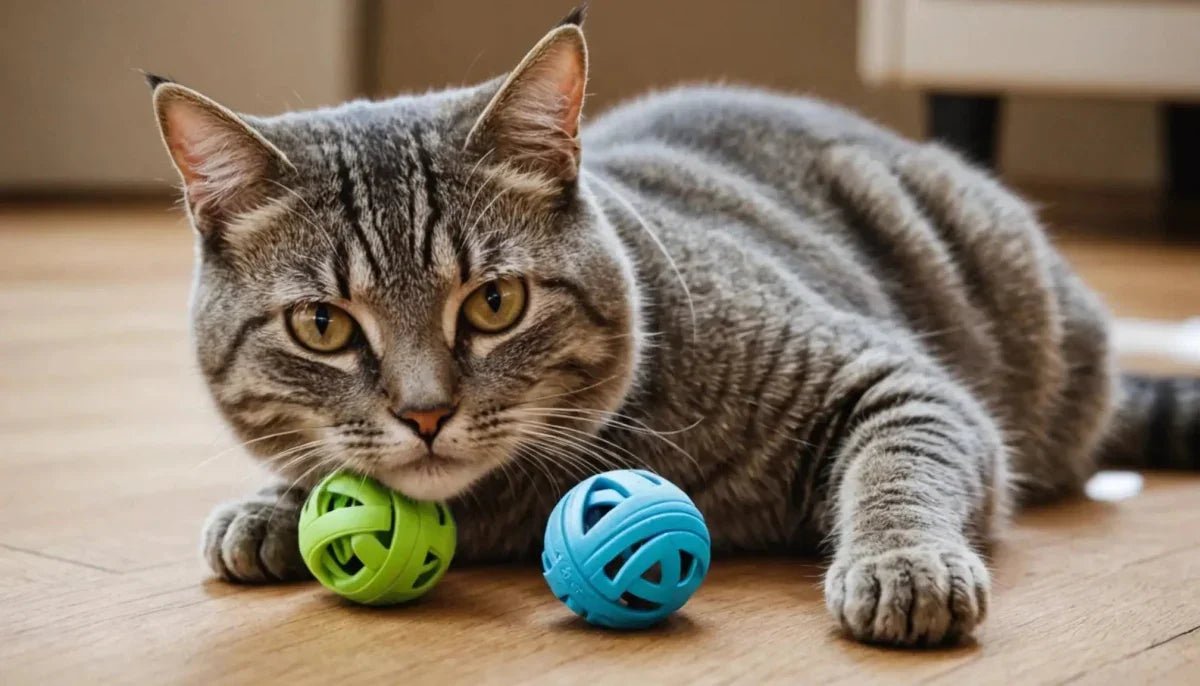
Gentle Cat Toys for Cats with PVP Sensitivities

Welcome to a world where even the most sensitive feline friends can indulge in the joy of playtime with gentle cat toys specifically designed for cats with PVP sensitivities. Cats with PVP sensitivities require extra care and consideration when it comes to the toys they interact with. In this guide, we will explore a curated selection of toys that are safe, soft, and engaging, ensuring that your furry companion can play to their heart's content without any discomfort. From plush toys to interactive puzzles, each item has been thoughtfully chosen to provide entertainment while prioritizing your cat's well-being. Say goodbye to worrying about harsh materials or rough edges - these toys are all about promoting a happy and healthy play experience for your beloved pet. Join us on a journey to discover the perfect toys that will bring out the playful spirit in your cat, without triggering any PVP sensitivities.
Understanding PVP Sensitivities in Cats
Defining PVP Sensitivities in Cats and Their Impact on Their Well-being
Many cats suffer from various food sensitivities, with protein, vitamins, and minerals being common culprits. Protein sensitivities, in particular, can lead to gastrointestinal upset, skin issues, and overall discomfort for cats. It is crucial for cat owners to understand these sensitivities and their implications on the well-being of their feline companions.
Identifying Common Signs and Symptoms Exhibited by Cats with PVP Sensitivities
Cats with PVP (protein, vitamin, and mineral) sensitivities may exhibit a range of signs and symptoms that indicate their bodies are reacting negatively to certain components in their diet. These signs can include vomiting, diarrhea, excessive scratching, hair loss, and overall lethargy. Recognizing these symptoms early on can help cat owners take appropriate steps to address the sensitivities and improve their cat's quality of life.
Managing PVP Sensitivities in Cats
Managing PVP sensitivities in cats requires a multi-faceted approach. It is essential to consult with a veterinarian to confirm the sensitivities and develop a suitable diet plan. This may involve switching to hypoallergenic cat food or limited ingredient diets to avoid triggers. Additionally, providing proper hydration and ensuring a stress-free environment can aid in managing sensitivities. Regular monitoring of the cat's condition and working closely with the vet can help in adjusting the treatment plan as needed.
Importance of Regular Vet Check-ups
Regular veterinary check-ups play a crucial role in monitoring a cat's sensitivities. These check-ups allow the vet to assess the cat's overall health, make any necessary adjustments to the treatment plan, and address any new symptoms that may arise. Early detection of sensitivities can prevent further complications and improve the cat's quality of life. Cat owners should prioritize routine vet visits to ensure their feline companions receive the best possible care.
Conclusion
Understanding and managing PVP sensitivities in cats is vital for ensuring their well-being and quality of life. By recognizing the signs and symptoms, working closely with a veterinarian, and providing appropriate care, cat owners can help their pets lead happy and healthy lives despite their sensitivities. With proper attention and proactive measures, cats with PVP sensitivities can thrive and enjoy a comfortable life.
Selecting Suitable Cat Toys
Importance of Choosing Gentle Toys for Cats with Sensitivities
When it comes to selecting toys for your feline friends, it's crucial to consider their sensitivities. Cats with sensitivities, particularly those with PVP (polyvinylpyrrolidone) sensitivities, require extra care when choosing toys. PVP is a common component in many synthetic materials used for cat toys, and it can trigger allergic reactions in sensitive cats. Opting for gentle toys made from natural materials, such as organic cotton or wool, can help minimize the risk of adverse reactions and provide a safe playing experience for your furry companion.
Specific Toy Features Ideal for Cats with PVP Sensitivities
For cats with PVP sensitivities, certain toy features can make playtime more enjoyable and safe. Look for toys that are free from synthetic dyes and fragrances, as these additives can also be potential triggers for sensitivities. Additionally, choosing toys with simple designs and minimal embellishments can reduce the risk of exposure to harmful substances. Toys that are easy to clean and maintain are also beneficial, as they can help prevent the buildup of allergens and bacteria that could irritate your cat's skin or respiratory system. By selecting toys with these specific features, you can create a stimulating and safe play environment for your furry friend.
Variety in Textures and Materials
In addition to considering the materials used in cat toys, it's essential to provide a variety of textures and materials to keep your cat engaged and entertained. Cats have different preferences when it comes to textures they enjoy interacting with. Some cats may prefer soft plush toys, while others might be more attracted to toys with rougher textures like sisal or jute. Offering a mix of textures can cater to your cat's individual preferences and ensure they have a diverse range of stimuli during playtime.
Interactive and Enriching Toys
Interactive toys that encourage mental and physical stimulation are excellent choices for cats with sensitivities. Puzzle feeders, treat-dispensing toys, and wand toys are great options to engage your cat's senses and provide enrichment. These toys not only help prevent boredom but also promote exercise and cognitive development. When selecting interactive toys, ensure they are safe and durable to withstand your cat's play style and intensity. Introducing new toys periodically can also prevent monotony and keep your cat excited about playtime.
Supervision and Rotation
While providing a variety of toys is essential, it's equally important to supervise your cat during playtime, especially if they have sensitivities. Monitor how your cat interacts with different toys to ensure they are comfortable and safe. Regularly inspect toys for any signs of damage or wear and replace them as needed to prevent potential hazards. Rotating toys on a regular basis can also help maintain your cat's interest and prevent overstimulation. By supervising play sessions and rotating toys, you can create a safe and engaging play environment that caters to your furry friend's unique needs.
Conclusion
Choosing suitable toys for cats with sensitivities, particularly those with PVP sensitivities, requires attention to detail and consideration for your cat's well-being. By opting for gentle toys made from natural materials, selecting toys with specific features, providing a variety of textures and interactive options, and practicing supervision and toy rotation, you can ensure your cat has a fulfilling and safe play experience. Remember to observe your cat's preferences and behavior to tailor their play environment accordingly, promoting a happy and healthy bond between you and your feline companion.
Recommended Gentle Cat Toys
Safe and Gentle Cat Toys for Cats with PVP Sensitivities
Cats with Polyvinylpyrrolidone (PVP) sensitivities need extra care when it comes to selecting toys. Here are some recommended options:.
-
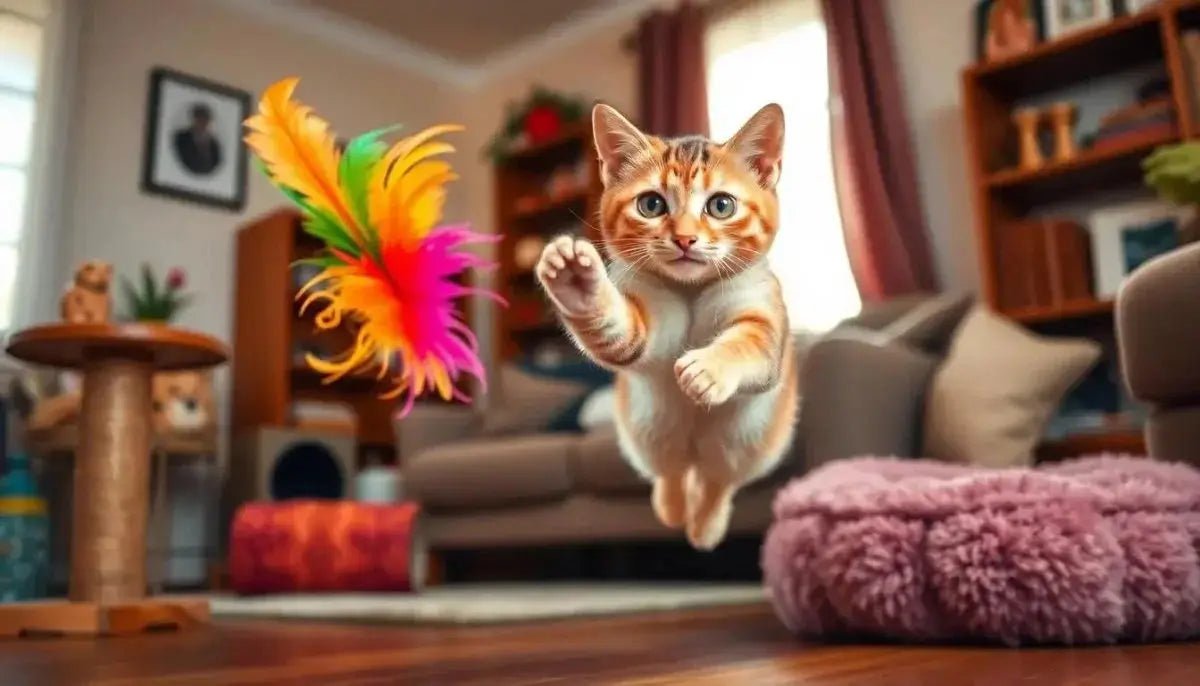
Feather Teaser Wand : An interactive toy that replicates bird movements, providing mental and physical stimulation without any PVP materials, ensuring a safe playtime for your feline friend.
-
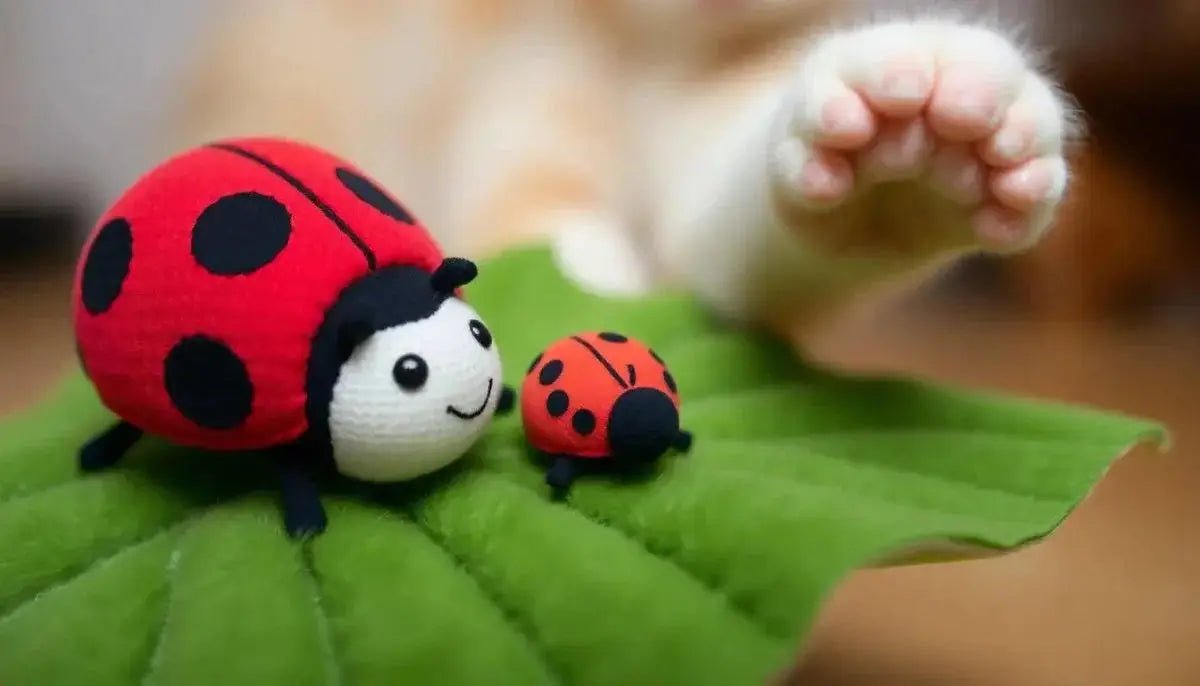
Soft Plush Mice : These plush toys are gentle on the paws, offering a comforting play experience for cats with sensitivities, making playtime enjoyable and worry-free.
-
Food Puzzle Toys : Keep your cat engaged and entertained with food puzzle toys that are PVP-free, encouraging mental stimulation and rewarding play sessions.
Showcasing a Variety of Toy Types
Discover a range of gentle toys to cater to your cat's play preferences and sensitivities:.
-
Interactive Toys : Encourage your cat's participation and activity levels with interactive toys that promote exercise, mental engagement, and strengthen the bond between you and your pet.
-
Plush Toys : Soft and cuddly, plush toys are ideal for cats with sensitivities, offering a cozy play experience that is gentle on the skin and comforting for your furry companion.
-
Puzzle Toys : Challenge your cat's cognitive abilities with puzzle toys that provide mental enrichment and entertainment while being gentle on their skin and safe for sensitive cats.
Importance of Choosing Gentle Toys
Investing in gentle cat toys is crucial for ensuring your cat's well-being and enjoyment during playtime. By opting for toys free of PVP and other potential irritants, you can prevent allergic reactions and skin issues, allowing your cat to play without any discomfort.
Additional Tips for Toy Selection
When selecting toys for cats with sensitivities, consider the following:.
-
Materials : Opt for toys made from natural, hypoallergenic materials to minimize the risk of skin reactions.
-
Safety : Prioritize toys with secure attachments and no small parts that could be ingested, ensuring your cat's safety during play.
-
Supervision : Always supervise your cat during playtime to prevent any mishaps or accidents with toys.
By following these tips and choosing gentle toys tailored to your cat's needs, you can provide a safe and enjoyable play experience for your beloved pet, fostering their physical and mental well-being.
With a thoughtful selection of toys, you can create a stimulating and safe environment for your cat to explore, play, and thrive.
DIY Toys for Sensitive Cats
Engaging DIY Toy Ideas for Cats with PVP Sensitivities
Feather Frenzy
- Create a Feather Wand: Use feathers from bird-safe toys or craft feathers to make an interactive wand toy for your cat. Attach feathers securely to a piece of string or elastic for your cat to chase and pounce on.
Cardboard Condo
- Build a Cat Castle: Transform a sturdy cardboard box into a multi-level condo for your feline friend. Cut out windows and doors for exploration, and add crumpled paper or a soft blanket inside for a cozy retreat.
Sock Fish
- Craft a Catnip Toy: Fill a clean sock with catnip and crinkle paper to make a fun fish toy for your cat. Tie a knot at the open end to keep the contents secure, and watch as your cat enjoys batting around their new favorite toy.
Puzzle Treat Ball
- Make a Food Puzzle: Create a treat-dispensing ball using a clean plastic bottle. Cut holes in the bottle and fill it with your cat's favorite treats. As your cat rolls the ball around, treats will fall out, providing mental stimulation and a tasty reward.
Step-by-Step Guide to Crafting DIY Toys
-
Gather Materials: Collect household items like cardboard boxes, feathers, socks, catnip, crinkle paper, and plastic bottles.
-
Follow Instructions: Use the provided steps to create engaging toys that cater to your cat's play preferences.
-
Safety First: Ensure all items are securely assembled to prevent any choking hazards or accidents during playtime.
-
Supervise Playtime: Monitor your cat while they interact with the new toys to ensure they are playing safely and enjoying themselves.
Enhancing Playtime for Cats with PVP Sensitivities
Cats with PVP sensitivities can still have a blast during playtime with these homemade toys. By engaging their natural instincts and providing safe and stimulating play opportunities, you can enrich your cat's daily routine. Remember to rotate toys regularly to keep your cat's interest piqued and maintain a healthy play environment.
Additional Tips for DIY Cat Toys
-
Incorporate Different Textures: Cats enjoy toys with varied textures like soft fabric, crinkly paper, and smooth surfaces. Experiment with different materials to see what captures your cat's interest.
-
Interactive Play Sessions: Spend quality time with your cat by engaging in interactive play sessions using the DIY toys. This bonding time strengthens your relationship and provides mental and physical exercise for your furry companion.
-
Repurposing Household Items: Get creative with repurposing common household items to create new and exciting toys for your cat. From paper towel rolls to old t-shirts, the possibilities are endless.
Whether your cat loves to chase feathers, explore new hideouts, or indulge in catnip-filled toys, these DIY creations offer endless entertainment for your furry companion. Spend quality time bonding with your cat while crafting these simple yet delightful toys that cater to their unique preferences and sensitivities. Your sensitive cat will thank you for the safe and engaging playtime experiences you provide!.
Encouraging Play in PVP-Sensitive Cats
Understanding PVP Sensitivities in Cats
When it comes to playtime, some cats can be more sensitive than others, especially in PVP (Predatory Vertebrate Play) scenarios. PVP sensitivity in cats refers to how easily they can become agitated or stressed during play that mimics hunting behaviors. Understanding this sensitivity is crucial in ensuring that playtime remains enjoyable and stress-free for your feline companion.
Tips for Engaging Cats with PVP Sensitivities in Playtime
Engaging a cat with PVP sensitivity in play requires a delicate approach. Opt for interactive toys that mimic prey-like movements without being overly aggressive. Feather wands, laser pointers, and puzzle feeders are great options to keep your cat entertained without triggering their PVP instincts excessively. Additionally, incorporating gentle play techniques, such as slow movements and avoiding sudden noises, can help create a positive play experience for your sensitive feline friend.
Creating a Safe Play Environment
Establishing a safe play environment is essential for PVP-sensitive cats. Designate specific play areas where your cat feels comfortable and secure. Remove any potential hazards or distractions that may trigger anxiety during playtime. Ensuring that the play environment is quiet and free from sudden loud noises can help your cat relax and fully engage in play.
Importance of Play for PVP-Sensitive Cats
Play is not just a form of entertainment for cats; it is vital for their overall well-being. For PVP-sensitive cats, engaging in play can provide mental stimulation, physical exercise, and stress relief. Regular play sessions can help alleviate pent-up energy and reduce anxiety, contributing to a happier and healthier feline companion.
Building Trust and Bonding Through Play
Playing with your cat is more than just a fun activity; it is a way to strengthen your bond and build trust. For PVP-sensitive cats, positive play experiences can enhance the relationship between you and your pet. By engaging in interactive play sessions, you can create a sense of security and comfort for your sensitive cat, fostering a deeper connection.
Seeking Professional Help
If your cat exhibits severe PVP sensitivities that impact their quality of life, consider seeking professional help. Veterinarians and animal behaviorists can provide valuable guidance and support in managing your cat's sensitivities. They can offer behavior modification techniques, recommend calming strategies, and address any underlying issues that may be contributing to your cat's sensitivity, ensuring a happier and healthier life for your feline companion.
Conclusion
It is crucial for cat owners to be mindful of their feline friend's sensitivities when choosing toys, especially for cats with PVP sensitivities. Opting for gentle cat toys that are soft, non-abrasive, and free from harsh chemicals can help ensure a safe and enjoyable play experience for these sensitive cats. By prioritizing their well-being and comfort, we can strengthen the bond we share with our beloved pets and provide them with a nurturing environment where they can thrive.


Dejar un comentario
Este sitio está protegido por hCaptcha y se aplican la Política de privacidad de hCaptcha y los Términos del servicio.