



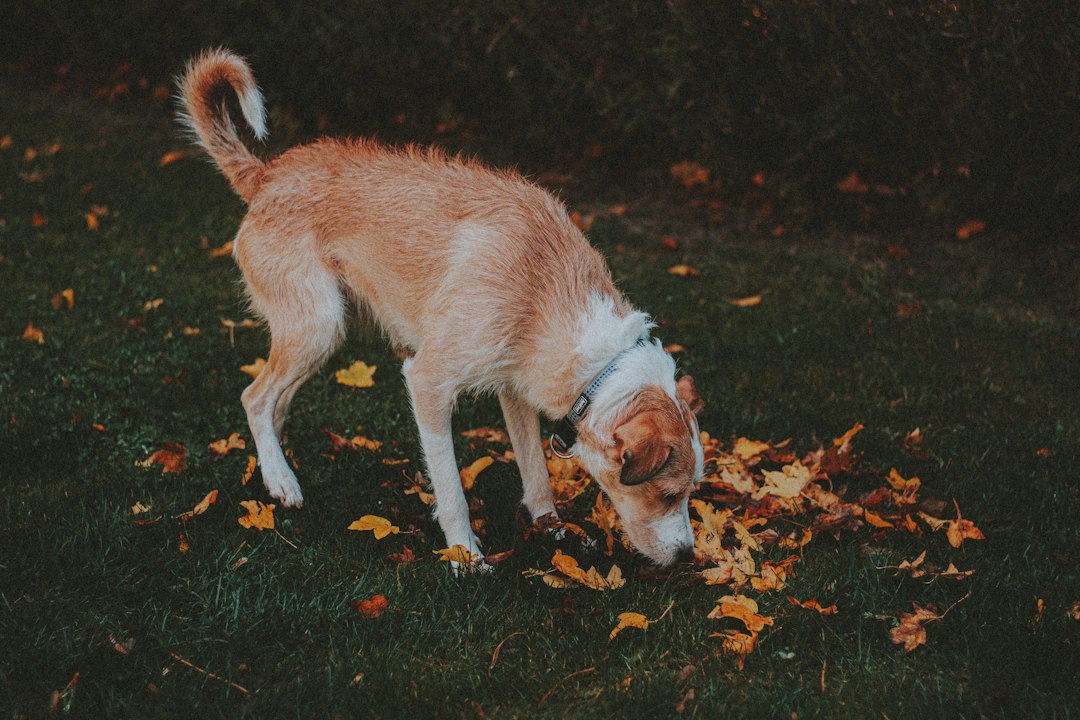
Fall Shedding & Coat Care: Salmon Oil & Grooming Tips
Fall shedding and coat support salmon oil single-protein diets brushing guides by breed
Fall shedding is usually a normal coat transition, best managed with coat-appropriate brushing, balanced nutrition, and attention to skin health. Salmon oil can provide supportive omega-3 fatty acids, but it is not a shortcut to stopping normal shedding or treating unexplained hair loss. This article explains where supplements and single-protein diets fit, how grooming needs differ among breeds, and which changes deserve veterinary attention. (aaha.org)
Why is my dog shedding more in fall?
Many dogs shed more in fall as their coats transition seasonally, releasing older hairs while the coat renews. This can be especially noticeable in double-coated breeds, whose soft undercoat may come away in tufts. Seasonal shedding should not leave bald patches, inflamed skin, or a dog who cannot stop scratching; those changes need a different explanation. (vcahospitals.com)
A double coat has two distinct layers: an outer layer of guard hairs and a softer insulating undercoat. Siberian Huskies, German Shepherds, and many retrievers have this arrangement, although coat length and density vary considerably. A Labrador’s relatively short coat can therefore require more undercoat maintenance than a new owner might expect. (vcahospitals.com)
Daylight, temperature, breed, and indoor living can influence shedding patterns, so the calendar is only a starting point. Some dogs have obvious seasonal peaks, while others leave a fairly steady contribution on the furniture. Compare your dog with their own usual pattern rather than with a neighbor’s dog or an online photograph. (aaha.org)
For a useful baseline, record three observations before changing anything:
- Distribution: Note whether loose hair comes from across the body or whether particular areas look thinner.
- Skin comfort: Record scratching, licking, redness, flakes, odor, or sensitivity during handling.
- Recent changes: List new foods, supplements, grooming products, medications, and changes in general health.
Bring these notes to a veterinary appointment if shedding seems unusual. The pattern, progression, presence of itching, and wider health history help distinguish ordinary coat replacement from a skin or systemic problem. A bagful of brushed-out fur alone is less informative than the condition of the dog underneath it. (merckvetmanual.com)
Can salmon oil improve coat health and reduce shedding?
Salmon oil supplies the marine omega-3 fatty acids EPA and DHA, which have anti-inflammatory effects and may support dogs with certain inflammatory skin conditions. However, support for healthier skin is not the same as proof that an oil will reduce normal seasonal shedding. Consider salmon oil for dog coat health as a possible addition to an appropriate care plan, not an anti-shedding treatment with guaranteed results. (vcahospitals.com)
Research involving dogs with atopic dermatitis has evaluated fatty-acid supplementation alongside other treatment. For example, a controlled trial studied a combination of fish oil and borage seed oil in dogs receiving prednisolone. That is a different question from whether salmon oil alone prevents healthy dogs from losing their autumn undercoat; the findings should not be stretched into that promise. (pubmed.ncbi.nlm.nih.gov)
Compare EPA and DHA rather than bottle size
When comparing fish oil for dogs, look for the actual amounts of EPA and DHA per capsule, milliliter, or measured serving. Total oil content does not tell you how much of these fatty acids the product supplies. A larger serving of one oil may provide less EPA and DHA than a smaller serving of another. (csuveterinaryhealth.org)
Ask the manufacturer for clear information rather than relying on words such as “premium” or “coat support.” A useful product comparison should establish:
- The milligrams of EPA and DHA in the stated serving.
- The serving volume and how it should be measured.
- Whether other ingredients, flavorings, or capsule materials need checking.
- Storage instructions, an expiration date, and available quality-testing information.
Keep the packaging or photograph the label for your veterinarian. Supplement quality and labeling deserve scrutiny, and a familiar fish source does not establish that a product is suitable for every dog. (vcahospitals.com)
Set the dose with your veterinarian
There is no universal salmon-oil dose based simply on breed. Your veterinarian should consider body weight, the reason for supplementation, existing dietary intake, and medical history. Importantly, a published dosing chart for osteoarthritis should not be repurposed as a routine coat-care prescription; Colorado State University’s chart explicitly addresses that condition and measures combined EPA and DHA, not total fish oil. (csuveterinaryhealth.org)
Bring details of your dog’s main food, treats, and other supplements to that discussion. Oils also contribute calories, so adding them without reviewing the overall feeding plan can be unhelpful, particularly for dogs prone to weight gain. Do not add extra oil merely because loose hair is still appearing on the sofa. (vet.cornell.edu)
Follow the prescribed amount and reassessment plan. Fish oil can cause gastrointestinal upset and may require caution with certain conditions or medications; report adverse changes rather than increasing the dose. Benefits, when they occur, may take several weeks to become apparent, so evaluate skin comfort and coat condition rather than expecting an immediate change in shedding. (vcahospitals.com)
Does a single-protein diet help with shedding?
A single-protein diet is not inherently a shedding-control diet. Its potential value is in managing ingredient exposure when a particular dog has a suspected or confirmed adverse food reaction. For an otherwise healthy seasonal shedder, the nutritional priority is a complete, balanced diet appropriate for life stage—not automatically replacing several protein sources with one. (merckvetmanual.com)
Look for the nutritional adequacy statement on the food label. In the United States, this identifies whether the food provides complete and balanced nutrition and the life stage it supports. A salmon topper, meat-only meal, or complementary product should not be assumed to replace a complete diet simply because its ingredient list appears straightforward. (fda.gov)
Separate everyday food selection from allergy testing
“Single-protein,” “limited-ingredient,” and “hypoallergenic” do not describe interchangeable guarantees. For a diagnostic elimination trial, veterinarians may select a novel-protein diet based on previous exposure or a hydrolyzed diet whose proteins have been broken into smaller fragments. The appropriate choice depends on the individual dog’s dietary and clinical history. (cavd.ca)
Over-the-counter limited-ingredient foods can contain undeclared protein sources, which can undermine a diagnostic trial. AAHA therefore favors veterinary therapeutic diets for this purpose, while recognizing that practical constraints sometimes require alternatives. Simply buying a different meat flavor and watching the vacuum cleaner is not a reliable food-allergy test. (aaha.org)
A supervised trial also requires control of extras: treats, chews, flavored medications, supplements, and food used to hide tablets all matter. Fish oil and gelatin capsules are specifically among the items that should be reviewed before use. Ask whether your exact salmon-oil product is permitted; do not assume an oil is automatically irrelevant to the trial. (cavd.ca)
If symptoms improve, your veterinarian may recommend a controlled food challenge to help confirm the diagnosis. Without that follow-through, improvement after a food change can be misleading. Keep a written record of itching and skin changes, and follow the trial plan rather than making additional dietary experiments midway through it. (aaha.org)
Brushing guidance by breed and coat type
Breed provides a useful starting point, but the coat in front of you should determine the technique. Mixed breeds and individual dogs can have very different textures, densities, and grooming needs. Ask a groomer to demonstrate the appropriate tools on your dog rather than selecting equipment from a breed photograph alone. (akc.org)
The central distinction is between removing already-loose hair and forcibly thinning healthy coat. Good grooming works through the appropriate coat layers without repeated scraping or pulling. More pressure does not compensate for a tool that cannot reach the undercoat, and continuing until absolutely no hair appears is not a sensible target. (akc.org)

Huskies, Malamutes, and German Shepherds
These dense-coated dogs need attention beneath the outer hairs. During a seasonal coat blow, regular—even daily—brushing can help collect loose undercoat before it spreads through the home. Choose an undercoat rake with a suitable pin length, and have a groomer demonstrate how lightly it should pass through the coat. (vcahospitals.com)
Work in manageable sections rather than repeatedly brushing the same visible strip along the back. A suitable comb can help identify retained loose hair or tangles, but resistance is a reason to stop and inspect, not pull harder. For heavily packed coats, professional grooming may be more comfortable and effective than a prolonged home session. (akc.org)
Golden Retrievers, Rough Collies, and Pomeranians
Longer double coats need both undercoat removal and tangle prevention. Lift a small section of coat, work through it gently, and move methodically to the next section. An appropriate rake, slicker, and wide-tooth comb serve different purposes; brushing only the surface can leave loose hair and tangles underneath. (kb.rspca.org.au)
Pay attention to the belly, between the legs, and other easily missed areas, using less pressure on sensitive skin. If you find a tight mat, do not attempt to cut it away with scissors. Skin can be caught within or pulled into the mat, so seek professional help with safe removal. (kb.rspca.org.au)
Labradors and other shorter double-coated dogs
Short hair does not necessarily mean a single coat or minimal shedding. A Labrador can have substantial undercoat despite a smooth-looking outline. Use tools suited to that shorter coat, with gentle brushing that reaches loose undercoat rather than merely polishing the outer hairs. (kb.rspca.org.au)
A shorter-pin tool may be more appropriate than equipment intended for a very long coat. Finish with a softer brush if useful, but avoid repeatedly working the same area with a bladed shedding tool. Ask for a demonstration if you are unsure whether the tool is removing loose hair or damaging the coat. (akc.org)
Greyhounds and other smooth-coated dogs
For a genuinely short, smooth coat, a soft rubber grooming mitt or bristle brush is often more useful than a long-toothed rake. Rubber tools bring loose hair toward the surface, while bristles can collect it and smooth the coat. Choose equipment sized for the dog and use especially light pressure over sparsely covered areas. (akc.org)
Start with a few gentle passes and assess the skin rather than judging success by the amount collected. A dog with a fine coat should not receive the same vigorous routine as a dense-coated retriever. These dog grooming tips are about matching the tool to the task, not building the largest possible brush collection. (akc.org)
Poodles, Shih Tzus, and dogs with continuously growing coats
Lower visible shedding does not mean lower maintenance. Dogs with continuously growing coats require regular coat care and haircuts, and loose hairs or tangles still need attention. A slicker and suitable comb may be useful, but coat length and texture determine how intensive the routine needs to be. (vcahospitals.com)
For curly mixed-breed coats, request a grooming plan based on the individual coat rather than assuming it will behave exactly like either parent breed. Agree on a manageable coat length and learn how to check beyond the surface for tangles. Preventive maintenance is preferable to discovering extensive matting at the next appointment. (akc.org)
Bathing and grooming comfort
Bathing can help remove dirt and loose hair, but frequency should reflect the dog’s coat, skin condition, and lifestyle. Use a dog-appropriate shampoo and rinse thoroughly; dogs with skin disease may need a veterinarian-directed product and schedule. More frequent washing is not automatically better, and a medicated product should not be selected solely because shedding has increased. (vcahospitals.com)
Brush and inspect the coat before bathing so you know whether tangles or mats require attention. Dry the coat appropriately afterward, particularly when the undercoat is dense. If you cannot comfortably reach the skin through the coat or keep up with its maintenance, arrange professional grooming rather than repeatedly washing an increasingly tangled dog. (kb.rspca.org.au)
Avoid shaving a healthy double coat simply to reduce household hair. The undercoat and guard hairs have protective functions, and shaving removes both layers. Medical needs or severe matting may justify clipping, but those are individual decisions—not routine solutions for an inconvenient autumn shed. (akc.org)
Keep grooming sessions gradual and rewarding. Introduce handling and brushes gently, offer appropriate rewards, and take breaks instead of holding a struggling dog through a long session. Comfortable grooming can become useful shared time, while a sudden aversion to brushing should prompt you to check for pain, skin irritation, or tangles. (kb.rspca.org.au)
A practical fall coat-care routine
Use a simple written routine to coordinate care, especially if several people feed or groom the dog. The following is an organizational template, not a prescription for every coat. Adjust brushing frequency with your groomer and supplementation with your veterinarian.
- Check before brushing. Part the coat in several places and record any redness, flakes, thinning, or sensitivity. Note whether scratching has changed since the previous session.
- Choose one manageable area. Work gently with the correct tool, check progress with a suitable comb where appropriate, and stop if the dog becomes uncomfortable.
- Keep feeding consistent. Record the main food and any extras. If an oil has been prescribed, assign one person to measure it and mark each dose to prevent accidental duplication.
- Collect hair at the source. Keep a washable mat beneath the grooming area and dispose of collected fur after each session. Store tools together so preparation does not become the reason brushing gets postponed.
- Review changes weekly. Compare photographs taken in similar lighting and review notes about itching, stool changes, coat condition, and new products. Bring the record to a recheck rather than relying on memory.
For the house, try washable covers on favorite resting spots, a reusable hair-removal tool for upholstery, and a cleaning schedule focused on the areas your dog uses most. Check vacuum brushes and filters according to the manufacturer’s instructions. The aim is manageable maintenance, not a home that never contains a single hair.
Avoid changing food, starting oil, buying a new shampoo, and intensifying brushing simultaneously unless your veterinarian has directed a combined plan. As a practical tracking strategy, keeping nonessential changes separate makes your notes easier to interpret. During a diagnostic diet trial, follow the prescribed plan instead of experimenting.
Signs that shedding needs veterinary attention
Arrange a veterinary examination when shedding accompanies bald patches, persistent itching, redness, scaling, skin thickening, or an unusual pattern of thinning. Hair loss may involve infection, parasites, allergies, friction, or other disorders; these cannot be reliably distinguished by coat appearance alone. Even hair loss without itching can require investigation. (merckvetmanual.com)
Mention changes in energy, appetite, drinking, weight, or behavior alongside the coat concerns. A veterinarian will consider the dog’s overall health and may examine hairs or perform tests based on the history and skin findings. Bring your product labels, diet history, photographs, and timeline so the appointment begins with useful information. (merckvetmanual.com)
Do not respond to worsening skin signs by increasing supplement doses or brushing more aggressively. Neither addresses an undiagnosed cause, and both may introduce additional problems. If a supplement appears to cause an adverse reaction, stop it and contact your veterinarian for guidance. (vcahospitals.com)
The main takeaway
A comfortable dog with healthy skin is a better goal than zero shedding. Start with balanced food and coat-appropriate grooming, consider salmon oil only when it fits the individual dog’s needs, and reserve diagnostic diet changes for a clear veterinary plan. Consistent care will help you manage the seasonal fluff while noticing when something more than ordinary shedding is happening. (vcahospitals.com)

De Talis Us



Dejar un comentario
Este sitio está protegido por hCaptcha y se aplican la Política de privacidad de hCaptcha y los Términos del servicio.