



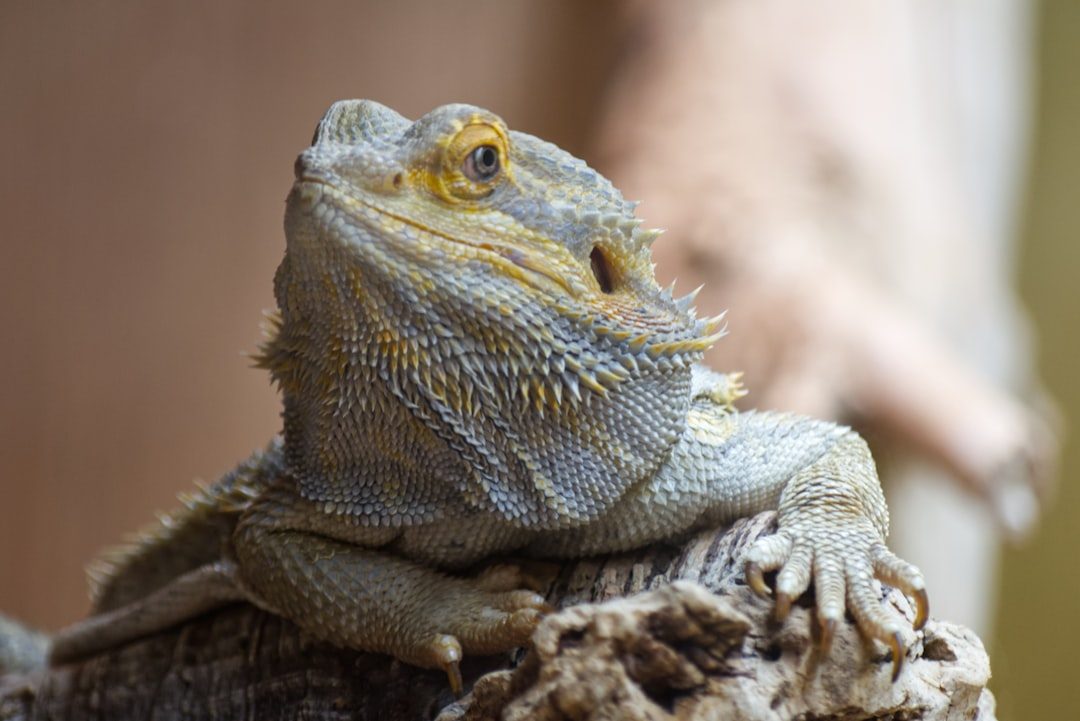
Essential Tips for Bearded Dragon Care
Essential Tips for Bearded Dragon Care
Bearded dragons are fascinating reptiles that make wonderful pets. They are known for their docile nature and unique appearance.
Caring for a bearded dragon requires knowledge and dedication. Proper care ensures they thrive in a home environment.
Understanding their needs is crucial. This includes habitat setup, diet, and regular maintenance.
A well-designed habitat mimics their natural environment. It provides the right temperature, lighting, and humidity.
Diet is another key aspect of bearded dragon care. A balanced diet includes insects, vegetables, and occasional fruits.
Regular cleaning and maintenance of their enclosure are essential. This helps prevent disease and keeps your pet healthy.
Monitoring their health and behavior is important. It helps identify any potential issues early.
With the right care, bearded dragons can live long, healthy lives.

Understanding Bearded Dragons: An Overview
Bearded dragons, native to Australia, are popular reptiles among pet owners. Their friendly temperament and ease of care make them ideal for beginners.
They thrive in warm, arid environments similar to their natural habitats. Providing a suitable living space is essential for their well-being.
As reptiles, they exhibit fascinating behaviors and can live up to 10-15 years with proper care. Observing their habits offers insight into their needs and moods.
Key characteristics of bearded dragons include:
- Calm and manageable disposition
- Unique physical appearance with spiky scales
- Ability to communicate through body language
Owning a bearded dragon is a long-term commitment. Understanding their specific requirements is the first step in ensuring they lead happy, healthy lives.

Setting Up the Ideal Bearded Dragon Habitat
Creating a proper habitat is crucial for your bearded dragon's health. It should mimic their natural conditions. Start by selecting an adequately sized enclosure to accommodate their growth.
A 40-gallon tank or larger is ideal for an adult dragon. This ensures they have enough space to move and explore. Consider the enclosure's ventilation and accessibility as well.
Temperature gradients within the tank are essential. They allow dragons to thermoregulate efficiently. Set up distinct basking and cooler areas within the enclosure.
Essential factors to consider:
- Proper enclosure size for growth and movement
- Effective temperature control and gradients
- Ease of cleaning and maintenance
Lighting also plays a vital role. It helps with vitamin synthesis and behavioral regulation. Ensure adequate UVB lighting to support these functions.
Placement of the enclosure matters, too. Keep it in a quiet area away from direct sunlight or cold drafts. This helps maintain a stable environment.

Choosing the Right Enclosure
When selecting an enclosure, size and material are key factors. Opt for a tank that's at least 40 gallons for adults.
Glass enclosures are popular due to visibility and durability. They also help maintain the necessary climate within.
Look for features like secure lids and front-opening doors. These ease access and prevent escapes.
Consider the following when choosing an enclosure:
- Size: At least 40 gallons
- Material: Glass or PVC
- Access: Front-opening and secure lids
Position the enclosure where you can monitor it easily without disturbances. Keep it stable, as vibrations can stress your bearded dragon.

Substrate Options: Safe and Unsafe Choices
Choosing the right substrate impacts your dragon's health significantly. Unsafe substrates can lead to impaction, a severe digestive issue.
Avoid loose substrates like sand or wood chips. Instead, select safer alternatives. Reptile carpets, tiles, or paper towels are recommended.
Consider these safe substrate options:
- Reptile carpet: Easy to clean
- Ceramic tile: Durable and hygienic
- Paper towels: Budget-friendly and safe
Changing substrates regularly is crucial. This ensures cleanliness and prevents bacterial build-up. Ensure any selected substrate matches the dragon's needs.

Essential Habitat Accessories
Beyond the basics, some accessories enhance comfort and enrichment. These include branches for climbing, hides for security, and basking platforms.
Branches or logs provide physical activity opportunities. They simulate the natural climbing behavior of bearded dragons.
Other essential accessories include:
- Basking platforms for heat absorption
- Hides for privacy and stress reduction
- Water dishes for hydration and humidity
Ensure accessories are securely placed. They should not tip over or harm your dragon. Regularly check and clean these items to maintain a safe, healthy environment.
Heating, Lighting, and Humidity Requirements
Creating an optimal environment involves balancing heating, lighting, and humidity. These factors are vital for the well-being of your bearded dragon.
Start by focusing on temperature. Bearded dragons need a warm basking area to regulate their body temperature. This spot should be significantly hotter than the rest of the enclosure.
A proper lighting setup is essential. Dragons require UVA and UVB lights to synthesize vitamin D3. Proper lighting aids in calcium absorption, which is vital for strong bones.
Humidity should also be considered. Bearded dragons thrive in drier environments, similar to their native habitat. Be careful to avoid excessive humidity, which can lead to health problems.
Equipment needed for a balanced environment includes:
- Heating lamps: Maintain temperature gradients.
- UVB lights: Support vitamin D3 production.
- Hygrometers: Monitor humidity levels.
Placement of these components is crucial. Ensure the temperature gradient moves seamlessly from hot to cool areas. Lighting should cover half of the enclosure, leaving the other half shaded.
Regularly check and maintain equipment for consistency. Replace bulbs and clean fixtures as needed. This ensures your dragon receives constant and beneficial exposure.
Temperature Gradients and Basking Spots
Temperature gradients are pivotal for a bearded dragon's health. The basking area should reach 95-110°F. This helps with digestion and metabolic functions.
The cooler area of the enclosure should be around 75-85°F. This allows your dragon to choose the most comfortable spot.
To ensure optimal heat distribution, set up the basking spot with an appropriate heat lamp. Use a digital thermometer to monitor temperatures effectively.
Key setup pointers for temperature control:
- Basking area: 95-110°F
- Cooler area: 75-85°F
- Use digital thermometers for accuracy
Maintain a consistent day-night cycle. A 12-hour light period replicates natural sunlight exposure. This pattern supports normal behaviors and daily activity.

UVB Lighting: Why It Matters
UVB lighting is critical for bearded dragons' health. It aids in synthesizing vitamin D3, essential for calcium absorption and bone health.
Without UVB, dragons can develop metabolic bone disease. This debilitating condition weakens the bones and affects mobility.
Install UVB lights, ensuring they cover the dragon’s basking area. These bulbs should remain on for 10-12 hours daily to mimic natural daylight.
Consider the following aspects when setting up UVB lighting:
- UVB exposure should be for 10-12 hours per day
- Bulbs should be replaced every 6-12 months
- Position lighting 6-12 inches from basking site
Use a reflector to maximize UVB efficiency. Replace bulbs regularly, as they lose effectiveness over time. This ensures your dragon receives adequate UVB rays.

Managing Humidity Levels
Humidity levels should closely mimic a bearded dragon’s natural arid environment. Ideally, maintain levels between 30-40%.
High humidity can lead to respiratory issues. Use a hygrometer to keep an eye on moisture levels within the tank.
Steps to maintain proper humidity:
- Monitor using a hygrometer.
- Maintain levels around 30-40%.
- Adjust with ventilation or water placement.
In particularly dry climates, place a shallow water dish. It should be far from the heat source to avoid excessive evaporation.

Bearded Dragon Diet: What to Feed and When
Feeding your bearded dragon correctly is crucial for their health. A varied diet keeps them energetic and strong.
Primarily, their diet should include insects and greens. These provide essential nutrients for growth and health.
Juvenile dragons need more protein compared to adults. Their diet should consist largely of insects.
Adults, on the other hand, should have a diet rich in greens and vegetables. Insects should be offered less frequently.
Meal timing is important too. Feed them in the mornings when they're most active. This helps with digestion and metabolism.
Regular feeding routines establish good eating habits. It also helps monitor their appetite and adjust portions as needed.
Maintain diet diversity with different food types:
- Insects: crickets, mealworms
- Greens: collard greens, mustard greens
- Vegetables: squash, bell peppers

Staple Foods: Insects, Greens, and Vegetables
Insect protein is vital, especially for young dragons. Crickets, mealworms, and dubia roaches are popular options.
Vegetables should make up a large portion of an adult's diet. Include leafy greens like collards and mustard greens.
Chop veggies into small, manageable pieces. This makes eating easier and prevents choking.
Introduce variety by rotating their greens and vegetables:
- Collard greens
- Mustard greens
- Dandelion greens
- Squash
- Bell peppers
When serving insects, use a dish to avoid them escaping. Ensure all insects are gut-loaded for enhanced nutrition.

Fruits and Treats: What to Offer Sparingly
Fruits are a sweet treat for bearded dragons. However, they are rich in sugar and should be given sparingly.
Berries and melons are suitable options. They provide enrichment and essential vitamins.
Monitor their reaction to different fruits. Some dragons might have preferences or sensitivities.
Limit fruits in their diet to treat times:
- Berries: strawberries, blueberries
- Melons: cantaloupe, honeydew
Always ensure fruit portions are small. This prevents digestive issues and keeps their diet balanced.

Supplements and Hydration
Nutritional supplements ensure bearded dragons receive essential vitamins and minerals. Calcium is critical to prevent bone disease.
Dust insects and vegetables with calcium powder. Do this several times a week.
Vitamin D3 supplements aid in calcium absorption. These are necessary if UVB lighting is inadequate.
Key supplements and hydration routines:
- Calcium powder: regularly dust on food
- Vitamin D3: boost during low UVB exposure
- Water: shallow dish for easy access
Hydration is vital. Always provide fresh water in a shallow dish. Replace and clean it daily to maintain hygiene.

Daily and Weekly Care Routines
Regular care routines are vital for keeping your bearded dragon healthy and happy. Daily tasks include feeding, providing fresh water, and checking the enclosure's temperature and humidity.
Weekly routines require more thorough attention. Clean the habitat, removing waste and uneaten food to prevent bacteria buildup.
Observe your dragon's behavior and condition daily. This helps you detect any early signs of discomfort or illness.
Here’s a simple care checklist:
-
Daily Tasks:
- Feed insects and greens
- Change water
- Monitor temperature and humidity
-
Weekly Tasks:
- Deep-clean the enclosure
- Sanitize accessories
Consistency in these routines ensures a balanced environment and a thriving dragon.

Cleaning and Maintenance
Regular cleaning prevents health issues by reducing the risk of parasites and bacteria. Clean spills and remove waste daily.
A deeper cleaning is necessary weekly. Disinfect the enclosure and wash any accessories.
Use safe cleaning products to avoid harming your dragon. Items such as reptile-safe disinfectants are recommended.
Regular cleaning steps:
- Spot clean daily: remove waste and leftover food
- Weekly: disinfect entire enclosure
- Wash and sanitize habitat decor
This prevents health risks and ensures your dragon’s environment stays pleasant.

Handling and Socialization
Bearded dragons are usually gentle, making them suitable for regular handling. Daily interaction strengthens your bond and builds trust.
Introduce handling gradually to avoid stress. Start with short sessions, increasing the time as comfort grows.
Socialization promotes a positive relationship and boosts your dragon's confidence. Benefits include stress reduction and easier health checks.
Steps for effective handling:
- Begin with short interaction periods
- Gently support their body
- Gradually extend handling duration
Ensure handling always happens in a calm setting to keep your dragon relaxed.

Monitoring Bearded Dragon Health
Closely monitoring your bearded dragon's health is crucial for preventing issues. Regular checks help ensure they remain active and vibrant.
Observe daily for signs of stress or illness. Notice appetite and behavior changes, which often indicate underlying health concerns.
Establish a routine check-up schedule. Regular vet visits catch potential problems early and provide peace of mind.
Daily health check focus areas:
- Appetite and feeding habits
- Energy levels and movement
- Skin condition and shedding
Using a health log can track these observations. Record any changes promptly to discuss with your vet.
Your bearded dragon's health is paramount. Stay informed and proactive in your approach.

Signs of a Healthy Bearded Dragon
A healthy bearded dragon displays specific physical and behavioral traits. Look for a plump tail, a sign of good nutrition.
Active and alert behavior indicates good health. Eyes should be clear and bright, showing curiosity about surroundings.
Here’s a quick health check list:
-
- Physical Signs:Clear eyes
- Full, rounded tail
- Smooth, even skin
Regularly check these markers. Notice if any aspect changes, as it may signal a health issue.

Common Health Issues and Prevention
Bearded dragons, like all pets, can face health problems. Common concerns include metabolic bone disease and impaction.
Poor lighting or diet can lead to these conditions. Prevention involves proper UVB lighting and balanced nutrition.
Signs of health issues include lethargy and lack of appetite. Swift action is vital if these symptoms arise.
Preventative measures include:
- Provide sufficient UVB exposure
- Ensure a balanced diet with calcium supplementation
- Avoid loose substrates to prevent impaction
Being vigilant about your dragon's habitat and diet is key. This foresight minimizes health risks significantly.

Shedding, Brumation, and Lifespan
Bearded dragons routinely shed their skin. This natural process is vital for growth and health, and it also requires your support.
During shedding, your bearded dragon might act differently. Assist by providing rough surfaces to rub against, aiding in shedding.
Bearded dragons may brumate, a hibernation-like state, especially during cooler months. Understanding brumation helps prevent unnecessary worry.
Brumation involves:
- Decreased activity levels
- Reduced appetite
- Extended rest periods
These behaviors are normal during this period. Ensure they have a comfortable and safe environment during this time.
With proper care, bearded dragons live healthy lives for 10-15 years. This longevity depends on your diligence in care routines.
Frequently Asked Questions About Bearded Dragon Care
Q: What size should a bearded dragon's habitat be?
A: For adults, a habitat of at least 40 gallons is necessary. Larger tanks allow more room to explore.
Q: How often should I feed my bearded dragon?
A: Juveniles need daily feeding, while adults thrive on meals every other day. Always include fresh greens.
Common Questions:
- What temperature should the basking spot be?
- How often do bearded dragons shed?
Q: Do bearded dragons need companionship?
A: No, bearded dragons are solitary. They usually prefer solitude, so there's no need for cage mates.
Q: Can bearded dragons eat fruit?
A: Yes, but sparingly. High sugar content means fruits should be occasional treats, not staples.
Additional FAQs:
- What signs indicate illness?
- How to ensure proper UVB exposure?
Conclusion: Ensuring a Happy, Healthy Bearded Dragon
Providing excellent bearded dragon care fosters a strong bond and a joyful life. With the right habitat, a balanced diet, and regular health checks, your dragon can thrive. Vigilance in monitoring health and environmental needs helps prevent issues.

Engaging with your pet through gentle handling and observation deepens trust. By understanding their unique behaviors and requirements, you ensure a fulfilling experience for both you and your bearded dragon. Your dedicated care is key to their longevity and happiness.

De Talis Us


Dejar un comentario
Este sitio está protegido por hCaptcha y se aplican la Política de privacidad de hCaptcha y los Términos del servicio.