



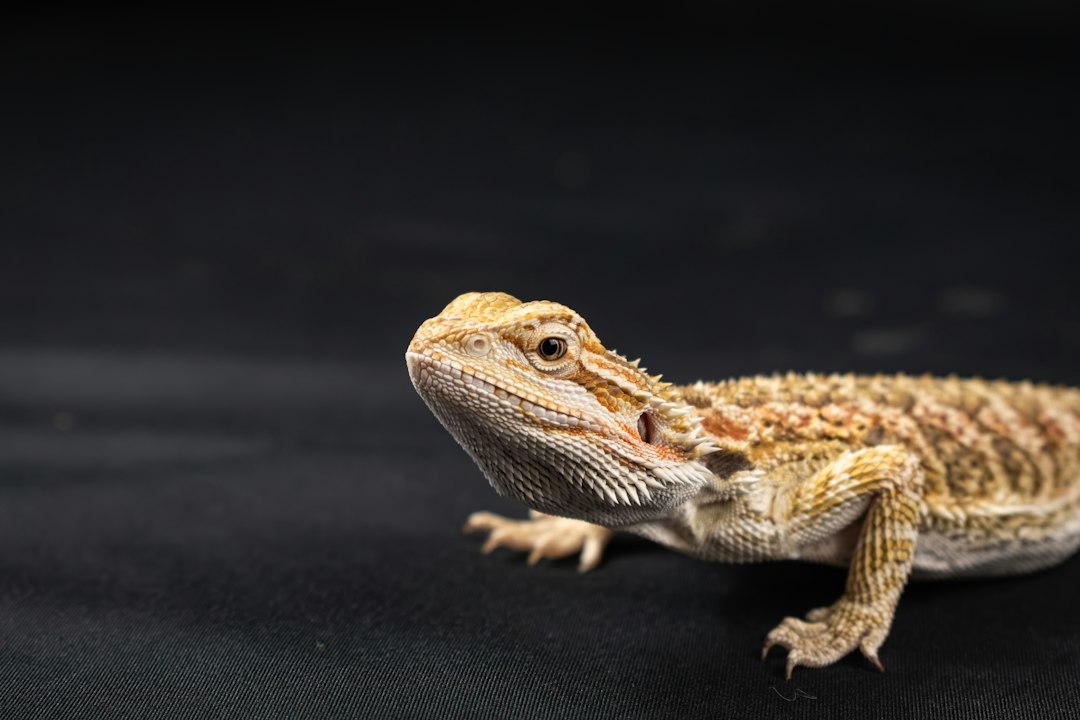
Essential Bearded Dragon Care Supplies Guide
what do you need for a bearded dragon
A bearded dragon needs a spacious enclosure, controlled heating, effective UVB lighting, hiding places, suitable food, supplements, fresh water, and access to a reptile veterinarian. Good bearded dragon care means making those essentials work together—not simply buying a tank and adding a lamp. This guide explains what to prepare, how to check your setup, and which ongoing responsibilities to plan for. (hospital.cvm.ncsu.edu)
What supplies do you need before bringing a bearded dragon home?
Have the complete habitat installed and tested before your bearded dragon arrives. Your initial bearded dragon supplies should cover housing, environmental control, feeding, hygiene, and safe transport; decorations come after those needs. Veterinary care belongs on the preparation list, too, rather than becoming something you arrange only when your pet stops eating. (hospital.cvm.ncsu.edu)
Use this shopping checklist to organize your setup:
- Housing: An adult-sized, escape-resistant enclosure with ventilation and an easy-to-clean interior.
- Heating: An overhead basking lamp, suitable fixture, protective installation, and compatible thermostat.
- Lighting: A reptile UVB lamp and fixture, plus a timer.
- Monitoring: Digital thermometers for both ends, an infrared thermometer for surfaces, and a hygrometer.
- Furnishings: A stable basking platform, secure climbing branches, hides, and appropriate flooring.
- Feeding: Shallow dishes, varied greens, appropriately sized feeder insects, insect food, and veterinarian-recommended supplements.
- Maintenance: Dedicated cleaning equipment, reptile-safe disinfectant, and replacement floor covering.
- Transport: A secure, ventilated carrier suitable for veterinary visits. (hospital.cvm.ncsu.edu)
Treat packaged starter kits as a collection of individual products, not proof that every requirement has been met. Compare each included item with your planned enclosure and ask what still needs purchasing. This makes your shopping list more useful than choosing by the number of accessories in a box.
Choose an enclosure that accommodates an adult
For one adult, plan for at least approximately 4 feet long by 2 feet wide by 2 feet high. The RSPCA identifies 120 × 60 × 60 centimeters as a minimum, while its Australian counterpart describes suitable enclosures extending to 1.8 meters long. More usable space provides greater opportunity for movement, furnishings, and distinct environmental zones. (rspca.org.uk)
Prioritize floor space without ignoring climbing opportunities. The enclosure should accommodate a basking area at one end, a cooler retreat at the other, and clear routes between them. Secure doors and ventilation are essential; an enclosure must retain appropriate warmth without becoming poorly ventilated. (kb.rspca.org.au)
House your dragon alone. Bearded dragons do not need a tank mate, and sharing can lead to competition for food, basking sites, and shelter—even when the animals initially appear compatible. Planning for one dragon per enclosure removes that avoidable source of conflict. (vcahospitals.com)
Before ordering, measure the enclosure's intended location and check access for cleaning. Think through where the doors will open, where fixtures will mount, and how you will reach the water dish. A practical layout matters every day, not just on installation day.

How do you set up heat and UVB lighting correctly?
Provide a warm basking zone and a cooler area, with UVB exposure available near the basking zone and shade elsewhere. Heat supports normal activity and digestion, while UVB helps the dragon produce vitamin D3 and use dietary calcium. A heat lamp does not automatically supply UVB, so verify each product's function. (vcahospitals.com)
Measure temperatures instead of guessing
As a starting reference, the RSPCA recommends a basking zone around 100–108°F (38–42°C) and a cooler end around 72–79°F (22–26°C). Check what you are measuring: basking-surface temperature and surrounding air temperature are different readings. Use digital probes to monitor air and an infrared thermometer to check the basking surface. (rspca.org.uk)
Connect heat sources to suitable thermostatic control and install them so your dragon cannot touch hot equipment. Choose lamp output based on measured results in your enclosure rather than copying someone else's bulb wattage. Room temperature, enclosure construction, and fixture placement all affect the finished setup. (rvc.ac.uk)
Provide darkness at night. If the enclosure becomes too cold, use a thermostatically controlled, non-light-emitting heater rather than keeping daytime lights on. The Royal Veterinary College recommends maintaining overnight temperatures around or above 68°F (20°C); discuss adjustments for your individual dragon with your veterinarian. (rvc.ac.uk)
Install UVB for the actual basking position
Choose a high-output reptile UVB tube with a suitable fixture and reflector. Follow that lamp's instructions for mounting distance rather than applying one universal distance to every product. Output, installation, and intervening materials affect how much UVB reaches the animal. (rspca.org.uk)
A UV Index meter can help verify exposure at the dragon's back level. The RSPCA recommends a basking-zone UVI of 3–5 for typical bearded dragons, grading down to zero in shade; some animals require modified exposure. Replace lamps according to manufacturer guidance or measured output, even if they still look bright. (rspca.org.uk)
Keep a simple equipment record with installation dates, replacement reminders, and the instructions for each fixture. When changing a lamp or moving a basking branch, repeat your checks rather than assuming the previous measurements still apply.
Make the enclosure safe and usable
A functional habitat includes places to bask, climb, hide, and move out of direct light. Secure branches and rocks so they cannot shift or fall onto your dragon. Place shelters where the animal can retreat without having to remain in the hottest part of the enclosure. (vcahospitals.com)
Flooring deserves deliberate thought. Paper towels or newspaper provide a straightforward, replaceable option, particularly while you learn your pet's habits. Loose substrates involve additional considerations because swallowed material can cause problems; discuss the choice with your reptile veterinarian rather than assuming that every product marketed for reptiles is suitable. (kb.rspca.org.au)
Recommendations differ on naturalistic substrates. The RSPCA allows suitable sand or sand-and-soil mixtures for healthy adults, whereas some veterinary guidance advises avoiding loose particles. Your dragon's health, feeding arrangements, and overall husbandry should inform that decision. (rspca.org.uk)
Monitor humidity with a hygrometer, not by how dry the room feels. The Royal Veterinary College recommends approximately 30–40% relative humidity. Use the reading to guide adjustments to ventilation and enclosure management. (rvc.ac.uk)
What should you feed a bearded dragon?
Bearded dragons need varied plant foods and appropriately sized insects, with the balance changing as they mature. Growing dragons generally require more insect food, while adults eat a greater proportion of vegetation. Ask your reptile veterinarian to tailor quantities and feeding frequency to age, growth, weight, and body condition. (vcahospitals.com)
Build the plant portion around varied leafy greens such as collard, mustard, turnip, dandelion, endive, and escarole. Add suitable vegetables, including squash or bell pepper, for variety. Wash produce and cut it into manageable pieces; rotating ingredients helps avoid a diet built around a single favored food. (healthtopics.vetmed.ucdavis.edu)
Suitable feeder choices include appropriately sized crickets, dubia roaches, and silkworms. Buy feeders from a reliable supplier rather than collecting outdoor insects, which may carry pesticide residues. Never offer fireflies, which are toxic to lizards. (vcahospitals.com)
Your feeding supplies need to support the insects as well as the dragon:
- Keep feeders appropriately housed and fed. Gut-loading means giving insects nutritious food before they become your dragon's meal.
- Use suitable prey sizes. Small dragons require small feeders; do not buy oversized insects simply because they are available.
- Apply supplements as directed. Lightly dust food according to an individualized plan.
- Remove uneaten live insects. Check the enclosure after feeding rather than leaving feeders inside indefinitely. (hospital.cvm.ncsu.edu)
Calcium, vitamins, and water
Include a reptile calcium supplement and an appropriate multivitamin among your bearded dragon care essentials. The schedule—and whether supplemental vitamin D3 is appropriate—depends partly on diet, life stage, and UVB provision. More powder is not automatically better; inappropriate supplementation can also cause problems. (vcahospitals.com)
Provide clean water in a stable, shallow dish and replace it daily or whenever soiled. Although dragons obtain moisture from food and may not drink conspicuously, fresh water should remain available. Routine bathing is not necessary for every dragon and should not replace proper water provision. (rspca.org.uk)
Establish a cleaning and observation routine
Remove waste promptly and maintain a regular enclosure-cleaning schedule using an appropriate disinfectant. Follow its instructions, rinse when required, and keep dedicated cleaning tools. Daily attention prevents maintenance from becoming an occasional overhaul. (rspca.org.uk)
Healthy-looking reptiles can carry Salmonella. Wash hands with soap and water after handling your dragon, feeder insects, dishes, or enclosure equipment. Keep reptiles and their supplies away from kitchens and other food-preparation areas; CDC advises additional caution for households with young children, older adults, or immunocompromised people. (cdc.gov)
Make your daily check repeatable:
- Record warm-end, cool-end, and basking readings.
- Check that lamps and timers operate correctly.
- Refresh water and remove uneaten food or waste.
- Observe appetite, movement, droppings, and general alertness.
- Note changes rather than relying on memory at the next appointment. (rspca.org.uk)
Allow settling-in time before unnecessary handling. When handling becomes appropriate, support the body and keep sessions calm and supervised. Never pull loose-looking shed skin; seek veterinary advice if shedding appears problematic. (rspca.org.uk)
Plan for veterinary care and recurring expenses
Locate a veterinarian who treats reptiles before bringing your dragon home. Arrange an initial examination and discuss ongoing preventive care; the Royal Veterinary College recommends annual health checks. Bring photographs of the enclosure, lamp details, temperature records, and a diet summary so the appointment can include a useful husbandry review. (worldwildlife.org)
Seek prompt veterinary advice for unexplained appetite loss, marked lethargy, swollen limbs or jaw, or unusual movement. Breathing difficulty, nasal discharge, or bubbles around the mouth or nose require immediate attention. Do not dismiss an unwell, inactive dragon as simply preparing to brumate. (vcahospitals.com)
For budgeting, separate one-time purchases from recurring commitments. Your planning sheet should include food, feeder maintenance, supplements, electricity, replacement lamps, cleaning supplies, routine appointments, and emergency care. Obtain actual local quotes rather than basing the decision solely on the animal's purchase price.
Start with a tested habitat, not just a shopping cart
The most useful preparation is a complete setup you know how to operate. Assemble the enclosure ahead of arrival, verify conditions, and resolve equipment questions before your dragon depends on it. The RSPCA recommends running the habitat for at least a week beforehand. (rspca.org.uk)
Finish with three checks: can you maintain the environment, provide the daily care, and access veterinary help? If any answer is uncertain, pause and address it first. A well-prepared home is a better starting point than a hurried purchase.

De Talis Us


Dejar un comentario
Este sitio está protegido por hCaptcha y se aplican la Política de privacidad de hCaptcha y los Términos del servicio.