


Creating a Thriving Bioactive Enclosure for Bearded Dragons
Creating a Thriving Bioactive Enclosure for Bearded Dragons
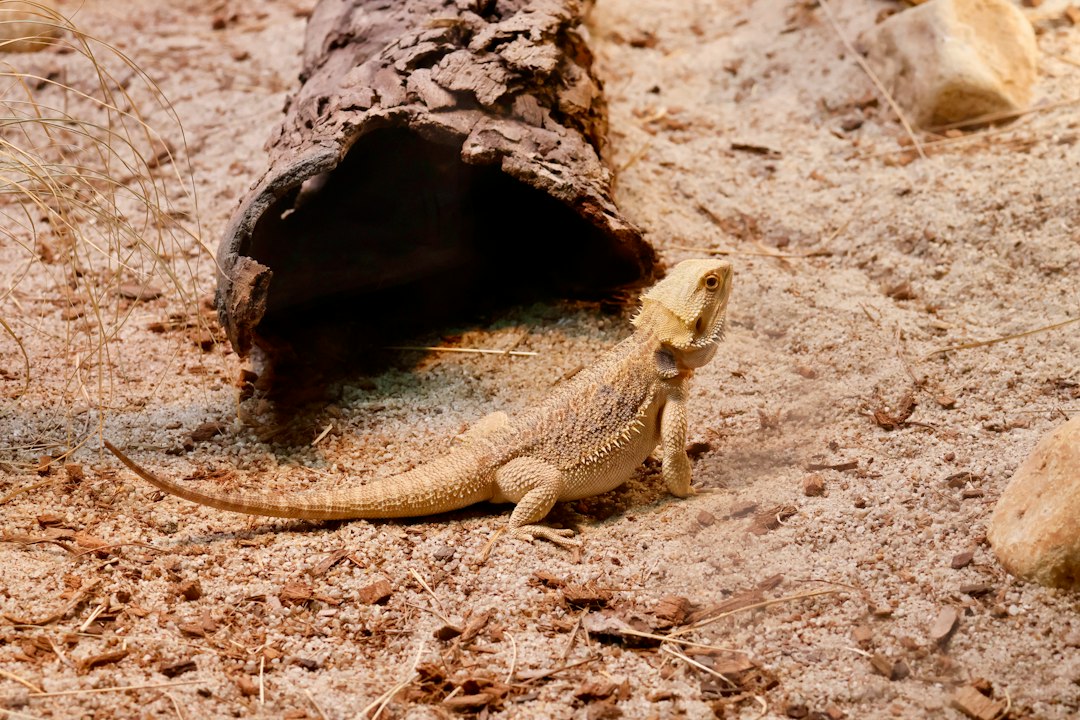
A bearded dragon bioactive enclosure is a naturalistic habitat that combines proper heat, UVB, deep substrate, hardy plants, and a living cleanup crew. The goal is not just a better-looking tank; it is a functional bearded dragon habitat that supports digging, basking, climbing, foraging, and daily movement. Done well, bioactive design can make bearded dragon care more enriching, but it still requires careful monitoring and regular maintenance.
What does a bearded dragon bioactive enclosure need?
A successful bioactive setup needs the same non-negotiables as any healthy bearded dragon habitat: enough space, a safe heat gradient, strong UVB, low humidity, fresh food and water, and clean surfaces. The “bioactive” layer adds deep arid substrate, live drought-tolerant plants, leaf litter, beneficial microbes, and small invertebrates such as isopods and springtails that help process organic material. It should be built around the dragon’s needs first, not around the plants or the visual design.
For an adult, start with a large enclosure; the RSPCA lists 120 cm x 60 cm x 60 cm as a minimum adult vivarium size, which is roughly 4 ft x 2 ft x 2 ft. Bigger is usually easier to furnish with a proper basking zone, shaded retreat, digging area, and plant pockets without crowding the animal. Good ventilation, secure doors, and materials that hold heat and clean easily are also important, especially when you are adding soil, plants, and insects to the system. (rspca.org.uk)

The foundation is space, airflow, and access
A front-opening PVC or sealed wood enclosure is often practical for bioactive work because it gives easy access for spot cleaning, feeding, plant care, and temperature checks. Glass aquariums can work, but they may lose heat quickly and can make overhead access stressful for some dragons. Whatever you choose, the enclosure should let you create distinct zones rather than one uniform environment.
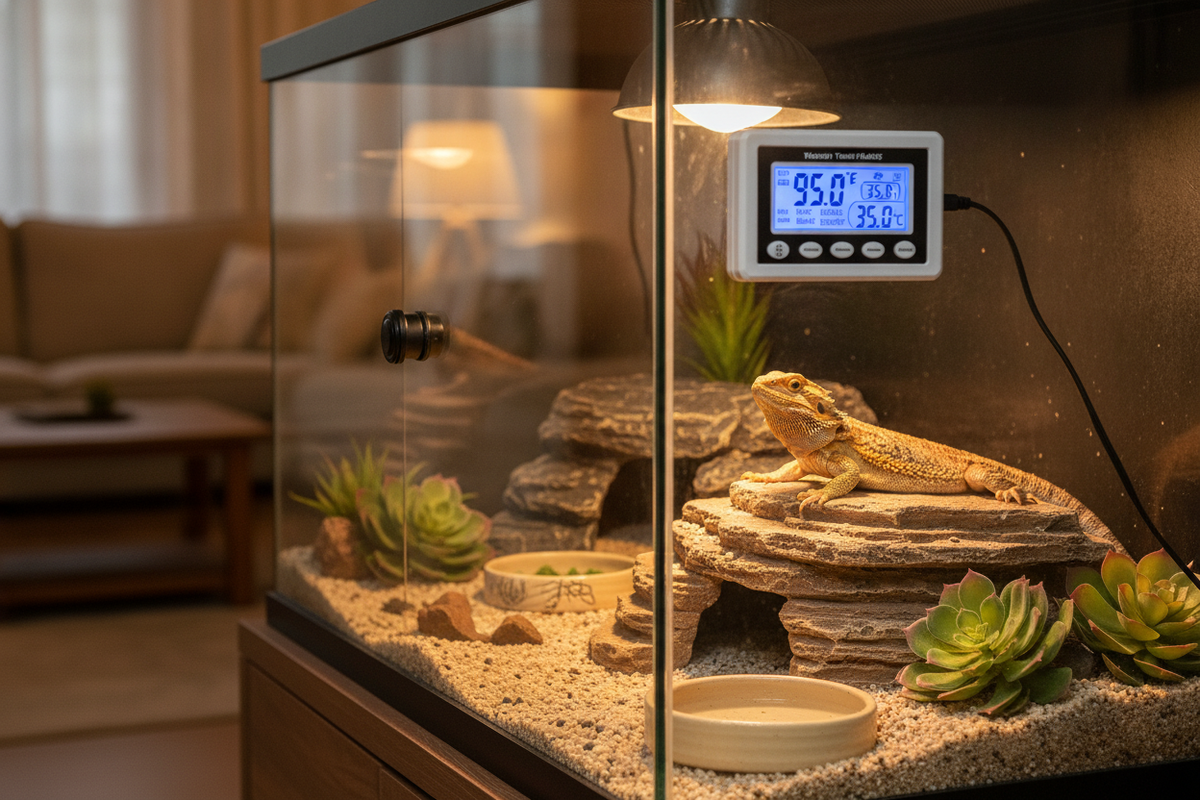
Think of the habitat as a small landscape. One side should be bright, warm, and open for basking. The other should be cooler, shaded, and secure. Between those zones, add branches, rocks, cork flats, hides, and open pathways so your dragon can choose where to spend time. Bearded dragons are active during the day and use environmental heat to regulate their body temperature, so the layout should make moving between warm and cool areas effortless. (rspca.org.uk)
A practical layout includes:
- Basking platform: A stable stone, tile, or thick branch directly under heat and UVB.
- Cool-side hide: A secure retreat away from the hottest light.
- Digging zone: A deeper substrate area for burrowing and natural exploration.
- Plant pockets: Protected areas around roots, especially on the cooler side.
- Open feeding space: A slate or dish area that reduces accidental substrate ingestion.
- Maintenance access: Enough room to remove waste, trim plants, and check equipment.
Heat, UVB, and light drive the whole system
Bioactive substrate cannot compensate for poor lighting or weak heat. Bearded dragons need a thermogradient so they can warm up, digest, cool down, and rest in shade. The RSPCA recommends a hot bright end of about 38–42°C and a cooler shaded end around 22–26°C, while also advising thermostatic control and daily temperature checks with appropriate thermometers. (rspca.org.uk)
Many keepers aim for a basking surface around 105–115°F, with a cooler side around 70–85°F, but your exact setup should be verified with a digital probe and an infrared temperature gun. The key is to measure the surface your dragon actually touches, not just the air nearby. Halogen flood bulbs are commonly used because they create a bright, focused basking zone; pair heat sources with a thermostat and position bulbs safely to prevent burns.
UVB should sit on the same side as the basking lamp so the dragon receives heat and UVB together, as it would when basking in sunlight. High-output T5 UVB tubes in the 10–12% range are commonly recommended for strong desert-style exposure, and the RSPCA advises creating a UV gradient from the basking area into shade, with regular checks and lamp replacement according to the manufacturer’s guidance. (rspca.org.uk)
Plants also need light. A full-spectrum LED grow light on a 12-hour cycle can help succulents, grasses, and herbs survive, but it should not replace reptile UVB. Place plant lights so they brighten the enclosure without eliminating shaded retreats.
Substrate should be deep, arid, and diggable
The substrate is where many bioactive builds succeed or fail. For bearded dragons, it should hold burrows lightly, drain without staying wet, support cleanup organisms, and avoid dusty or sharp ingredients. A deep layer of 6 inches or more gives roots room, gives your dragon something meaningful to dig in, and helps create small moisture gradients below the dry surface.
A useful arid bioactive blend may include washed play sand, organic topsoil or reptile-safe soil, excavator clay or similar structure-building material, small amounts of coconut coir, earthworm castings, and dry leaf litter. Avoid fertilizer, pesticides, perlite, vermiculite, scented additives, and mystery garden soils. Unlike tropical bioactive enclosures, arid bearded dragon setups usually do not need a drainage layer because the enclosure should not be watered heavily enough to saturate the base.
Substrate safety deserves nuance. Loose substrate is not automatically safe in every situation, and it is not appropriate for a sick, dehydrated, very young, or poorly heated dragon. The RSPCA notes that healthy adults may use sand or sand-soil mixtures, while warning against calci-sand, bark, wood chips, crushed walnut, and corn cob granules because of impaction risks if eaten. (rspca.org.uk)
Before switching to bioactive, make sure your dragon has strong appetite, normal stools, good hydration, correct heat, and a recent reptile-vet health check. If parasites are present, treat them before introducing deep substrate; otherwise, eggs or oocysts can contaminate the enclosure and make reinfection harder to manage.
Is a bioactive setup safe for bearded dragons?
A bioactive setup can be safe for a healthy adult bearded dragon when heat, UVB, hydration, diet, hygiene, and substrate choice are correct. It becomes risky when keepers use the word “natural” to justify poor sanitation, excessive humidity, unsafe particles, or skipping veterinary care. Bioactive means biologically active, not self-cleaning or hands-off.
The biggest concerns are impaction, parasites, high humidity, and uneaten insects. You can reduce impaction risk by feeding from a bowl or slate, avoiding calcium sand and large chunks, keeping basking temperatures correct for digestion, and monitoring stool quality. You can reduce parasite risk by having fecal testing done before the move and by removing visible feces promptly instead of expecting the cleanup crew to handle everything.
Humidity should stay on the dry side. The RSPCA recommends low humidity, commonly around 30–40% at the cool end, because high humidity can contribute to skin or respiratory problems. (rspca.org.uk) In a bioactive enclosure, that means watering plants at the roots, keeping one or two small “hydration stations” for cleanup organisms, and avoiding enclosure-wide misting.
A simple safety checklist:
- Confirm health first: Schedule a reptile-vet exam and fecal test before adding deep substrate.
- Run the enclosure empty: Test heat, UVB, humidity, and plant survival before your dragon moves in.
- Use safe substrate: Choose fine, naturalistic arid materials; avoid calci-sand, walnut shells, bark, and dusty mixes.
- Feed cleanly: Offer insects and greens from dishes, tongs, or slate.
- Spot clean daily: Remove feces, urates, shed clumps, and uneaten food quickly.
- Watch behavior: Lethargy, black-bearding, appetite loss, straining, or abnormal stools warrant a husbandry review and veterinary advice.
Plants and cleanup crew should match an arid habitat
Bearded dragons are curious omnivores, so assume any plant may be climbed on, trampled, or tasted. Choose sturdy, non-toxic, drought-tolerant plants and wash them thoroughly before planting. If they came from a nursery, repot them into safe soil and grow them out before adding them to the enclosure to reduce pesticide or fertilizer residue.
Good candidates often include spineless opuntia cactus, haworthia, gasteria, echeveria, aloe varieties known to be reptile-safe, elephant bush, wheatgrass, and hardy herbs such as basil or mint. Avoid plants with toxic sap, sharp spines, treated leaves, or uncertain identification. When in doubt, leave the plant out; a plain branch is safer than a beautiful unknown succulent.
For the cleanup crew, arid-adapted isopods and springtails are the usual starting point. Springtails help with mold and microscopic organic waste, while isopods process decaying plant matter, shed, and small leftovers. Bioactive sources commonly recommend choosing cleanup species suited to dry enclosures and giving them protected moist pockets so they can survive without raising humidity across the whole habitat. (reptifiles.com)
Expect your dragon to eat some of the cleanup crew. That is normal, but it means the colony needs hiding places under cork, leaf litter, stones, and plant bases. Seed the enclosure before adding the dragon if possible, and avoid adding wild-caught insects that may carry pesticides or parasites.

Feeding still matters in a living habitat
A planted enclosure does not replace a balanced diet. Bearded dragons are omnivores, and the RSPCA recommends a varied mix of safe greens and live invertebrates, with gut-loaded feeder insects and appropriate vitamin-mineral dusting. It also notes that dietary proportions shift with age, with younger dragons needing more live food and older dragons eating more greens. (rspca.org.uk)
Offer leafy greens daily in a clean dish, and remove wilted or soiled food before it molds. Use varied feeders such as crickets, roaches, locusts, black soldier fly larvae, or other appropriate insects, sized safely for your dragon. Do not leave biting insects loose in the enclosure overnight; even in a bioactive setup, feeders can stress or injure a resting reptile.
Calcium and UVB work together. Without adequate UVB and proper supplementation, bearded dragons are at risk of calcium-related health problems, including metabolic bone disease. Follow supplement directions, adjust for age and diet, and ask a reptile veterinarian for guidance if your dragon is growing, gravid, recovering from illness, or showing weakness.
Fresh water should still be available in a shallow dish, even if your dragon drinks rarely. Some dragons respond well to occasional light misting on greens or a small morning “dew” effect on a plant surface, but avoid raising enclosure-wide humidity for long periods.
Maintenance keeps the ecosystem balanced
A bearded dragon bioactive enclosure is lower-waste, not no-clean. The cleanup crew helps break down small organic matter, but fresh feces, urates, uneaten salad, dead feeders, and spoiled plant material should be removed promptly. Reptiles can carry Salmonella, so handwashing and safe cleaning habits are still part of routine bearded dragon care. (rspca.org.uk)
Daily tasks are quick: check basking temperature, cool-side temperature, humidity, appetite, stools, and behavior. Remove visible waste and replace water. Look at plants for bite damage, rot, or pests.
Weekly tasks include stirring only small surface areas if needed, topping up leaf litter, wiping glass or doors, trimming damaged plants, and checking that probes and thermostats are still positioned correctly. Monthly, inspect the deeper substrate through the front or side if possible. It should smell earthy, not sour, rotten, or ammonia-like.
If the enclosure smells bad, the system is overloaded. Reduce watering, remove buried waste, improve airflow, add dry leaf litter, and consider refreshing part of the substrate. If humidity is too high, water less often, increase ventilation, move the water bowl to the cool side, and avoid dense plantings that trap moisture.
Natural behavior is the real reward
The best reason to build bioactive is not aesthetics; it is behavior. A well-planned habitat gives your dragon choices. It can bask under bright heat, retreat into shade, dig into a cooler pocket, climb a branch, investigate leaves, forage around stones, and patrol a varied landscape.
That variety matters because enrichment encourages movement and problem-solving. The RSPCA recommends providing stones, branches, hides, and digging opportunities so bearded dragons can express natural behaviors in captivity. (rspca.org.uk) Bioactive design simply takes that idea further by making the floor, plants, and microhabitats part of the daily experience.
Watch how your dragon uses the space, then adjust. If it never visits the cool side, that side may be too exposed. If it constantly glass-surfs, the enclosure may need more cover, more room, or a husbandry review. If plants are destroyed immediately, use tougher species, protective rocks around roots, or potted plants that can be rotated out.
The takeaway
A thriving bioactive bearded dragon habitat is built on fundamentals: correct heat, strong UVB, low humidity, safe substrate, nutritious food, and consistent observation. The living elements are valuable only when they support those basics. Start with a healthy dragon, build the enclosure patiently, test it before move-in, and keep maintaining it after the cleanup crew arrives.
When done thoughtfully, a bearded dragon bioactive enclosure can be both practical and enriching. It gives your dragon a more complex world to explore while giving you a closer look at natural behaviors that a bare setup often cannot provide.

De Talis Us


Dejar un comentario
Este sitio está protegido por hCaptcha y se aplican la Política de privacidad de hCaptcha y los Términos del servicio.