


Creating a Stunning Wood Terrarium for Reptiles
Creating a Stunning Wood Terrarium for Reptiles
Most people picture a transparent glass box when they think of keeping a cold-blooded pet, but the future of animal care looks much more like a piece of high-end furniture. Choosing a custom reptile terrarium wood enclosure completely transforms any room. Instead of a sterile laboratory setup, owners get an elegant living space that beautifully matches an oak bookshelf or modern decor.
Beyond aesthetics, solid walls fundamentally change how your pet experiences the world. Veterinary behaviorists note that living with 360-degree visibility often creates a stressful "fishbowl" effect, leaving animals feeling constantly exposed to perceived predators. A shy species like a Ball Python naturally craves a cozy den, meaning the psychological security provided by enclosed, opaque walls significantly improves their daily well-being.
Temperature control presents another massive challenge for standard glass setups during colder months. Think of a traditional glass tank like a thin paper cup holding hot coffee in an air-conditioned room; heat escapes rapidly through the sides in a process known as thermal leakage. By contrast, a solid wood terrarium reptile setup acts like a thick ceramic mug, trapping essential warmth inside and lowering your heating costs.
Upgrading your animal's home ultimately solves two problems at once by reducing pet stress and enhancing your interior design. Building or buying the perfect terrarium for reptiles does not require an advanced biology degree or master carpentry skills. You simply need to understand a few foundational principles about how these stunning, naturalistic environments function.

The 'Coffee Mug' Effect: How Wood Maintains Better Thermal Gradients
If you have ever tried to keep a bearded dragon warm during winter, you know glass loses heat quickly. Wood acts as a thermal blanket, keeping your pet cozy while requiring significantly less effort from your heat lamps.
This barrier does more than just maximize comfort. Thanks to the insulation properties of solid wood tanks, keepers often see a noticeable drop in their electricity bills. Because the material stops warmth from leaking into your living room, you can save up to 30% on heating costs compared to running lamps continuously over glass.
Consistent climates are essential for cold-blooded animals to digest food, a biological need called thermoregulation. The heat retention benefits of timber housing allow you to create a reliable temperature map for your enclosure. The wood helps maintain a stable "hot room" near the bulb and a predictable "cool room" on the opposite side, letting your reptile safely choose its ideal zone.
Solid Wood vs. Melamine vs. Plywood: Choosing the Right Foundation
Picking the right frame means balancing your budget, available tools, and aesthetic preferences. When looking at melamine vs plywood enclosures, you face a trade-off between convenience and natural beauty. Melamine—a composite board coated in a hard plastic finish—provides an incredibly easy-to-clean surface. Conversely, cabinet-grade plywood offers gorgeous wood grain and superior structural integrity, meaning it won't sag under the heavy climbing rocks required for large lizard enclosures.
To narrow down your choice, consider how these materials handle daily wear and tear:
- Plywood: Moderate cost and lightweight, but requires heavy liquid sealing against moisture-resistant substrates like damp soil.
- Melamine: Highly affordable and simple to wipe down, but exceptionally heavy and prone to swelling if water reaches its unsealed cut edges.
- PVC: When comparing pvc vs wooden reptile habitats, PVC plastic is completely waterproof and light, though it is significantly more expensive and lacks that traditional furniture look.
Whichever foundation you choose, your pet's specific humidity needs will dictate your sealing strategy. However, if you opt to build with solid timber instead of these manufactured boards, you must navigate a hidden biological hazard. Some beautifully grained lumber contains natural oils that cause severe respiratory issues.
Avoiding the Scent of Danger: Safe vs. Toxic Wood Species
Building a custom cage isn't just about matching your living room furniture; it's a matter of life and breath for your pet. That fresh, camp-like scent of certain lumbers actually comes from phenols—volatile oils that plants produce to ward off insects. While pleasant to humans, these fumes become trapped inside a terrarium, causing severe respiratory distress and neurological damage in reptiles.
To guarantee reptile safety, you must strictly separate dangerous softwoods from safe wood species for habitat construction. Keep this simple breakdown in mind when visiting the hardware store:
- Toxic Woods: Cedar, Pine, and Eucalyptus (their heavy aromatic oils are highly poisonous).
- Safe Woods: Oak, Birch, and Poplar (these dense hardwoods are unscented and sturdy).
As a general rule, if the lumber smells strongly like a pine forest, it doesn't belong in your enclosure. Once you have selected a safe, scent-free hardwood, your critical next step is protecting that foundation from daily moisture.
The Waterproof Shield: Sealing Your Enclosure Against Rot and Mold
Even sturdy oak warps if unprotected from the daily moisture your pet needs. Just as an outdoor deck requires weatherproofing, your cage needs a hydrostatic seal—a waterproof barrier preventing water from touching bare timber. Learning how to waterproof a timber enclosure guarantees your build survives heavy misting for years.
Selecting the right finish is vital because traditional paints release VOCs (Volatile Organic Compounds). These chemical vapors create a harsh "new paint" smell that can be fatal in enclosed spaces. The best non-toxic sealant for vivariums will be a water-based polyurethane or epoxy rated as "food-safe" to guarantee pure air quality for your pet.
To build this defense, you must follow a strict three-coat process: one layer to penetrate the grain, and two heavier layers to form the protective shield. Keepers often mistake drying for curing here. A surface feels dry in hours, but curing—the complete chemical hardening of the liquid—takes days. Sealing wood for reptile safety means waiting for this full cure to prevent any hidden toxic off-gassing.

Humidity Hacks: Maintaining a Tropical Microclimate in a Timber Tank
Creating a tropical oasis requires locking moisture inside without destroying your enclosure. Extreme fluctuations in moisture can cause wood warping, where the timber physically bends and distorts over time. While basic sealant is perfectly fine for maintaining humidity in desert lizard environments, tropical setups require extra defense to prevent heavy water vapor from escaping through porous wood walls.
The biggest vulnerability in any timber build lies in the seams where those walls meet. To protect these weak points, keepers rely on joint sealing. Running a bead of aquarium-safe silicone along every interior corner creates a watertight gasket. This simple extra step stops standing water from pooling in microscopic crevices after you mist the enclosure.
Because the floor endures the heaviest wetness from damp dirt, you must also install a substrate barrier. This physical liner sits underneath the bedding, creating a final shield against rot. Using a barrier is the ultimate strategy for preventing mold in high humidity wooden cages.
Ventilation Secrets: Why Your Wood Enclosure Needs More Than Just Holes
Trapping moisture is necessary for tropical setups, but a completely sealed wooden box quickly becomes a stuffy room. This unmoving environment creates stagnant air, which can lead to dangerous respiratory issues for your reptile. The easiest fix is cross-ventilation—a strategic design where fresh air enters one side and exits the other, constantly refreshing the habitat.
Smart keepers achieve this by utilizing the "chimney effect" to balance necessary airflow with the wood's excellent heat retention. Because warm air naturally rises, it pushes stale air out and actively pulls fresh air in, preserving your carefully planned thermal gradient. Follow these steps to achieve proper cross-ventilation:
- Install inlet vents low to the floor on the cool side of the tank.
- Place outlet vents high near the ceiling on the warm side.
Vent size requires customization based on your specific animal; desert reptiles need wider vents to stay dry, while humidity-loving species need smaller ones. Meeting these exact ventilation requirements for stackable vivariums guarantees your pet breathes easily, even when multiple cages sit tightly together.
Lighting and Heating Installation: Securing Fixtures to a Solid Ceiling
Switching to a solid-topped enclosure means you can no longer rest a lamp on a screen lid. Instead, securely mount heavy UVB tubes and heating fixtures directly to the interior ceiling. This internal setup maximizes the heat retention benefits of timber housing by trapping all generated warmth inside the habitat where your pet needs it most. Screwing hardware straight into the solid wood guarantees these essential lights won't get accidentally knocked off by a curious cat or a bumped table.
Because these hot bulbs now hang directly inside your pet's living space, safety requires adding a heat guard. These wire mesh baskets screw in over the heating elements, acting as a reliable physical barrier. Without a guard, an adventurous snake or jumping crested gecko could easily touch the scorching glass, leading to severe basking burns. Think of it like a fireplace screen—letting warmth out while preventing dangerous contact.
Powering these fixtures remains surprisingly sleek. By routing electrical cables through pre-drilled access holes, your terrarium for reptiles stays beautifully uncluttered. With cords cleanly tucked behind a flat roof, you suddenly unlock the ability to stack multiple habitats efficiently.
Stackable Solutions: How Wood Enclosures Save Living Room Space
Reclaiming floor space is simple when utilizing the natural strength of a wooden enclosure. Unlike delicate glass tanks that risk cracking under pressure, solid timber frames provide genuine structural load-bearing capacity. You can safely place one heavy habitat directly over another, transforming a wide footprint into an efficient vertical tower.
Achieving this sleek, "built-in" furniture aesthetic just requires basic airflow planning. Owners must carefully consider the specific ventilation requirements for stackable vivariums, which usually means ensuring side or front vents remain totally unobstructed since the ceiling is covered by the unit above it. Properly aligned, these stacked homes resemble a custom bookshelf rather than a cluttered pet store.
A vertically expanded collection allows you to responsibly house multiple reptiles without overwhelming your living room decor.

The Bearded Dragon's Desert Oasis: Optimizing Wood for Dry Climates
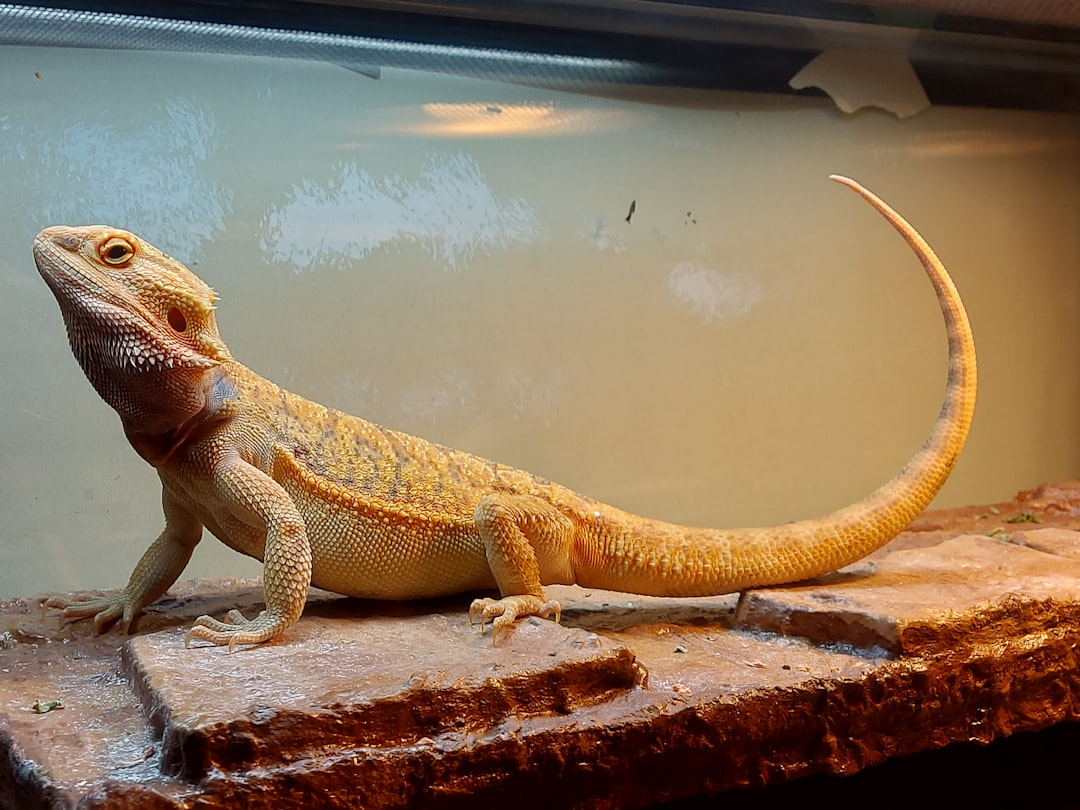
Recreating the Australian outback inside an air-conditioned home challenges many bearded dragon owners. Reaching a 100°F basking spot often means cranking up expensive heat lamps in standard glass tanks. Because timber naturally insulates, it traps that essential warmth inside. This lowers your electricity bill while keeping your pet comfortably hot with significantly less energy.
Solid walls also dramatically improve your lizard's mental well-being. When a bearded dragon looks at clear glass, they often see their reflection and mistake it for a rival lizard. This creates "reflection stress," leading to frantic pacing and exhaustion. Enclosing three sides with opaque wood eliminates these confusing mirrors, instantly helping your pet feel secure in its territory.
Moisture management becomes surprisingly simple in these arid setups. While keepers rarely worry about maintaining humidity in desert lizard environments, bearded dragons still need slightly damp microclimates, like cozy burrows, to shed their skin properly. Wood stabilizes this localized moisture naturally. Since the surrounding tank stays largely dry, the timber easily lasts for years without deteriorating.
Ball Python Palaces: Managing High Humidity Without Damaging the Frame
Transitioning from the desert to the rainforest requires rethinking how a habitat functions. Ball pythons need constant moisture to stay healthy and shed their skin perfectly. Just as solid timber traps heat, it also locks ambient humidity inside rather than letting it escape into your living room. This natural retention creates a stable, tropical climate effortlessly.
Constant dampness naturally introduces the risk of rot. When utilizing reptile terrarium wood for a damp setup, a waterproof shield is essential. While high-quality sealants protect the walls, preventing mold in high humidity wooden cages requires extra attention where the wettest materials sit. The bedding layer—or substrate—is where water inevitably pools and threatens the floor.
To create an absolute failsafe against this standing water, successful keepers install a flexible PVC pond liner. Think of this liner as a custom-fit bathtub resting inside the base of the enclosure. It safely holds heavy, water-logged soils and stops moisture from seeping into the lower joints, ensuring the frame remains structurally sound for decades.
Front-Opening Glass Doors: Adding the Final Touch for Easy Access
Reaching down into a traditional aquarium often startles a reptile because, in the wild, predators attack from above. By planning a front opening glass door installation, you approach your pet on their level, safely bypassing their instinctual predator response. This simple access shift is a crucial feature in modern diy custom enclosure blueprints, helping your pet stay calm and building trust much faster.
Planning this entry point usually comes down to two functional hardware choices:
- Sliding Tracks: Cost-effective and highly secure when paired with a showcase lock, these track systems allow glass to glide smoothly without swinging outward into your living space.
- Hinged Doors: While slightly more expensive to mount securely, they open completely to provide wide, unobstructed access for daily handling and easy feeding.
Regardless of the opening mechanism you choose, always use tempered glass for large viewing windows. If an accident occurs, standard window glass breaks into dangerous, jagged shards, whereas tempered glass safely crumbles into dull cubes.
Cleaning the Porous Surface: How to Disinfect Wood Without Chemicals
Keeping a wooden terrarium smelling fresh requires a different approach than scrubbing a simple glass tank. Because timber naturally acts like a sponge, a solid layer of sealant is your most critical defense against bacterial soak-in. As long as this protective shield remains intact, daily messes wipe away easily without seeping deep into the grain to cause lingering odors or rot.
When routine wipe-downs aren't enough, skip the household bleach or ammonia, which create fumes that can severely harm your pet's sensitive lungs. Instead, prioritizing reptile safety means using veterinary-grade products like F10 for cleaning and disinfecting porous habitat surfaces. This specialized liquid neutralizes dangerous bacteria on contact, yet it breaks down harmlessly without leaving toxic chemical residues behind in your living room display.
For a completely chemical-free deep clean, a handheld steam cleaner serves as an incredible sanitizing tool. The intense heat instantly eliminates stubborn pathogens and melts away dried dirt without relying on a single drop of soap.
The Bioactive Wood Enclosure: Can Timber Handle a Living Ecosystem?
Imagine skipping the daily waste-scooping routine. This is the promise of a bioactive ecosystem—a self-sustaining habitat using real soil, living plants, and tiny insects to organically break down messes. Because these environments require constant soil moisture, many keepers wonder if a wood terrarium reptile enclosure will simply rot away. Fortunately, timber easily handles this moisture if protected by a flawless waterproof seal and the proper internal structure.
Transforming your habitat into a rot-free, living terrarium for reptiles requires a specific stacking method. The essential components include:
- 2-inch drainage layer: Clay pellets that keep pooling water off the floor.
- Mesh barrier: A screen preventing dirt from sinking into the water.
- Bioactive soil: Specialized dirt that supports healthy plant roots.
- Cleanup crew: Harmless bugs (isopods and springtails) that consume waste.
Protecting your structural frame hinges entirely on that drainage space. By preventing soggy dirt from sitting directly against the sealed base, you effectively eliminate water damage risks. Meanwhile, those tiny cleanup bugs act as a round-the-clock janitorial staff, dramatically reducing your maintenance frequency by letting nature do the heavy lifting.
Flat-Pack vs. DIY: Choosing the Right Path for Your Skill Level
Deciding to upgrade your habitat brings up a practical question: buy a kit or build it yourself? For most keepers, assembling flat pack vivarium kits from brands like Zen Habitats or Toad Ranch offers the perfect solution. These commercial options arrive with pre-drilled holes and precisely cut panels, functioning almost exactly like high-end, self-assembled furniture for your pet. You save hours of labor while gaining the peace of mind that comes from professional structural engineering.
Alternatively, starting from scratch provides absolute creative control over the final design. Developing your own diy custom enclosure blueprints lets you tailor every dimension to fit an awkward room corner or perfectly match your favorite oak bookshelf. While this custom route demands moderate woodworking confidence and requires sourcing your own safe sealants, the long-term value of a completely bespoke habitat often justifies the extra weekend effort.
Your final choice simply balances immediate convenience against total customization. However, whether you rely on commercial precision or homemade craftsmanship, your new wooden box must withstand intense internal climates.
Preventing Warping: Why Temperature Fluctuations Matter for Construction
Just like a house shifts during changing seasons, your enclosure reacts to its internal miniature climate. When basking bulbs heat the air, reptile terrarium wood swells slightly—a process called thermal expansion. If you don't leave tiny allowances for this natural movement during construction, the swelling can literally push tightly forced boards apart and compromise the habitat's safety.
Understanding the direction of the wood's fibers, known as its grain orientation, is your best defense against splitting during assembly. When following your diy custom enclosure blueprints, always pre-drill holes and drive your screws perpendicular to these natural lines rather than wedging them directly between the fibers. This straightforward technique prevents your panels from cracking as the enclosure continually warms up and cools down.
Ultimately, where you place the completed structure matters just as much as how you built it. If the habitat doesn't rest perfectly level on its stand, slight twisting pressures will quickly cause sliding glass doors to bind and stick.
Aesthetic Upgrades: Matching Your Terrarium to Your Home Decor
Most people picture a basic glass tank tucked in a corner when thinking about keeping reptiles, but your custom build can easily become your living room's centerpiece. A well-crafted wood terrarium reptile enclosure naturally blends with your interior design. By treating the exterior just like high-end cabinetry, you can transform a functional pet habitat into an elegant display piece.
Achieving this professional, furniture-grade finish only requires a few clever choices. Consider these quick upgrades to give your reptile terrarium wood an expensive, custom look:
- Add aesthetic trim: Framing the outside edges with basic molding instantly hides raw joints and exposed assembly screws.
- Coordinate colors: Use a pet-safe stain that perfectly mirrors your existing bookshelves or coffee table.
- Conceal the hardware: Route heating wires cleanly behind thick trim and paint plastic ventilation covers to blend in.
While these gorgeous finishes will upgrade the entire room, you must select your decorative materials carefully. That dark walnut stain might look incredible, but its chemicals can linger long after drying.
The 'Safe Scent' Rule: How to Sniff Out Potential Problems
Just because a finish feels dry to the touch doesn't mean it is ready for your pet. Reptiles have incredibly sensitive respiratory systems, making them highly vulnerable to "off-gassing"—the invisible chemical fumes released by freshly applied stains and paints. Prioritizing true reptile safety means preventing these trapped, toxic vapors from ever reaching their tiny lungs.
The secret to a healthy habitat lies in understanding the vital difference between drying and curing. A finish might feel dry in a few hours, but curing is the complete chemical hardening process that stops vapor release entirely. Even when you are applying the best non-toxic sealant for vivariums, this invisible curing phase typically takes 7 to 14 days to finish.
Apply the safe scent rule before introducing your reptile: stick your head directly inside the enclosure and take a deep breath. Unless the environment is 100% inert with zero lingering chemical odors, keep the doors open longer. Avoiding respiratory issues saves money on surprise vet visits.
Cost Analysis: Is a Wooden Terrarium Actually Cheaper Long-Term?
Upfront, a large glass tank often looks cheaper than a wooden build. However, the true value emerges when calculating Return on Investment (ROI) over time. Because wood acts like a thick thermal blanket, your heat lamps won't work overtime to keep your bearded dragon warm. These incredible heat retention benefits of timber housing allow you to run lower-wattage bulbs, saving enough electricity over five years to cover the enclosure's initial cost difference.
Durability also shifts the financial scales. A dropped rock during cleaning can instantly shatter glass, creating an expensive emergency. Conversely, a properly sealed wood terrarium reptile setup easily withstands decades of daily life. By maintaining that protective moisture barrier, you completely avoid the stress of repeatedly replacing a cracked, useless tank.
Beyond the equipment savings, this upgrade directly impacts your animal's well-being. A stable, cozy environment naturally reduces stress and boosts activity levels, helping you avoid costly veterinary bills down the road.
Transitioning Your Pet: Moving from Glass to Wood Safely
Before introducing your pet, you must test the climate inside your reptile terrarium wood build. Because timber acts like a thermal coffee mug, holding heat much better than a traditional glass tank, your old heating equipment might actually make the new space too hot. Run your heat lamps for twenty-four hours while the cage is completely empty, using a digital thermometer to verify that the warm and cool zones are perfectly balanced.
Once temperatures are safely dialed in, you can move your companion into their upgraded home to begin the acclimation period. It is normal for reptiles to experience slight "new home stress" initially, temporarily causing them to hide or refuse food. Fortunately, the opaque walls of a wood terrarium reptile setup provide an immediate sense of security, blocking out scary room movements and helping them settle much faster than they would in an exposed glass box.
Within a few weeks, you should start noticing a positive difference in your pet's daily behavior. Thanks to feeling safe behind solid walls and enjoying perfectly stable temperatures, animals frequently display increased activity levels.
Your Wood Terrarium Roadmap: A 5-Step Action Plan
By choosing a custom wood setup, you instantly upgrade your pet's quality of life through better heat retention and reduced stress, all while adding a beautiful, furniture-grade focal point to your home.
Execute your project smoothly with this five-step checklist for creating the perfect terrarium for reptiles:
- Select a safe, reptile-friendly hardwood.
- Apply a non-toxic, waterproof sealant to create a shield against humidity.
- Install your heating elements to establish a flawless temperature map.
- Add your substrate and natural climbing decor.
- Monitor the internal climate for 24 hours before moving your pet in.
By meticulously sealing the interior and testing your temperatures early, you completely bypass the moisture damage and heating mistakes that frustrate many beginners. A properly prepared reptile terrarium wood enclosure becomes a durable, long-term ecosystem that makes daily maintenance easier and lowers your winter electricity bills.
Apply this foundation to your upcoming habitat project to craft a customized sanctuary that seamlessly bridges the gap between sleek interior design and exceptional animal welfare.

De Talis Us


Dejar un comentario
Este sitio está protegido por hCaptcha y se aplican la Política de privacidad de hCaptcha y los Términos del servicio.