


Comprehensive Guide to Managing Aggression in Pets
Comprehensive Guide to Managing Aggression in Pets: Solutions for Dog and Cat Behavior Problems
Aggression in pets, particularly in dogs and cats, can be a challenging issue for pet owners. Understanding the underlying causes of aggression is crucial for effective management and resolution. This guide will explore the various factors contributing to aggressive behavior in pets, including territorial instincts, stress, and anxiety. Additionally, we will discuss how to identify signs of aggression, effective training techniques, and the role of calming pet foods and supplements. By addressing these aspects, pet owners can create a safer and more harmonious environment for their furry companions.
What Are the Common Causes of Aggression in Dogs and Cats?
Aggression in pets can stem from a variety of causes, including environmental factors, genetics, and learned behaviors. Understanding these triggers is essential for effective management. Common causes include fear, territorial behavior, and stress, which can lead to aggressive responses in both dogs and cats. For instance, a dog may become aggressive when it perceives a threat to its territory, while a cat may react aggressively when feeling cornered or anxious. You can find effective solutions in our aggression relieving cat toys for a peaceful environment.
How Does Territorial Behavior Influence Pet Aggression?
Territorial behavior is a significant factor in pet aggression. Pets often feel the need to protect their space from perceived intruders, which can lead to aggressive displays. For example, a dog may bark, growl, or even bite if it feels its territory is being invaded. Similarly, cats may exhibit aggressive behavior when they feel their territory is threatened by other animals or even humans. Understanding these territorial instincts can help pet owners manage and mitigate aggressive behaviors effectively.
What Role Does Stress and Anxiety Play in Aggressive Pet Behavior?
Stress and anxiety are critical contributors to aggressive behavior in pets. When pets experience high levels of stress, they may react aggressively as a defense mechanism. Signs of stress can include excessive barking, hiding, or destructive behavior. Research indicates that pets exposed to stressful environments or situations are more likely to exhibit aggression. Therefore, identifying and addressing the sources of stress is vital for preventing aggressive behavior in pets.
Indeed, understanding the physiological basis of stress and the potential for calming agents is crucial for managing disruptive behaviors.
Nutraceuticals for Calming Pet Stress & Anxiety Stress in animals is evident through the disruptive behaviors exhibited, including excessive barking, restlessness, repetitive behavior, extreme vigilance, etc. Sociability is a key factor in determining the successful adaptation of pets to their environment. Sociable dogs are more comfortable with strangers and unfamiliar situations. Thus, reducing stress and anxiety in pets is essential in providing positive social interactions and to improve the quality of their life and that of the owners. γ-Aminobutyric acid (GABA) is the main inhibitory neurotransmitter in the mammalian brain, and many anxiolytic drugs exert their action through interactions with the GABA receptors. Nutraceuticals for calming and stress, 2019
How Can You Identify Signs of Aggression and Stress in Your Pet?
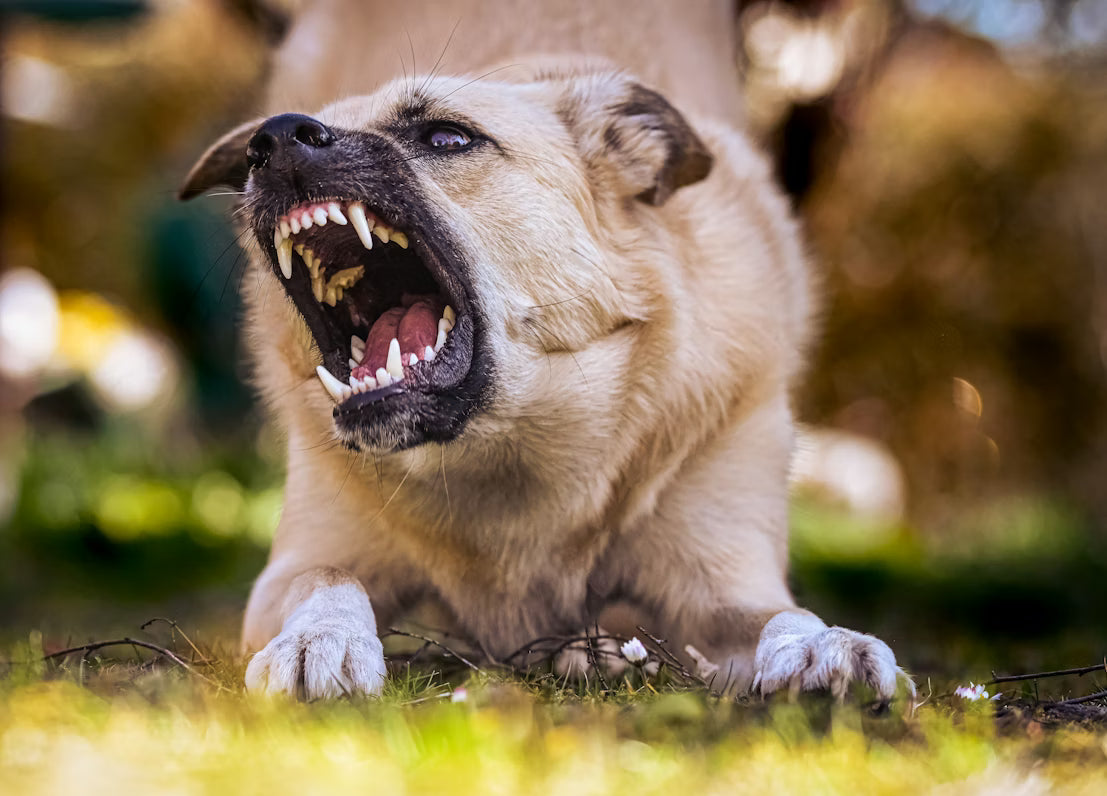
Recognizing the signs of aggression and stress in pets is essential for timely intervention. Common indicators of aggression include growling, baring teeth, and lunging. Additionally, pets may display behavioral changes such as withdrawal or excessive vocalization when stressed. Monitoring your pet's behavior closely can help you identify these signs early and take appropriate action .
What Are Key Cat Body Language Indicators of Aggression?
Cats communicate their feelings through body language, and understanding these signals can help owners identify aggression. Key indicators include:
aggression relieving cat toys- Ears Back : When a cat's ears are flattened against its head, it may be feeling threatened or aggressive.
- Hissing or Growling : Vocalizations such as hissing or growling are clear signs of discomfort or aggression.
- Puffed Up Fur : A cat that puffs up its fur is trying to appear larger and more intimidating, indicating a defensive or aggressive stance.
Recognizing these signs can help owners manage their cat's behavior effectively.
How to Recognize Aggressive Behavior Patterns in Dogs?
Dogs exhibit various aggressive behaviors that can be recognized through careful observation. Common patterns include:
- Barking and Growling : These vocalizations often indicate a warning or threat.
- Snapping or Biting : Physical aggression can escalate quickly, so it's crucial to intervene early.
- Stiff Body Posture : A dog that stands rigidly with its tail raised may be preparing to act aggressively.
Understanding these patterns allows owners to take proactive measures to prevent escalation.
What Are Effective Pet Behavior Training Techniques to Manage Aggression?
Training techniques play a vital role in managing aggression in pets. Consistent and positive reinforcement methods can help modify aggressive behaviors effectively. Techniques such as desensitization and counter-conditioning can be particularly beneficial in addressing fear-based aggression .
How Does Positive Reinforcement Help Reduce Aggressive Tendencies?
Positive reinforcement involves rewarding desired behaviors to encourage their repetition. This method can be highly effective in reducing aggressive tendencies. For example, rewarding a dog for calm behavior around other pets can help reinforce positive interactions. Over time, this approach can lead to a significant reduction in aggressive responses.
The effectiveness of positive reinforcement in modifying aggressive behaviors in dogs has been well-documented.
Positive Reinforcement Training for Dog Aggression a customized treatment plan to manage and reduce their dog’s aggression must be formulated. Positive reinforcement training: Dog is taught commands, such as sit, down, stay, and so on, and rewarded for compliance. This type of training is effective for teaching new behaviors and for modifying existing behaviors. Canine aggression toward people: a guide for practitioners, 2014
Which Behavioral Training Tools Support Aggressive Pet Management?
Several behavioral training tools can assist in managing aggression in pets. These include: 10 aggression relieving cat toys for a peaceful environment
| Tool | Purpose | Effectiveness |
|---|---|---|
| Muzzle | Prevents biting during training | High |
| Leash | Provides control during walks | Medium |
| Clicker | Marks desired behaviors for reinforcement | High |
Using these tools in conjunction with training techniques can enhance the effectiveness of aggression management strategies .
How Can Calming Pet Foods and Supplements Reduce Aggression?
Nutrition plays a crucial role in managing pet behavior, including aggression. Certain calming pet foods and supplements can help reduce stress and anxiety, leading to improved behavior. Ingredients such as L-theanine and chamomile are known for their calming properties and can be beneficial for pets prone to aggression .
What Nutritional Ingredients Support Stress Reduction in Pets?
Several nutritional ingredients are effective in supporting stress reduction in pets: calming cat toys for cats with social disorders.
- L-theanine : An amino acid that promotes relaxation without sedation.
- Chamomile : Known for its calming effects, it can help soothe anxious pets.
- Tryptophan : An essential amino acid that can improve mood and reduce anxiety.
Incorporating these ingredients into your pet's diet can contribute to a more balanced and calm demeanor .
Specific studies further illustrate the benefits of ingredients like L-theanine in reducing stress and aggression, particularly in cats .
L-theanine for Reducing Stress & Aggression in Cats Thirty-three privately owned cats presenting signs associated with stress or fear (inappropriate urination/defecation, fear-induced aggressiveness, hypervigilance/tenseness or physical/functional manifestations of stress) for at least 1 month, were included in the study. They were given L-theanine (Anxitane®, 25 mg twice a day) for 30 days and 20 stress-related parameters were scored at Days 0, 15 and 30. The evolution of some parameters was also rated relative to Day 0. All median scores of the 20 parameters were significantly reduced at D30, and 30/33 cats (91%) had a reduced global score at the end of the study, including 21/33 with ≥50% score reduction. Effect of l-theanine tablets in reducing stress-related emotional signs in cats: an open-label field study, 2018
How Do Calming Supplements Improve Pet Behavior?
Calming supplements can significantly improve pet behavior by addressing the underlying causes of stress and anxiety. Many supplements contain a blend of natural ingredients designed to promote relaxation and reduce aggressive tendencies. For instance, products that combine L-theanine and chamomile can provide a synergistic effect, enhancing overall efficacy. Pet owners should consult with their veterinarian to determine the best options for their pets.
What Are Practical Animal Behavior Solutions for Preventing Aggression?
Preventing aggression in pets requires a proactive approach that includes environmental management and behavioral training. Creating a safe and enriching environment can significantly reduce the likelihood of aggressive incidents. top calming cat toys for cats with social disorders .
How Does Environmental Enrichment Help in Aggression Prevention?
Environmental enrichment involves providing pets with stimulating activities and experiences that promote mental and physical well-being. This can include: top cat toys for cats with neurological disorders .
- Interactive Toys : Engaging toys can keep pets occupied and reduce boredom-related aggression.
- Regular Exercise : Physical activity helps release pent-up energy, which can mitigate aggressive behaviors.
- Socialization Opportunities : Introducing pets to new environments and other animals can help them develop better social skills.
Implementing these strategies can create a more harmonious living environment for pets.
When Should You Consult a Veterinarian for Aggressive Pets?
Consulting a veterinarian is essential when aggressive behavior poses a risk to the pet or others. Signs that indicate the need for professional help include: aggression relieving cat toys.
- Severe Aggression : Biting or attacking behavior that could cause injury.
- Sudden Changes in Behavior : Any drastic shift in a pet's behavior warrants investigation.
- Underlying Health Issues : Aggression can sometimes be linked to pain or illness, requiring veterinary assessment.
Seeking professional guidance can provide valuable insights and treatment options for managing aggression effectively .
Where Can You Find Reliable Products and Support for Aggressive Pets?
Finding quality products and support for managing aggression in pets is crucial for effective intervention. Many resources are available to help pet owners select the right tools and supplements.
How Does Online Shopping Provide Quality Calming Pet Supplies?
Online shopping offers a convenient way to access a wide range of calming pet supplies. Pet owners can compare products, read reviews, and find high-quality options tailored to their pets' needs. This accessibility allows for informed purchasing decisions, ensuring that pets receive the best possible care .
What Customer Satisfaction Factors Ensure Trustworthy Aggression Management Products?
When selecting products for managing aggression , several customer satisfaction factors should be considered:
- Quality Ingredients : Look for products with natural, effective ingredients.
- Positive Reviews : Customer feedback can provide insights into product effectiveness.
- Transparency : Brands that offer clear information about their products and sourcing are often more trustworthy.
By focusing on these factors, pet owners can make informed choices that support their pets' well-being .

De Talis Us


Dejar un comentario
Este sitio está protegido por hCaptcha y se aplican la Política de privacidad de hCaptcha y los Términos del servicio.