



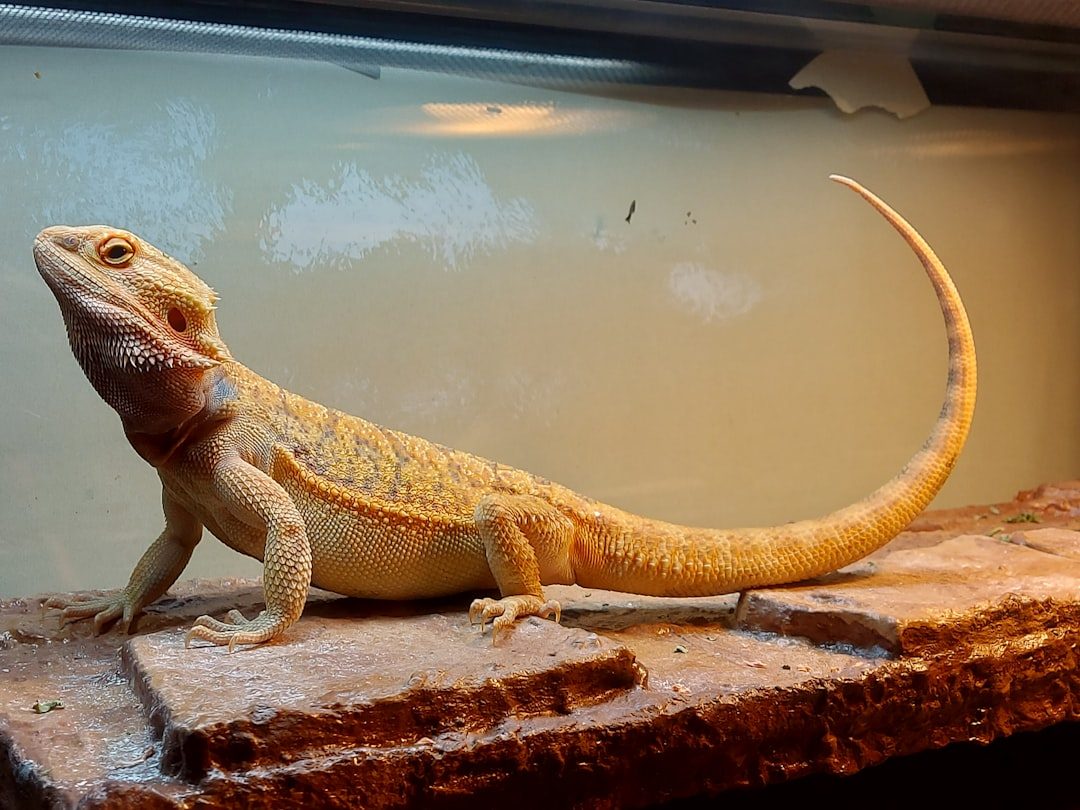
Choosing the Best Substrate for Bearded Dragons
Choosing the Best Substrate for Bearded Dragons
Choosing the right substrate for your bearded dragon is crucial. It impacts their health and happiness.
The substrate is the material lining the bottom of their enclosure. It mimics their natural habitat.
A good substrate supports their natural behaviors. It also helps maintain the right temperature and humidity.
Loose substrates like sand can be risky. They may cause impaction if ingested.
Solid substrates, such as reptile carpet or tiles, are often safer. They are easy to clean and maintain.
Natural substrates like coconut fiber can help with humidity. But they should be used with caution.
The substrate should be non-toxic and free from harmful chemicals. It should not retain too much moisture.
Regular maintenance is key. It prevents waste buildup and keeps the environment hygienic.

Why Substrate Matters in the Bearded Dragon Environment
A bearded dragon's environment should closely mimic their natural surroundings. Substrate plays a significant role in achieving this. It affects their activity and comfort.
Bearded dragons are from arid regions. Their habitat is typically dry and sandy. A suitable substrate should reflect this natural terrain.
The right substrate helps regulate temperature and humidity. Both are crucial for the health of your dragon. If these factors are not balanced, they can harm your pet.
Substrate directly impacts a bearded dragon's health. Unsuitable choices can lead to issues like impaction and respiratory problems. Therefore, it's essential to choose wisely.
Consider the following when selecting a substrate:
- Safety: Non-toxic and free from chemicals.
- Ease of Cleaning: Quick and simple maintenance.
- Natural Behavior Support: Allow for burrowing and digging.
The right substrate choice can lead to a happier, healthier pet. Always prioritize safety and suitability for your bearded dragon’s specific needs.

Types of Bearded Dragon Substrate: Pros and Cons
Choosing the right substrate for your bearded dragon can feel overwhelming. Numerous options are available, each with unique advantages and disadvantages.
Solid Substrates
Solid substrates are popular among bearded dragon owners. They include reptile carpet, tiles, and newspaper. These options provide a safe and durable surface.
Pros:
- Easy to clean and replace
- Reduces impaction risk
- No ingestion risk while feeding
Cons:
- Requires regular maintenance
- Limited naturalistic appeal

Loose Substrates
Loose substrates mimic the natural habitat of bearded dragons. They include sand, coconut fiber, and soil. These options can enhance the aesthetic appeal.
Pros:
- Supports natural digging behaviors
- Offers a realistic habitat look
- Some assist with humidity control
Cons:
- Risk of impaction if ingested
- Can harbor bacteria if not cleaned

Naturalistic Options
Naturalistic substrates appeal to pet owners seeking an eco-friendly choice. Options include organic mulch and cypress mulch. They can enrich the dragon's environment.
Pros:
- Environmentally friendly
- Natural appearance
- Supports digging and burrowing
Cons:
- May encourage mold growth
- Requires monitoring to prevent moisture retention
Key Considerations
Selecting the right substrate involves more than just aesthetics. Consider the age, size, and health of your bearded dragon. Juveniles, for example, benefit more from solid substrates.
Engage with veterinary advice if unsure. Professional guidance ensures a safe and welcoming environment for your pet. Every choice should prioritize the health and well-being of your bearded dragon.
Solid Substrates: Safe and Practical Choices
Solid substrates are a top choice for many bearded dragon owners. They are safe, functional, and easy to maintain.
Reptile carpet is a popular solid substrate. It provides a soft surface while reducing the risk of impaction. It is easy to clean and can be reused multiple times, making it cost-effective.
Tiles, such as slate or ceramic, offer durability and ease of cleaning. These materials create a natural look and effectively retain heat, aiding in thermoregulation. They're perfect for pet owners seeking aesthetics along with functionality.
Newspaper and paper towels are another solid substrate option. They're economical and convenient, although they lack visual appeal. These substrates are particularly suited for those needing a simple, effective solution.
Pros of Solid Substrates
- Safe for young and adult bearded dragons
- Reduces ingestion risks
- Easy to maintain and replace

Solid substrates also contribute to a hygienic environment. Cleaning and changing them regularly helps prevent bacteria and odor buildup. This is crucial for your pet's health.
When choosing a substrate, consider your bearded dragon's specific needs. Solid substrates provide security and minimize health risks, creating a comfortable habitat for your pet. This careful selection benefits both the owner and the dragon, ensuring a safe and welcoming home.
Loose Substrates: Risks and Considerations
Loose substrates often mimic the natural environment for bearded dragons, providing a more authentic habitat feel. However, they come with several risks that need careful consideration.
One of the primary concerns with loose substrates is the risk of impaction. Bearded dragons may ingest these materials while feeding, leading to digestive blockages. This is particularly risky for juveniles and small dragons.
Sand is a common loose substrate, but it poses significant risks. Despite its natural look, sand can adhere to food items and get ingested, causing impaction. Calcium sand, often marketed as safe, still presents similar dangers and should be avoided.

Coconut fiber is another loose substrate option, which can help with humidity control. However, its fine particles might be inhaled or consumed, leading to potential respiratory or digestive issues.
Considerations for Loose Substrates
- Risk of impaction
- Potential respiratory hazards
- Regular cleaning required to prevent mold and bacteria
Loose substrates need more vigilant maintenance. They can harbor bacteria and mold if not kept dry and clean. This poses additional health risks, including respiratory infections.
When considering loose substrates, weigh the natural appearance against potential health hazards. While they can enhance the enclosure's aesthetics, safety should be your top priority. Always monitor your bearded dragon's behavior and health to ensure their environment remains safe and supportive. This choice requires responsibility and consistent observation, ensuring your pet's well-being.
Naturalistic and Eco-Friendly Substrate Options
For those who value a more authentic habitat, naturalistic substrates can offer a closer representation of a bearded dragon's native environment. These materials are often preferred for their eco-friendly aspects.
Bioactive substrates are popular for enthusiasts aiming to create a self-sustaining ecosystem. They typically involve a mix of soil, sand, and clay, supporting beneficial bacteria that help break down waste. This option can be rewarding but requires careful balance and regular monitoring.

Coconut husk or bark chips are another option, offering a natural look. They have a better moisture-retaining ability, suitable for humidity-sensitive setups. However, ensure they are dust-free to avoid respiratory issues.
Eco-Friendly Substrates to Consider
- Bioactive mixes
- Coconut husk or bark chips
- Recycled paper products
Recycled paper products are eco-friendly and easy to replace. They are less attractive but provide a safe, cost-effective choice. When selecting an eco-friendly substrate, ensure it aligns with the health needs of your bearded dragon. This ensures a balance between sustainability and safety. With these options, create a responsible habitat that respects both your pet and the environment.
Substrate and Bearded Dragon Health: What to Watch For
Choosing the right substrate impacts more than just comfort; it plays a crucial role in your bearded dragon's health. Poor substrate choices can lead to health issues that are often preventable.
Impaction is a significant concern. It occurs when your bearded dragon ingests substrate, leading to digestive blockages. This is more common with loose substrates like sand or small gravel.
Respiratory issues can arise from dusty or moldy substrates. Bearded dragons have sensitive respiratory systems, and exposure to airborne irritants can cause serious problems.
Health Issues Related to Substrate
- Impaction
- Respiratory distress
- Skin irritation
Skin irritation is another factor to consider. Abrasive substrates might cause cuts or abrasions, leading to infection if not addressed promptly.
Monitoring your bearded dragon for signs of distress or unusual behavior is essential. If you notice changes, such as lethargy or lack of appetite, consider if the substrate might be a contributing factor. Proactively maintaining your bearded dragon's environment reduces health risks and promotes well-being.
Substrate Maintenance and Hygiene Tips
Proper maintenance of your bearded dragon's substrate is crucial for a healthy environment. Consistent cleaning and monitoring can prevent potential health hazards. A clean substrate reduces the risk of disease and keeps the enclosure fresh.
Start by spot cleaning daily. Remove droppings and uneaten food to minimize bacterial growth. This simple habit ensures that the environment remains sanitary for your bearded dragon.

Complete substrate changes are recommended every few months, depending on the substrate type. Solid substrates like tiles or reptile carpet can often be washed and reused. Loose substrates might require more frequent replacement to maintain hygiene.
Essential Maintenance Tips
- Spot clean daily
- Replace substrate as needed
- Regularly wash solid surfaces
Also, assess odor levels in the enclosure. Strong smells may indicate that it's time for a deeper cleaning. Regular checks and proper hygiene practices not only protect your bearded dragon’s health but also create a pleasant living space.
Choosing the Best Bearded Dragon Substrate for Different Life Stages
Bearded dragons undergo significant changes as they grow. Their substrate needs also vary with each life stage, affecting their overall health and comfort.
Juvenile bearded dragons are particularly sensitive. They're more prone to substrate ingestion leading to impaction, a dangerous health risk. Solid substrates, like tiles or reptile carpet, are preferred. They minimize the chance of ingestion while allowing enough traction for movement.

Adults, on the other hand, can manage more complex substrates. They can thrive on a mix of solid and natural materials. Such combinations encourage natural behaviors and provide stimulation.
Recommended Substrates by Life Stage
- Juveniles: Reptile carpet, tiles
- Adults: Tiles with natural elements like coconut fiber
- Seniors: Soft substrates for comfort
Senior bearded dragons may require softer substrates for comfort due to their aging joints. Prioritizing ease of movement and hygiene ensures they live comfortably. By considering life stage-specific needs, you can select a substrate that promotes health and happiness throughout their life.
Setting Up the Ideal Bearded Dragon Environment
Creating a suitable environment for your bearded dragon involves more than just choosing the right substrate. Their habitat should mimic natural conditions to keep them comfortable and healthy.
Temperature gradients are crucial. They need a basking area and a cooler region within the enclosure. Ensure the temperature in the basking spot ranges between 95°F and 110°F. The cooler area should be around 80°F.

Proper lighting is also essential. Bearded dragons require UVB lighting to synthesize vitamin D3, which aids in calcium absorption. This lighting should cover at least two-thirds of the enclosure.
Key Elements of an Ideal Bearded Dragon Environment
- Temperature: Maintain diverse temperature zones
- Lighting: Install adequate UVB lighting
- Shelter: Provide hiding spots for comfort
Besides lighting and heat, your bearded dragon needs places to hide and rest. Include rocks, branches, or logs for basking and exploring. A well-structured environment not only supports their health but also encourages natural behaviors, keeping your bearded dragon active and happy.
Frequently Asked Questions About Bearded Dragon Substrate
Choosing the right bearded dragon substrate can be confusing. Here are some common questions answered to help clarify your choices.
What is the safest substrate for bearded dragons?
Solid substrates like reptile carpet and slate tiles are generally considered the safest. They minimize the risk of impaction and are easy to clean.
How often should I change the substrate?
The frequency of changing your substrate depends on the type you choose. Regular cleaning and monitoring are important. Typically, solid substrates require less frequent replacement compared to loose substrates.
Quick Tips for Substrate Care
- Daily: Spot-clean for waste
- Weekly: Deep-clean and sanitize as needed
- Monthly: Replace as necessary depending on wear
Maintaining a clean and safe substrate is key to ensuring your bearded dragon's well-being. Always consider your pet's specific needs and behaviors when selecting and caring for substrate options.
Conclusion: Creating a Safe and Comfortable Home
Choosing the right substrate is crucial to your bearded dragon's health. Opting for safe options like solid substrates helps prevent health issues.
Always tailor the substrate choice based on your pet's unique needs. Maintaining cleanliness and monitoring behavior ensures a thriving environment. Creating a safe and naturalistic habitat allows your bearded dragon to display natural behaviors, resulting in a happier, healthier pet.

De Talis Us



Dejar un comentario
Este sitio está protegido por hCaptcha y se aplican la Política de privacidad de hCaptcha y los Términos del servicio.